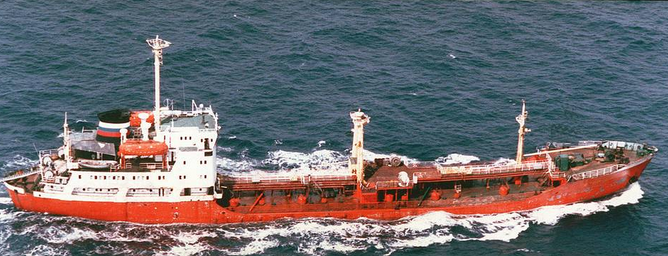
War at sea is no longer defined by hulking warships exchanging missile fire. In the Black Sea, Ukraine has turned small, explosive‑laden boats into precision weapons capable of crippling Russia’s oil export infrastructure. This shift is not just tactical-it’s reshaping maritime warfare and energy geopolitics in real time.
These newest attacks against two under-sanction tankers off Turkey’s coast, coupled with the damage to a key oil terminal in Novorossiysk, mark a deliberate escalation in Kyiv’s drive to cut off Moscow’s war financing. To readers following the Russia‑Ukraine War, these incidents detail a very specific interplay of state-of-the-art unmanned systems and sanctions enforcement with the vulnerabilities of global energy supply chains.
1. Targeting Russia’s ‘Shadow Fleet’
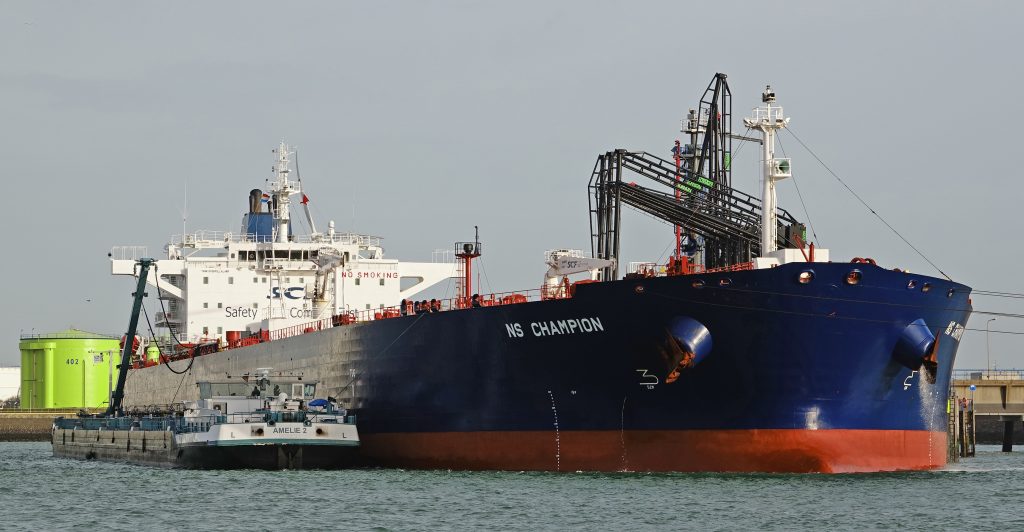
Ukraine’s strikes on the Kairos and Virat tankers directly hit vessels identified as part of Russia’s so‑called shadow fleet – hundreds of aging, unregulated ships used to bypass Western sanctions. According to OpenSanctions, these tankers have cycled through several flags in a bid to disguise ownership and skirt restrictions. In disabling ships that can carry oil worth nearly $70 million, Kyiv is trying to sever a stream of revenues flowing into funding Russia’s war effort.
2. Sea Baby Naval Drones in Action
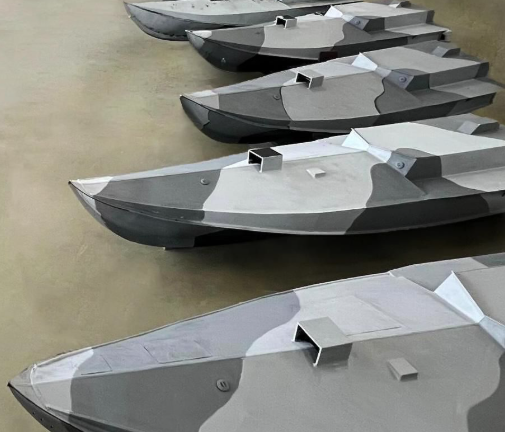
The attacks involved domestically produced Sea Baby drones-uncrewed speedboats packed with explosives. These craft, teleoperated from shore, are capable of maneuvering at high speed toward targets before detonation. Footage given to media showed drones racing toward the tankers, followed by explosions and fires. The Ukrainian security service said the vessels suffered critical damage and were “effectively taken out of service,” delivering a significant blow to Russian oil transportation.
3. Escalation beyond the northern Black Sea
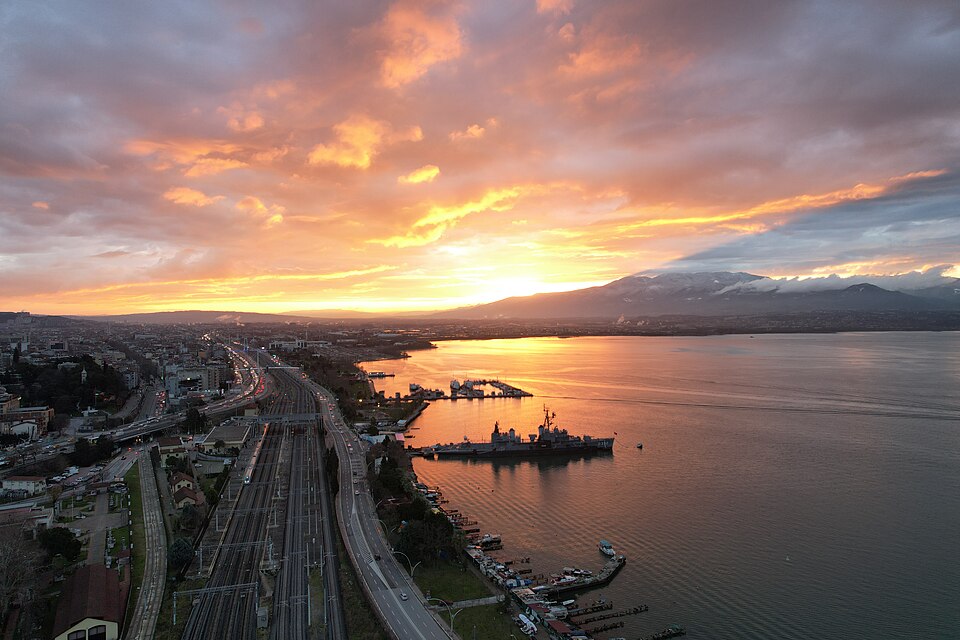
Although Ukraine has attacked Russian shipping in waters closer to its coastline, this operation extended into Turkey’s exclusive economic zone. The Kairos was struck about 28 nautical miles off Kocaeli province, and the Virat about 35 nautical miles out to sea farther east. This geographic expansion is a signal of Kyiv’s intention to strike deeper inside the Black Sea, increasing reach and strategic pressure.

4. Turkey’s Safety Concernations
Ankara said the incidents had occurred within Turkey’s exclusive economic zone and carried “serious navigational hazards.” First, Turkish Transport Minister Abdulkadir Uraloglu indicated that the incidents might have been caused by anything from mines to missiles; after that, in a separate statement, he expressed suspicion that drones were probably involved. As for the country’s foreign ministry, it confirmed their contacts with the concerned parties with a view to avoiding further escalation and safeguarding economic interests in the Black Sea area.
5. Caspian Pipeline Consortium damage
In another attack, a Ukrainian naval drone damaged Mooring Point 2 at the Caspian Pipeline Consortium’s Black Sea terminal in Novorossiysk. CPC handles more than 1% of global oil trade and about 80% of Kazakhstan’s exports. The Kazakh energy ministry said the attack was “unacceptable” and carried “a serious threat to the security of international energy supplies”. The consortium reported significant damage that it said forced it to halt operations and activate contingency plans to re-route exports.
6. Strategic Value of Offshore Moorings
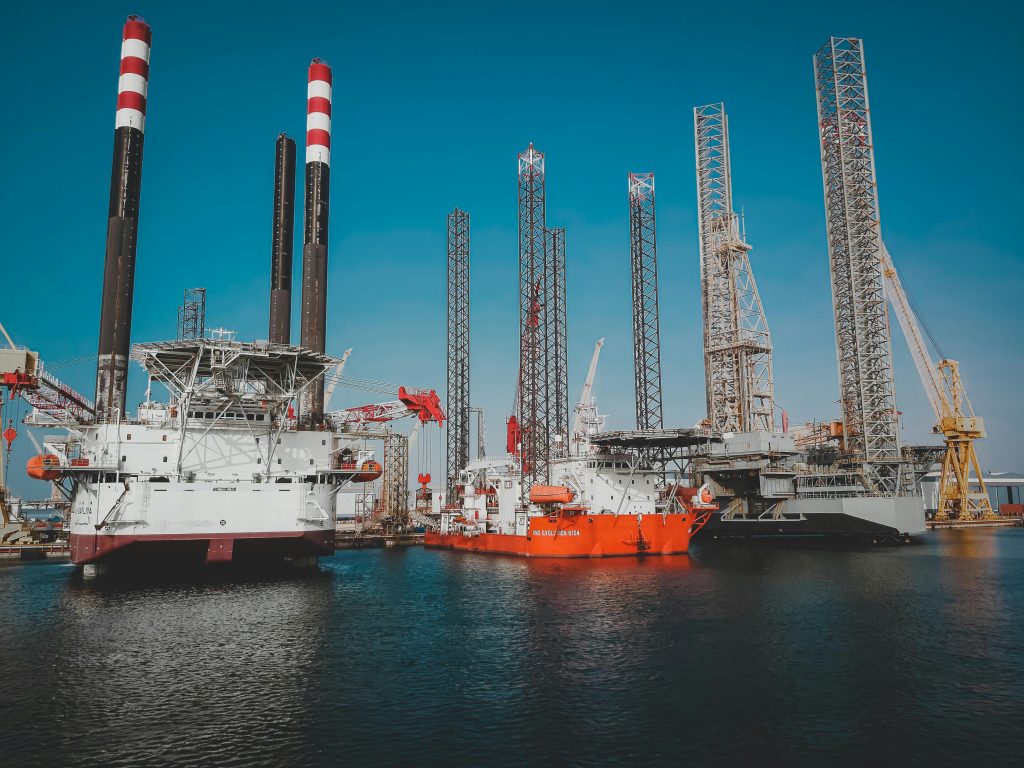
Single-point moorings, such as those by CPC, are stationary, isolated, and of strategic importance. Their role in global oil logistics makes them attractive targets for unmanned strikes. Damage to one of three such moorings at Novorossiysk disrupts a key chokepoint in the Black Sea energy network, a function of how relatively small drones can make outsized impacts on international trade flows.
7. Magura V5 and the Evolution of USVs
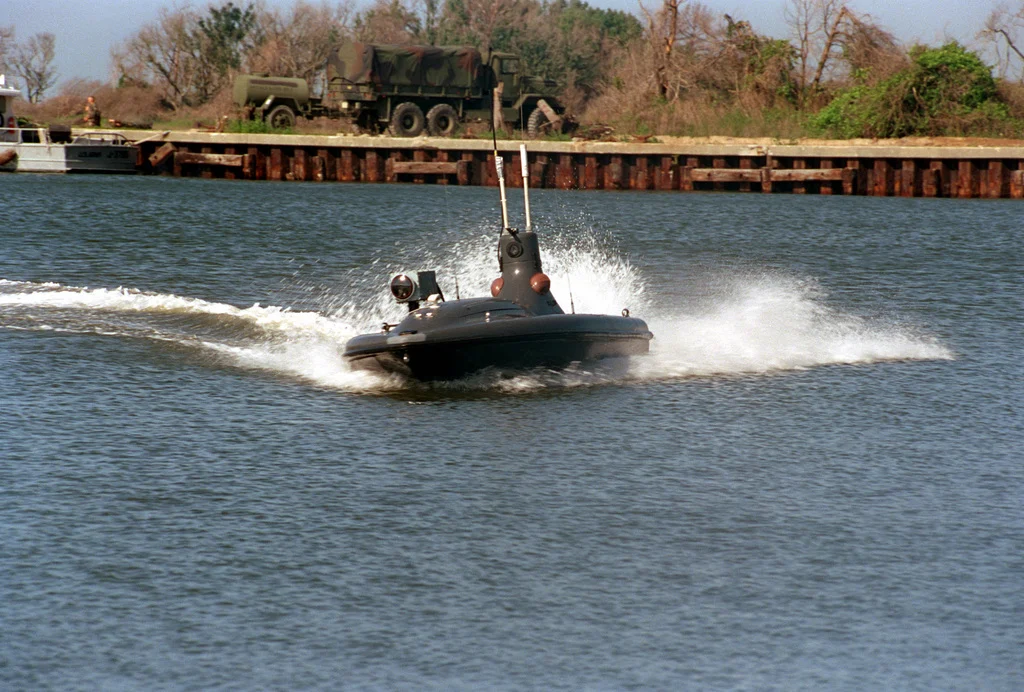
The 5.5-meter-long Magura V5 multi‑role uncrewed boats of Ukraine are capable of carrying 300 kg of explosives at speeds up to 42 knots and reportedly have sunk several Russian warships. The Sea Baby variant used in the tanker strikes is again a reflection of the ongoing adaptation of USV designs for specific missions. Analysts stress that Ukraine has accelerated global interest in unmanned surface vessels for both offensive and defensive roles.
8. Global Race in Maritime Drone Technology
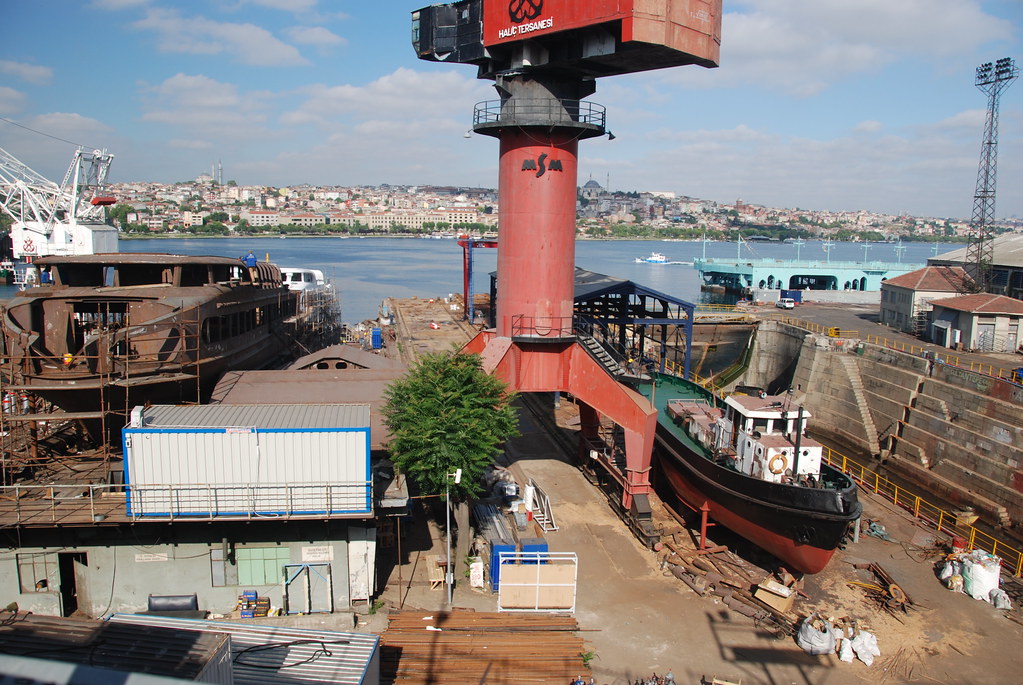
The war in Ukraine has accelerated the development of USVs around the world. Among others, Turkish shipyards are producing models such as the Ulaq Kama and SANCAR capable of surveillance, port defense, and strikes against specific targets. As autonomous command and control technology develops, navies will look at swarming tactics and AI-driven navigation. The operational experience of Ukraine influences design priorities well beyond the Black Sea.
9. Energy Security and Geopolitical Risk
Blending sanctions enforcement with direct strikes on oil infrastructure alters the calculus of global energy markets. Strikes on sanctioned vessels and export terminals reduce not just Russia’s revenues but add volatility to supply chains with neutral states such as Kazakhstan and Turkey. In the view of Kazakhstan’s ministry, this produces “direct risks for global energy security,” a reminder of the larger geopolitical stakes at play. The Ukrainian use of naval drones to strike banned tankers and critical oil infrastructure presents a mix of military innovation and economic warfare.
In its strikes against the shadow fleet and key export nodes, Kyiv has tested the bounds of unmanned maritime power in a contested, multinational space. For military technologists and geopolitical analysts alike, these operations form a case study both in how small, precise platforms can disrupt massive logistical systems and in how the battlefield today reaches deep into the arteries of global commerce.


