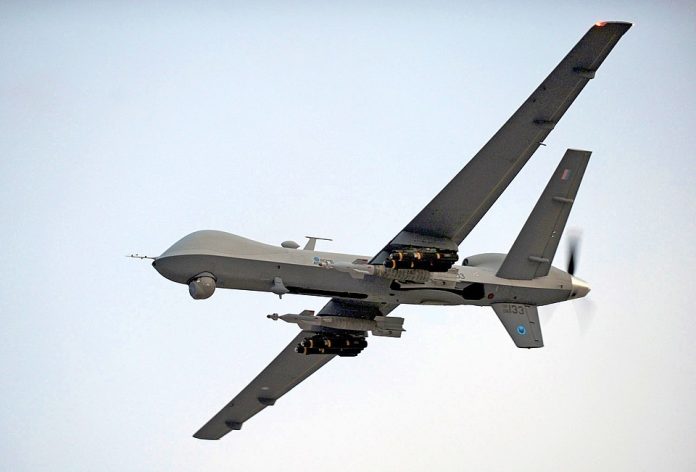
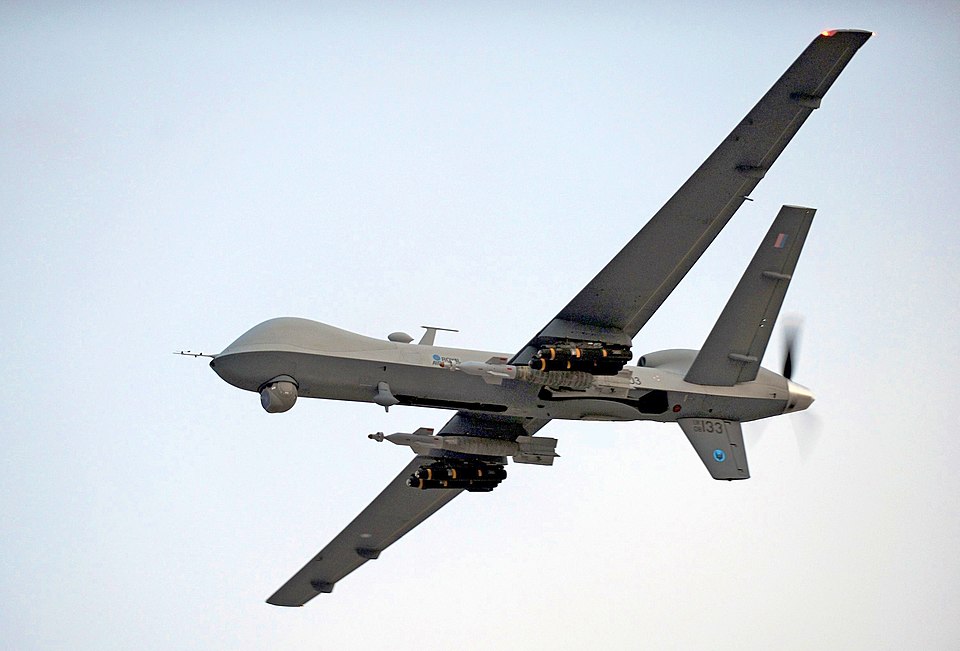
Once the niche capability of a few select nations, the combat use of drones now defines the character of modern conflict-from Ukraine’s mass deployment of low-cost FPV units to Israel’s AI-driven targeting systems, unmanned aerial vehicles have rewritten doctrines, procurement priorities, and the tempo of operations across the world. Adaptation now outpaces traditional defense cycles, forcing militaries to innovate, scale, and counter from the air.
Meanwhile, geopolitical alignments are being redrawn in concert with UAV technology transfers and joint production agreements. Deals like a possible Hermes 900 deal between Israel and the UAE point toward deeper integrations of drone capabilities within regional security architectures. To the defense professional, the understanding of these changes is not an option; it’s key to predicting the next phase of warfare.
1. Ukraine’s Mass-Manufactured FPV Drones
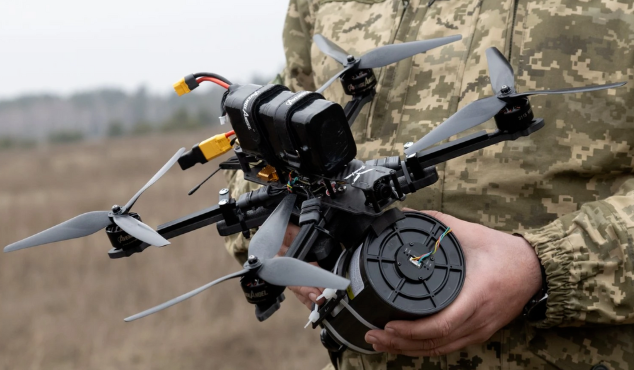
The Ukrainians institutionalized a battlefield ecosystem of tens of thousands of low-cost FPV drones every month, pulling civilian engineers, 3D-printing workshops, and front-line units into a rapid innovation cycle. They have reached out as far as 20 km, striking armor and troop concentrations with precision despite electronic jamming. Cost-effectiveness is dramatic: units priced from €300-€5,000 achieve effects once reserved for much more expensive systems, allowing Ukraine to sustain saturation tactics that overwhelm Russian defenses.
2. Russia’s Integrated Kill Chain
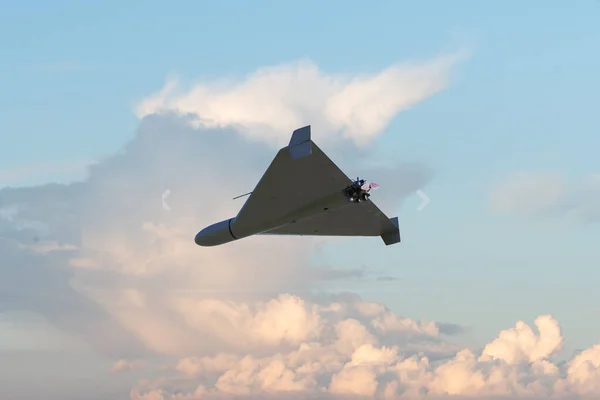
The UAV doctrine now embeds reconnaissance drones directly into artillery fire control, reducing strike latency to less than 10 minutes. Real‑time video guiding rapid re‑targeting increases accuracy and conserves ammunition. This integration also has a psychological dimension, where urban drones track civilian movement to time artillery against evacuation routes and thereby amplify disruption beyond physical damage. It reflects a move toward persistent battlefield visibility and faster decision loops.
3. AI-enabled targeting in Gaza
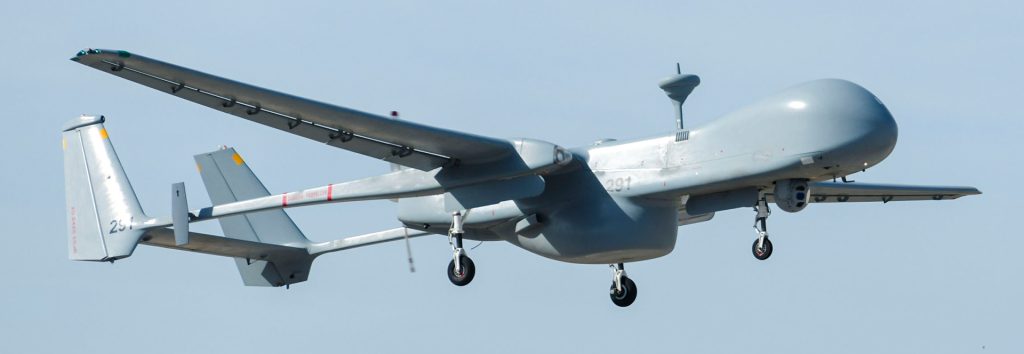
The AI-driven decision-support systems of Israel aggregate cell phone data, satellite imagery, drone footage, and seismic sensors to find potential targets of Hamas. Systems such as Gospel generate more than 100 targets a day, feeding into apps like Pillar of Fire, with rapid tasking across air, naval, and ground forces. While human analysts do review the recommendations of the AI systems, increased operational tempo has brought about greater trust in the machines’ outputs, raising questions on accuracy and ethical controls.
4. Maritime Drone Innovations
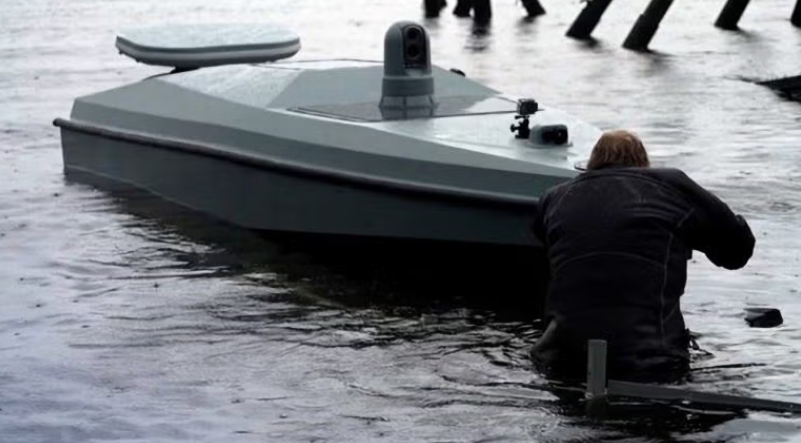
Ukrainian unmanned surface vessels such as the Magura‑V5 and the Magura‑7 have changed the face of the fight at sea. Capable of carrying 500-700 pounds of explosives, they avoid radar detection and have sunk Russian ships; in May 2025 they achieved the first recorded shoot-down of fighter aircraft by a sea drone. Systems such as these avoid traditional naval defenses and provide asymmetric options to states without conventional fleets.
5. NATO’s Counter‑Drone Imperative
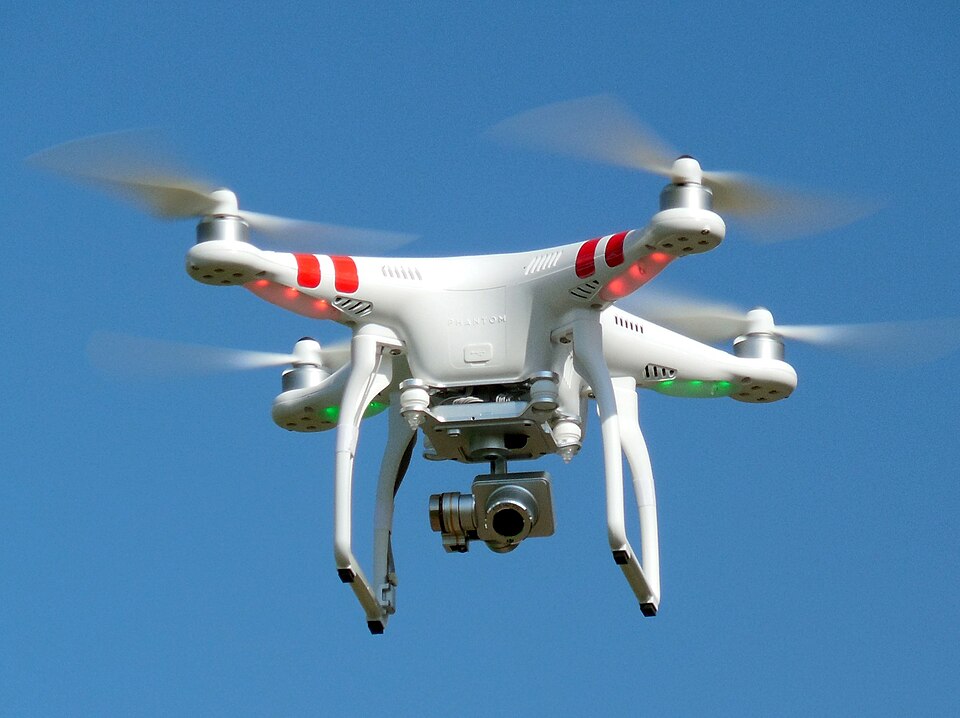
NATO has emphasized forward-deployed counter-UAV systems to offset saturation threats on the eastern flank by fielding mobile jammers, laser interceptors, and AI-enabled detection optimized for low-altitude, low-speed drones. Still markedly missing, however, is the mass production of low-cost, scalable drones in volumes that match those of adversaries-a gap that points to some of the key limitations of the procurement cycle in adapting to the tempos of real-world conflicts.
6. Israel-UAE Hermes 900 Partnership
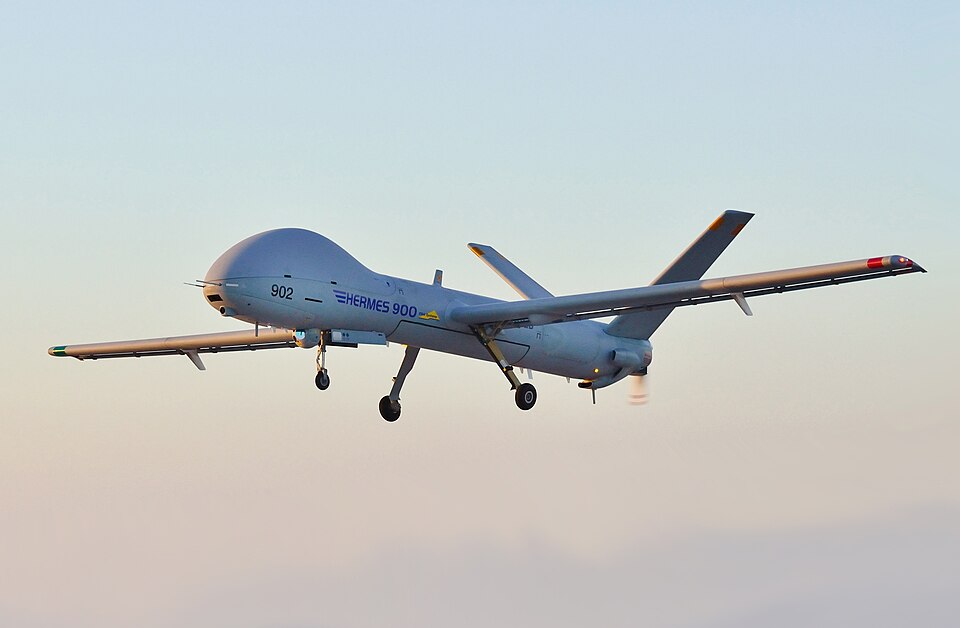
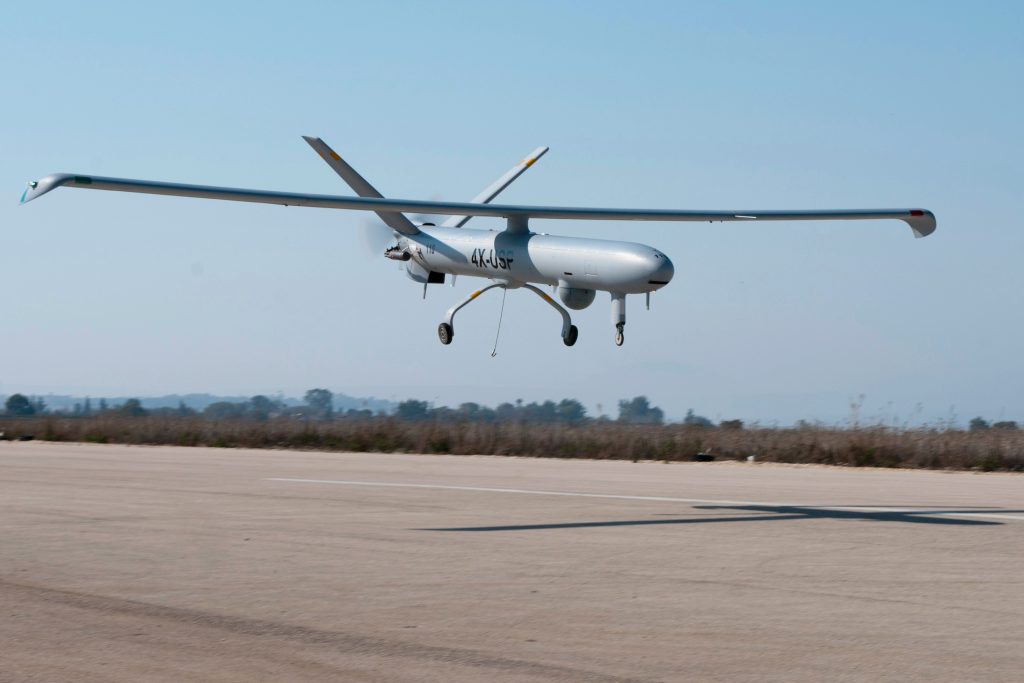
The proposed UAE acquisition of Israel’s Hermes 900 UAVs contemplates phased technology transfer and eventually domestic production by EDGE Group. Capable of payloads up to 660 pounds, at up to 30 hours’ endurance, the Hermes 900 provides reconnaissance, communications relay, and electronic warfare capabilities. This agreement is illustrative of how normalization agreements can graduate into defense‑industrial integration-a matter affecting Gulf security balances and offering an American-aligned but not American-dependent model.
7. Terrorist Drone and AI Integration
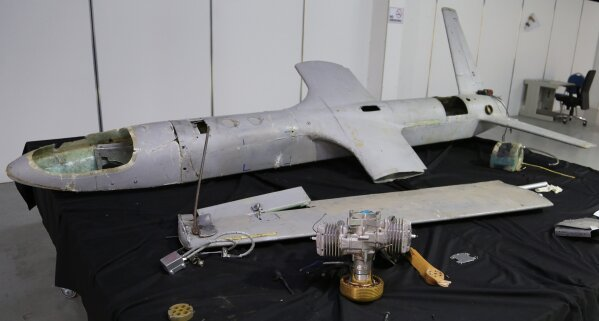
Iranian proxy groups, such as Hezbollah and the Houthis, have increased UAV usage. There have been 417 drone incidents in Yemen alone in the past 12 months. The introduction of AI is enabling the drones to run autonomous coordination of swarms, optimize strike vectors across terrain, and conduct better propaganda activities with deepfakes. Asymmetry doesn’t get much more striking than this: militant drones at $50,000 are forcing interceptions above $3 million-plus, straining state resources while disrupting shipping lanes and energy infrastructure.
8. Rapid Innovation and Counter‑Innovation Cycles
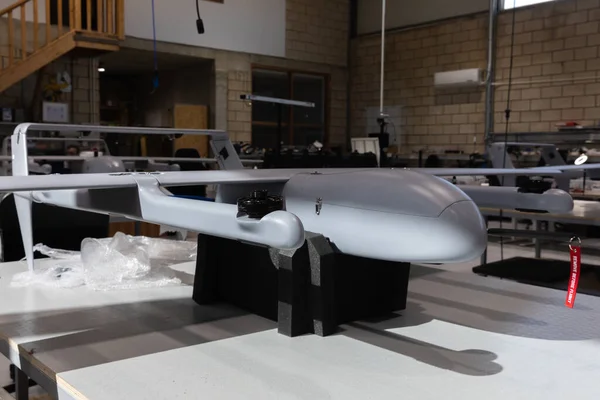
The technology on the battlefield in Ukraine is on a six‑week learning cycle: for every gain, from AI‑enabled terminal guidance to fiber‑optic control links, there is a countermeasure, such as jamming or directed‑energy weapons. It is an iterative race with modular designs and flexible production because the drones become obsolete in incredibly short spans, with no software or tactics updates.
9. Doctrinal Shifts Toward Network‑Centric Warfare
Drones represent the backbone of today’s reconnaissance‑strike complexes, which link ISR directly with artillery and other fires. Kill web architectures replace linear targeting, integrating UAVs with electromagnetic warfare, cyber operations, and space assets. This network‑centric approach bolsters resilience against attrition and demands multi‑domain defense doctrines that treat drones as central actors rather than adjuncts.
The global UAV race accelerates on multiple dimensions: scales of production, integration of AI, maritime innovation, and doctrinal transformation. The decisive advantage in this view indeed belongs to those capable of fielding advanced platforms and adapting them more quickly than adversaries can counter. Agility, integration, and ethical safeguards become as important as hardware in making unmanned systems a force multiplier without becoming a strategic liability in such an environment.


