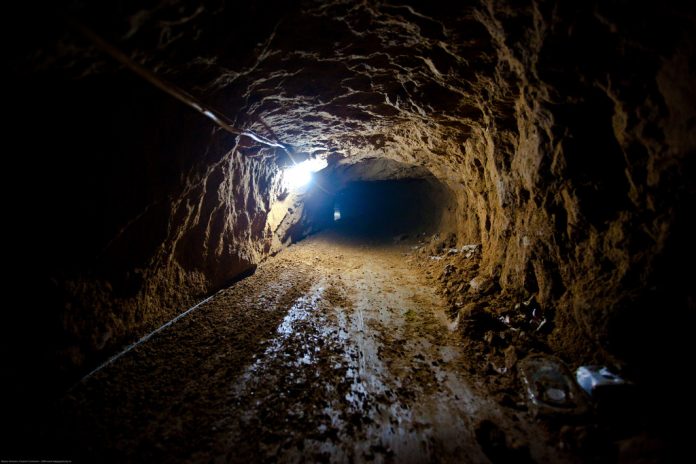
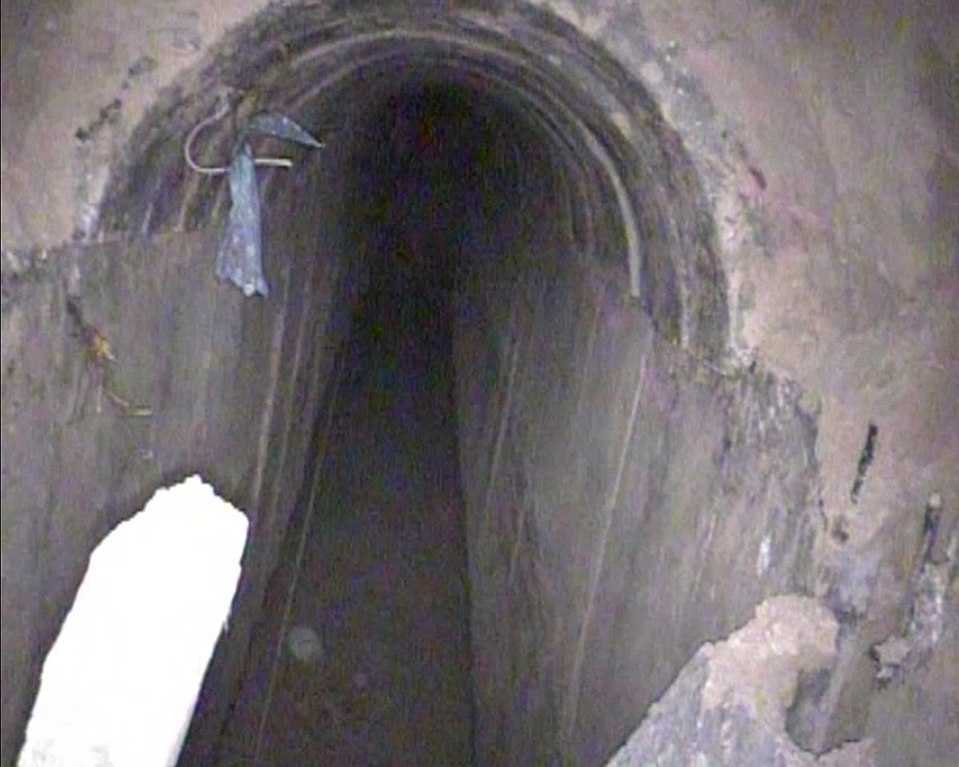
It is not often that a single engineering feat in warfare signals a possible turning point in a conflict. Yet the recent operation undertaken by Israel to dismantle Hamas’s seven-kilometer “root tunnel” beneath Rafah has been characterized by analysts as a strategic blow that could reshape the battlefield in Gaza. The 25-metre-deep underground labyrinth was made up of about 80 rooms, and it was more than just a passageway-a command hub, a weapons depot, and shelter for hundreds of fighters.
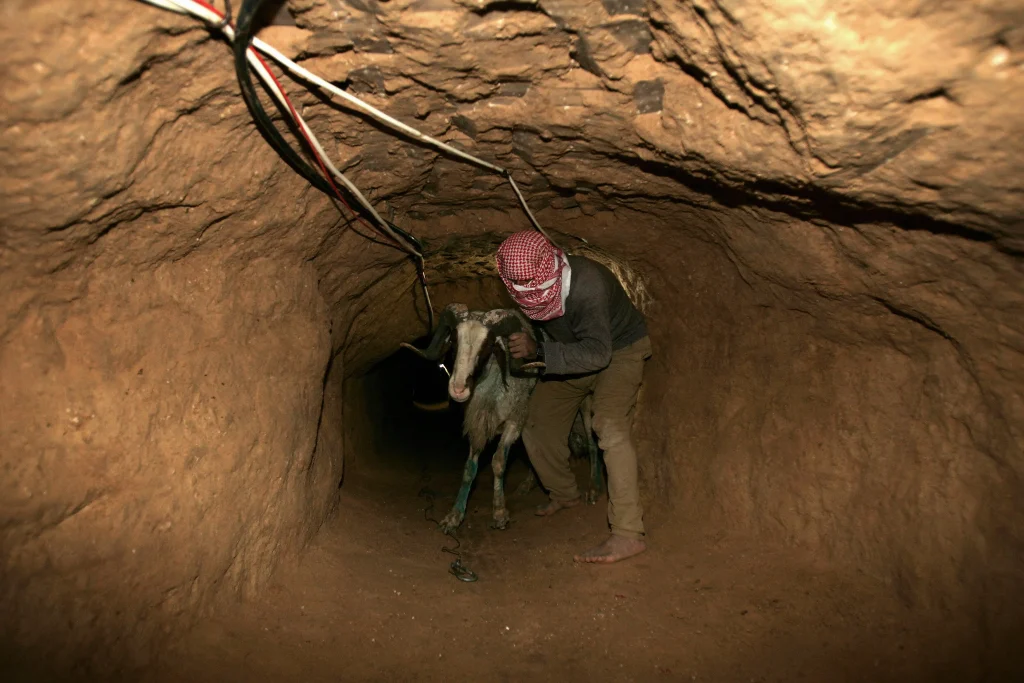
The underground network of Hamas, nicknamed the “Gaza Metro,” has for many years formed the backbone of its military strategy, allowing it to circumvent aerial surveillance, strike with surprise, and shield its leadership. Such destruction is not merely a tactical success but undermines the group’s coordination ability and thus its capability for extended resistance. The following listicle reflects on 10 key takeaways of the operation and the wider context of subterranean combat in Gaza, revealing the extent, expertise, and strategic ramifications of the war beneath the ground.
1. Scale and complexity of the root tunnel
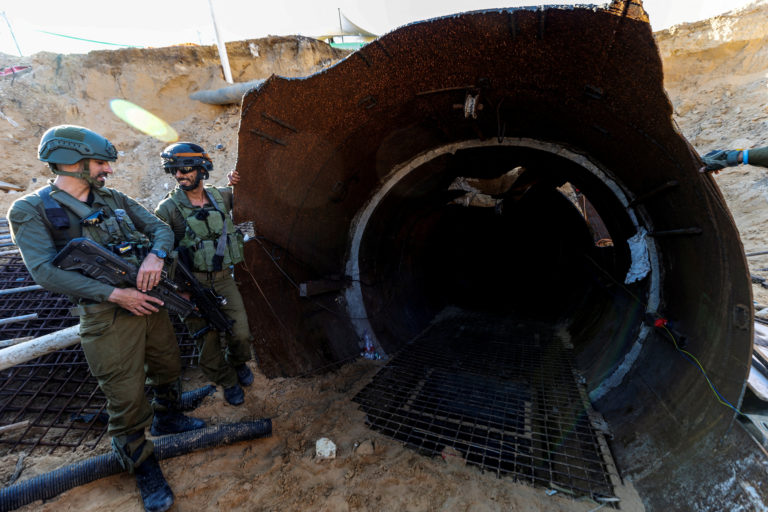
The dismantled Rafah tunnel was among the most sophisticated underground infrastructure of Hamas: over seven kilometers long and lined with concrete, it had roughly 80 rooms used as command centers, armories, and sleeping quarters. Israeli forces believe it was connected to the area where abducted officer Lt. Hadar Goldin was held during the 2014 war. Its depth-about 25 meters-put it beyond the reach of most conventional methods of detection, underlining another reason why such tunnels represent strategic infrastructure and not just tactical routes.
2. Extensive underground network in Gaza
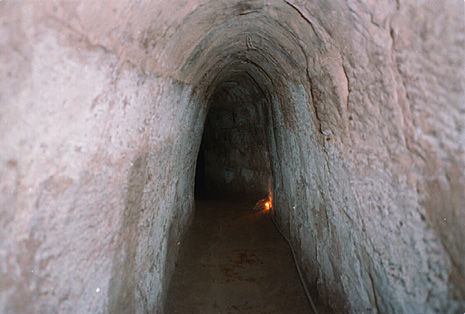
Estimates before the latest operations put the length of the tunnel system at anything from 300 to 500 kilometers, but now, after months of fighting, the IDF has revised that figure upwards to a length of between 350 and 450 miles, with 5,700 shafts, including tactical tunnels linking buildings, operational tunnels connecting brigades, and strategic tunnels serving the leadership and logistics. It is comparable in scale to historic tunnel systems, such as Vietnam’s Cu Chi network, but unlike those, it uniquely interlinks with dense civilian infrastructure, complicating military targeting.
3. Strategic Role in Hamas’s Warfare Doctrine
Not military conveniences, Hamas’s tunnels are central to this group’s political-military strategy. By locating its tunnels under civilian and protected sites, it aims to tie up Israel in operational dilemmas under international law. The tunnels would buy time for diplomatic pressure to stall Israeli offensives, by enabling mobility, surprise attacks, and prolonged resistance. As Prof Kobi Michael observed, since root tunnels lead smaller tactical routes, the tunnels also form the backbone of Hamas’s underground warfare system.
4. Investment in Engineering and Resources
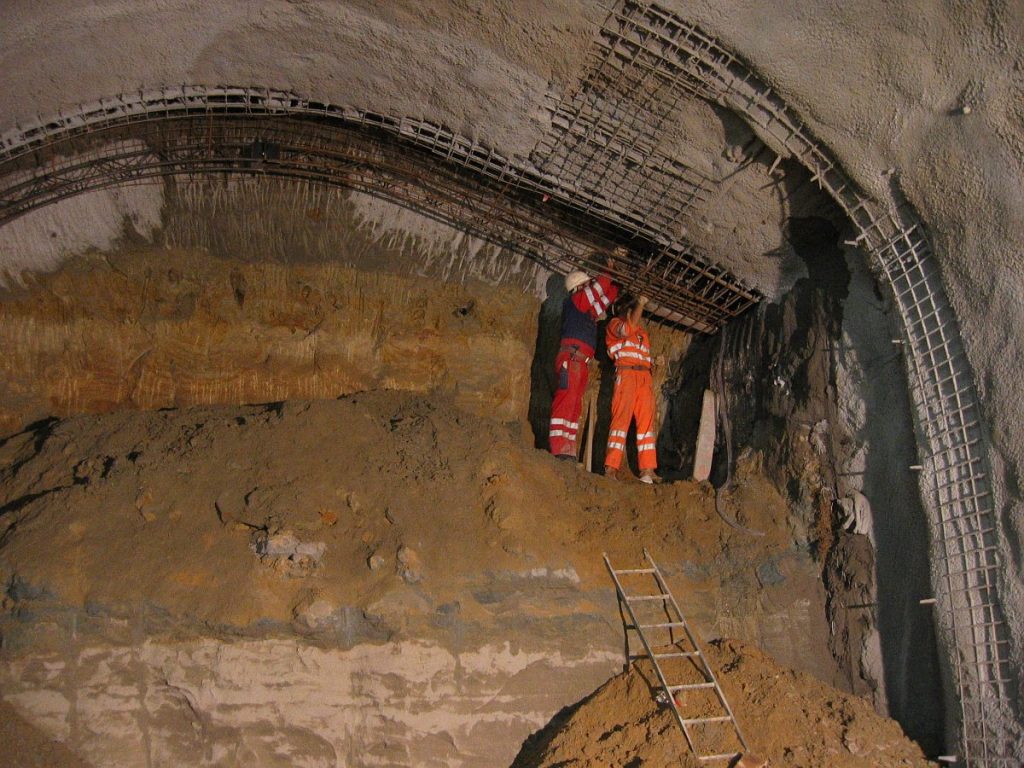
This kind of infrastructure is expensive to build. Estimates by various analysts put the cost of a standard tunnel at $275,000 a kilometer, with more sophisticated designs costing many times that. The network developed over more than 15 years by Hamas reportedly cost nearly $1 billion for thousands of tons of concrete and metals. A single root tunnel in Rafah likely cost millions of shekels in materials and labor-the reinforced blast doors, the ventilation and electrical systems all designed to protect against bombardment.
5. Detection Challenges
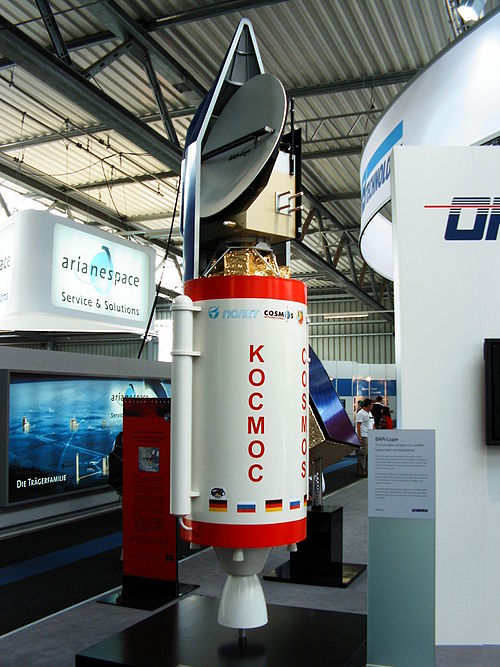
Locating tunnels deeply buried has been a long-standing problem. Generally, Ground Penetrating Radar is only effective to 15–20 meters, while some of Hamas’s tunnels reach as deep as 70–80 meters. The IDF uses seismic sensors, thermal imaging, satellite reconnaissance, and human intelligence, but entrances are often hidden inside civilian structures. The sandy soil in Gaza allows easier excavation, but it absorbs explosive force and reduces the effectiveness of demolition charges.
6. IDF’s Specialized Counter-Tunnel Units
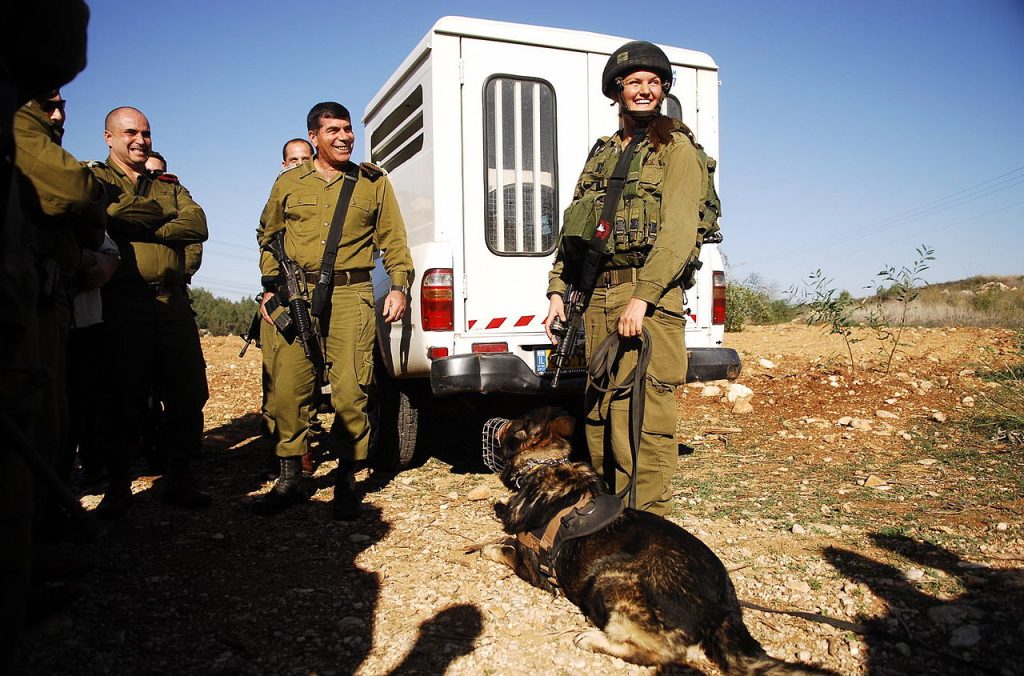
Israel stands out in the context of being the only country to maintain a brigade-sized formation for subterranean combat. The Yahalom unit, combined with the Oketz dog unit, trains and equips for the purposes of detection, mapping, and clearance. These forces draw upon drones, unmanned ground vehicles, and special breathing and navigation gear. Lessons from operations have pushed tunnel identification skills down to regular infantry, hastening responses and reducing false positives.
7. Tactical Adaptations in Combat
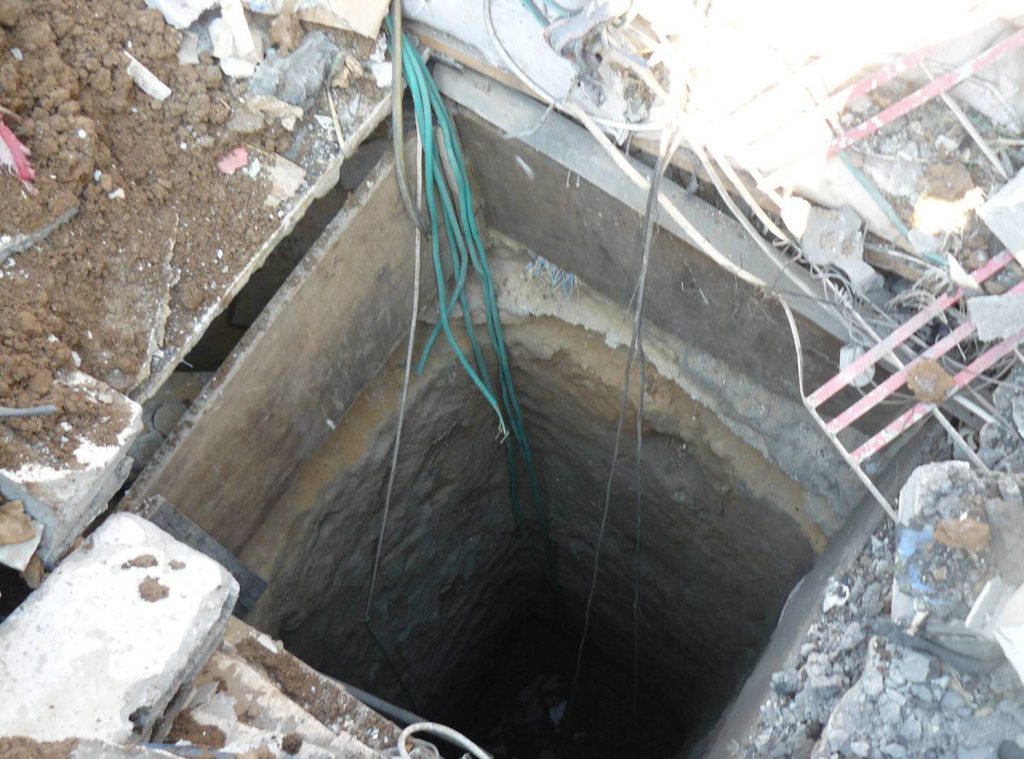
Early in the Gaza campaign, the IDF avoided entering uncleared tunnels. Units adapted over time, and commanders such as Brig. Gen. Dan Goldfus integrated simultaneous above-and belowground maneuvers. His division made covert tunnel entries to surprise defenders, using Hamas’s own infrastructure as maneuver corridors for Israeli forces in one of the rare instances of offensive subterranean warfare in modern conflict.
8. Methods of Tunnel Neutralization
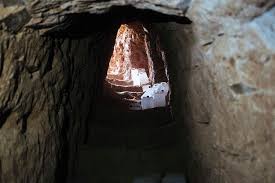
It is extremely labour-intensive to destroy tunnels: either by laying explosives along its length, injecting liquid TNT, or applying bunker-busting munitions. Seawater flooding has not worked because the concrete is porous and drainage systems exist. In other cases, the IDF has used captured Hamas explosives to supplement its own stocks. Of course, there are so many of them that Israel has to be selective, focusing operations on those with strategic value, such as cross-border routes and command centres.
9. Architectural and Technological Countermeasures
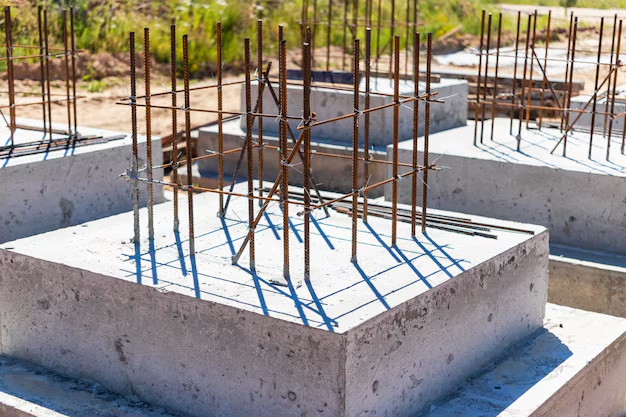
Other long-term preventative measures beyond battlefield tactics involve proposals for deep reinforced foundations in sensitive areas, bio-root barriers from deep-growing plants, and chemical soil treatments to impede digging. Detection could be enhanced with machine learning algorithms analyzing seismic data, while bioengineered microbes or fungi that degrade tunnel linings over time could be used in destruction.

10. Strategic Implications of the Rafah Operation
Some analysts have described the demolition of the root tunnel as a blow to Hamas’s operational coherence. It induces disjointed command and control, disrupts logistics, and reduces mobility within tactical zones. The effects do not appear to be decisive on their own; such actions cumulatively gnaw away at the utility of the underground network. But analysts also caution that Hamas is ideologically resilient, and that even severe infrastructure losses are unlikely to end its asymmetric warfare capacity.
The destruction of the Rafah root tunnel underlines the shifting landscape of conflict in Gaza, where battles are as much beneath the surface as above it. Success for Israel will come in melding tactical innovation, technological advance, and strategic prioritization to dismantle a network that has long guarded Hamas against decisive defeat. For military analysts, the operation presents a rare, detailed view of how engineering, strategy, and geopolitics intersect in one of the world’s most complicated combat zones.


