

“We see you. We know what you’re doing.” With that, UK Defence Secretary John Healey underlined a tense maritime standoff that’s taken on new urgency. In mid-November, volunteer divers off the Welsh coast recovered what defence experts believe to be a Russian RGB-1A sonobuoy – a specialized acoustic sensor used to track submarines. The find came in the same week the Russian vessel Yantar was accused of targeting Royal Air Force pilots with lasers.
All this has combined to raise serious concerns about undersea surveillance, clandestine operations, and overall vulnerability of key maritime infrastructure. What the discovery does for naval analysts and security observers is afford a rare look at the tools and tactics of modern undersea intelligence gathering. Following is a rundown of nine key takeaways from the incident and its wider strategic context.

1. Discovery within a Marine Protected Area
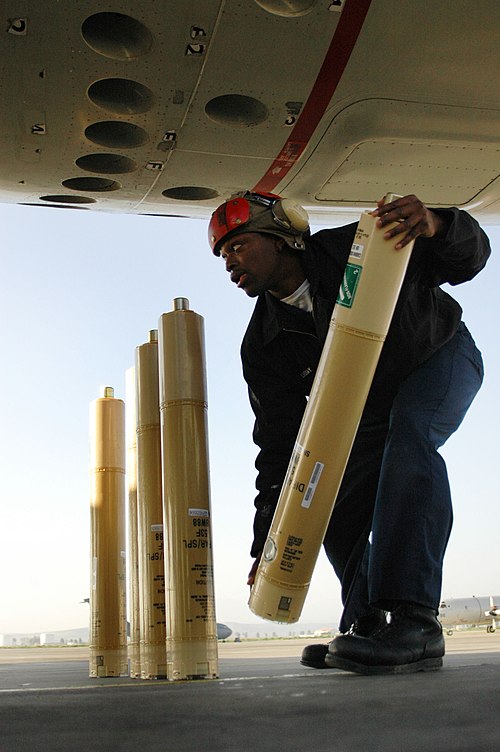
It was recovered by divers from Neptune’s Army of Rubbish Cleaners on 15 November during a routine litter-removal dive in the Skomer Marine Conservation Zone, off Wooltack Point in Pembrokeshire. The cylindrical device had initially been mistaken for a navigational marker but closer inspection revealed features consistent with a sonobuoy. Wedged in a rocky gulley, it needed a lifting bag to bring it to the surface. Measuring about 120cm in length and weighing 15kg, it was described as “battered” but largely intact.
2. Identification as Russian RGB-1A Sonobuoy
Independent defence analysts were “confident” that this was an imploded Russian RGB-1A sonobuoy, normally deployed from Tu-142M long-range maritime patrol aircraft. Dr Andy Scollick, a strategic defense consultant, confirmed that it had three vertically aligned hydrophones and implosion damage consistent with deep-water deployment. The missing orange sleeve, normally marked with a serial number, further matched known examples recovered in other regions.

3. Links to Previous Finds
Similar devices have been reported in Cornwall and the Republic of Ireland in 2021, and more recently in Lithuania and in Russia’s Novosibirsky region. The analysts point to a relative lack of marine growth on these finds as evidence that they likely were deployed recently, rather than being remnants from exercises several decades old.
4. What Sonobuoys Do
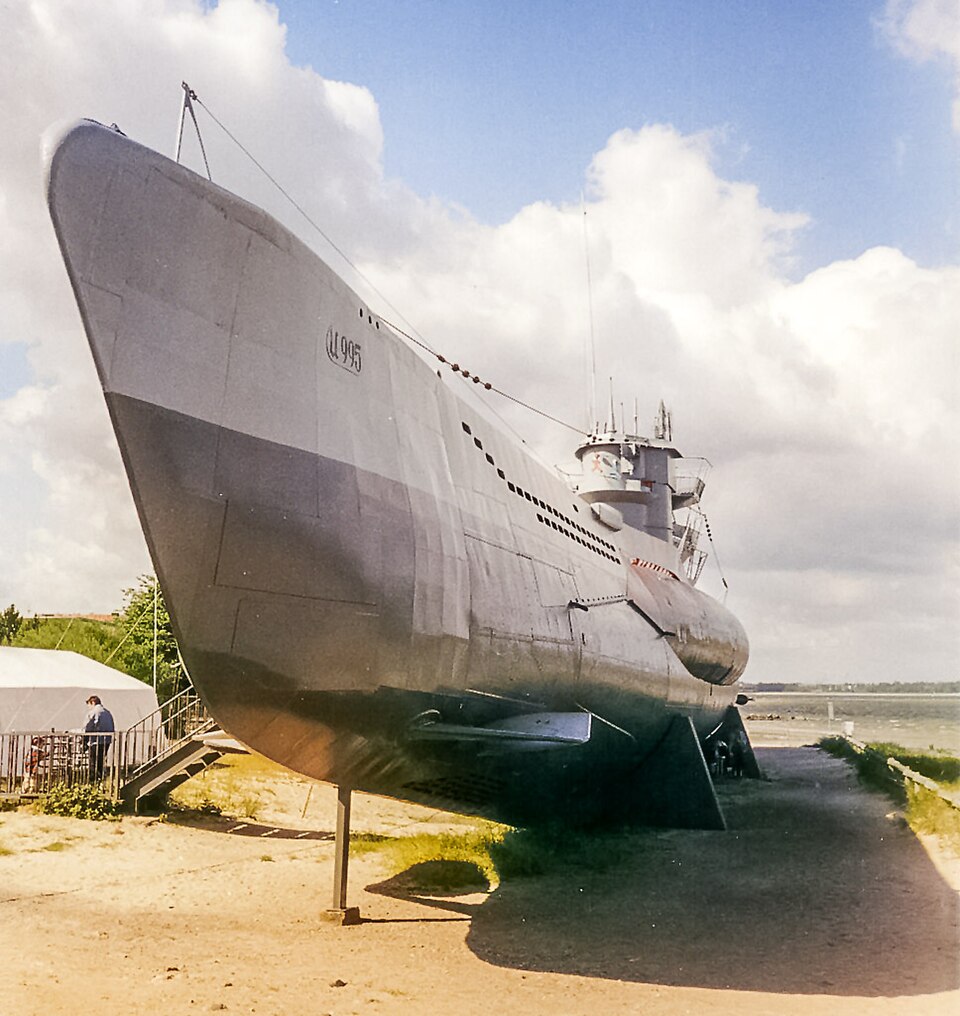
The sonobuoy is an instrument that fuses sonar with buoy technologies in the detection of underwater objects. Some work in a passive fashion, simply listening for acoustic signatures; others are active emitters of sound pulses that analyze echoes. Since neither radio nor GPS signals can easily penetrate seawater, sonobuoys have the very important function of relaying data from detection back to the aircraft or ships concerned. First used during the Second World War in locating German U-boats, they remain central to submarine tracking and were employed in the 2023 Titan submersible search.
5. Safety Protocols in Civilian Encounter
Authorities emphasize that members of the public must never touch or move any suspected sonobuoy – due to the possible hazardous materials. The normal advice in such cases is to dial 999 and ask for the coastguard. NARC did the right thing on this occasion, getting in touch with a former Royal Navy contact who suggested reporting the find to HM Coastguard, who merely logged the incident and no search-and-rescue response was mounted.
6. The Yantar Connection
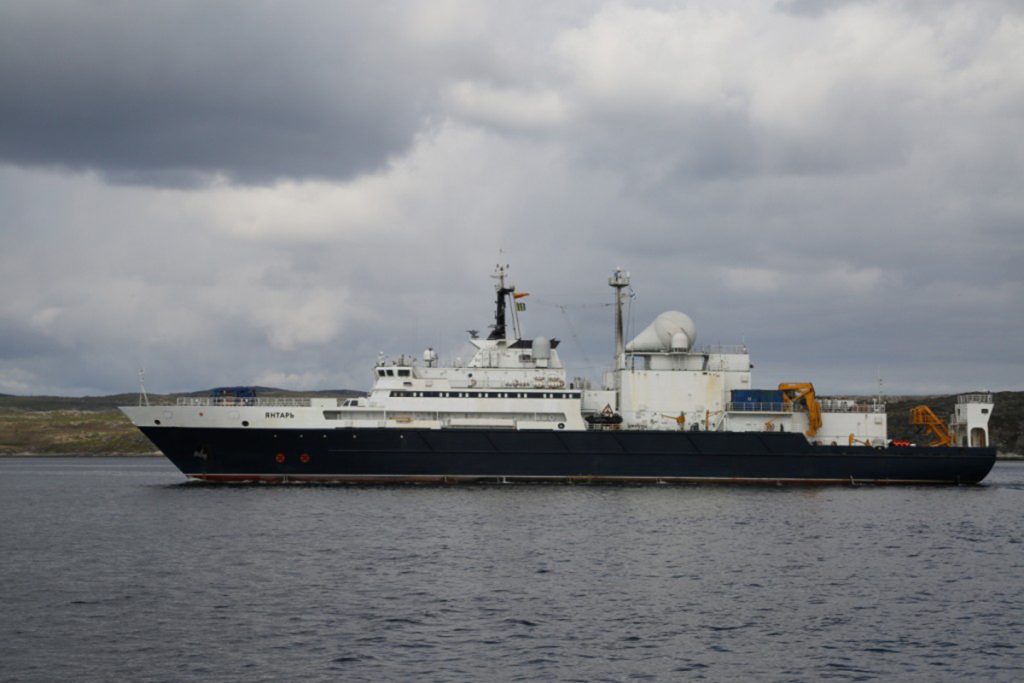
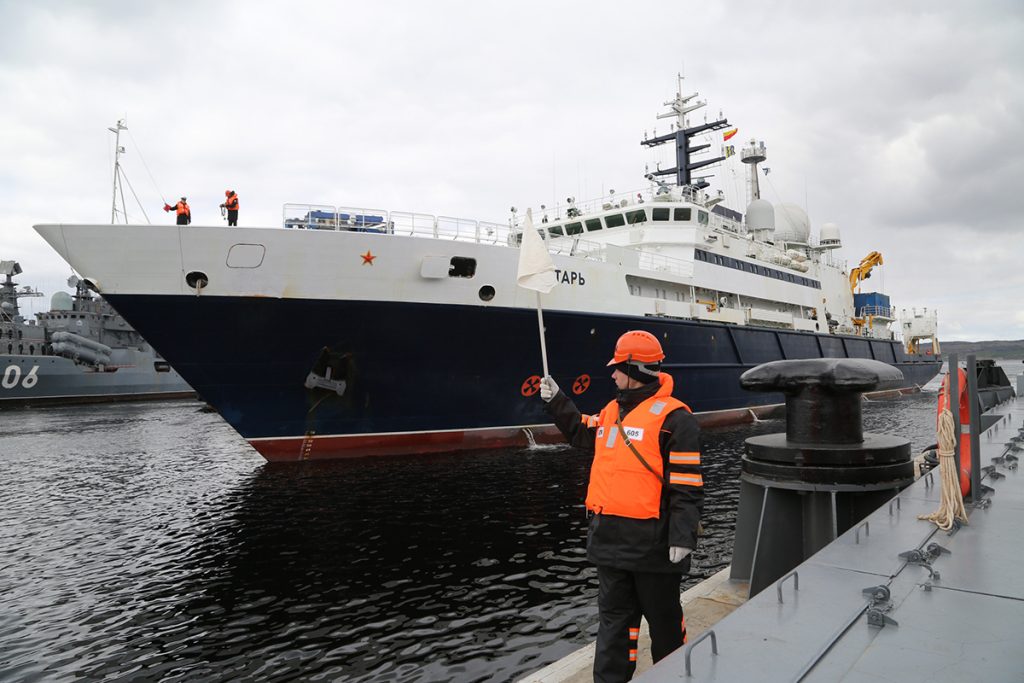
The discovery came on the same day Defence Secretary Healey confirmed the Russian vessel Yantar had been operating on the edge of UK waters. Officially, Moscow describes the Yantar as an oceanographic research vessel, but it is widely suspected of mapping undersea cables around Britain – infrastructure carrying more than 90 per cent of the nation’s data, including billions in financial transactions. NATO considers such cables to be key infrastructure, and possible targets for sabotage.

7. Laser Incidents Against RAF Patrols
In a marked escalation, RAF Poseidon P-8 patrol pilots tracking Yantar reported being targeted with lasers. Healey described the action as “deeply dangerous” and confirmed that Royal Navy rules of engagement had been changed to allow closer monitoring. This is the first known use of lasers by Yantar against British aircraft and heightens concerns about deliberate disruption of surveillance operations.
8. Capabilities of Yantar
Yantar is part of Russia’s Main Directorate for Deep Sea Research, or GUGI, and is capable of deploying remotely operated submersibles that can dive down several thousand metres. They can map, tap, or cut undersea cables and pipelines. Retired Royal Navy Commander Tom Sharpe has warned such cables carry up to $7 trillion in daily financial transactions between the UK and the US, making them strategic pressure points.
9. More Russian Naval Activity
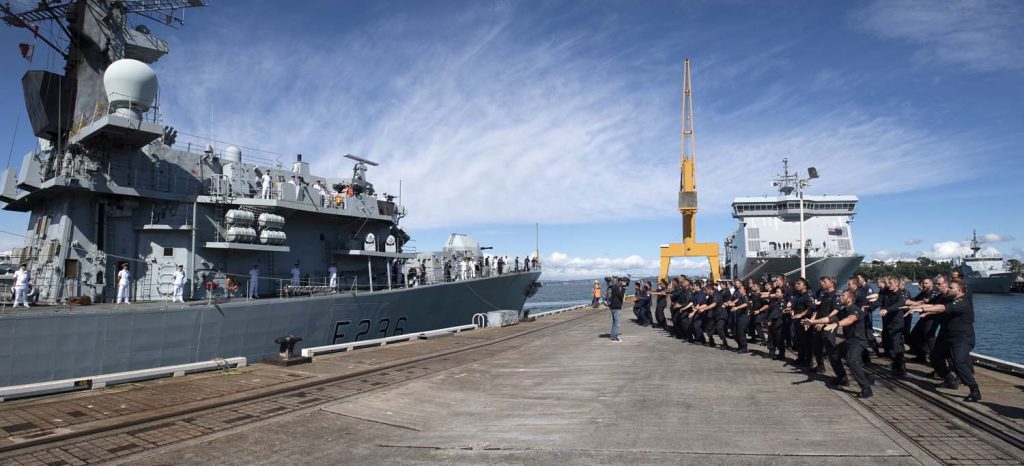
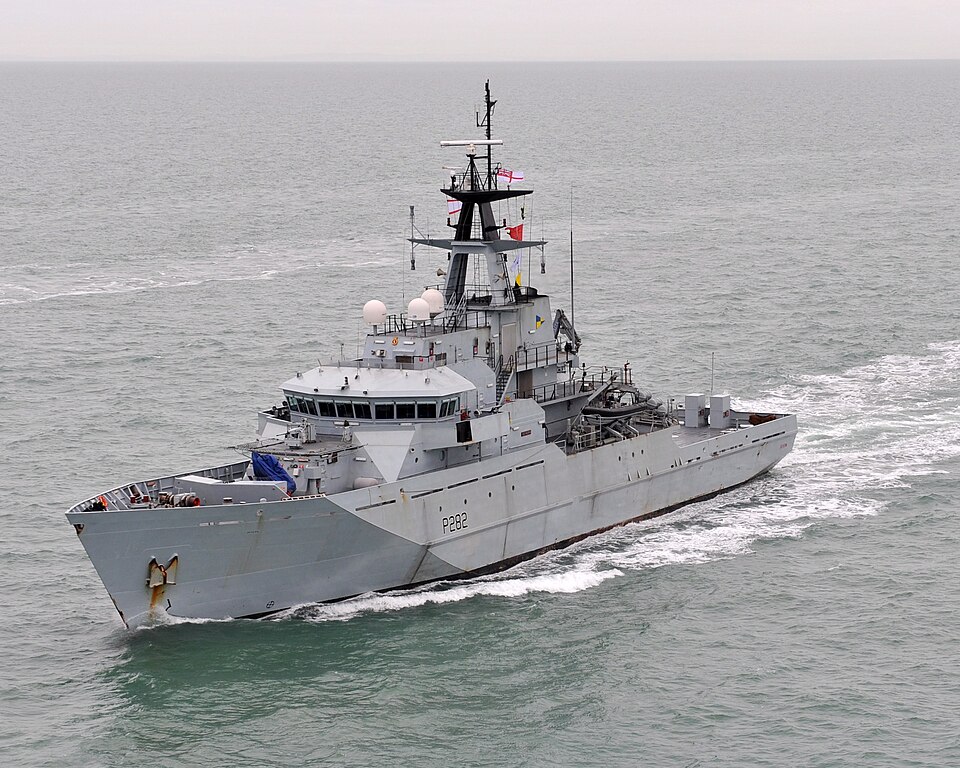
The sonobuoy find comes amidst a 30 percent rise in Russian naval activity around UK waters over the past two years. Recent interceptions include HMS Severn shadowing the corvette RFN Stoikiy and tanker Yelnya through the English Channel. Britain has also deployed Poseidon aircraft to Iceland as part of NATO patrols in the North Atlantic and Arctic.
The recovery of a suspected Russian sonobuoy off the Welsh coast is more than an isolated curiosity; it is a tangible reminder of the contested nature of the UK’s maritime domain. Coupled with the Yantar’s provocative presence and laser targeting of RAF patrols, the incident underlines the strategic significance of undersea surveillance and vulnerabilities of critical infrastructure. The message to the defence planners is clear: the battle for situational awareness beneath the waves is heating up, and vigilance must match capability.


