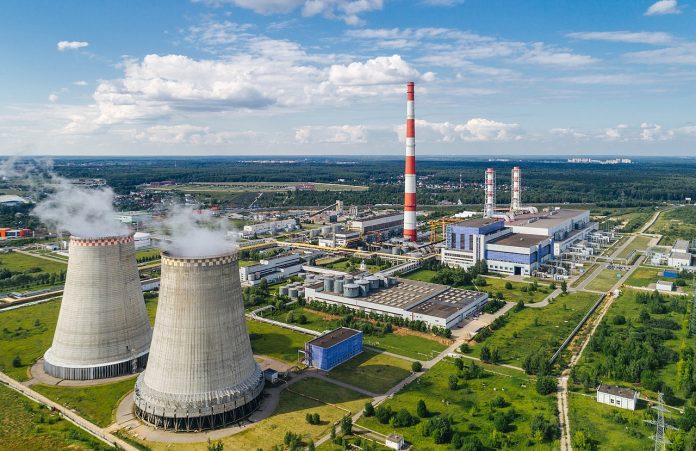
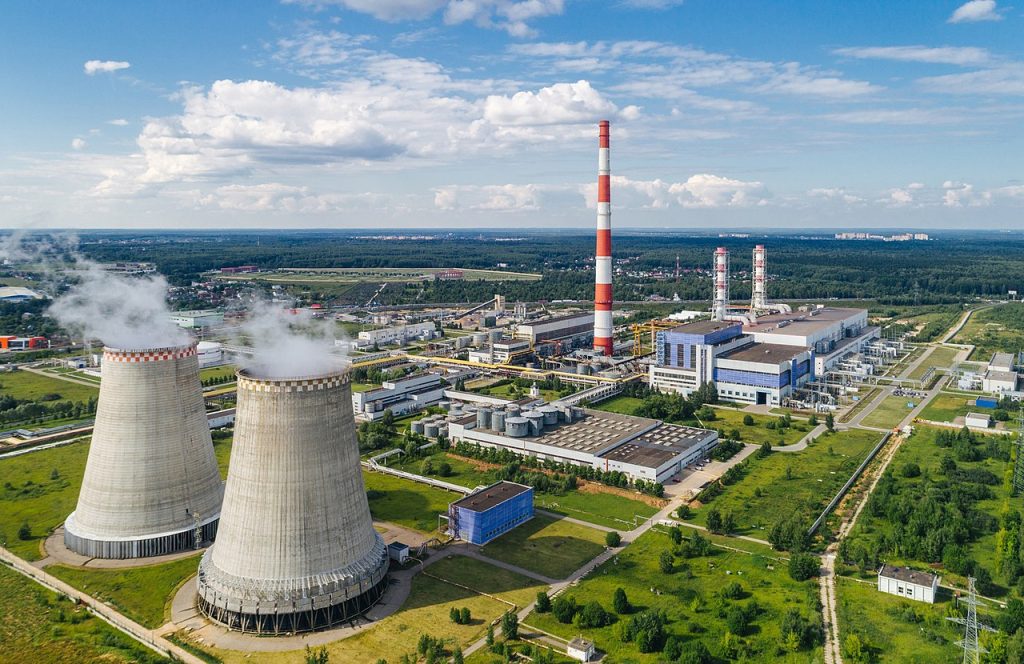
“Energy is the battlefield no one sees until the lights go out.” That observation-which predates this conflict by many years-has rarely felt more apt than now. A Ukrainian drone strike that recently hit Shatura Thermal Power Plant-Moscow’s largest-demonstrated just how deep-strike capabilities shape the war far from the line of contact.
The attack, which sparked fires in transformer halls and destroyed key equipment, made very real a growing reality: energy infrastructure has become at once a target and a weapon. To defense analysts and conflict watchers, the strike offers a window into shifting tactics, vulnerabilities, and strategic pressure points that define this phase of the conflict.
1. A Strike on Moscow’s Largest Thermal Power Plant
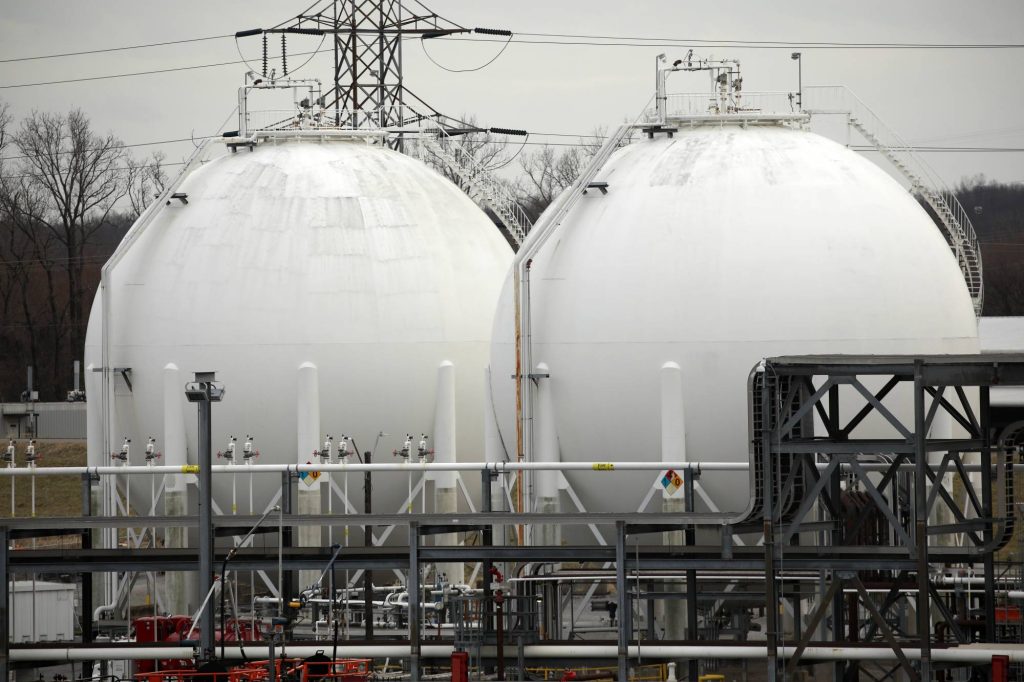
The Shatura TPP is a cornerstone of the region’s power grid, located about 120 kilometers from Moscow. Built in the 1920s and repeatedly modernized, it provides over 20 percent of regional electricity generation and thus is a strategic asset. The recent expansion brought the capacity to 1,500 MW, placing it as the most powerful thermal plant in the region. Verified footage from Ukrainian and independent OSINT groups showed fires in transformer halls, with emergency crews working to contain the damage.
While some of the drones were intercepted, authorities said, others reached the site a reminder of deep-seated gaps even in Russia’s layered air defense around the capital. Early estimates are incomplete because several power units were already offline for repairs, complicating estimates of how much generation capacity was affected.
2. Target most sensitive equipment on the plant.
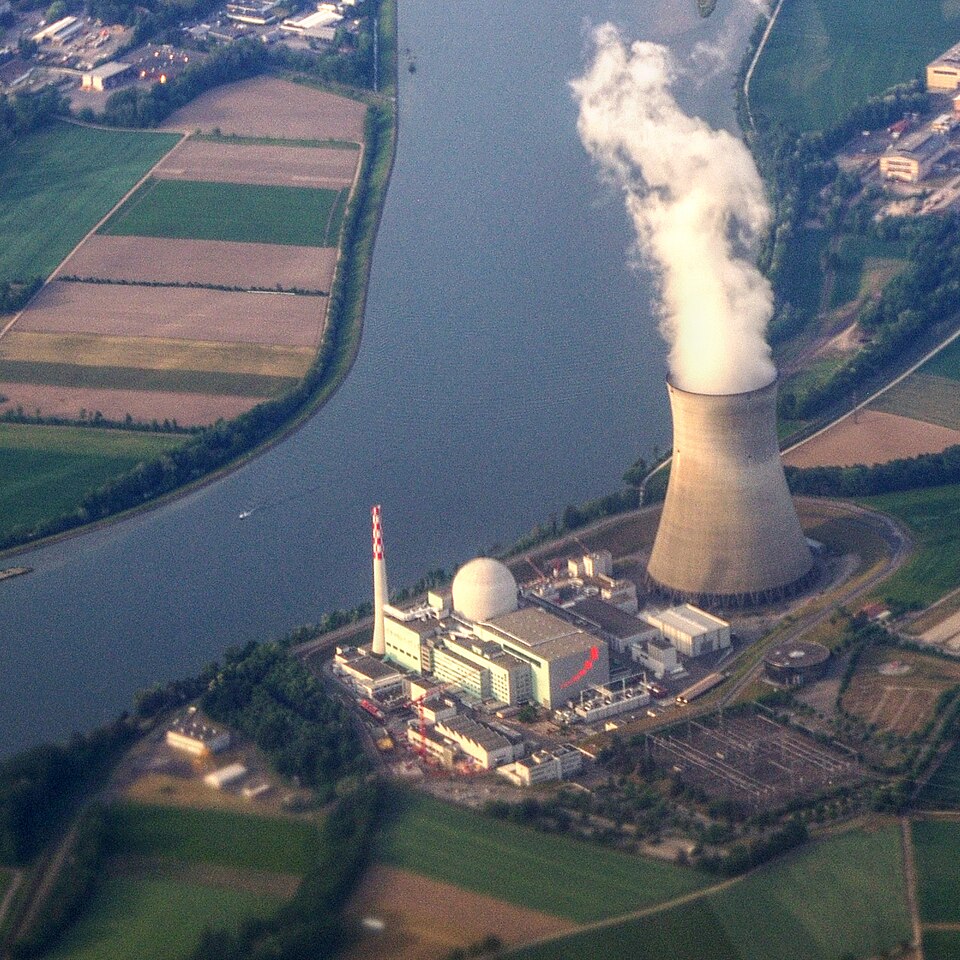
Reference reporting indicated that **four to five drones hit oil‑filled transformers**, which serve as the grid’s interface between plant output and the wider power network. A strike on these components is uniquely disruptive because transformers are large, expensive and slow to replace.
One of Shatura’s most efficient units-its 400‑MW combined‑cycle gas turbine installed in 2010-is built around a US-made turbine. As noted in the sanctions restrictions on replacement parts, repairing such a unit amid export controls could prove extremely hard. This vulnerability helps illustrate why Ukraine’s deep-strike campaign is increasingly focused on equipment that Russia cannot easily rebuild.
3. The Strike Fits Ukraine’s Expanding Deep‑Range Drone Strategy
Ukraine’s growing fleet of long-range drones has pushed the geographic boundaries of the war. According to the Associated Press, Ukrainian drones now reach targets up to 1,000 kilometers away, a leap from earlier operational ranges.
This campaign has already hit **16 Russian refineries**, representing about **38 percent of nominal refining capacity**, according to a review by the Carnegie Endowment. Though many of the facilities resumed operations comparatively quickly, analysts have noted that repeated strikes force costly repairs, disrupt supply chains and stretch Russia’s air defenses.
Lt. Gen. Vasyl Maliuk said Ukrainian forces had carried out “more than 160 successful strikes” on Russian oil infrastructure this year, a sign of how systematic the campaign has become.

4. Shaping Russia’s Domestic Energy Landscape
Ukraine’s deep-strike operations have contributed to fuel shortages inside Russia, in particular in southwestern areas. The President of Ukraine, Volodymyr Zelenskyy, said that Russia “lost up to 20% of their gasoline supply directly as a result of our strikes.”
These shortages come amid spikes in domestic demand and refinery outages across Russia. Data from market analysis groups shows that refinery downtime reached nearly **2.0 million barrels per day** in September, driven in part by Ukrainian attacks on critical refinery units.
The cumulative effect has been rising retail fuel prices, rationing in multiple regions, and an emergency ban on gasoline exports-evidence that Ukraine’s energy-focused campaign is imposing economic pressure far beyond the tactical outcomes.
5. Russia’s Air Defense Strain near the Capital
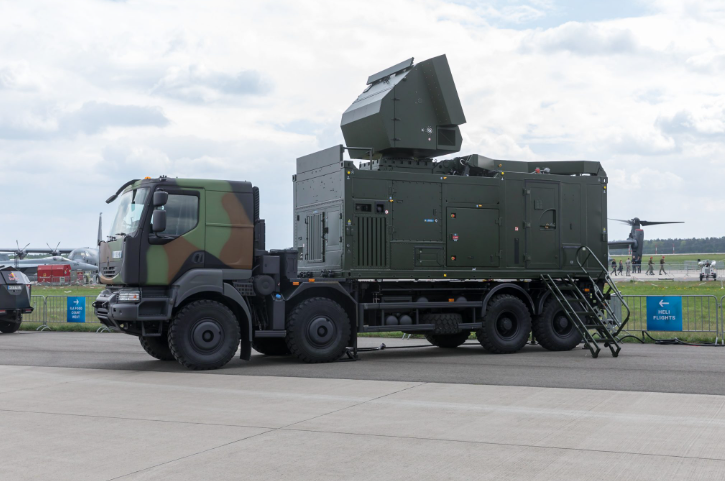
Russian officials claimed that two drones were intercepted over the Moscow region during the Shatura incident, but the strike itself showed that even Moscow’s air defense belt can be penetrated. In the days prior, residents reported explosions, power outages, and airport disruptions near the capital.
On the same day, the Russian Ministry of Defense also reported shooting down **75 unidentified drones** across multiple regions. The volume reflects how Ukraine is testing Russia’s capacity to defend wide areas simultaneously. The need to cover refineries, depots, naval areas, airfields and now deep‑interior power stations is forcing Russia to redistribute assets previously grouped around key cities.

6. A War Defined Increasingly by Energy Infrastructure
Repeated attacks on Ukrainian substations, nuclear‑linked grid nodes and distribution networks have illustrated how both sides have come to see electricity as a strategic pressure lever. Analysts called it an “energy war within the war,” where each side seeks to degrade the other’s capability to maintain industrial output, troop mobility and civilian resilience.
The strike against Shatura reflected the same logic as earlier attacks: take critical generating capacity offline to slow repairs, deepen outages and create political friction. For Moscow, the attack was a reminder that its own grid faces similar vulnerabilities, even far from the front lines. This convergence is reshaping how military planners think about peacetime grid resilience and wartime continuity of operations.

7. High‑Value Transformers: A Known Global Weak Point
The events at Shatura threw into sharp relief what had long been a concern for power engineers and defense planners: transformers are extremely difficult to defend and replace. The units contain flammable insulating oil and operate under the high electrical stress, said industry analyses, which made them prone to fire. And to make matters worse, supply chain delays further exacerbate the problem.
Large power transformers often take from **12 to 24 months for procurement**, and disruptions can lead to cascading failures within a grid. The strike showed how such targeted hits on these units can cause an operational disruption disproportionate to the number of drones used. The attack reinforces the need for redundant transformers, improved shielding and hardened substations for countries observing the conflict.
8. Escalation in Timing and Intent
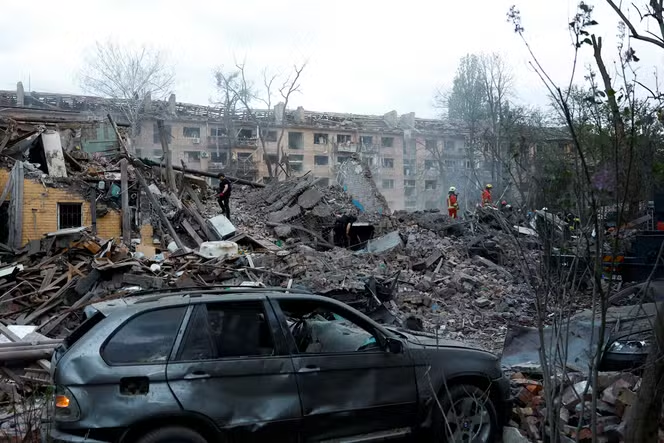
The Shatura strike took place as Russia stepped up its own attacks on Ukraine’s power plants. At the beginning of October, Russia launched what officials in Kyiv called the **largest air attack since February 2022**, badly damaging several thermal plants and leaving hundreds of thousands with no electricity.
This reciprocal escalation indicates that both sides are setting up energy supply as a winter battlefield where the disruption may have strategic effects greater than those of gains in territory. Ukraine’s decision to hit a major plant near Moscow suggests a willingness to raise costs during the critical heating season. As winter sets in, planners on both sides prepare for higher‑risk operations as each attempts to impose sustained, compounding pressure on the other’s energy grid.
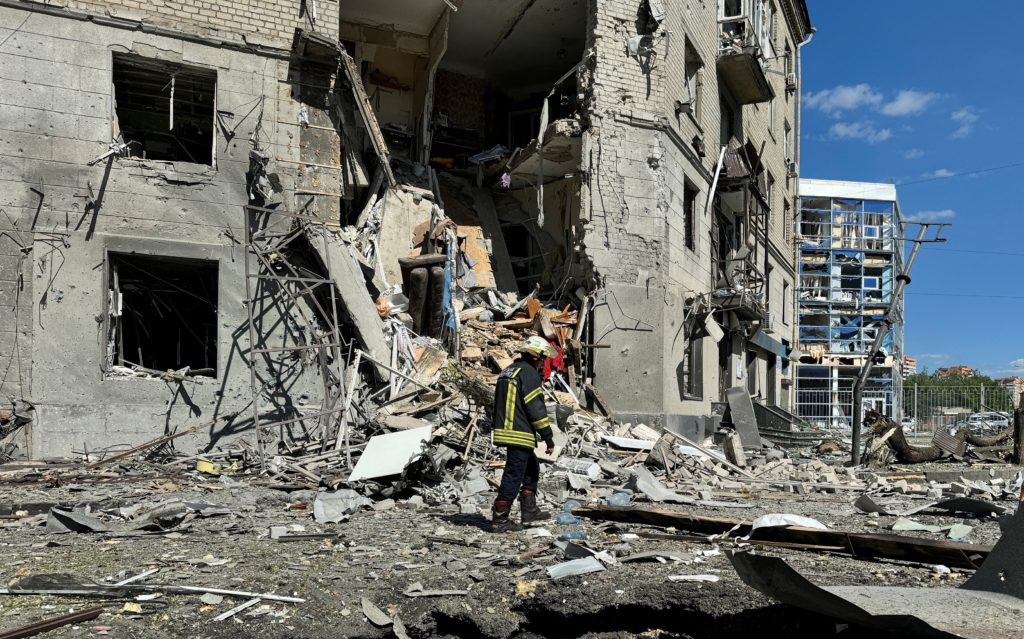
The Shatura strike is not just one successful strike; it represents the change in the character of war, now increasingly defined by long-range precision attacks, grid vulnerabilities, and the strategic value of energy infrastructure. As both sides scale up their campaigns, the lessons of Shatura will frame how militaries, governments, and energy sectors think about resilience in a conflict in which megawatts matter as much as manpower.


