Is NATO’s eastern flank about to become the most fortified stretch of allied territory in Europe? Recent Polish defense procurements suggest that possibility is closer than ever. Over the last year, Warsaw has moved with unprecedented speed to modernize its air, missile, and anti-drone capabilities-an unmistakable signal to both allies and adversaries that it intends to be the backbone of NATO’s forward defense.
The push comes in the wake of a significant surge in violations of Russian airspace, including swarms of low-cost drones probing Polish defenses and even targeting critical NATO logistics hubs. Such incursions have exposed weaknesses in the alliance’s air defense posture and accelerated the pace of introduction of new technologies. From advanced AIM-9X Sidewinder missiles to compact AI-driven anti-drone systems, Poland is layering its defenses in a way that blends high-end fighter capability with cost-effective countermeasures.
The following list examines nine key elements of the rapidly evolving defense architecture in Poland, each a strategic investment to deter aggression and close capability gaps with the aim of ensuring that NATO’s eastern flank will remain secure under the most demanding conditions.
1. Expanded AIM-9X Block II Missile Buy
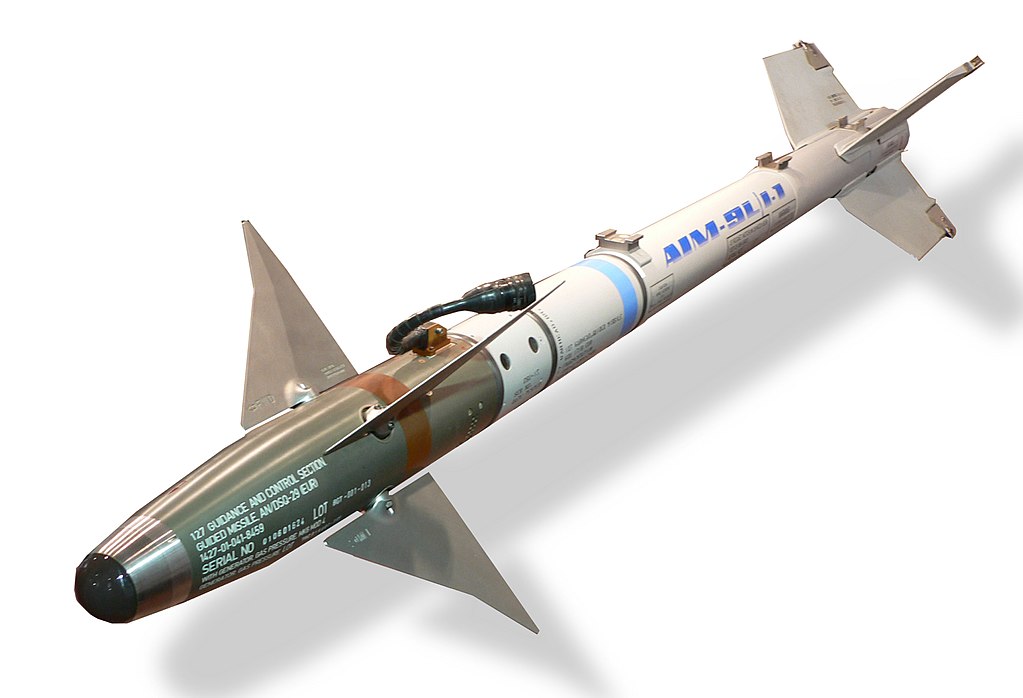
The addition of 120 AIM-9X Block II Sidewinder missiles by Poland to the existing order significantly enhances its short-range air combat capability. The $100.1 million expansion brings the value of the total package to $319.2 million, reflecting the urgency placed on strengthening NATO’s eastern defenses.
The AIM-9X Block II is among the most advanced infrared-guided missiles in service, with high off-boresight targeting and robust resistance to countermeasures. Its integration into Poland’s F-16s and the incoming F-35s sets up a layered air-to-air engagement envelope able to deal with manned and unmanned threats. As the DSCA of the Pentagon explained, the sale “will support the foreign policy and national security objectives of the United States by improving the security of a NATO Ally.”
2. Merops Anti-Drone Systems on the Front Line
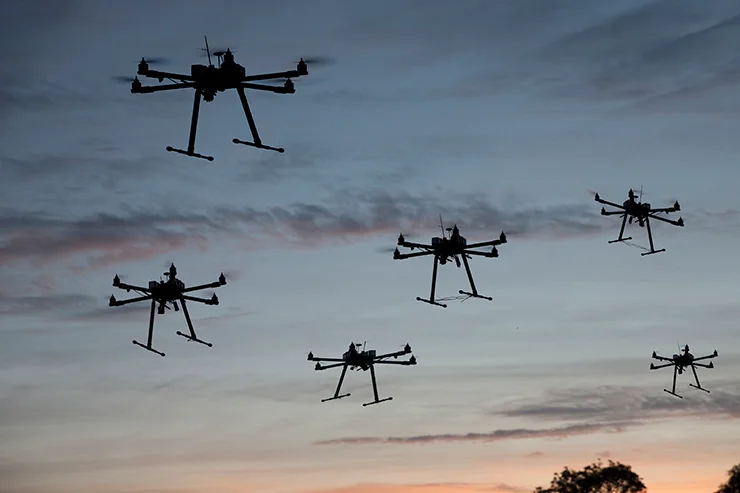
The appearance in Poland of U.S.-supplied Merops anti-drone systems marks a turning point in countering low-cost aerial incursions. Merops is small enough to be fitted into a mid-size pickup truck. It uses AI navigation and can operate even under GPS and communications jamming-a critical feature against sophisticated adversaries.
The system provides “very accurate detection” and can neutralize drones “at a low cost as well… a lot cheaper than flying an F-35 into the air to take them down with a missile,” according to Col. Mark McLellan of NATO Allied Land Command. That cost-effectiveness is crucial as drone incursions grow in frequency and diversity, from plywood-and-Styrofoam swarms to jet-powered reconnaissance platforms.
3. Lessons from September’s Drone Swarm
All that changed on September 9–10, when upwards of two dozen Russian drones breached Polish airspace. Several drones appeared to be homing in on Rzeszów-Jasionka Airport, a key NATO logistical node, in what the Polish Prime Minister Donald Tusk termed a “large-scale provocation.”
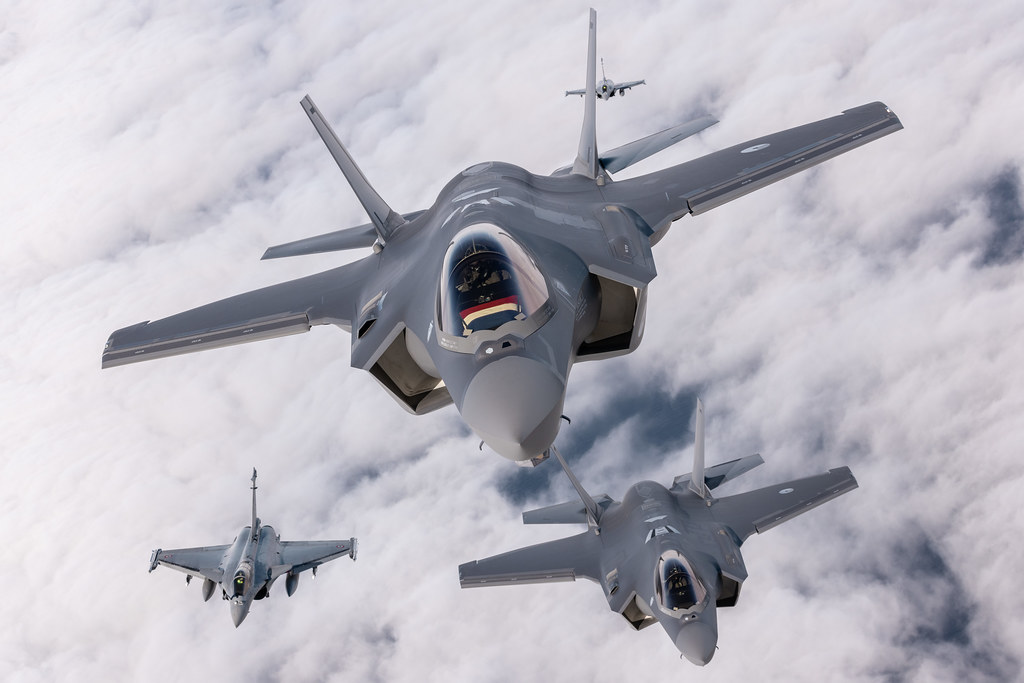
The incident thus triggered NATO’s Eastern Sentry posture, with the mobilization of Polish F-16s, Dutch F-35s, German Patriot batteries, and Italian AWACS aircraft. It underlined a dangerous imbalance, too: multimillion-dollar interceptors had been used against drones whose cost, in some cases, was as low as €10,000. This dynamic has driven urgent investment in cost-efficient counter-UAS systems like Merops and spurred discussions on high-energy laser integration.

4. $1.85 Billion F-35 Sustainment Package
The United States in August approved a possible $1.85 billion Foreign Military Sale to continue sustaining the fleet of F-35s in Poland. Logistics, software support, and lifecycle maintenance will be part of the package with General Electric Aerospace as the lead contractor.
This sustainment framework will ensure that Poland’s fifth-generation fighters remain fully interoperable with NATO’s integrated air and missile defense systems. This also represents an enduring U.S. commitment to maintaining Poland’s air combat capabilities at the highest state of readiness well into the 2030s.
5. Husarz Squadron: Poland’s F-35A Fleet
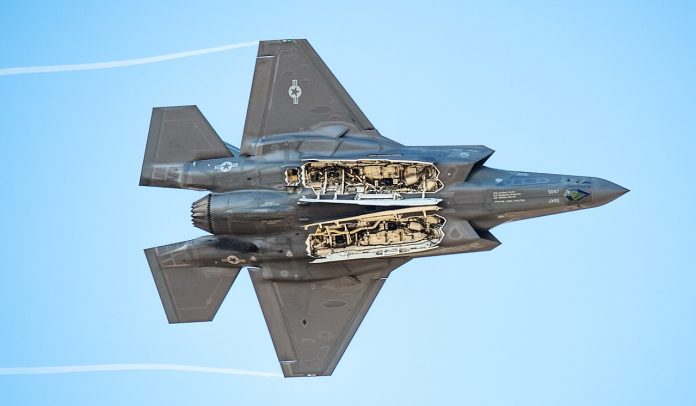
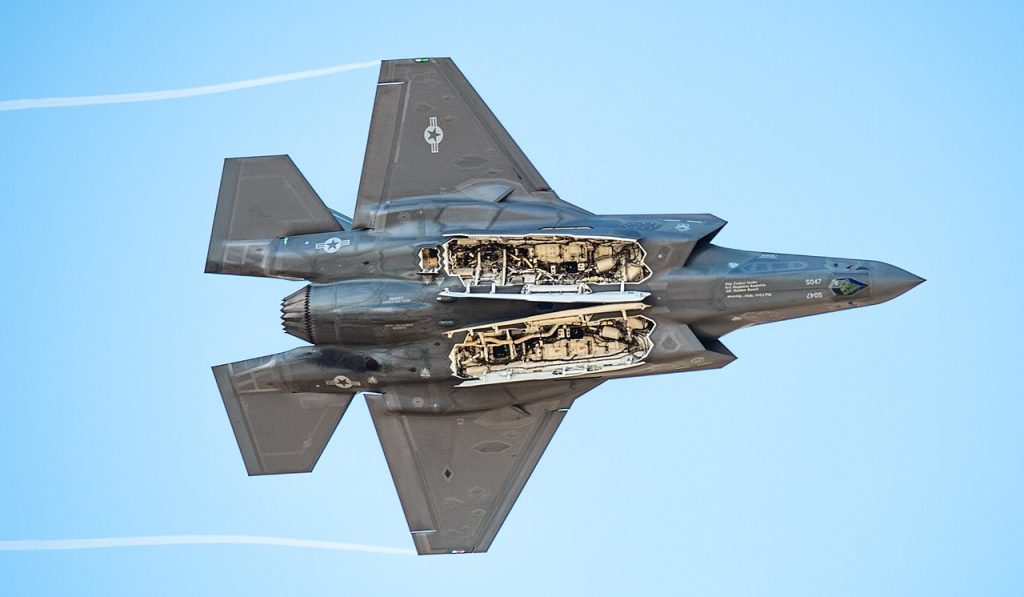
The F-35A program for Poland is on schedule, with seven aircraft complete and two more in flight testing in the U.S., BulgarianMilitary.com has learned. Already, the jets have begun training Polish pilots and maintainers at Luke AFB, Arizona, and Ebbing ANGB, Arkansas.
Operating under the designation “Husarz”, the 32-aircraft fleet will replace aging MiG-29s and Su-22s, bringing stealth, sensor fusion, and advanced strike capabilities. First in-country unit is expected at the 32nd Tactical Air Base in Lask, potentially assuming NATO Quick Reaction Alert duties by 2026.
6. Javelin Anti-Tank Missile Acquisition
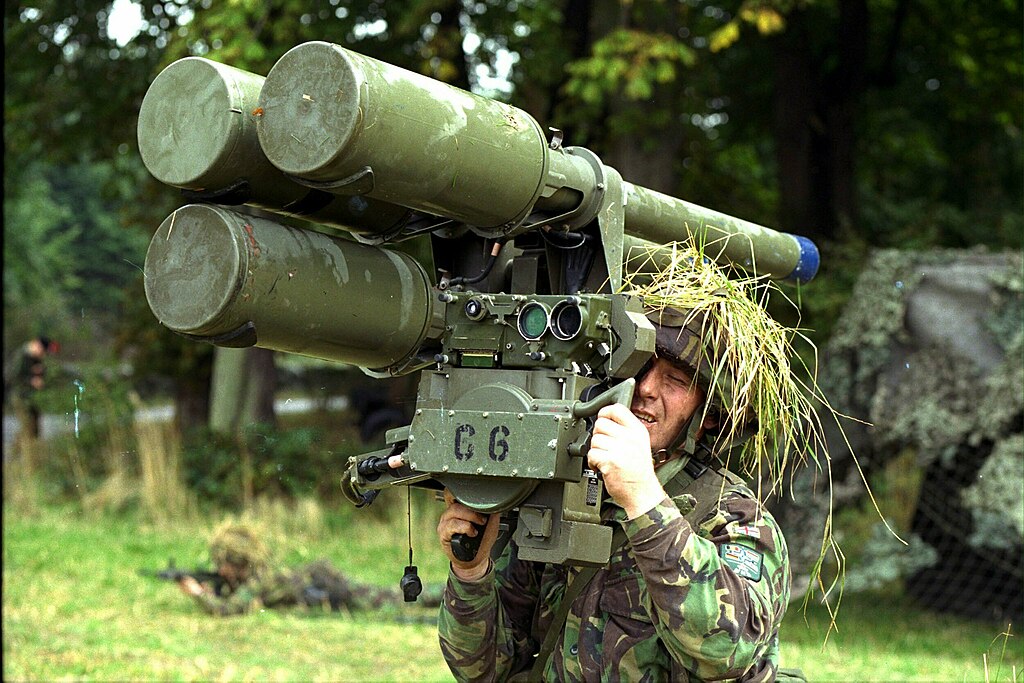
Beyond air defense, Poland reinforces its ground forces with the addition of the most modern FGM-148F Javelin anti-tank missiles, along with 253 Lightweight Command Launch Units. The $deal with RTX and Lockheed Martin further cements Poland’s status in countering the armored threat across its borders with Belarus and Russia.
The multipurpose warhead, top-attack profile, and fire-and-forget guidance of the FGM-148F will guarantee a continuing advantage in conventional and urban combat. The reduced weight and improved optics of the LWCLU extend its role into reconnaissance and provide greater flexibility to the Polish Territorial Defense Forces and NATO battle groups.
7. Raytheon’s AIM-9X Production Surge
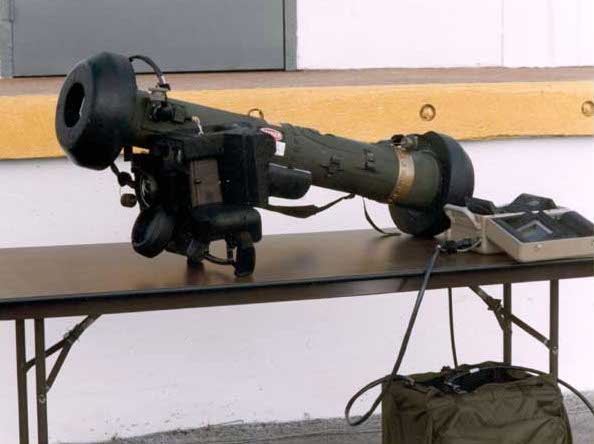
Raytheon’s $1.1 billion contract for increasing AIM-9X Block II production to 2,500 missiles a year supports both U.S. and allied inventories. Barbara Borgonovi, president of Naval Power at Raytheon, said the contract represented “a historic milestone” for the program.
This surge capacity ensures that Poland gets timely delivery of its expanded Sidewinder order and further increases supply chain resiliency, as worldwide demand for advanced munitions is currently at an all-time high.
8. NATO’s Eastern Flank Deterrence Strategy
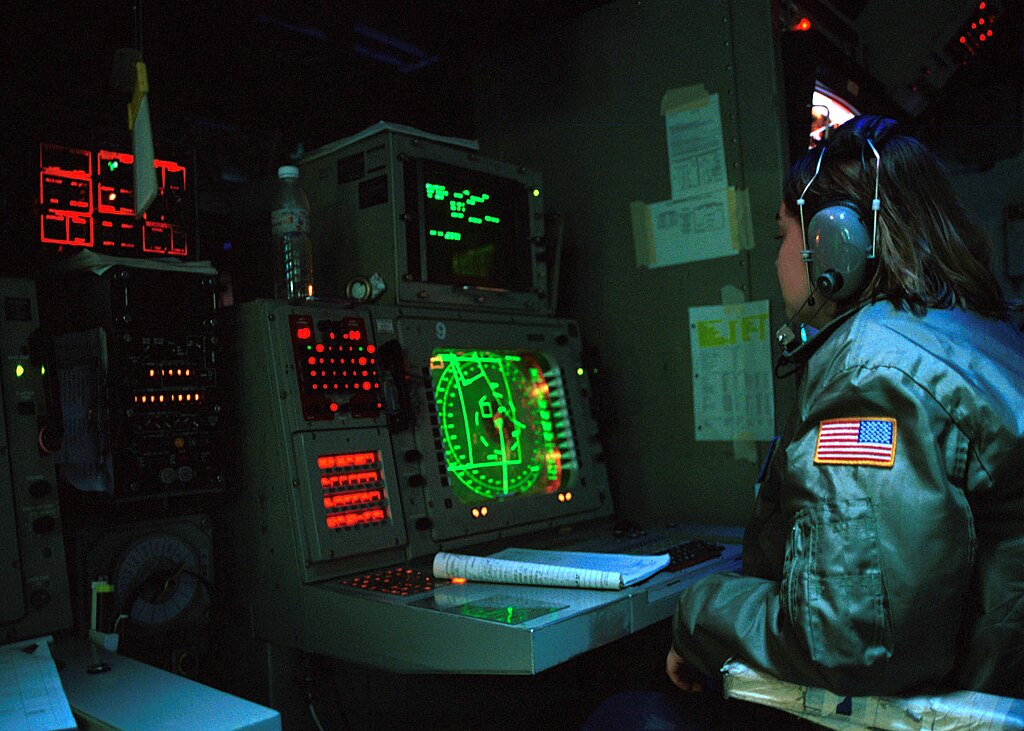
Part of a larger NATO initiative, the deployment of Merops is meant to form an Eastern Flank Deterrence Line-a layered defense zone from Norway to Turkey. That includes sensors, command-and-control systems, and interchangeable hardware to adapt to evolving threats.
In the words of Brig. Gen. Thomas Lowin, Merops is “the first phase” in a multi-year process of offsetting Russia’s manpower advantage with superior technology. Ultimately, the aim is a well-defended eastern border that deters Moscow even from contemplating incursions.
9. Political and Strategic Signaling
The rapid modernization of Poland sends a clear message – that it is ready to act decisively against any violations of its airspace. After the incidents in September, Warsaw invoked NATO’s Article 4, which provides for urgent allied consultations. Since then, several European states have authorized peacetime shoot-downs of unlawful drones.
This clarity of intent together with tangible capability upgrades complicates Russia’s calculus. Every new system, from Sidewinders through to Merops, reduces the room for low-cost provocations and increases the potential cost of escalation against any adversary.
Modernization of the Polish defense is not piecemeal; it is a coordinated, multidomain effort to harden NATO’s most exposed frontier. By marrying high-end fighter capabilities with scalable, cost-efficient countermeasures, Warsaw is working to create a deterrent posture able to resist conventional and unconventional threats. In so doing, Poland is updating the security architecture of Eastern Europe and establishing a new standard for allied readiness on the front line.


