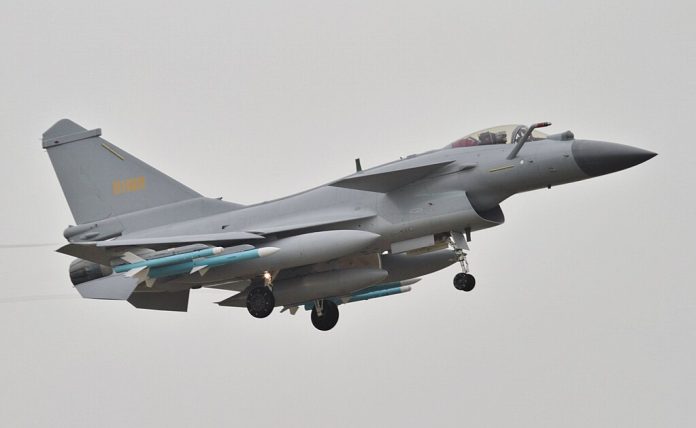
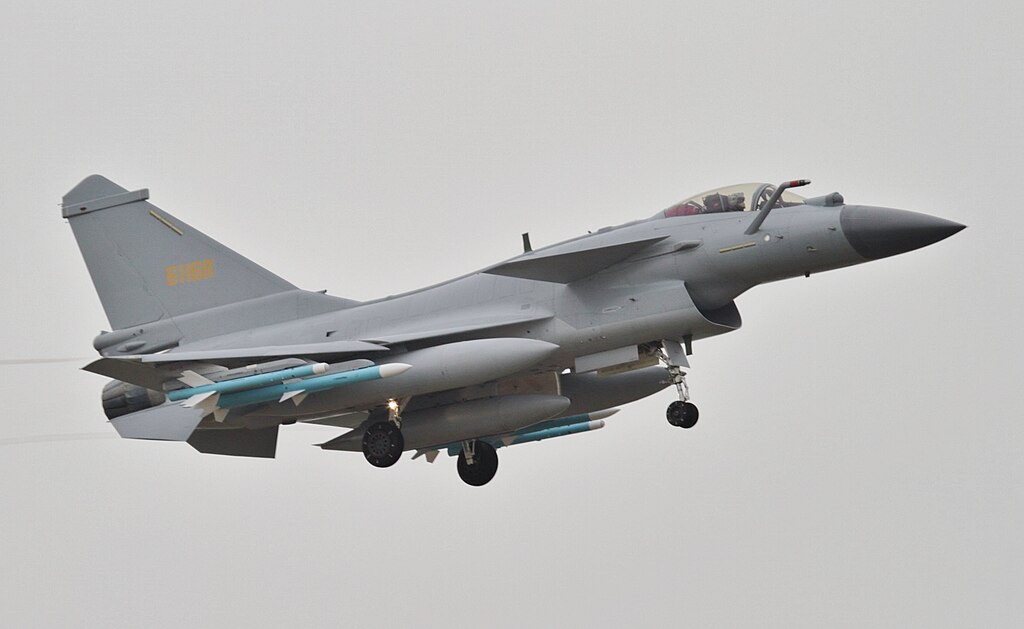
“More useful than the atom bomb.” That’s what former Chinese President Jiang Zemin reportedly said in the 1990s as he was inspecting the early construction of what would eventually become the J-10 fighter program. At the time, few outside Beijing took the project seriously. Today, the latest variant-the J-10C-has moved from being dismissed as a reverse-engineered relic to a combat-tested, export-ready multirole fighter shaping regional airpower debates.
In 2025, the J-10C burst into world headlines after Pakistan reportedly used it, armed with PL-15 long-range missiles, in a high-intensity skirmish with India. The incident, whether fully verified or not, gave the aircraft something which Western marketing could not: battlefield credibility. Since then, Indonesia’s $9 billion order for 42 units has signaled that the Vigorous Dragon is no longer just a domestic workhorse it’s a player in the international arms market.
The following listicle examines nine critical dimensions of the J-10C’s ascent, from its design evolution and combat record to its export strategy and geopolitical implications, offering a wide panorama to defense watchers of how China’s fighter is reshaping the conversation on modern air combat.
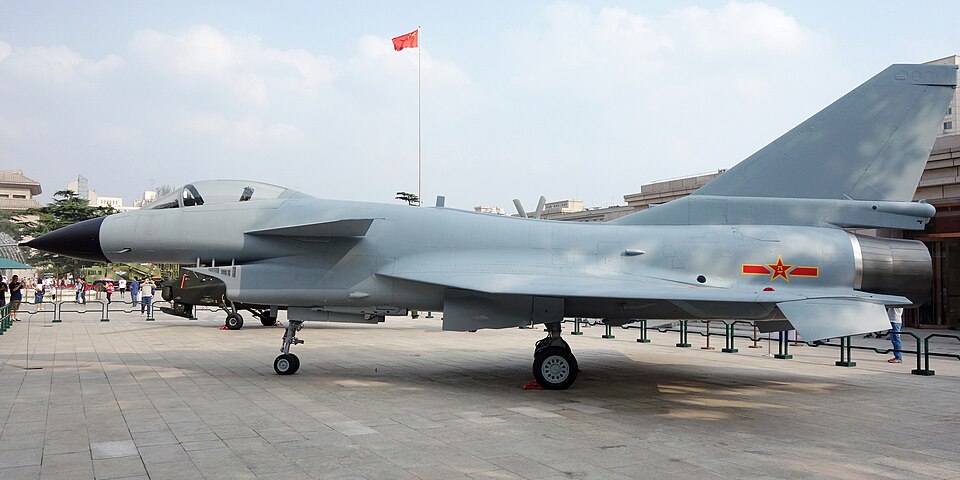
1. From Mirage Inspiration to Indigenous Power
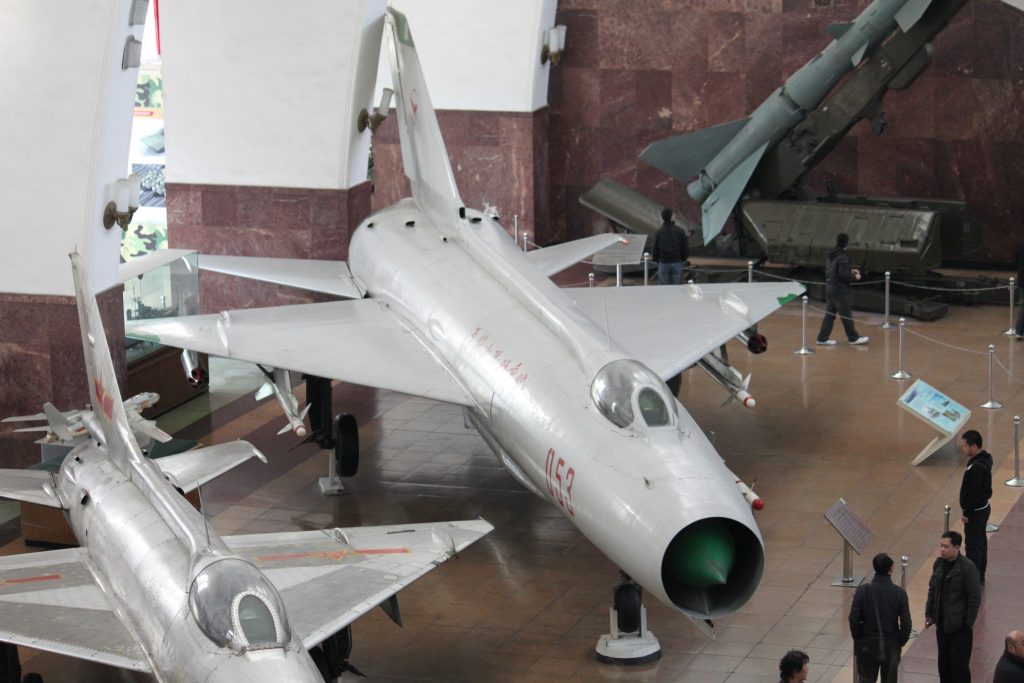
The J-10’s ancestry goes back to the 1980s when China needed an indigenously developed fighter to compete against Western designs. Early prototypes drew aerodynamic inspiration from the French Mirage series and depended on Russian AL-31 engines. Over two decades, the program developed through the A and B variants, culminating in the 4.5-generation J-10C fitted with a domestic WS-10B Taihang turbofan. That engine proved to be a turning point for Beijing’s ability to produce state-of-the-art propulsion without relying on foreign supplies.
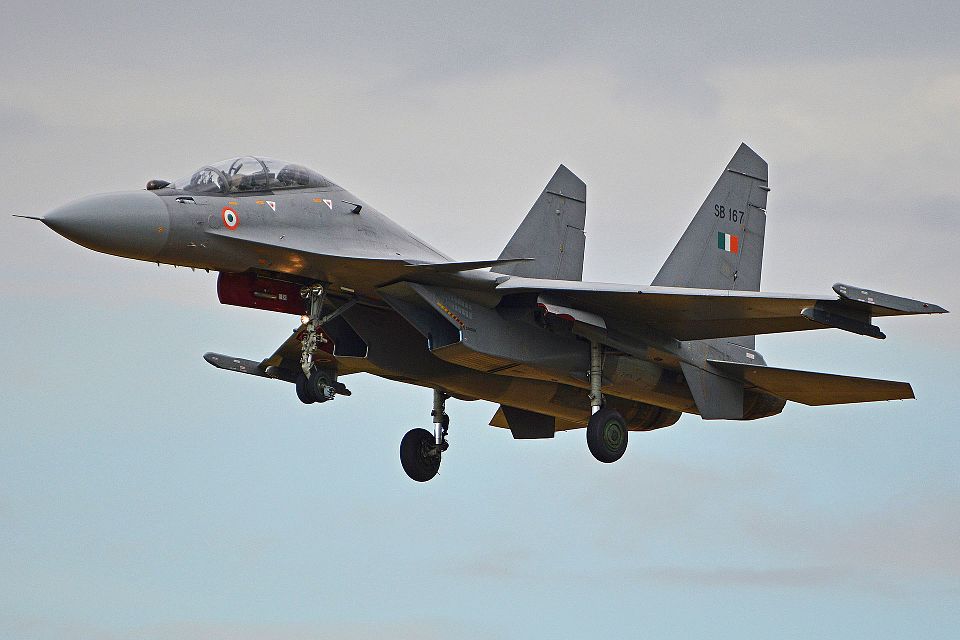
2. Debut in Combat in South Asia
The first reported combat use of the J-10C came in May 2025, when Pakistan deployed it against Indian forces in a border confrontation. Equipped with PL-15E missiles, Pakistani pilots claimed multiple kills, including Rafales and Su-30MKIs. While independent verification remains elusive, the incident showcased the aircraft integrated into a modern kill chain-using airborne early warning assets and beyond-visual-range strikes to circumvent traditional dogfighting.
3. The PL-15E Missile Advantage
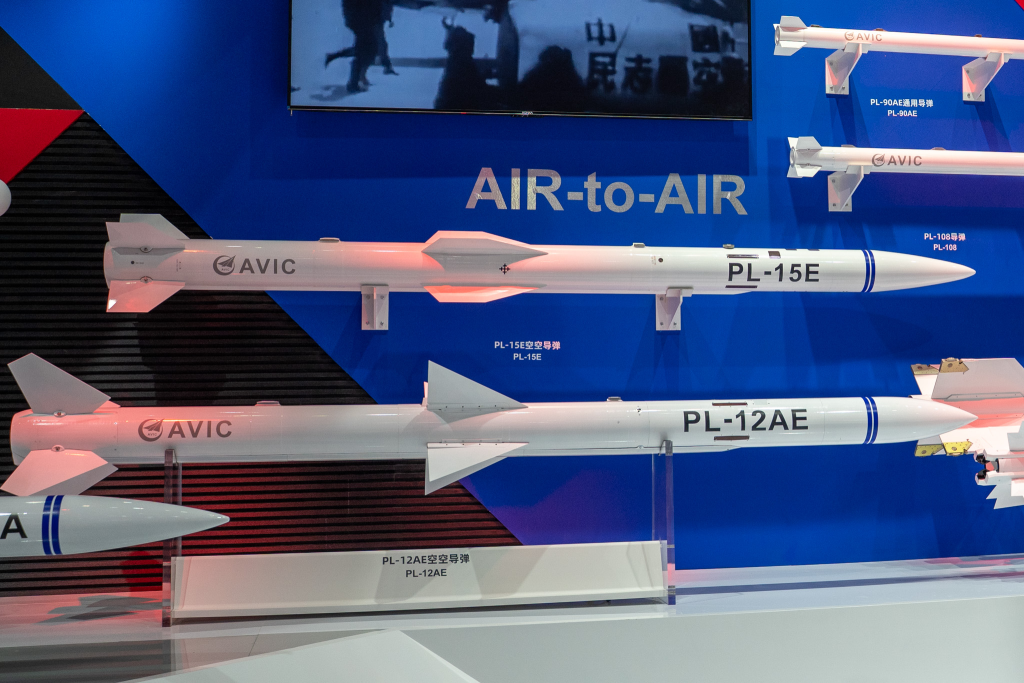
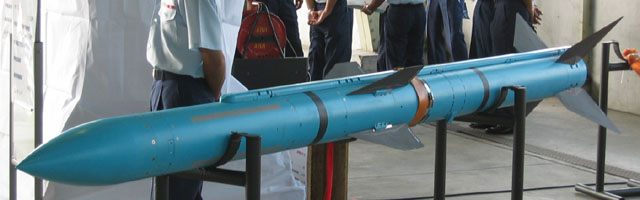
Central to the J-10C’s long-range lethality is the PL-15E’s folded-fin design, which allows internal carriage on stealth platforms and extends engagement ranges out to approximately 145 km for export variants. Its AESA radar seeker is resistant to jamming, while a dual-pulse rocket motor maintains propulsion deep into terminal phases. Such capability shifts the tactical emphasis from close-in maneuvering to sensor fusion and precision strikes at standoff distances.
4. Indonesia’s $9 Billion Procurement Shift
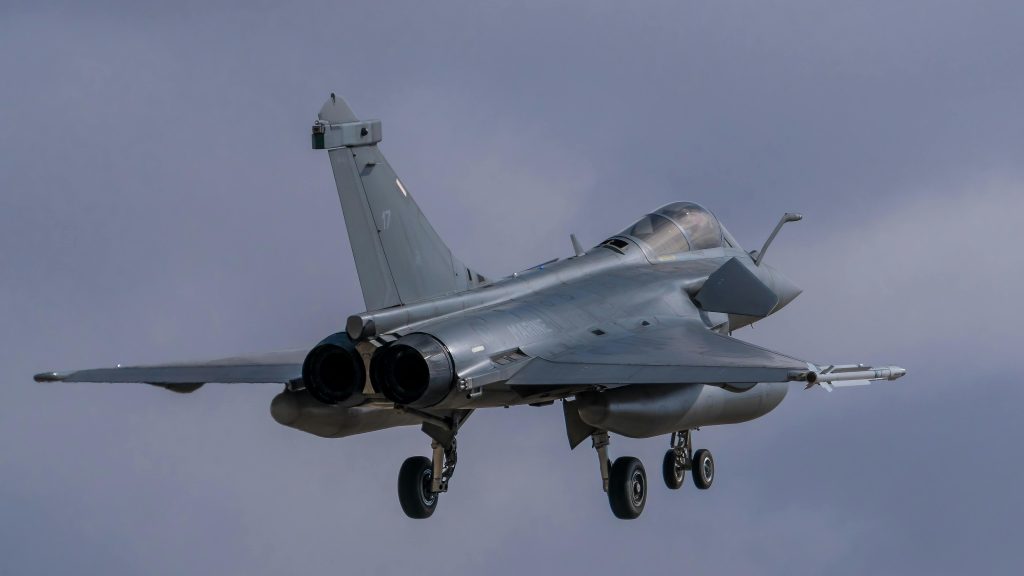
Jakarta’s decision to acquire 42 J-10Cs breaks a dependence on Western suppliers. Coupled with its order for the Dassault Rafale, the move reflects a deliberate diversification strategy aimed at technological sovereignty. Favorable financing, competitive unit costs-estimated at $40–50 million-and combat credibility from Pakistan’s experience tipped the scales in Beijing’s favor.
5. Export Strategy and Market Penetration
China’s effort to sell the J-10C internationally has been conspicuous, with appearances at the Dubai Airshow and Saudi Arabia’s World Defence Show. Advanced avionics, multirole flexibility, and less political baggage than Western solutions are an alluring mix of attributes for developing economies. Indonesia may lead the way in Southeast Asia, where most have stayed away from Chinese fighters.
6. Technical Profile of the Vigorous Dragon
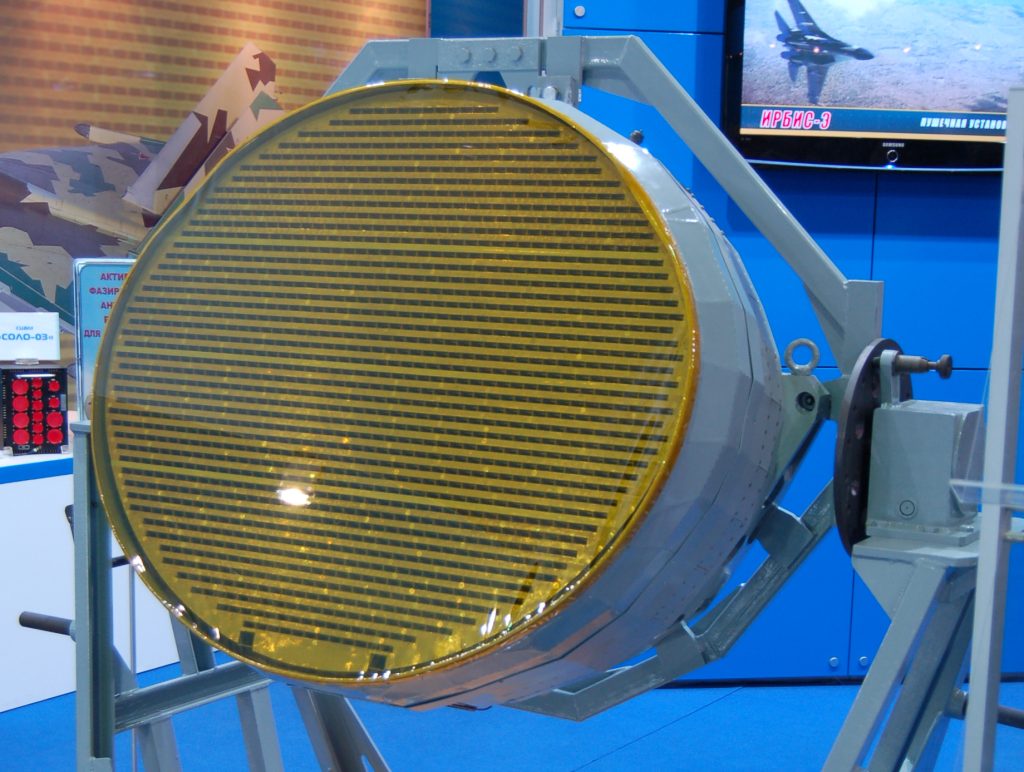
The J-10C features an AESA radar, composite materials, radar-absorbent coatings, and digital fly-by-wire controls. It has a maximum speed of Mach 1.8+, service ceiling of 18,000 meters, and combat radius over 1,100 km. Eleven hardpoints allow for diverse payloads to be fitted, including PL-15 BVR missiles through to anti-ship munitions, while the onboard electronic warfare suite increases survivability in contested environments.

7. Geopolitical Ripples in ASEAN
Indonesia would become the first ASEAN member to induct a Chinese 4.5-gen fighter with the induction of the J-10C. That could subtely alter regional airpower balances and serve as a signal of intent on a deeper engagement with Beijing’s defense ecosystem. For neighbors wary of China’s maritime ambition, the move may complicate confidence-building, even as Jakarta maintains a non-aligned foreign policy.
8. Lessons from Pakistan’s Integration
The Pakistan operational use of the aircraft offers a template for how the J-10C can be integrated into a layered air defense network. Pairing the fighter with early warning aircraft and networked datalinks maximizes its BVR potential. Indonesia’s different geography and threat environment means it needs to adapt these lessons to its archipelagic defense needs.
9. Challenges of Fleet Diversity
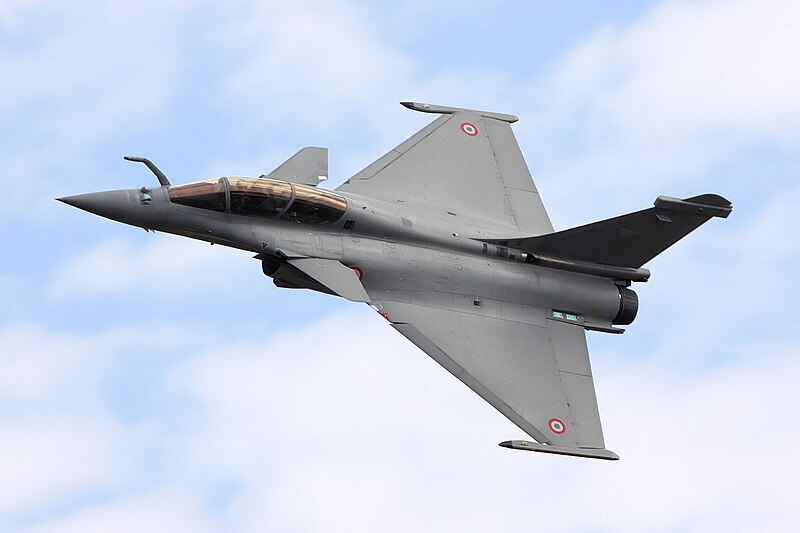
Operating both French Rafales and Chinese J-10Cs introduces logistics complexity. Maintenance standards, weapons ecosystems, and avionics architectures vary greatly between the two, with a need for new training pipelines and integration work. Indonesia sees great value in procurement autonomy, but sustaining such a diverse fleet risks higher long-term costs and interoperability hurdles.
The J-10C’s rise from a domestically focused fighter to a globally marketed combat aircraft underlines a broader shift in the arms trade advanced capability is no longer the sole domain of Western manufacturers. The degree to which Indonesia’s gamble will pay off depends on how well Vigorous Dragon integrates into its mixed fleet and delivers on its combat promise. For China, each successful export cements its position as a credible supplier in a market once closed to its ambitions.


