“Only the paranoid survive,” said Andy Grove, the former CEO of Intel. In the world of cybersecurity, that paranoia is not just healthy-it’s essential. Passwords, the most basic form of digital defense, have time and again proved to be the weakest link, leading to incidents that range from corporate collapse to threats against national security.
In recent years, a spate of high-profile breaches has conclusively shown just how devastating the compromise of a single credential can be. These incidents represent more than cautionary tales they are stark reminders that the consequences of poor password hygiene reach far beyond an individual’s inbox. From ransomware attacks which have crippled critical infrastructure to embarrassingly simple codes guarding nuclear weapons, the failures are as diverse as they are alarming.
This is a list to explore some of the most notorious password blunders in modern history, unpacking both the human errors, outdated systems, and misplaced trust that allowed them to happen and what they teach about defending against the next inevitable attempt.

1. Louvre’s One-Word Password
A 2014 security audit showed the server controlling the Louvre’s CCTV network was protected by a single word “LOUVRE.” The finding resurfaced recently, after a major jewel heist in the museum that incurs high financial losses. Predictable, context-based passwords such as this remain one of the most common pitfalls, giving the attacker an open door without requiring any sophisticated tools. In this case, the simplicity of the credential undermined an entire security system meant to protect priceless artifacts.
The incident underlines the importance of separating cultural branding from security logic. When a password is directly linked with the name of an institution, it automatically becomes the first guess for anyone trying unauthorized access. Such oversights are not simply embarrassing they may be financially catastrophic.

2. Breached VPN at Colonial Pipeline
In May 2021, hackers from the DarkSide group used a compromised password that was connected to an unused VPN account to breach Colonial Pipeline, which is the largest refined products pipeline in the U.S. The account did not have multi-factor authentication set up, and entry was, therefore, trivial once the password was acquired-likely from a previous breach. The attack stopped fuel transportation for days and brought a state of emergency over 17 states.
The company paid a $4.4 million ransom to restore operations, according to the FBI, though 64 bitcoins were later recovered. The breach is a good example of how unused accounts, if left active, can become silent vulnerabilities and why MFA is a non-negotiable safeguard for remote access.
3. Eight Zeros for Nuclear Launch
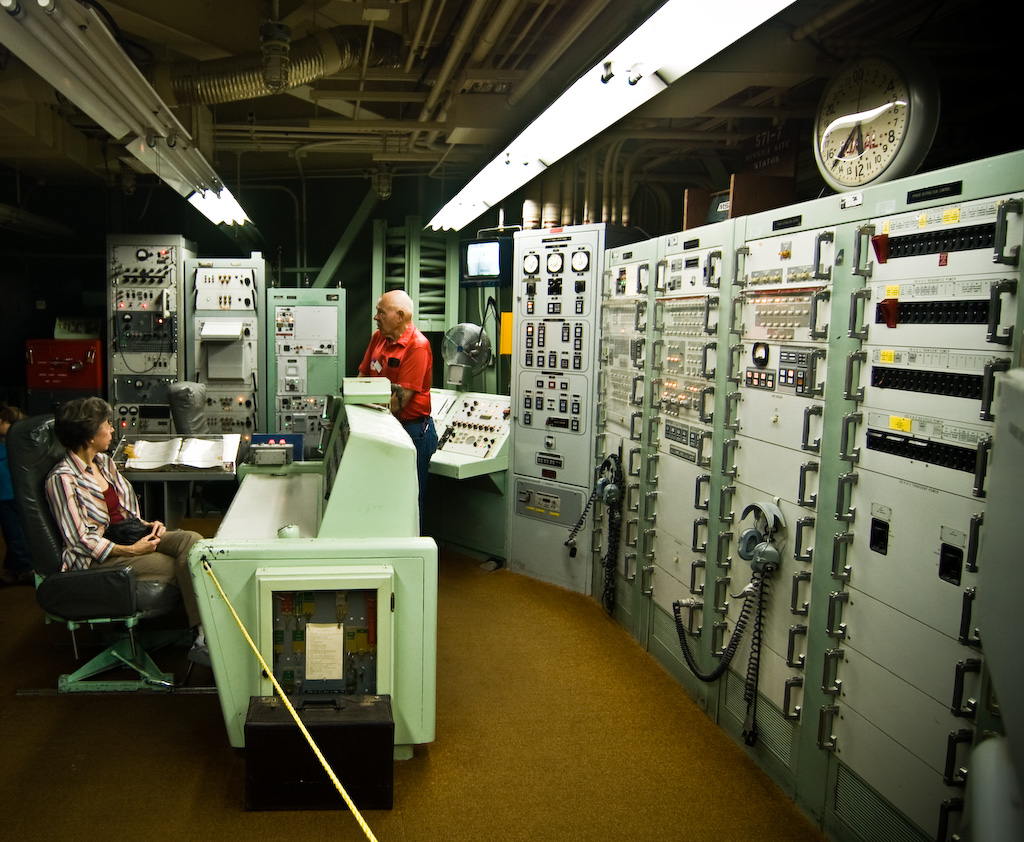
It’s been reported that between 1962 and 1977, the launch code for America’s Minuteman nuclear missiles literally was “00000000.” Former Air Force launch officer Bruce Blair reported Strategic Air Command resisted President Kennedy’s security directive because it was concerned about delays in retaliation anyone having access to the launch console could enable missiles without higher authorization.
The eventual reform to Rivet Save introduced dynamic codes, passed via secure channels, and thus marked the end of the all-zero era. But the fact remains that the security of the world once depended explicitly on eight identical digits-one of the most staggering examples of misplaced trust in human safeguards over technical ones.

4. KNP Logistics: A Century-Old Company Destroyed
In June 2023, Northamptonshire-based KNP Logistics, running 500 trucks, became a victim of the Akira ransomware group. Attackers guessed one of its employees’ weak passwords and then bypassed defenses due to a lack of MFA. Once inside, they encrypted the data, destroyed backups, and asked for a ransom estimated at £5 million.
Unable to pay its dues, KNP collapsed and took 700 jobs along with it. As research shows, 45% of passwords compromised can be cracked within a minute. The case thus is a strong reminder that even established businesses can be undone by a single credential lapse.
5. Celebrity Voicemails Exposed
The phone-hacking scandal in the UK utilized the default PINs like 1111 and 1234 that many users never changed. Messages belonging to Hugh Grant, Prince Harry, and other public figures had been accessed by journalists and private investigators, who then made private communications tabloid fodder.
Although carriers have long since eliminated default PINs, the incident serves to illustrate how neglected settings can become attack vectors. Weak or unchanged defaults remain an ongoing risk, especially for consumer-facing services.
6. ‘Political’ Website Hijacked by a Simple Name
Decades before he became a politician, UK Conservative leader Kemi Badenoch used the password “Harriet Harman” to view Labour peer Harriet Harman’s website. A stunt that was apparently a prank changed the site to support the Conservatives.
No sensitive information was compromised, but the incident shows how personal names-often publically known-are weak password choices. Such credentials are easily guessed and can be exploited not only for mischief but for serious disinformation campaigns.

7. Electoral Commission Breach
Between August 2021 and 2022, the UK Electoral Commission’s systems were breached by hackers, who then accessed registers containing millions of voters’ names and addresses. Investigators found 178 active email accounts using passwords identical or similar to defaults set at activation. Software patches to fix known vulnerabilities had been available months earlier but were not applied. ICO deputy commissioner Stephen Bonner said the breach would “highly likely” have been avoided had basic steps-including timely updates and secure password policies-been taken. This incident is demonstrative of how operational neglect can compound credential weaknesses.

8. The 16-Billion Credential Leak
Researchers at Cybernews uncovered 16 billion exposed login credentials resulting from information stealer malware, credential stuffing, and recycled leaks. The datasets included logins for major services such as Google and Facebook and also contained cookies that could bypass MFA. Such huge collections mean that attackers can attempt account takeovers at scale, and even a fraction of successful logins could result in millions of compromised accounts. The leak reinforces the notion of having unique passwords and regular password changes.
9. Evolution of Ransomware and the Password Factor
From the 1989 AIDS Trojan to today’s “big game hunting” operations, ransomware has grown into a multi-billion-dollar criminal industry. Weak or stolen passwords remain a primary infection vector, whether due to phishing or credential theft. Ransomware-as-a-service has lowered the technical barrier for the attackers, making password security more critical than ever. From Colonial Pipeline to KNP Logistics, incidents have shown how a single set of compromised credentials can set off a chain reaction leading to operational paralysis, financial loss, and reputational damage.
These cases show that password failures are not isolated blunders but systemic vulnerabilities exploited across industries and even governments. Whether it’s a museum’s one-word login or a nation’s election database, the cost of weak credentials can be measured in jobs lost, trust eroded, and security compromised. For cybersecurity-conscious individuals and organizations, the lesson is clear strong, unique passwords, multi-factor authentication, and timely system updates are not optional they are the minimum defense against a threat landscape that grows more opportunistic by the day.


