What happens when a war zone intersects with atomic power plants? The answer, as demonstrated by Ukraine’s latest crisis, is a volatile mix of military aggression, infrastructure collapse, and the looming specter of radiological disaster. The recent Russian missile and drone barrage on facilities powering two of Ukraine’s major nuclear plants has turned fears across Europe anew toward the potential for a catastrophic incident.
This is not an isolated episode. Strike after strike has hit Ukraine’s energy grid since 2022, repeatedly targeting nuclear-related infrastructure and undermining the stability of the electricity supply that underpins the safety systems. International law, technical safeguards, and emergency protocols exist to try and prevent this from happening, yet the sheer scale and tenacity of the attacks are stretching those protections to their limits. Here are nine critical elements of the burgeoning danger, as described by on-the-ground reporting, expert analysis, and historical context on nuclear safety in wartime.
1. Chispa directa a suministros de centrales nucleares
The latest Russian attack damaged substations supplying electricity to the Khmelnytskyi and Rivne nuclear plants. “Russia is deliberately endangering nuclear safety in Europe,” Ukrainian Foreign Minister Andrii Sybiha said in a statement, calling on China and India to pressure Moscow over such actions. Loss of off-site power is considered one of the most precarious scenarios for reactors since the inability to cool them may lead to core damage.
2. Energy Infrastructure Attacks Escalate
Since early October, Russia has mounted nine massed attacks on Ukraine’s energy grid with hundreds of drones and ballistic missiles this weekend’s strike alone involved over 450 drones and 45 missiles, damaging facilities in Kyiv, Poltava, and Kharkiv. Energy Minister Svitlana Grynchuk said it was “one of the largest direct ballistic attacks on energy facilities” since hostilities began.
3. Precedent of Zaporizhzhia Nuclear Plant Seizure
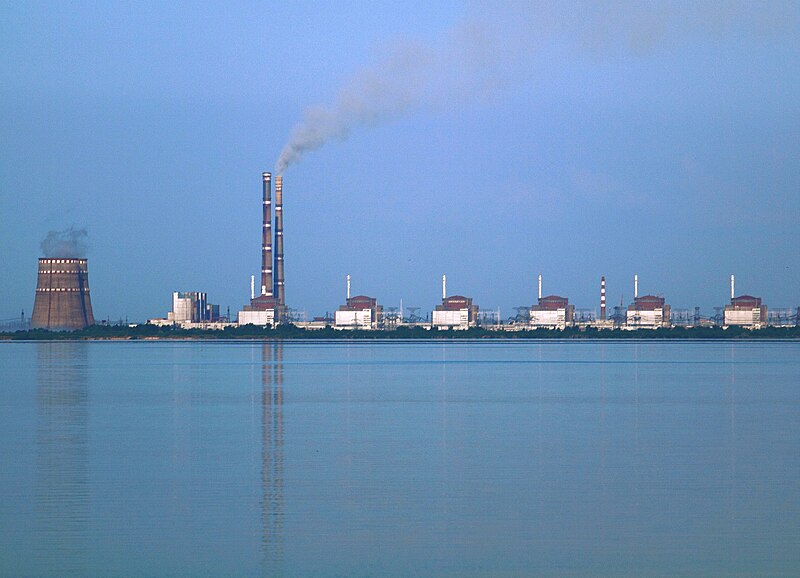
The armed seizure of the Zaporizhzhia Nuclear Power Plant in March 2022 was unprecedented in the history of warfare. Combat around the site caused repeated losses of off-site power, while credible reports documented intimidation and abuse of Ukrainian staff. The International Atomic Energy Agency has maintained a presence there, crossing front lines under fire to monitor safety.
4. International Humanitarian Law Protections
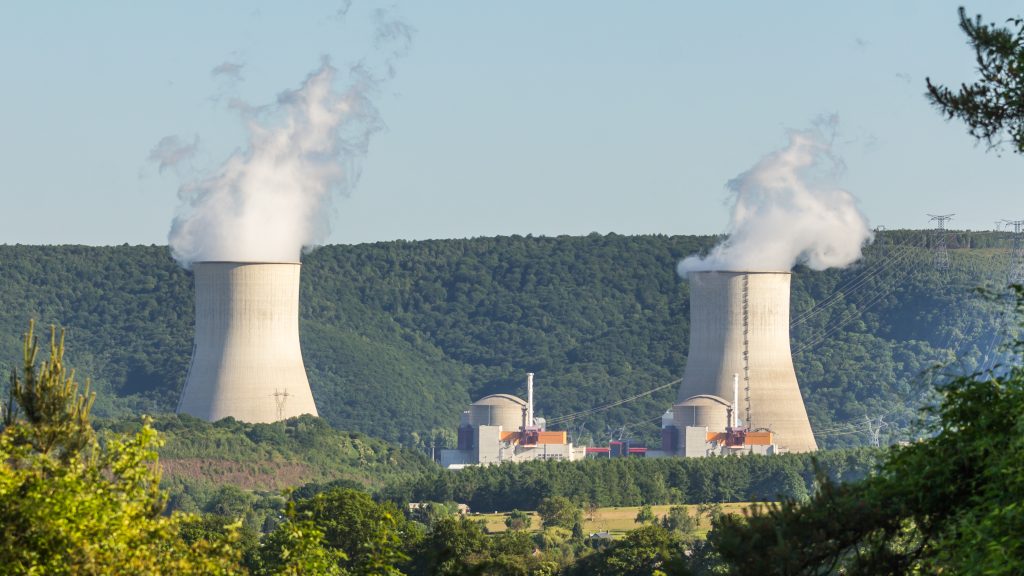
Accordingly, under the 1977 First Additional Protocol to the Geneva Conventions, nuclear power plants are given enhanced protection. Article 56 prohibits attacks even if the plant is a military objective, if such strikes could release dangerous forces and cause severe civilian losses. The International Committee of the Red Cross underlines that these protections apply unless narrowly defined exceptional conditions are met.
5. Technical Vulnerabilities in Wartime
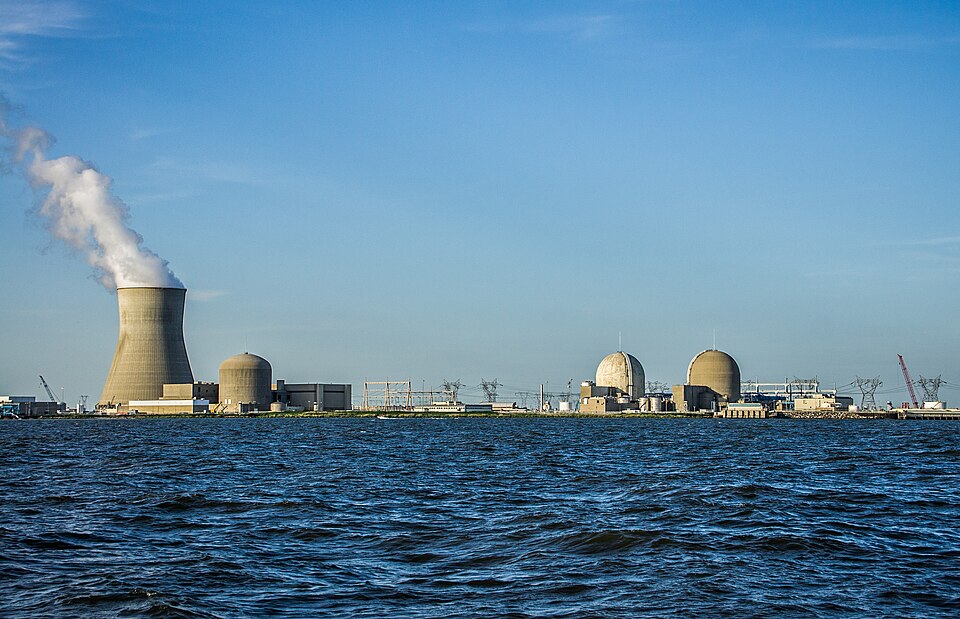
Nuclear reactors are robust, and containment structures are designed to withstand any kind of impact, but they were not designed to withstand sustained, high-intensity bombardment. The immediate risk is from loss of grid power because the emergency generators have only limited autonomy-some ten days or so-before refueling of fuel is necessary. Finally, cooling of spent fuel takes many years, so any damage to the storage pools presents a long-term risk.
6. UN and ICC Warnings
On 22 October, 13 UN Special Rapporteurs warned Moscow against such strikes, citing prohibitions under international humanitarian law. The International Criminal Court issued arrest warrants in June 2024 for Russian officials linked to the attacks on Ukraine’s power infrastructure. Experts caution that more damage to Ukraine’s grid could cause a catastrophe worse than Fukushima or Chernobyl.

7. Humanitarian Impact of Energy Loss
The strikes have left thousands without heating, water, or electricity as winter temperatures fall below zero. Some 150,000 families, as well as hospitals and schools, were left without power in areas that included Dnipro and Ivano-Frankivsk. Disruptions in heating and water systems raise the risks for vulnerable populations, especially the elderly and those living in high-rise buildings.

8. Ukraine’s Counterstrikes on Russian Energy Assets
Ukraine has accelerated its attacks on Russian oil refineries and depots, ranging from Ryazan to Tyumen. Ukrainian drones had struck more than half of Russia’s 38 major refineries at least once through the end of October. Operations also appeared designed to cut Moscow’s export revenues and to spark shortages of fuel for domestic use, though Russia’s refining capacity remains significantly greater than its needs.
9. Calls for Demilitarized Nuclear Zones
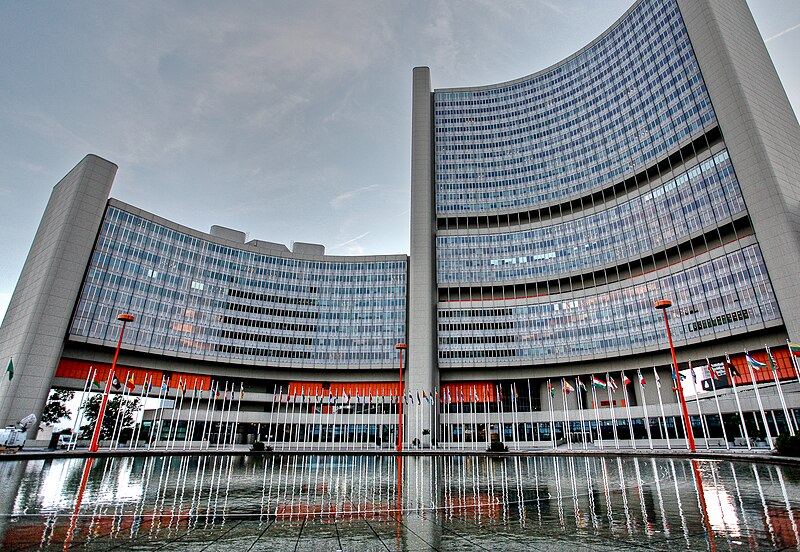
Experts such as Najmedin Meshkati from the University of Southern California support the creation of demilitarized zones around nuclear plants to prevent disaster. The IAEA has urged the creation of a “Nuclear Safety and Security Protection Zone” at Zaporizhzhia, but consensus has yet to be reached. Demilitarized zones would exclude military activity from areas near the reactors and ensure safe staff rotations to reduce the likelihood of human error. The potent mix of fierce warfighting and proximate nuclear power installations poses risks that extend far beyond Ukraine’s borders.
Every missile strike on a substation or reactor support system erodes layers of safety that are designed to prevent radiological disaster. International law allows for strong protections, but those protections are tenuous at best when a major power determines to ignore them. Without urgent measures ranging from reinforced grid resilience to demilitarized safety zones, the risk of a nuclear incident in this conflict will remain unacceptably high.


