
“Retreat Hell! We’ve just got here!” The words of Captain Lloyd Williams at Belleau Wood in 1918 still echo through Marine Corps history, embodying a spirit forged in fire and unyielding resolve. On November 10, 2025, the United States Marine Corps marked its 250th birthday-a quarter of a millennium of answering the nation’s call in war, peace, and crisis.
From the first amphibious raid in 1776 to modern precision operations in contested seas, the Corps has evolved without losing its fighting soul. Its story is written in the mud of Pacific beaches, the frozen hills of Korea, the deserts of the Middle East, and the skies above Afghanistan. Each chapter reveals not just battles won, but innovations born of necessity, sacrifices made under fire, and a relentless drive to adapt to the next fight.
Here are ten moments and transitions that define the ongoing legacy of the Marine Corps into the challenges of the future.

1. Birth at Tun Tavern and the First Amphibious Raid
The Marine Corps was born on November 10, 1775, when the Continental Congress authorized two battalions of Marines, seeking men proficient both at sea and ashore. Just a few short months later, in March 1776, Captain Samuel Nicholas conducted the first amphibious landing at New Providence in the Bahamas. That mission seized two British forts and 200 barrels of gunpowder a resource so sorely needed, since the Continental Army barely had 728 pounds in stock. The swiftness of the strike set the tone for a force built on agility, maritime reach, and audacity.
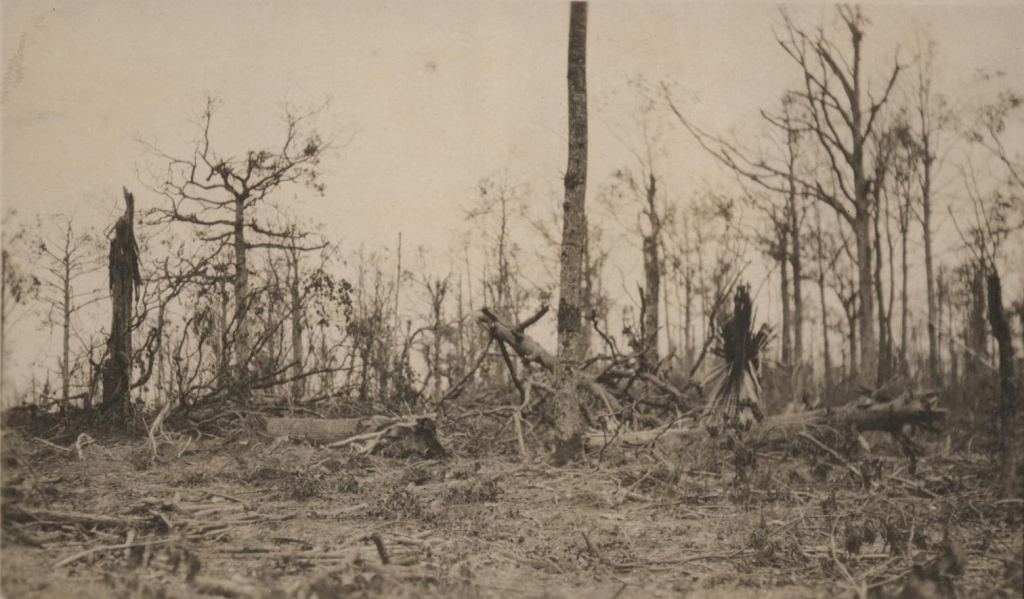
2. Belleau Wood: Myth and Reality
The June 1918 Battle of Belleau Wood became a touchstone of Marine identity. The 4th Marine Brigade fought for nearly three weeks against entrenched German defenders, suffering more than 1,800 dead and 7,900 wounded. Although popular lore credits the Marines with stopping a German drive on Paris, historical analysis reveals that the German offensive had already halted for logistical reasons. The Marines’ performance proved to friend and foe alike, however, that American troops could match and defeat one of the world’s best armies, accelerating the Corps’ rise in stature.
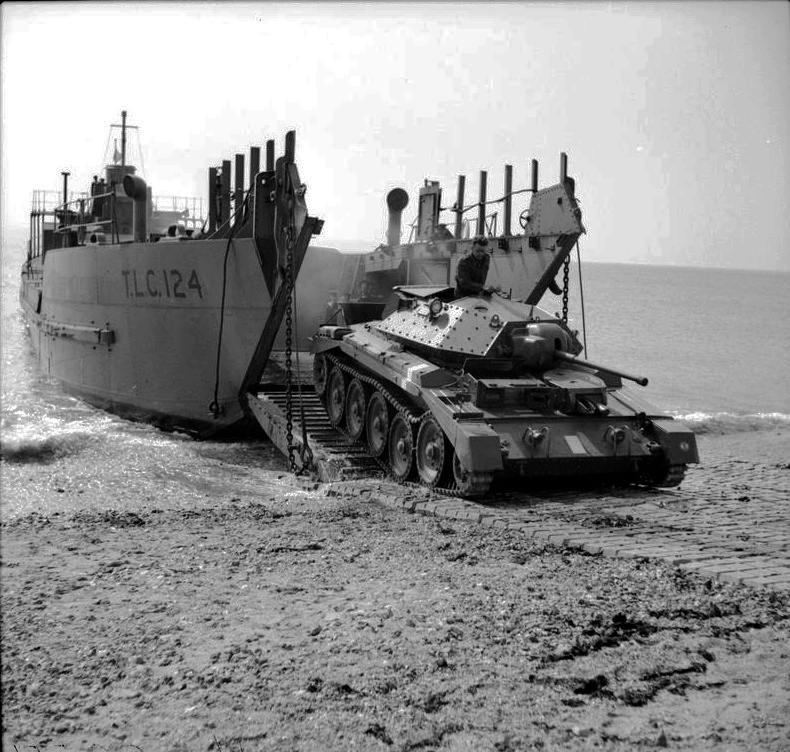
3. Forging Amphibious Doctrine Between the Wars
After World War I, visionary leaders such as Major Earl “Pete” Ellis foresaw a Pacific war with Japan and advocated for an amphibious force. The ultimate product was the 1934 Tentative Landing Operations Manual, later to be adopted as Navy doctrine. Early exercises exposed weaknesses, but by World War II, the Corps had ironed out methods of effective employment of naval gunfire and air support, followed by the rapid buildup ashore innovations that would carry them across the Pacific in the island-hopping campaign.
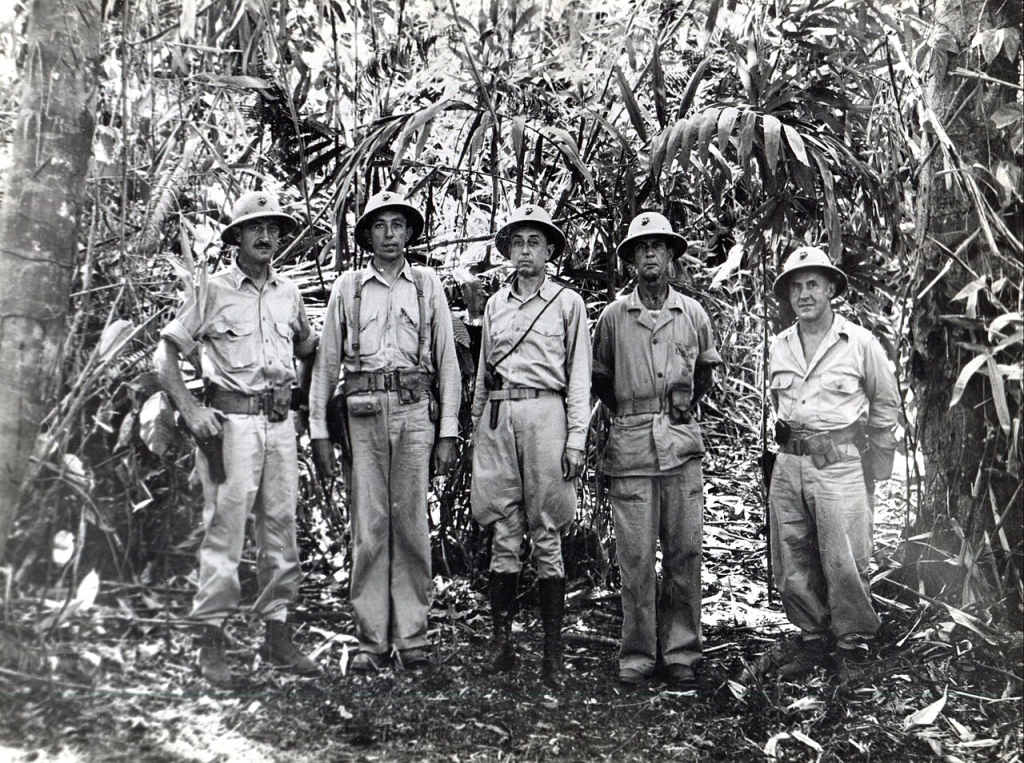
4. Guadalcanal: Trial by Fire
In August 1942, the Marines tested their new doctrine at Guadalcanal. Initial landings were unopposed, but poor offloading coordination left supplies piling up on beaches under threat from Japanese counterattacks. The six-month battle cost nearly 1,600 American lives but secured Henderson Field and marked the first major Allied offensive in the Pacific. Lessons from Guadalcanal drove improvements in logistics, command structure, and ship-to-shore movement for the rest of the war.
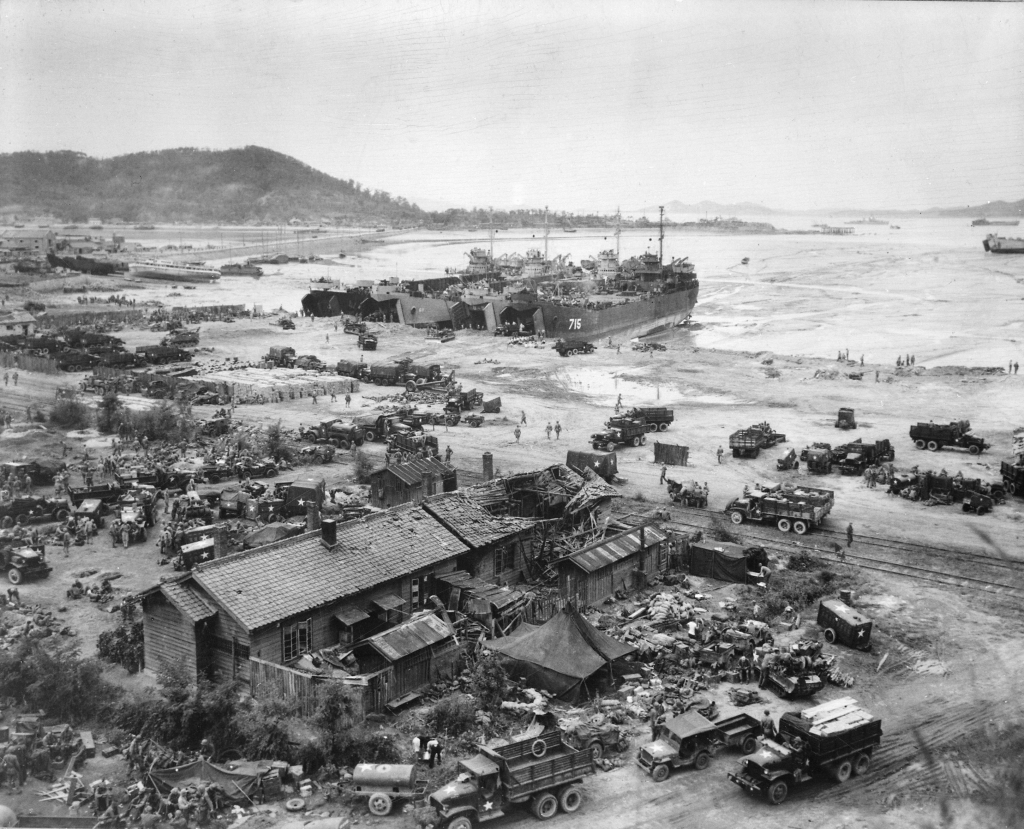
5. Inchon and the Korean War’s Amphibious Gamble
In September 1950, the Marines conducted one of the most audacious landings in history at Inchon. The site had been chosen because of its extreme tides and narrow approaches-most considered it too risky-which is precisely why the North Koreans left it lightly defended. The landing turned the tide of the war, showcasing how the Corps could strike where least expected, and it reinforced amphibious assault as a strategic tool.
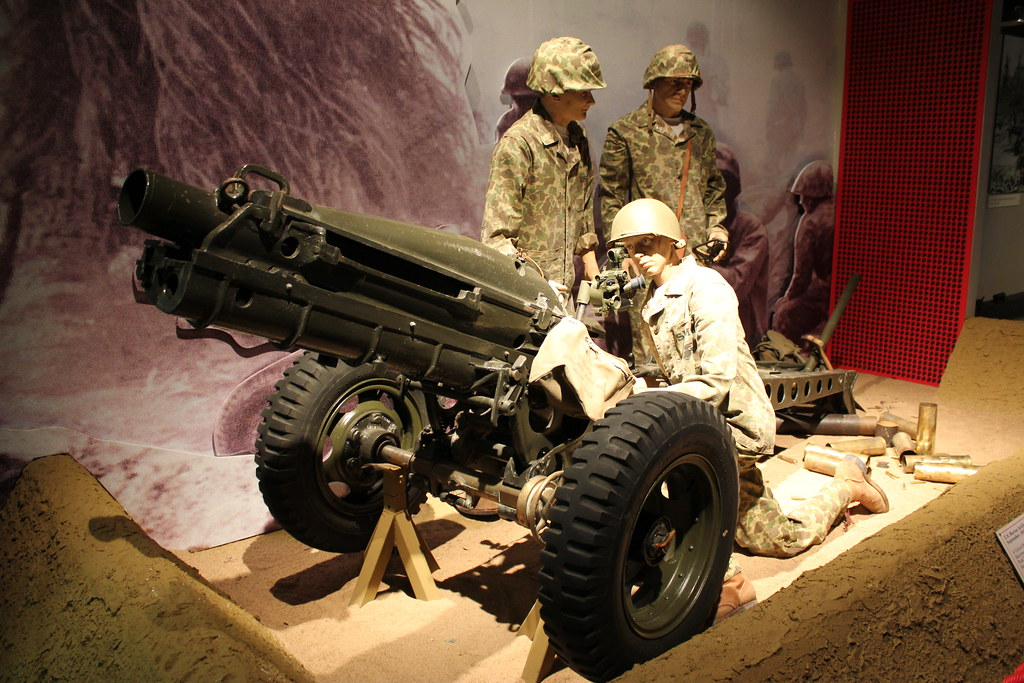
6. Artillery Raids during Operation Desert Storm
On January 21, 1991, Marines of F Battery, 2nd Battalion, 12th Marines conducted the first U.S. ground-based offensive of Desert Storm, firing 71 rounds into Iraqi positions. These raids disrupted enemy artillery, confused defenders, and masked the locations of planned breaches in Saddam Hussein’s obstacle belts. Supported by aviation, reconnaissance, and deception operations, they exemplified the Corps’ integrated air-ground team in action.
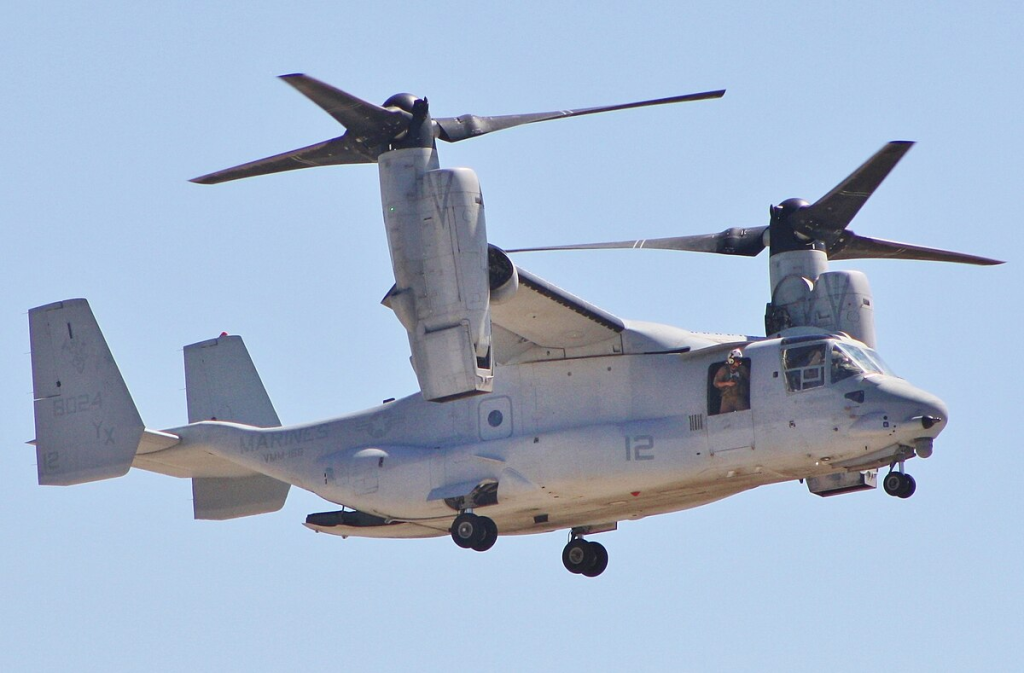
7. Combat Debut of the MV-22 Osprey
The MV-22 Osprey tiltrotor redefined Marine aviation in terms of speed, range, and altitude. In 2011, an Osprey resupplied pinned-down Marines in Afghanistan’s Sangin River Valley after ground convoys and a medevac flight had been heavily fired upon. Entering a hot zone, offloading under fire, and executing a rapid egress, this crew delivered necessary supplies without loss-a mission showing that this aircraft was a game-changer.
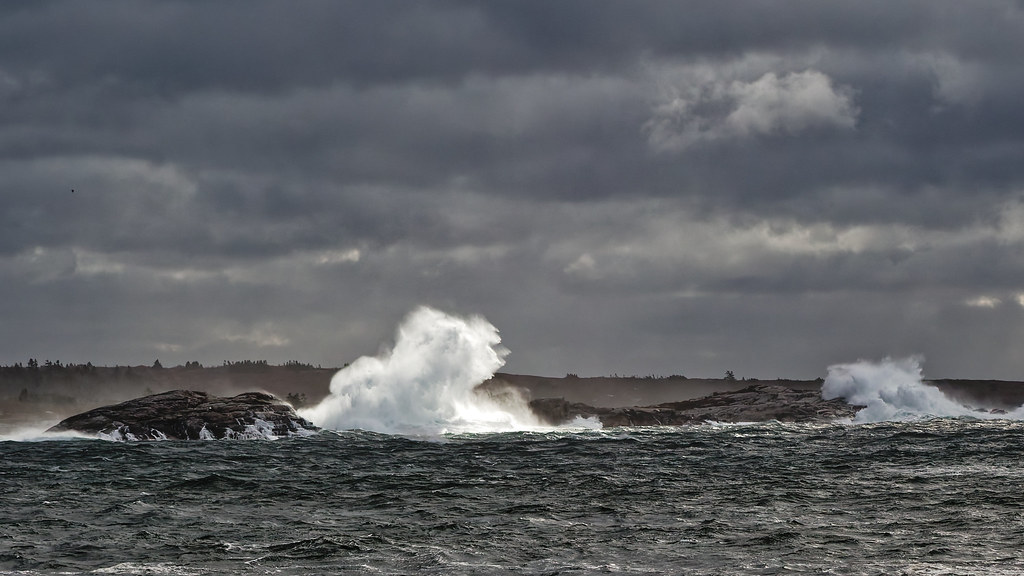
8. Humanitarian Relief in Jamaica, 2025
When Hurricane Melissa pounded regions of the Caribbean, the 22nd Marine Expeditionary Unit was already in the region aboard the USS Iwo Jima. Marines delivered supplies, evacuated civilians, and supported local authorities. This operation underlined the Corps’ role as a crisis-response force, able to shift gears from combat readiness to humanitarian aid within hours.
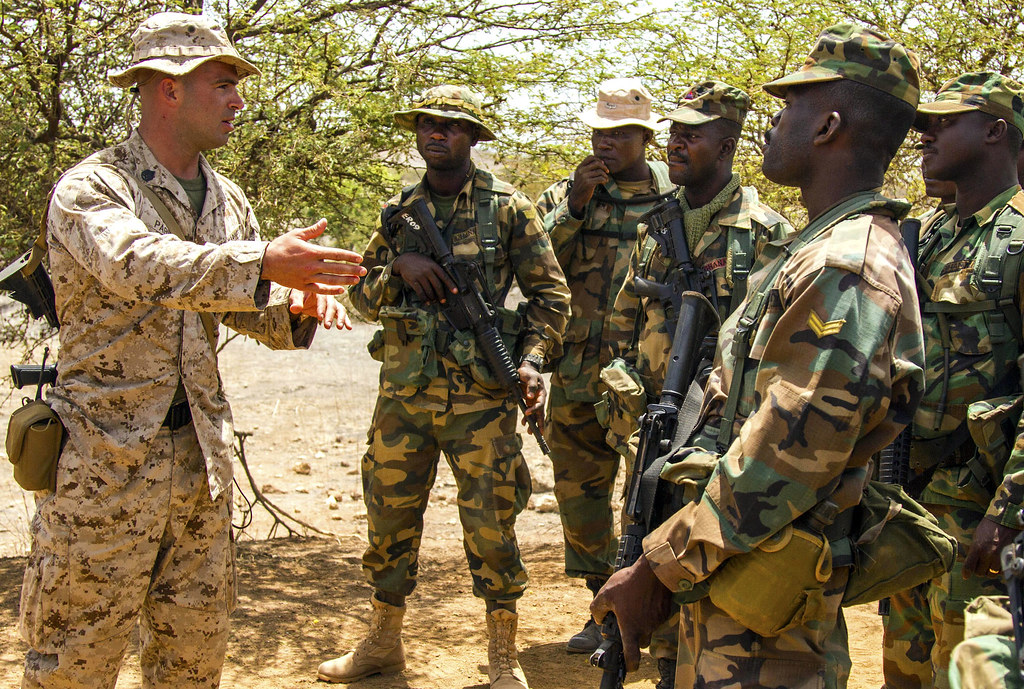
9. Force Design 2030 and the Marine Littoral Regiment
Confronted by new threats in the Indo-Pacific, the Corps is taking shape anew under Force Design 2030. The Corps is divesting heavy armor for lighter, agile, and distributed units, such as the Marine Littoral Regiment. Such formations can be inserted by air or sea, establish expeditionary bases, emplace missile systems, and reposition before an adversary can detect them-a modern rendition of the amphibious spirit, adapted to defeat a near-peer adversary.
10. From Iwo Jima to the Future
The raising of the flag by Marines atop Mount Suribachi in 1945 is an indelible image that spoke volumes about determination. That same ethos propels today’s Marines to train on multi-domain operations, integrate unmanned systems, and prepare for contested logistics. From high-intensity combat to disaster relief, the Corps is still putting into practice its motto: Semper Fidelis Always Faithful. Two and a half centuries after its founding, the U.S. Marine Corps remains a force defined by adaptability, grit, and an unbreakable bond among its ranks. The tools have changed-from wooden ships and muskets to tiltrotors and precision missiles-but the mission endures: to be ready, anywhere, anytime. As history shows, the Marines are not just witnesses to America’s battles-they are often the ones that turn the tide.

