Who really rules the skies, the one that climbs like a rocket, the one that flies farther than a refueling tanker can reach, or simply outruns anything that dares to chase it? In modern aerial warfare, speed and range aren’t just numbers on a spec sheet-climb rate included-they are decisive factors that will mark whether a fighter jet dominates or disappears. From Cold War interceptors designed to counter supersonic bombers to stealth platforms designed for beyond-visual-range kills, today’s top fighters encompass decades of aerodynamic refinement, propulsion breakthroughs, and tactical doctrine. This listicle looks at nine notable jets, comparing raw performance metrics with the engineering and operational contexts that make those numbers matter.
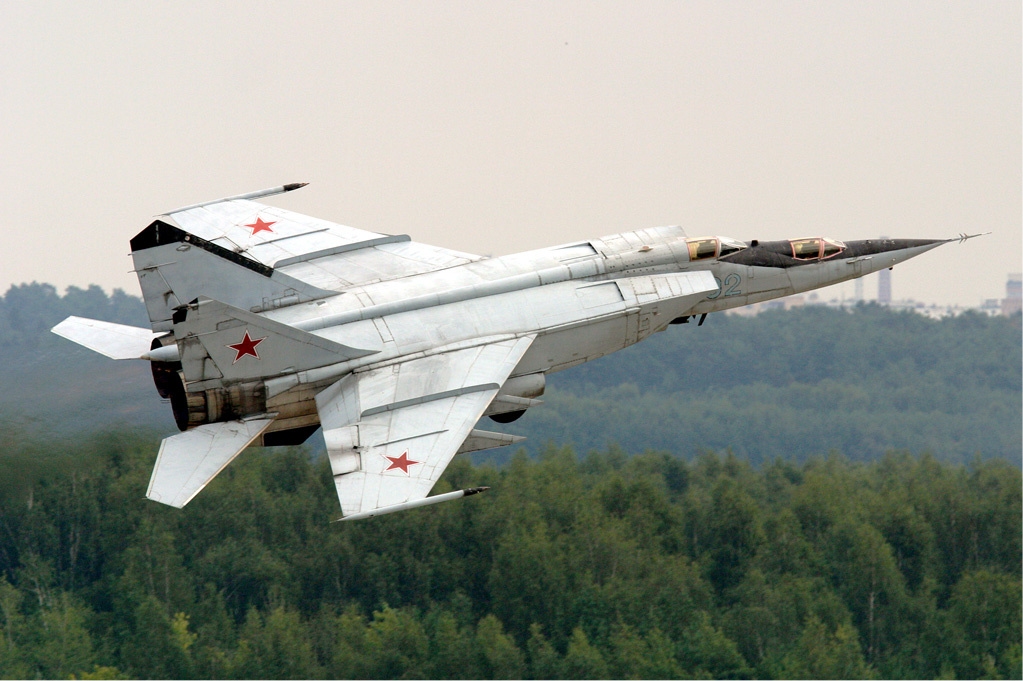
1. MiG-25 Foxbat – Mach 2.83 Interceptor
Developed by the Mikoyan-Gurevich bureau as a response to both the XB-70 Valkyrie and the SR-71 Blackbird, the MiG-25 still ranks among the fastest operational fighters ever built. With a top speed of Mach 2.83 (≈1,900 mph), a mission radius of 1,200 km, and a climb rate near 40,000 ft/min, it was optimised for high-altitude interception rather than agility. Powered by Tumansky R-15 turbojets producing over 33,000 lbf of thrust, its large swept wings and pointed nose housed radar capable of detecting targets up to 75 miles away. While formidable in its intended role, high fuel consumption and limited range, coupled with its size, further reduced maneuverability at lower speeds. However, it was its speed and altitude performance in a conflict like the Persian Gulf War that enabled it to avoid the tracking of conventional radar systems and deliver reconnaissance data even in hostile conditions.
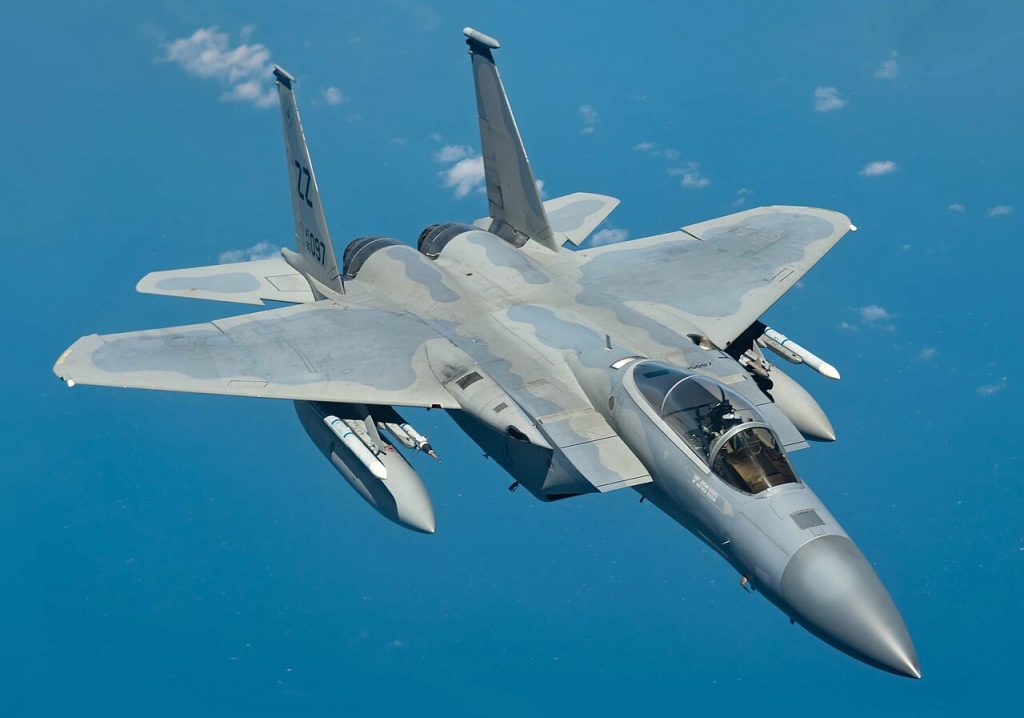
2. F-15 Eagle-Mach 2.5 Multirole Dominance
The F-15 Eagle was introduced in 1976 to secure U.S. air superiority, having a top speed of Mach 2.5 (≈1,650 mph), a ferry range of 3,900 km, and a climb rate of more than 58,000 ft/min. The aircraft features twin Pratt & Whitney F100 afterburning turbofans with rapid acceleration and can maintain supersonic flight. Boeing’s production longevity testifies to its adaptability; with modernized avionics and weapons, it stays relevant. The thrust-to-weight ratio of the Eagle allows steep climbs and aggressive maneuvers in combat, hence being effective in both interception and strike missions. Its operational history includes engagements where speed and climb rate provided decisive positional advantage against adversaries.
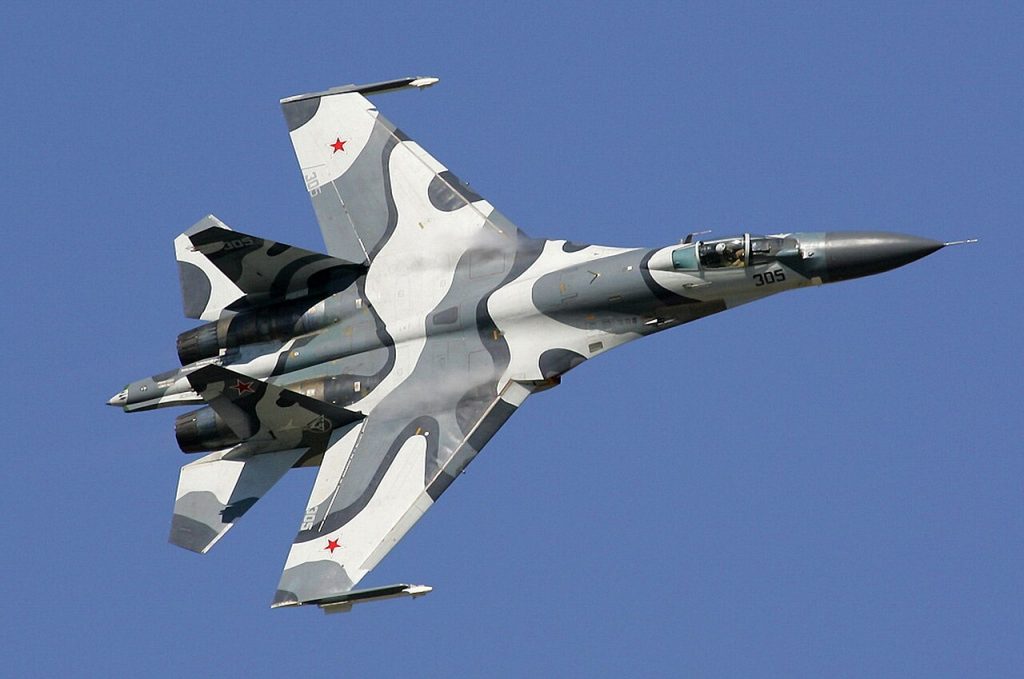
3. Su-27 Flanker – Mach 2.35 and Supermaneuverability
The agility of the Su-27 is complemented by its top speed of Mach 2.35 (≈1,600 mph), over 3,530 km range, and climb rate near 59,000 ft/min. With a Saturn AL-31F afterburning turbofan, it can perform advanced maneuvers like “Pugachev’s Cobra” and “Kulbit,” exploiting aerodynamic instability and thrust vectoring-like nozzle canting for close combat dominance. With a large fuel capacity, extended patrols are possible, while its combat roles include air superiority, interception, and ground attack. The fact that it has been operationally used in conflicts from Chechnya to Ukraine underlines its versatility and survivability in contested airspace.

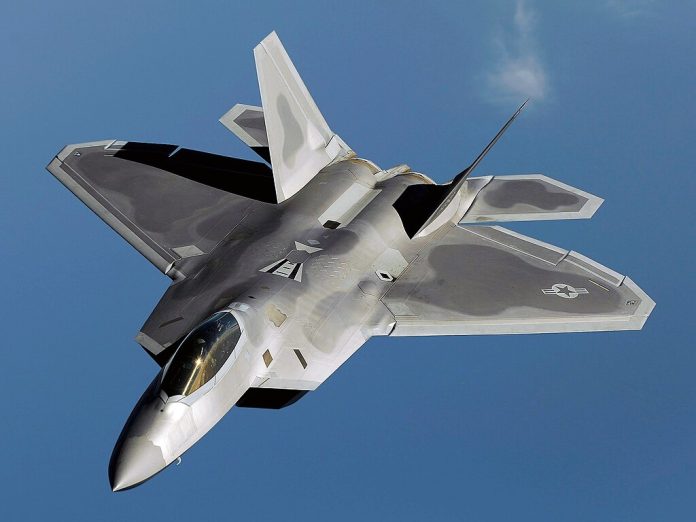
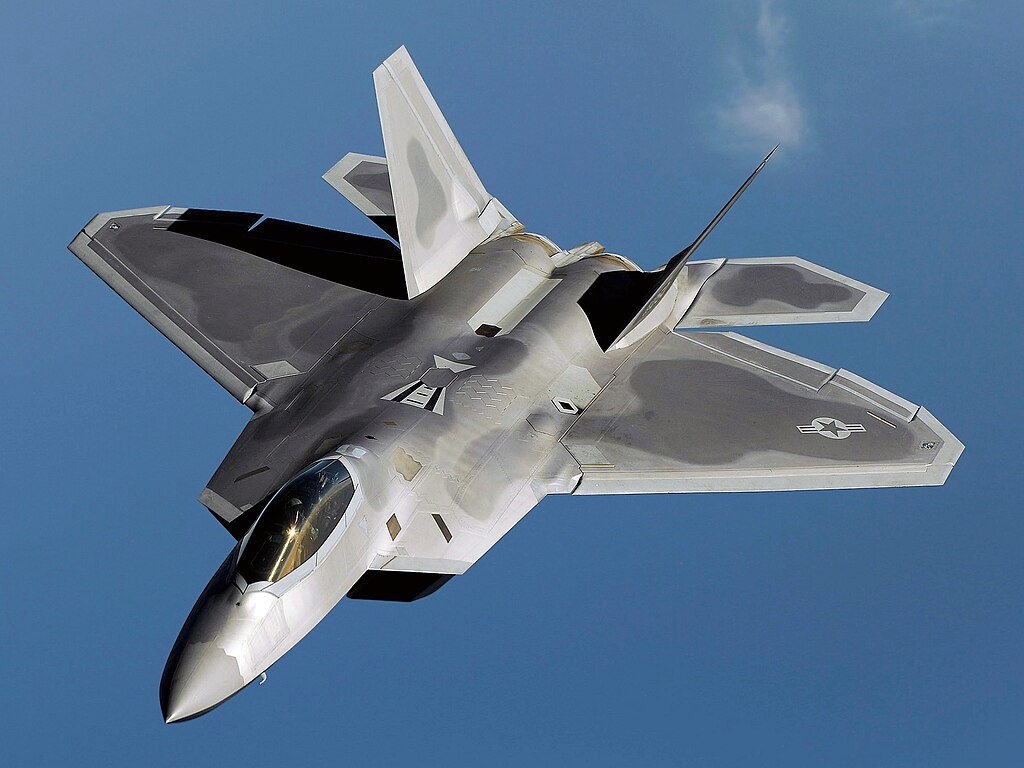
4. F-22 Raptor – Mach 2.25 with Supercruise
The F-22 of Lockheed Martin has a Mach number of 2.25, which is ≈1,500 mph, with a range of 3,000 km and an unrivaled climb rate of 62,000 ft/min. Its Pratt & Whitney F119 turbofans enable supercruise, meaning supersonic cruise performance without afterburners, reducing fuel burn and infrared signature. The 2D thrust vectoring on the Raptor compensates for its pitch agility because of its stealth-optimized exhaust design. Moreover, the operational doctrine excels in engagements beyond visual range, fusing stealth, sensor fusion, and speed to neutralize threats well before they can be detected. The ability to reach Mach 1.2 in 25 seconds reflects raw acceleration capability critical for interception and evasion.
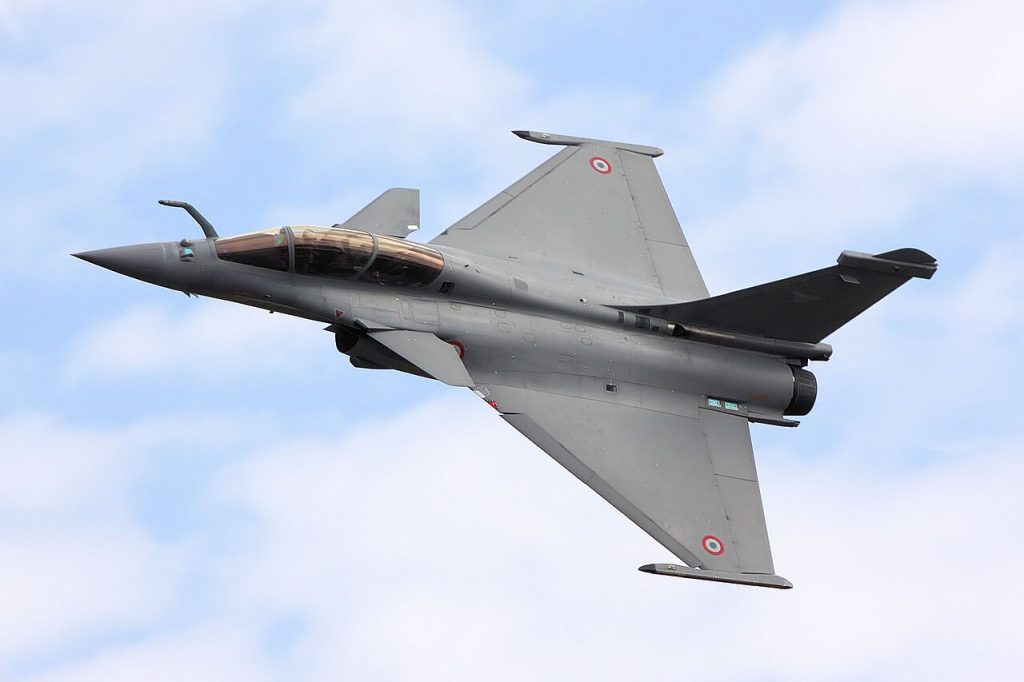
5. Rafale – Mach 1.8 Multirole Precision
Dassault’s Rafale combines Mach 1.8 (≈1,390 mph) speed with a 3,700 km range and a climb rate of almost 60,000 ft/min, adding advanced avionics like the SPECTRA electronic warfare suite. High agility despite a lack of thrust vectoring is achieved with the Aerodynamic delta wing-canards combination. The French Air Force figures claim a +9g rating, with tolerance up to +11g for emergency situations. Operational history includes Libya, Mali, Iraq-Syria, and recent anti-drone missions in 2024. While competitive against 4.5-generation peers, its reduced radar cross-section cannot match 5th-generation stealth and thus demands tactical adaptation against aircraft such as the F-35.
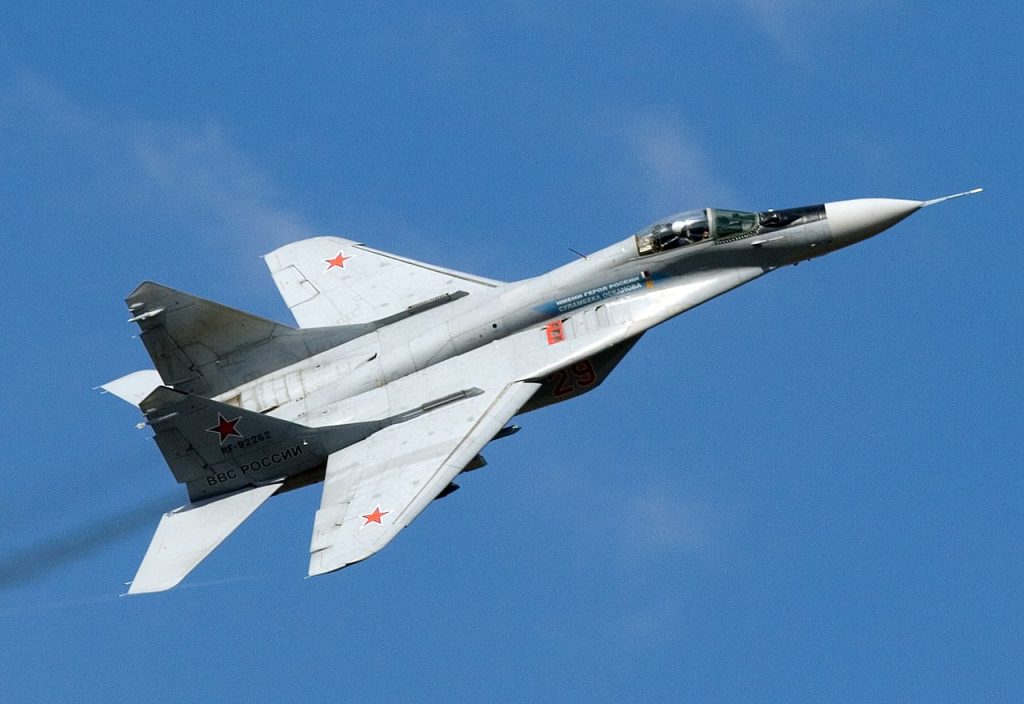
6. MiG-29 Fulcrum – Mach 2.3 Tactical Climber
The speed was Mach 2.3 (about 1,520 mph), the range was 2,100 km, the climb rate over 37,000 ft/min, and the MiG-29 had rapid response in mind. Quadruplex fly-by-wire controls for precision handling, and variants such as the MiG-35 introduce modernized avionics and optional thrust vectoring. Since it is used for fast interception, the climb rate is a determining factor to get into engagement altitude in quick time. Airshows have proved that it is capable of doing tight turns and vertical climbs, although range limitation restricts long-range missions.

7. Su-57 Felon: 3D Thrust Vectoring Agility
The Su-57 of Russia prioritizes supermaneuverability and close-range combat over pure stealth. Advanced 3D thrust vectoring permits turn rates up to 30°/sec, allowing extreme angles of attack. Official metrics of speed and climb remain classified, but open sources place it as one of the fastest and most agile fighters in service. As test pilot Rafael Suleymanov said, it “allows the pilot to fly in any conditions, at any speed, at any angle of attack”. Operational use in Ukraine with Kh-69 and R-37 missiles showcases its multirole capability.

8. Eurofighter Typhoon – Mach 2 with Aerodynamic Upgrades
The airframe of the Typhoon was designed to be intentionally unstable, resulting in its Mach 2 top speed, high agility, and quadruplex fly-by-wire system. Airbus test pilot Raffaele Beltrame reported aerodynamic upgrades yielding “angle-of-attack values around 45% greater” and “roll rates up to 100% higher” than standard aircraft (2015 trials). Though future upgrades are uncertain, the focus having shifted to 6th-generation projects, the combination of speed and maneuverability makes it competitive in NATO inventories.
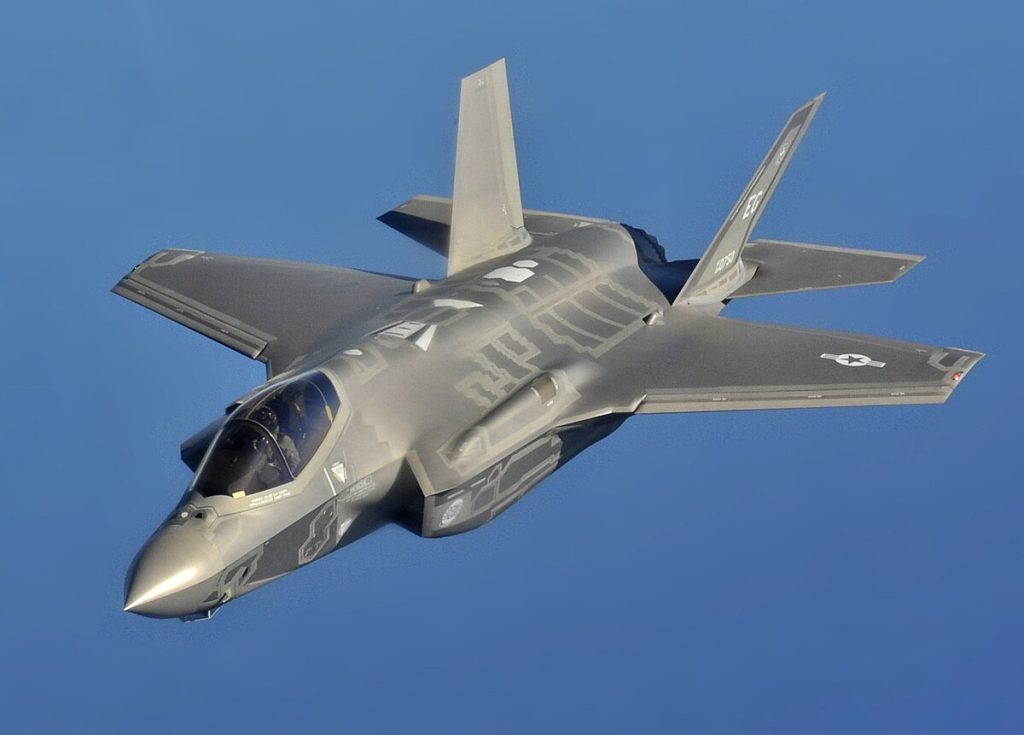
9. F-35 Lightning II – Stealth Over Speed
With a top speed of around Mach 1.6, the F-35 has sacrificed raw velocity for stealth, sensor fusion, and interoperability. Range varies by variant, but the F-35A has a range in excess of 2,200 km. The advanced flight computer optimises handling, while STOVL-capable F-35B utilizes LiftFan technology for short takeoff and vertical landing agility. Export pricing (~$140M) undercuts the Rafale despite greater stealth capability, and operational feedback from allied air forces indicates high satisfaction with its integrated combat systems.
In comparing these nine fighters, the raw metrics of Mach number and climb rate reveal only part of the story. Engineering choices-from thrust vectoring to supercruise-reflect doctrinal priorities, whether intercepting high-speed threats, dominating dogfights, or striking from beyond visual range. The true combat potential of speed, range, and climb is impossible to evaluate by military aviation professionals without integrating them with avionics, stealth, and manoeuvrability.


