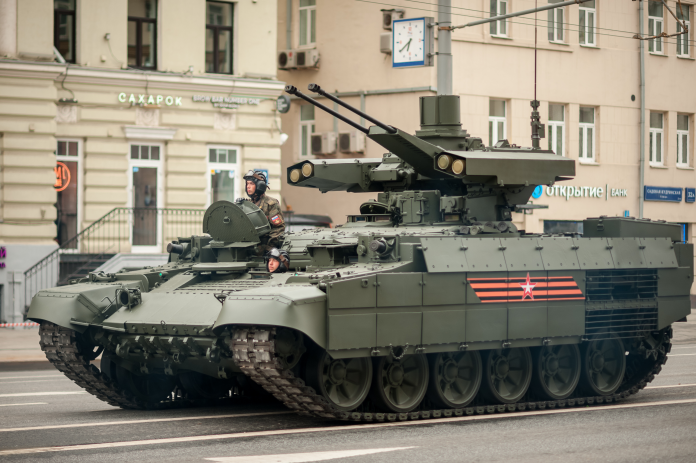
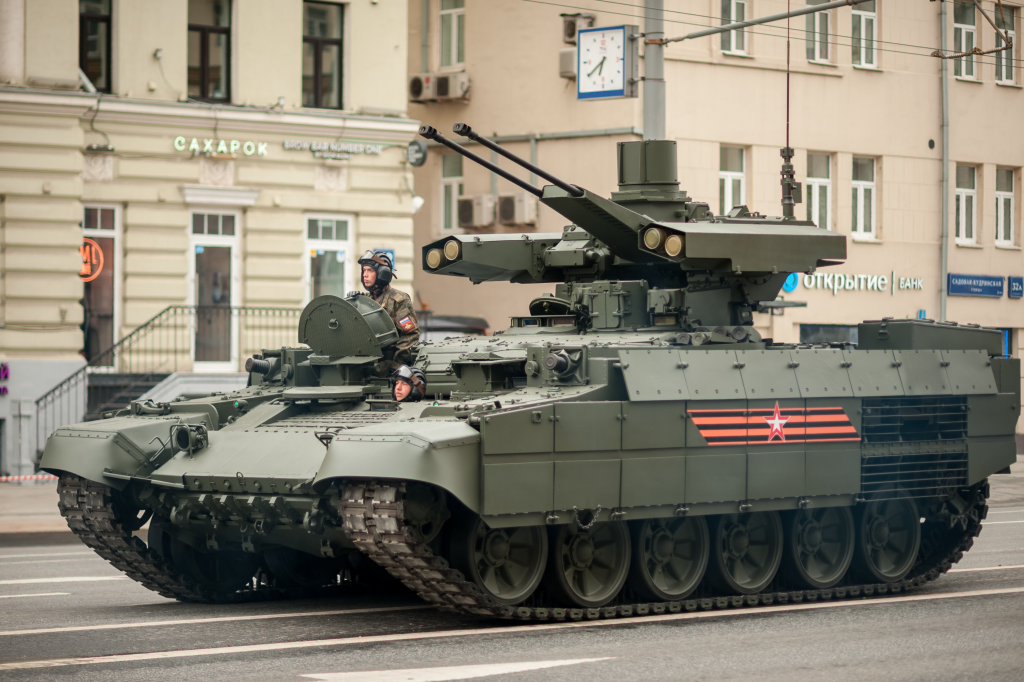
Can a tank in the shape of a war machine capable of weathering the most ferocious urban combat be defeated by a $500 drone? Russia’s BMPT “Terminator” was designed as the ultimate tank support vehicle an armored track-mobile fortress to protect main battle tanks from infantry and anti-tank missiles. But in Ukraine, the well-armed and well-armored monster has received an eye opener.
Born out of the inferno of Chechnya’s brutal street fighting, the Terminator brought unmatched firepower, defense, and mobility. It was promoted as an elite, shortage tool that would turn around the balance of high-tech mechanized warfare. Yet its combat performance is more complex one of innovation, propaganda, and weakness.
This tally dissects the most informative comments about the BMPT’s design, deployment, and performance on the battlefield, demonstrating how a weapon once described as “almost impossible to destroy” has been eclipsed.
1. Chechen Urban Mayhem Origins
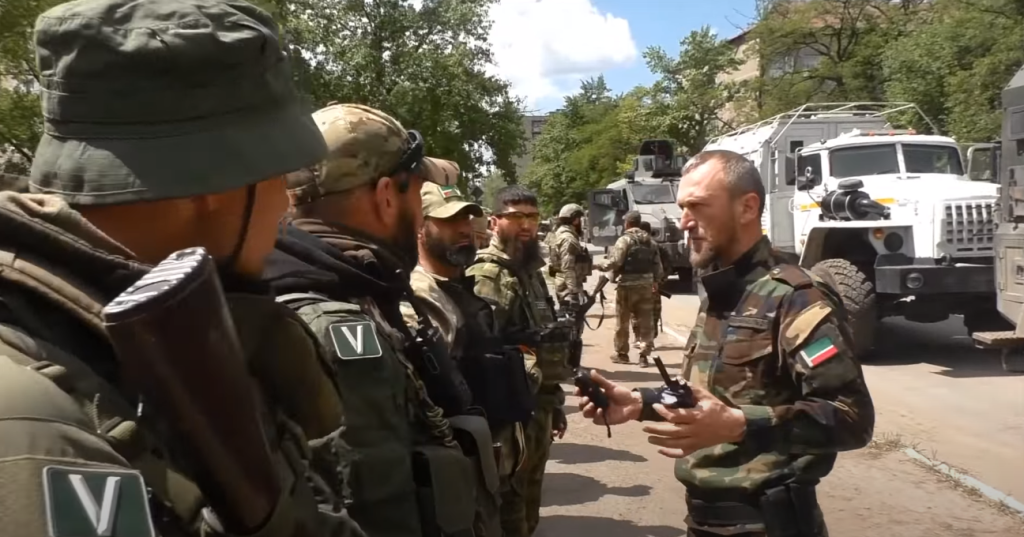
The idea of the BMPT came after Russian troops endured appalling losses in Grozny in the First Chechen War. The Soviet tactics and vehicles designed for open-field combat were disastrous in the city environment. Troops reacted by employing anti-aircraft guns such as the ZSU-23-4 “Shilka” to shoot at infantry, but these were not armored to withstand close combat. UralVagonZavod’s answer was to pair main battle tank armor with a high-rate-of-fire platform to fire in the rooftop-to-trench battlefield. The end result hybrid was to be the basis for the BMPT family.
2. Drawing From Time-Tested Tank Frames
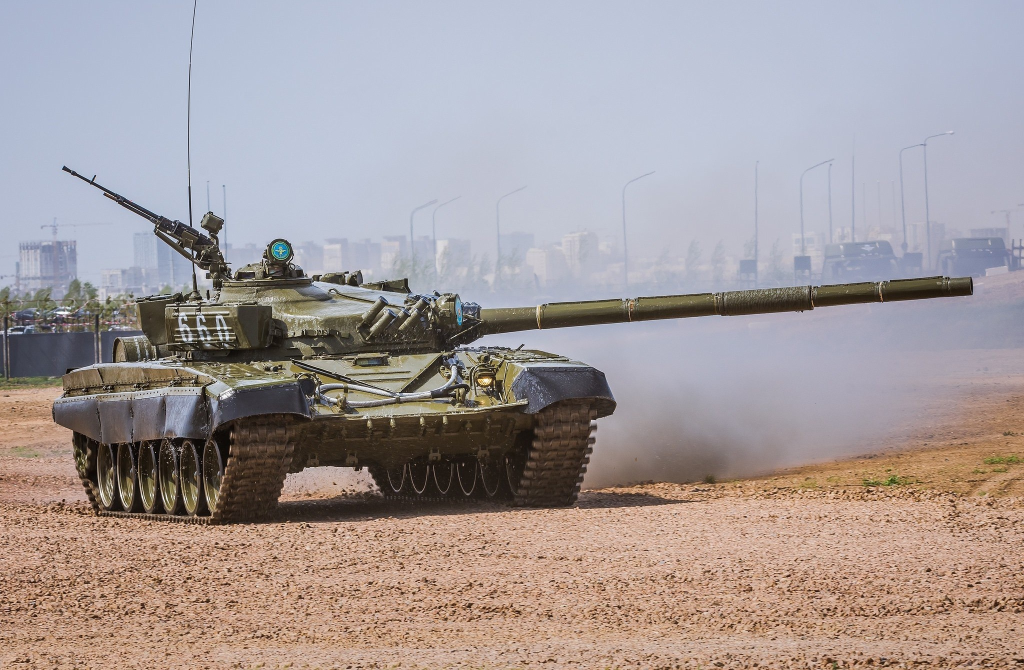
The BMPT utilizes the chassis of the T-72, T-90, or T-14 Armata and in the process will be capable of taking advantage of Russia’s best-selling tanks’ armoring and mobility.
Not only did this simplify the manufacturing process but also provide logistical compatibility with already available armored troops. Its low-profile turret, remote control nature of the vehicle decrease its target signature, and its armored construction with Relikt explosive reactive panels is specifically intended to defeat new anti-tank systems.
3. Powerful Multi-Target Firepower
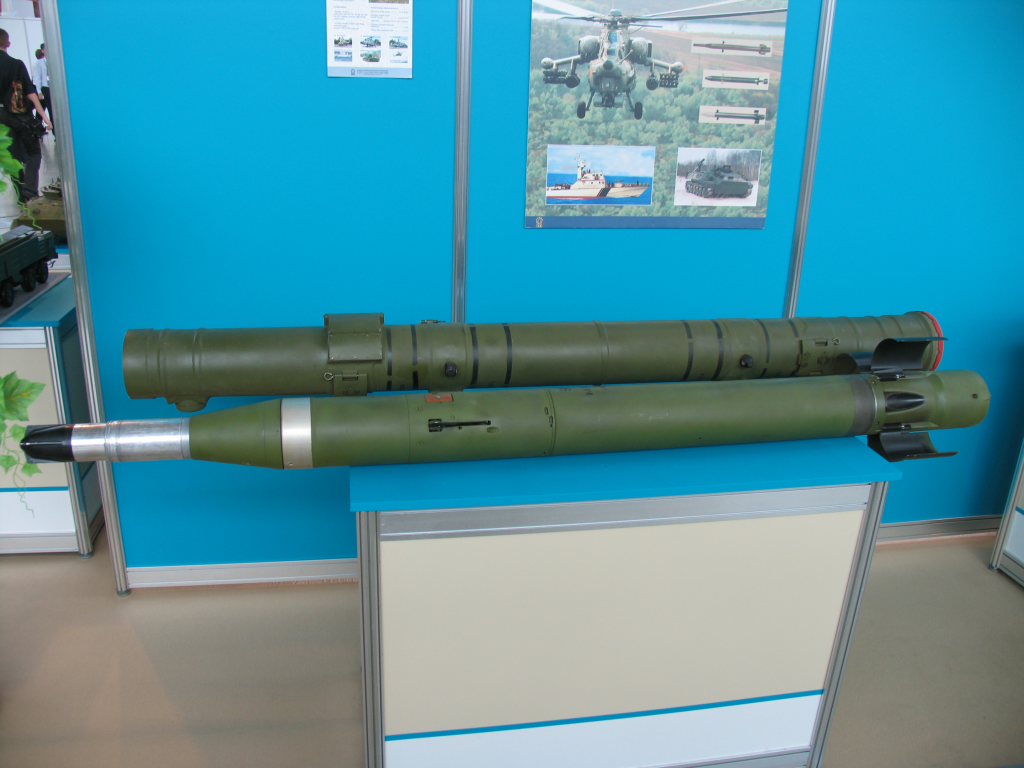
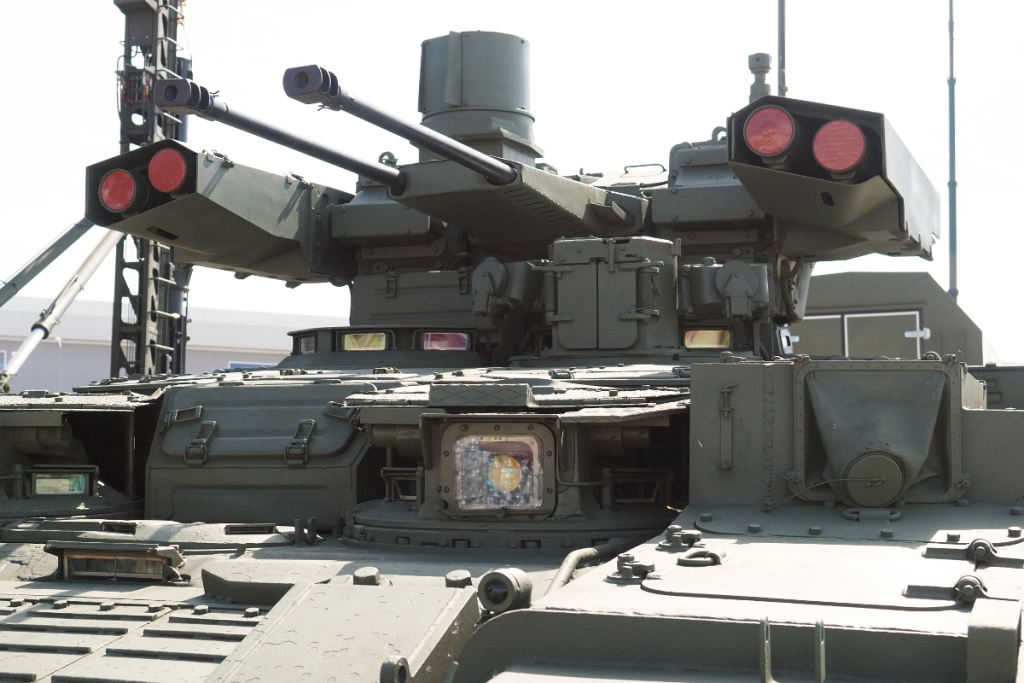
With double 30mm 2A42 autocannons with a rate of fire of 12 rounds per second each, four 9M120 Ataka missile launchers with a range of 6,000 meters, and with optional double 30mm grenade launchers, the BMPT can destroy infantry, armored vehicles, drones, and fortifications. The Ataka missiles are in anti-tank and thermobaric variants that can kill bunkers and buildings. The availability of a coaxial 7.62mm PKTM machine gun provides close-in suppression.
4. Additional 2025 Battlefield Upgrades
The new 2025-series BMPTs are equipped with extra explosive reactive armor, side heavy plating, drone-screening mesh screens, and electronic warfare equipment. UralVagonZavod quoted that the additions were prompted by combat directly within Ukraine. The anti-drone capabilities metal spikes and mesh protection on weak points are an indication of growing threats from quadcopters and loitering munitions along the front lines.
5. Few in Number, Greatly Expected
Albeit renowned, the BMPT is rare. Fewer than 300 are estimated to have been built, and there have been few sightings in Ukraine since they became visible in May 2022. They have been witnessed by footage operating in Luhansk and Donetsk, often with tanks among urban or forested environments. Russian military strategists have called for mass production, but defense industry politics and other requirements have kept quantities to small numbers.

6. Early Combat Successes — and Propaganda
Russian government media and military blogs have asserted that the BMPT “had a staggering casualty rate” and even made Ukrainian soldiers retreat when they laid eyes on it. A BMPT command crew commander reported to RIA Novosti that “the enemy trench was actually walked over in practice.” But experts warn that such reports tend to mix propaganda with fact and are seldom verified independently.

7. Ukrainian Kills and Countermeasures
Ukraine has been fairly successful in killing the BMPT. Its first reported loss occurred in February 2023, when the 140th Separate Reconnaissance Battalion knocked out a Terminator near Luhansk before ultimately blowing it to scrap with artillery. Later kills included kamikaze drone group attacks, warehouse attacks, and combined-arms defenses. Through October 2025, open-source intelligence firm Oryx had visually identified three losses for the BMPT, although other sources claim the figure was likely higher.
8. Weakness in the Age of Drones
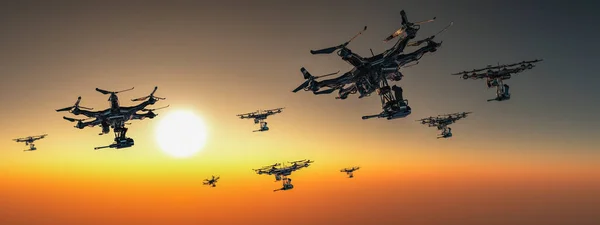
Though intended to defeat infantry and anti-tank crews, the BMPT has failed to counter drone warfare. In August 2023, Ukrainian special operations troops employed several drones to disable and destroy a Terminator in Donetsk. Even with added anti-drone armor, the vehicle’s bulk and thermal signature would render it a target for both loitering munitions and precision artillery engaged by UAV reconnaissance.

9. Strategic Implications for New Armor
The BMPT was designed to counter the weakness of tanks in close combat, but its dubious record in Ukraine shows a higher trend for armored warfare. Tank battles are not common; instead, they are attacked from above and out of line of sight. The idea of the BMPT multi-target firepower with heavy armor holds true but is impossible if not accompanied by superiority against drones and precision-guided ammunition.
The BMPT “Terminator” is the best and worst of contemporary armored warfare.
Designed to control the urban battlefield, protect tanks, and crush infantry formations, in Ukraine it has been brought low by flexible tactics and low-tech technologies. For defense planners, its tale is one less of the destruction of one vehicle and more of the dynamic nature of the battlefield where survivability is as much a function of counter-drone systems and sensitivity as firepower or armor plating.


