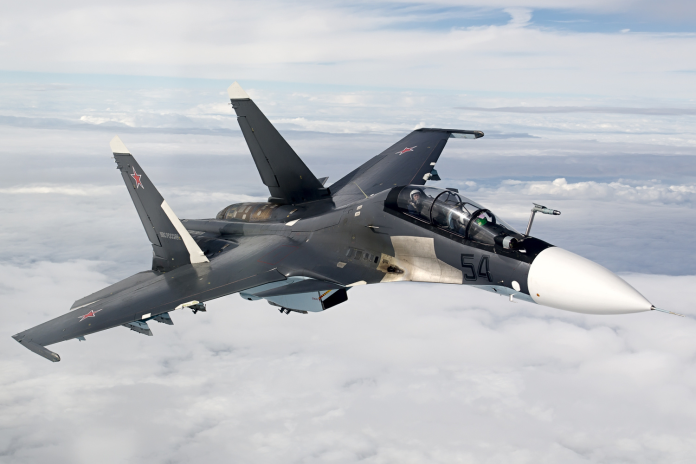
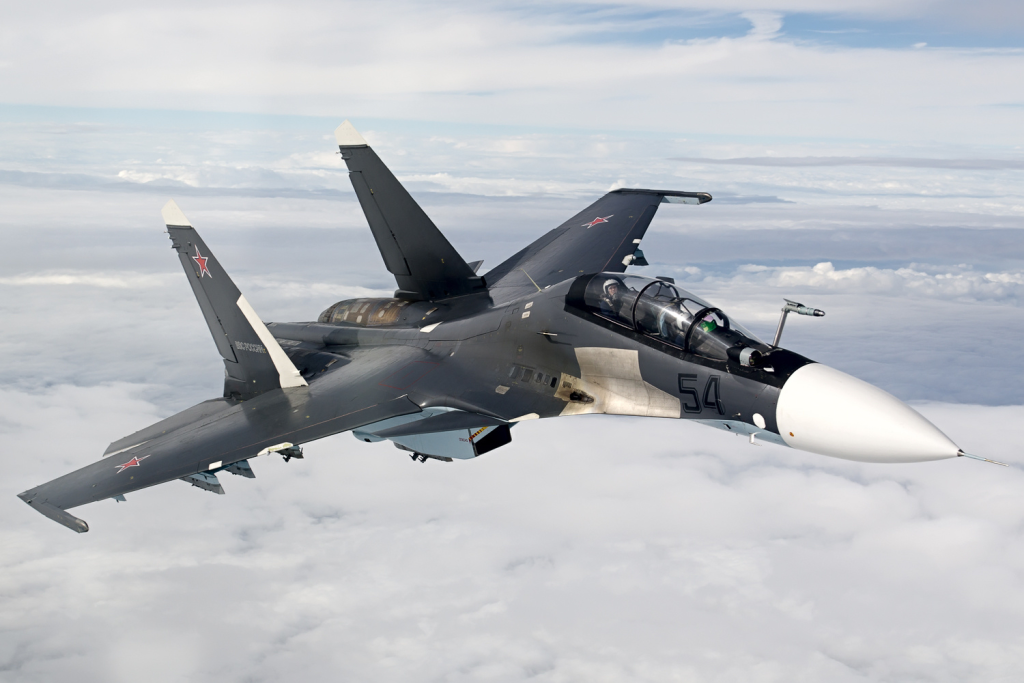
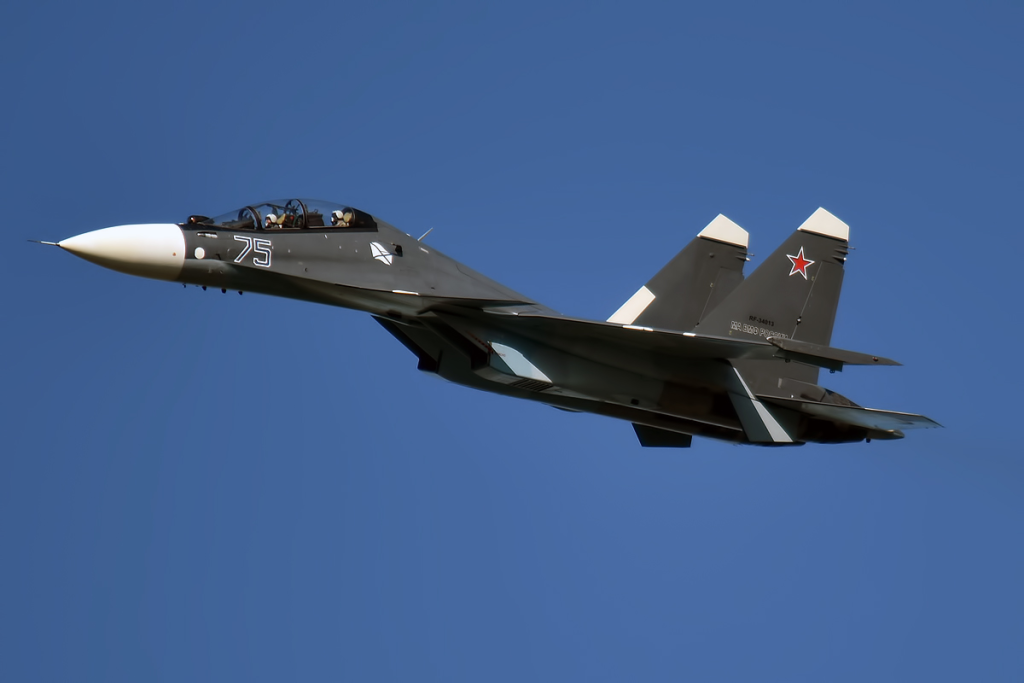
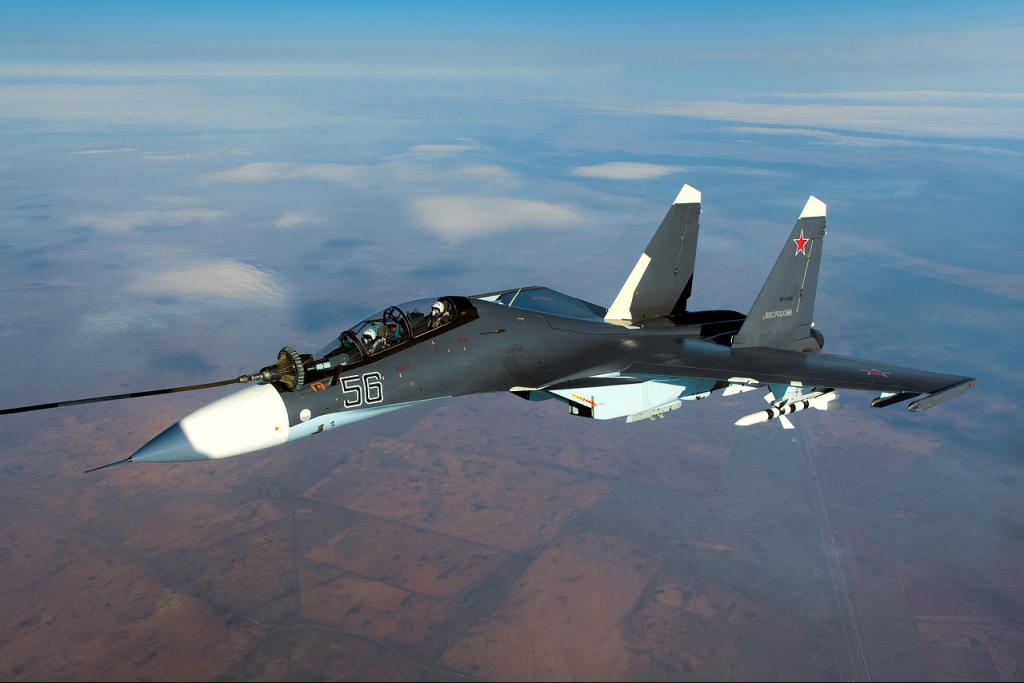
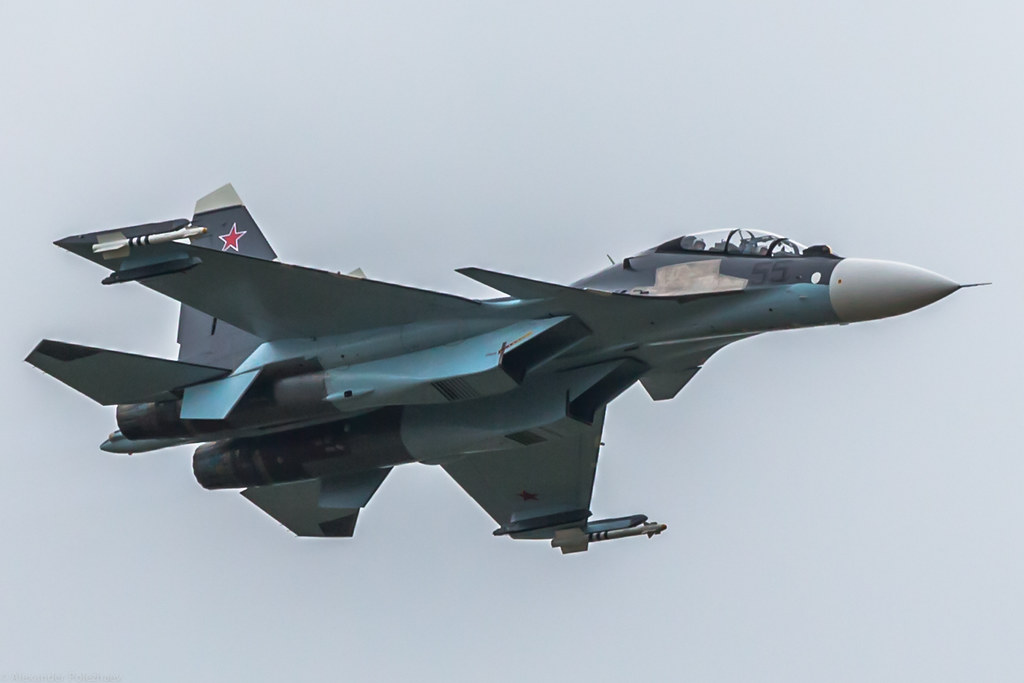
“They were repelling Ukrainian attacks so actively that they ended up shooting down their own aircraft.” Thus commented the Ukrainian Navy spokesman Dmytro Pletenchuk on the paradox of Russia’s latest high-value loss over the Black Sea. A Russian Su-30SM multirole fighter was reportedly downed by Russian air defenses on 17 October 2025 in an intense response to Ukrainian drone strikes.
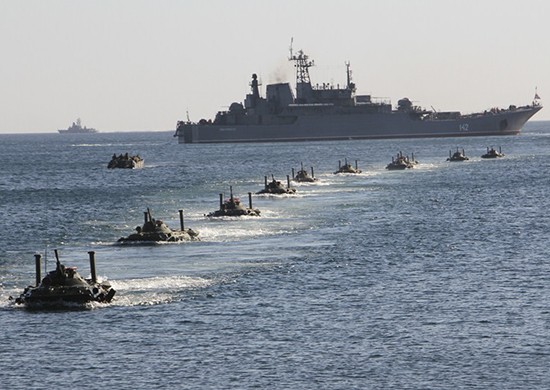
Beyond the one-time crash, the incident underlines how vulnerable advanced aircraft may be in a battlespace dominated by unmanned systems, fast innovation cycles, and chaos from simultaneous air and maritime threats. For the defense analysts, it brings the operational strains of the aviation units of the Russian Black Sea Fleet into perspective, and the tactics taking shape in the war.
From intercepted communications to the wider attrition of Russia’s 43rd Separate Naval Assault Air Regiment, here are seven key insights into what this loss means for Moscow’s air power and the shifting dynamics of conflict.
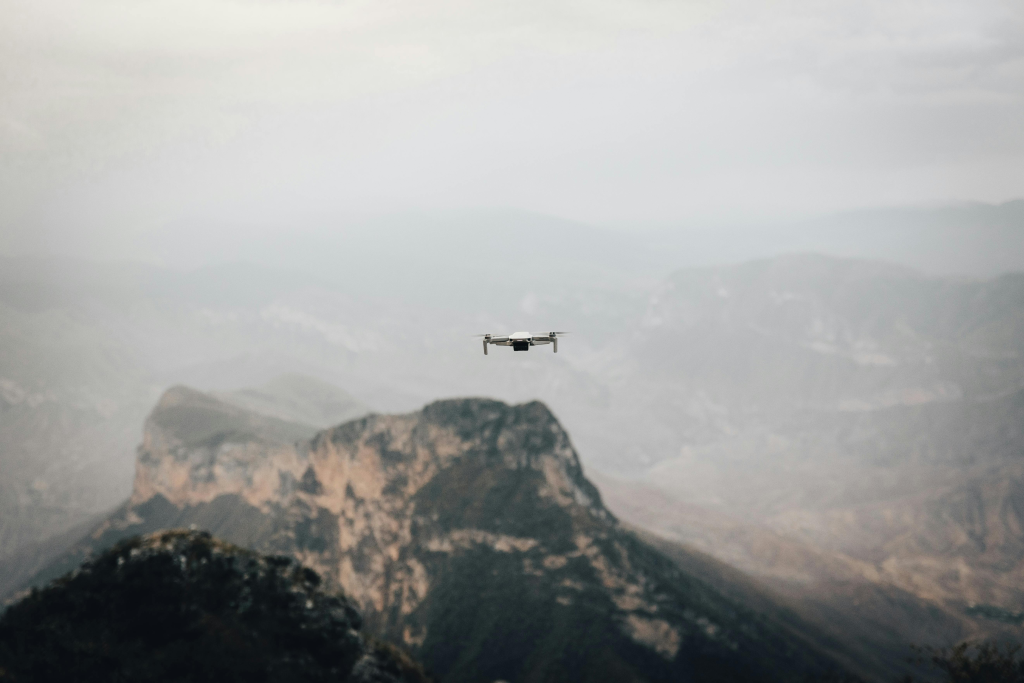
1. Friendly Fire in the Fog of Drone Warfare
The Ukrainian military intelligence said that intercepted radio traffic showed that both of the engines of the Su-30SM were on fire when the crew was bailed out over north-western Crimea. According to Pletenchuk, who talked to the Kyiv Independent, the fighter most likely fell to the Russian air defences while engaging with Ukrainian drones. The Ukrainian Navy said the incident is linked to the overnight strikes which damaged the infrastructure close to the Gvardeyskoye airbase, including an oil depot.
Meanwhile, the cause remains unaddressed by Russian sources, while pro-war bloggers speculate between technical malfunction and impacts from the debris of destroyed drones. That this shoot-down came in the context of a flurry of drone interceptions-Russian forces claimed 38 drones destroyed over Crimea and the Black Sea that night-shows how high-tempo defensive operations can result in costly mistakes.
2. The 43rd Regiment’s Shrinking Fleet
The loss of the Su-30SM accelerates an already steep decline in the strength of the 43rd Separate Naval Assault Air Regiment based at Saki airfield in occupied Crimea. According to Militarnyi, that unit started 2022 with 12 Su-30SMs; that number is now less than half after confirmed losses and damage. The attrition has come from a mix of air-to-air engagements, man-portable air-defense systems, and Ukrainian strikes on airbases.
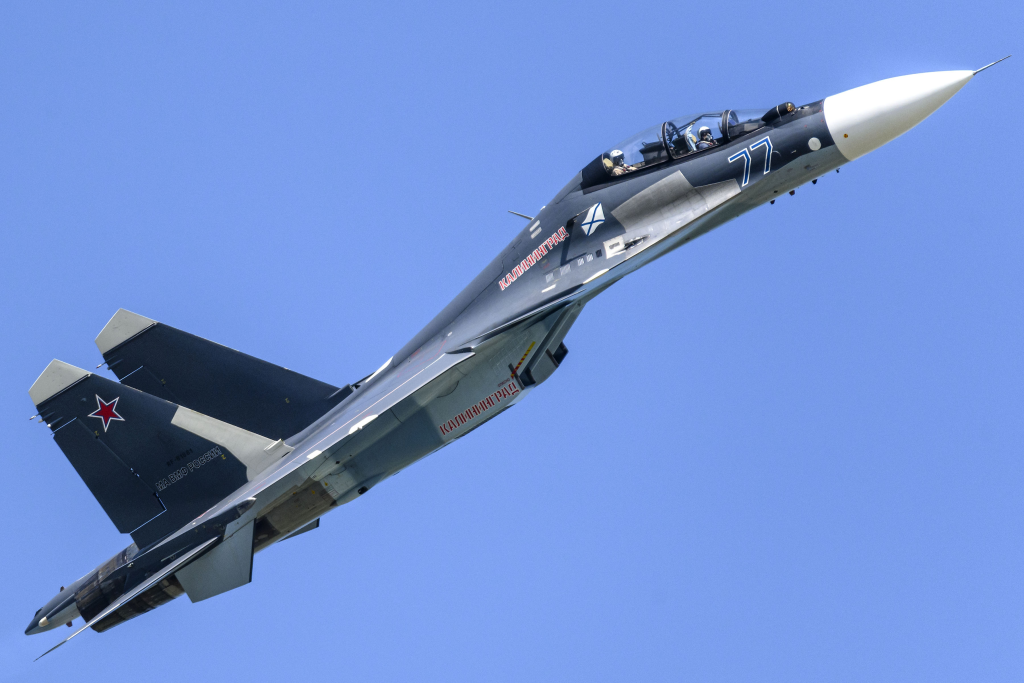
This is not the first; the latest incident cements a record already marred by high-profile losses, including the destruction of three Su-30SMs during the August 2022 Saki airfield strike and the unprecedented May 2025 downing of a Su-30SM by a maritime drone-launched AIM-9 missile.
3. High-Value Asset at Risk
But at an estimated unit cost of about $50 million, the Su-30SM is not a cheap investment in the Russian military. Losing one in a friendly fire incident was thus also highly strategic, but this type plays a crucial role not just in air defense but also in maritime patrols and suppression of enemy air defenses around the Black Sea. Losses in this category are especially straining on Russia’s ability to maintain persistent patrols and rapid-response capabilities, with the increasing drone threat from Ukraine compelling constant vigilance throughout these air and sea domains.

4. Ukrainian drone pressure on Crimea
The 17 October attack came as part of a broader and long-running Ukrainian campaign using long-range strikes with drones. In one overnight wave, Ukrainian drones struck deep inside Russia and occupied Crimea, including an oil refinery in Saratov Oblast and electrical substations across the Crimean Peninsula. These reportedly include the Gvardeyskoye base, said to store Iranian-designed Shahed drones. These strikes represent part of Ukraine’s strategy of degrading Russian military infrastructure, forcing Moscow to disperse defenses and increase the chances of operational mistakes such as the shootdown of the Su-30SM.
5. Naval Drones Redefining the Black Sea Battlespace
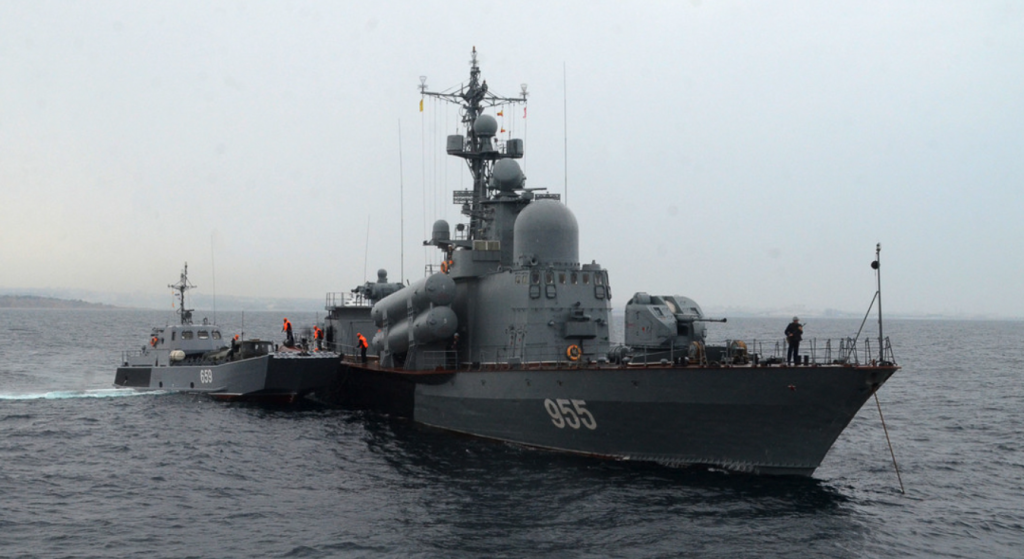
Ukraine’s naval drones have sunk warships, forced blockades, and even downed Russian helicopters and fighter jets. In May 2025, Ukrainian forces used a naval drone to launch air-to-air missiles that destroyed two Su-30SMs-a first in military history. This and other tactics have forced Russia’s Black Sea Fleet into defensive postures, hiding valuable ships in protected ports. The ability of these unmanned surface vehicles to double as FPV drone carriers, for example, has further blurred the boundary between naval and aerial warfare and made the Black Sea a testing ground for integrated unmanned combat.
6. Attrition across Russia’s Combat Aviation
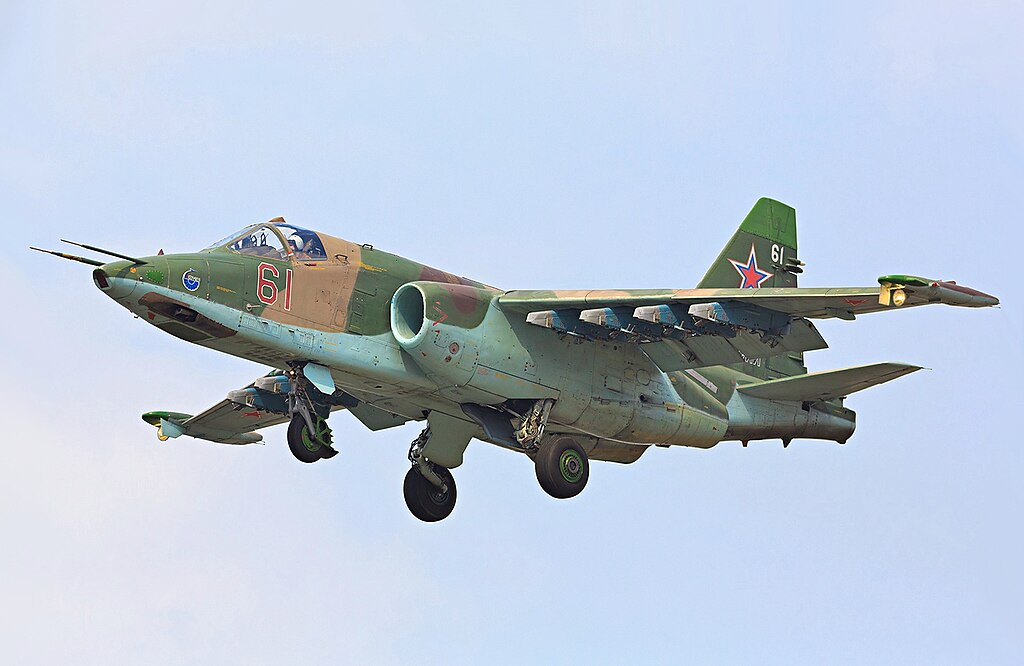
Beyond the 43rd Regiment, Russia’s wider combat aviation has taken some significant casualties. Conservative estimates put Su-30SM losses at at least five since the start of the invasion, with around ten Su-25s and ten Su-34s lost as well. These figures reflect the dangers of operating in contested airspace, where Ukrainian mobile air defenses, man-portable systems, and precision strikes can threaten even advanced fighters. Further, the high deployment rate, with reportedly 70% of Russia’s main aviation assets engaged in the war, increases the operational burden with few reserves and exposes elite units to sustained attrition.
7. Lessons for Modern Air Defense Integration
The friendly fire incident underlines the challenge of integrating air defense systems with manned aircraft in a battlespace saturated with unmanned threats. Rapid identification of targets, secure communication, and real-time coordination are key to avoiding misidentification. Ukraine’s own air defense success-agile deployment of mobile systems and real-time intelligence from NATO partners-shows how such integration is necessary. The loss of a Su-30SM to its own defenses is a stark reminder to Russia that in modern warfare, technological sophistication must be matched by procedural discipline and interoperable command structures.
The October 17 downing of a Russian Su-30SM over Crimea is symbolic of the shifting balance in the Black Sea theater. It underlines how Ukraine’s relentless drone campaign is wearing down Russian air power, how attrition is hollowing out elite aviation units, and how the fog of war can turn advanced assets into liabilities. To military planners and analysts, the incident drives home a central lesson of the conflict: in an era of integrated unmanned and manned operations, success hangs not just on hardware but on the systems, training, and coordination that tie them together.


