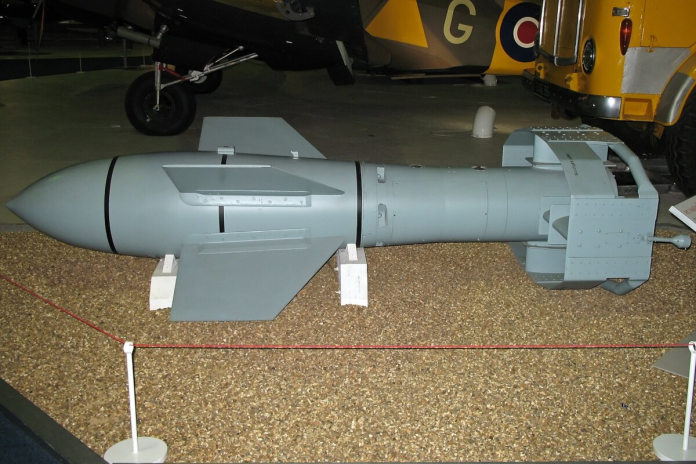
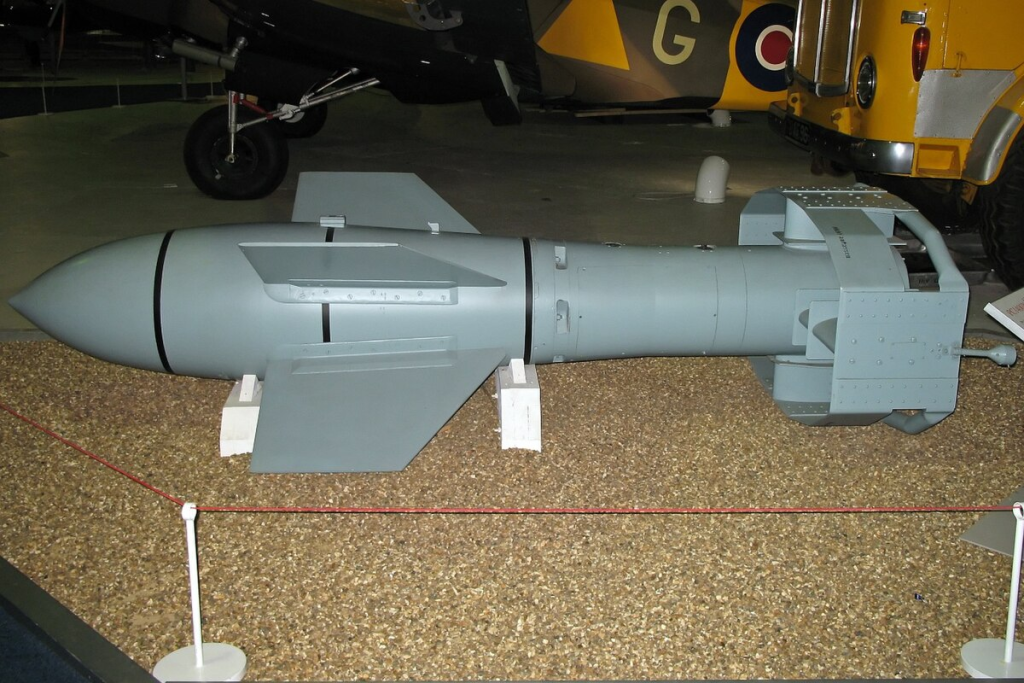
What happens when the weapon is cheap, devastating, and hard to stop? Ukraine is finding out in real time. The increasing use of guided aerial bombs-many retrofitted from Cold War stockpiles-by Russia has shifted battlefield dynamics and forced Kyiv to rethink its air defense and counterstrike strategies.
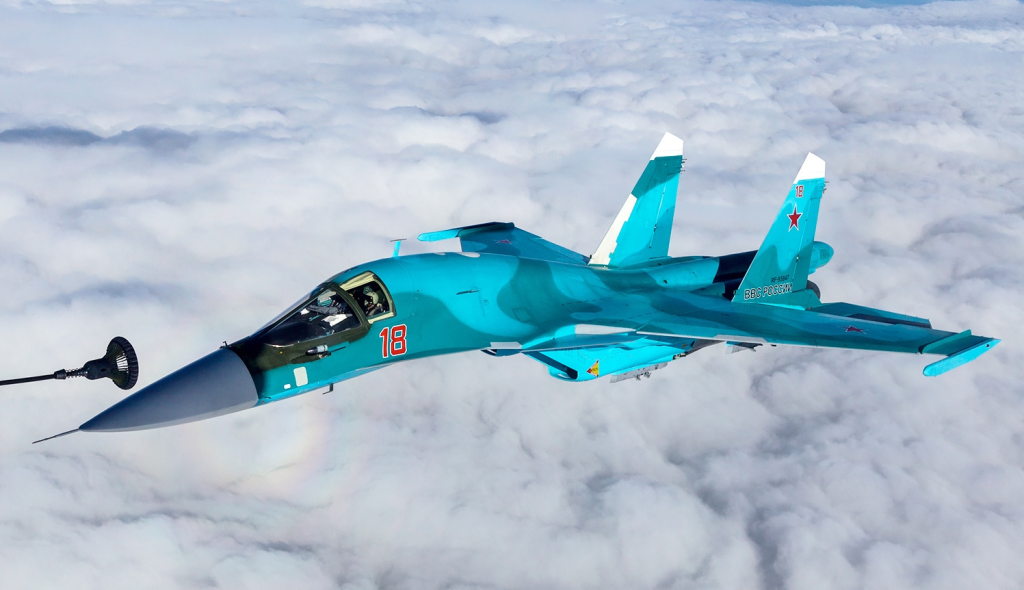
On October 20, the attacks continued as Russian Su‑34 and Su‑35 aircraft launched guided bombs from beyond the reach of most Ukrainian defenses against the Poltava region. This was not an isolated incident but rather a piece of a broader trend: Moscow’s mass use of glide bombs now upgraded with rocket propulsion to reach greater distances. These weapons are causing heavy damage to fortified positions and urban infrastructure while testing the limits of Ukraine’s ability to respond.
What follows is a deeper dive on the most critical aspects of the evolving threat, from the technical makeup of the bombs themselves to geopolitical and tactical implications, including what Ukraine and its allies are exploring in the way of countermeasures.
1. The October 20 Poltava Strike and Tactical Context
Beginning around 11:30 local time, Russian tactical aviation was dropping guided aerial bombs northbound in the direction of Kharkiv, at least one of which reached as far as the Poltava region by 11:45. Open-source intelligence channels watched multiple munitions head toward the district, though local authorities have yet to confirm any damage. The attack is illustrative of the stand‑off tactics that Russia has adopted whereby munitions are launched from safe distances without overflying Ukrainian air defense zones.
Such strikes are not random; they are part of a sustained campaign that has so far deployed more than 3,500 guided aerial bombs by Russia in 2024 alone-a massive increase from last year. The choice of target was symbolic, too: the Poltava region is important both logistically and symbolically, as it reflects Moscow’s intent to pressure Ukraine’s interior while conserving stocks of missiles.
2. The UPAB‑1500V and FAB‑500: Core Weapons in the Arsenal
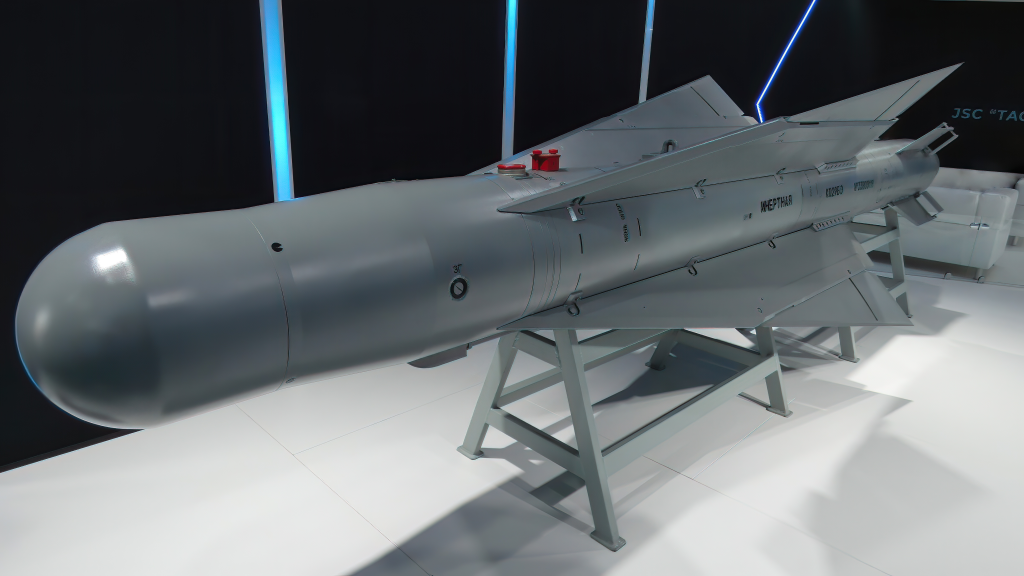
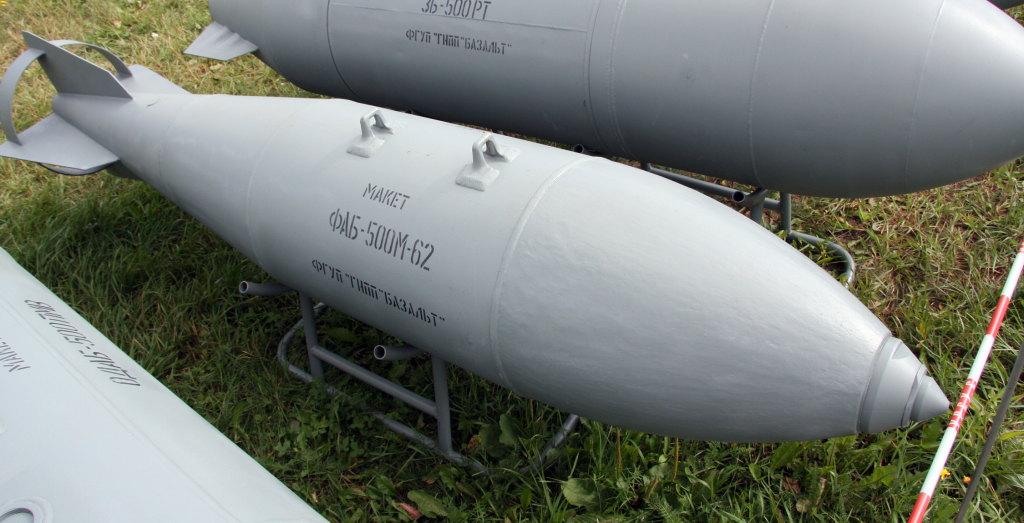
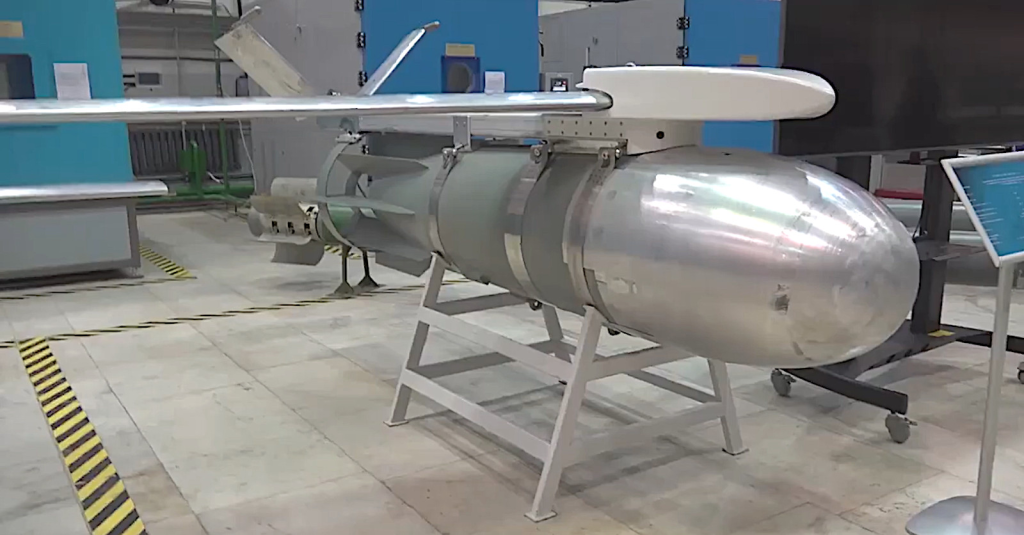
The UPAB‑1500V is one of the most destructive glide bombs developed in Russia. Its weight is 1.5 tonnes, including almost a tonne of high explosives. It can be launched from altitudes of about 15 km and can glide up to 50 km – perfect to destroy hardened targets like bridges and command posts. The main delivery platforms are Su‑35 fighters and Su‑34 bombers.
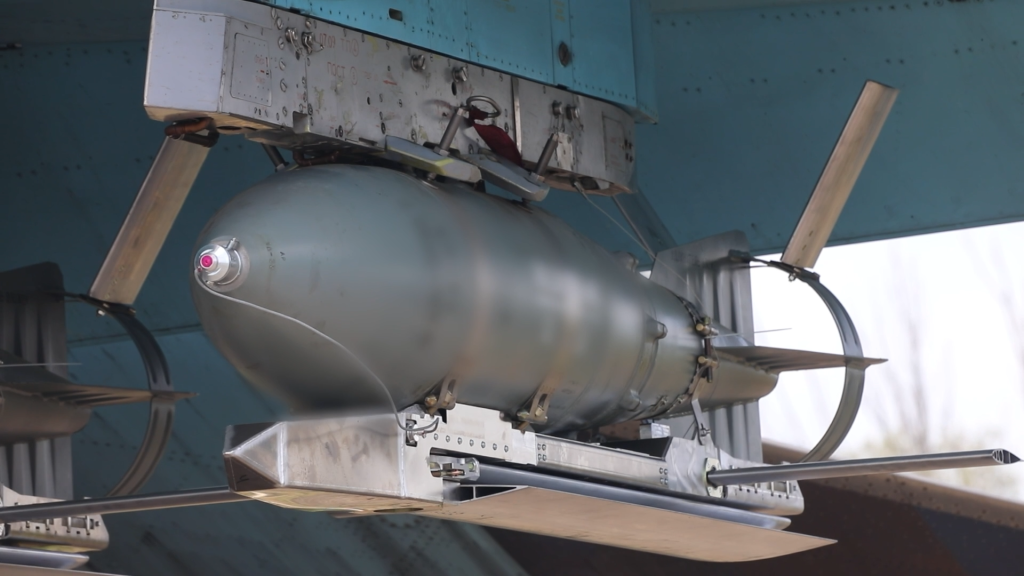
More common, though, is the wings-and-GPS-equipped FAB‑500 that can be released beyond 50 km, keeping aircraft outside of most Ukrainian air defense envelopes. Both weapons exemplify the Russian strategy of upgrading Soviet-era ordnance into precision stand-off munitions at a fraction of the cost of modern missiles.
3. Cost Efficiency and Mass Production Advantages
Glide bombs are an order of magnitude cheaper than missiles: a standard-issue FAB‑500 with the addition of a UMPK costs somewhere in the region of $ 70,000, while even a modified version with added propulsion remains significantly cheaper than a $ 1 million cruise missile. The enormous supplies of free-fall bombs that Russia has from the Soviet era and mass-produced glide kits costing $ 20,000‑$ 30,000 permit sustained high-volume strikes.
Cost asymmetry makes the problem a strategic dilemma for Ukraine: defending every bomb with a high-value interceptor like a Patriot missile is economically not viable and allows Russia to saturate defenses and overwhelm limited Ukrainian missile stocks.
4. New Variants: Rocket‑Assisted and Extended‑Range UMPK‑PD
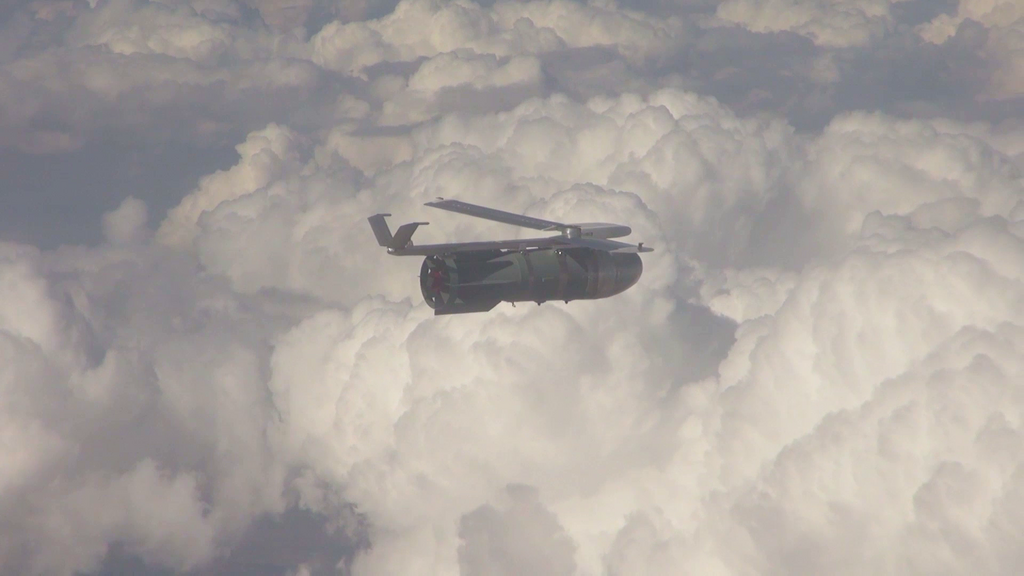
Recent reports confirm that Russia is testing guided bombs fitted with rocket propulsion extending ranges to 100–140 km. The UMPK‑PD variant, first spotted in mid‑2025, has larger wings and improved guidance modules for launches from up to 95 km away. This minimises the exposure of Russian aircraft to Ukrainian interceptors and delivers an important new capability to conduct strikes farther into the rear.
Developments such as this are significant because they will compress warning times both for civilians and military units: at 700–800 km/h, a bomb launched from maximum range could reach its target in less than nine minutes, limiting opportunities for evacuation or repositioning.
5. Delivery Platforms: Su‑34 and Su‑35 Capabilities
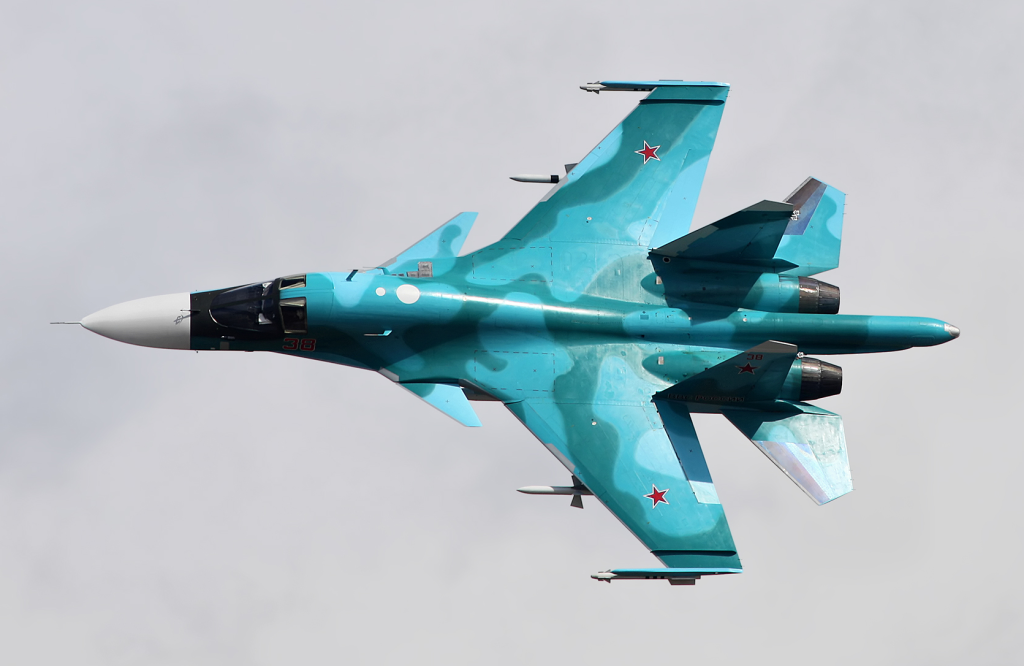
The Su‑34 bomber and the Su‑35 multirole fighter are the cornerstones of the Russian glide bomb campaign. With the ability to carry multiple heavy munitions, both aircraft operate at altitudes and distances that take good advantage of the stand‑off nature of these weapons. Investigations have shown these aircraft to depend substantially on imported microelectronics-more than 1,100 components from the United States, Germany, Japan, South Korea, Taiwan, and France-for avionics, targeting, and navigation.
This reliance on foreign technology underlines the vulnerabilities in Russia’s supply chain but also the challenge of enforcing export controls, given that many of the components in this particular area are commercial off-the-shelf and routed via third countries.
6. Battlefield Impact: From Avdiivka to Kharkiv
This has indeed proved decisive in some key battles: The Centre for European Policy Analysis identified the use of such devices as critical to the fall of Avdiivka last February 2024, with Russian forces striking an average of 80 times per day. Capable of piercing three meters of reinforced concrete with its 670 kg explosive charge, even fortified positions become extremely vulnerable with FAB‑1500s.
The psychological and physical burden is extreme, as it is in all the urban concentrations, but even the persons used to artillery fire-police and military-say they feel unsafe because a glide bomb can destroy a multistorey building with one strike.
7. Countermeasures: From Long‑Range Intercepts to AI‑Driven Detection
Its numbers and low cost make direct interception of glide bombs generally impractical. Analysts agree, the most effective counter is destruction of the launch aircraft, either in the air or on the ground. This requires long-range air defense systems, tactical missiles like ATACMS, and strike drones able to reach Russian airfields. These emerging solutions include AI‑enabled detection systems being developed under NATO’s Innovation Challenge using computer vision and acoustic analysis for early warnings.
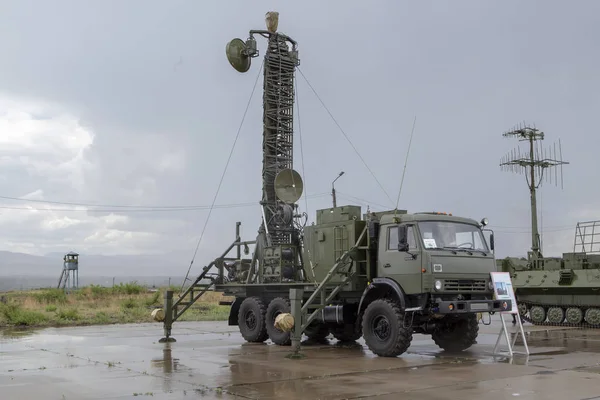
Similarly, electronic warfare, like GNSS spoofing, degrades bomb accuracy, but guidance modules on Russian munitions are evolving to resist jamming. The Russian glide bomb campaign blends old stockpiles with modern guidance into a low-cost, hard-to-stop threat. As Moscow perfects these weapons and extends their reach, the challenge for Ukraine will be in combining long-range strike capabilities, advanced detection, and electronic warfare into a multilayered defense. This fight is at least as much about economics and adaptation as about technology; the side that innovates faster will shape the next phase of the air war.


