
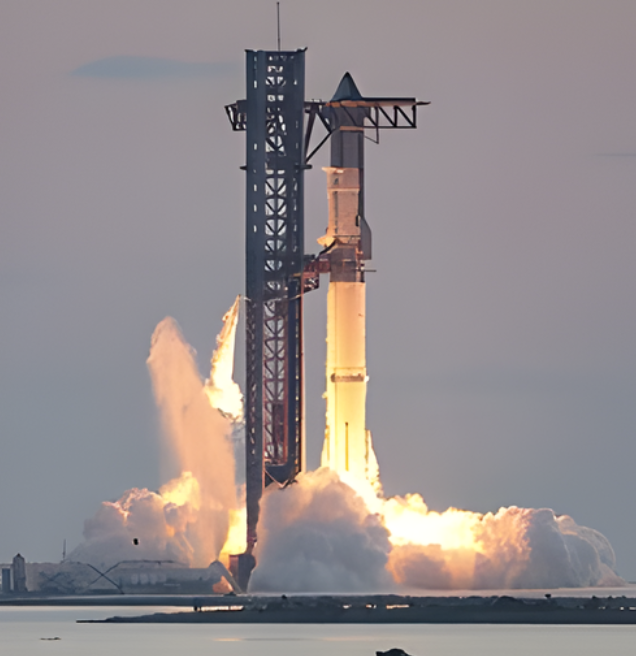
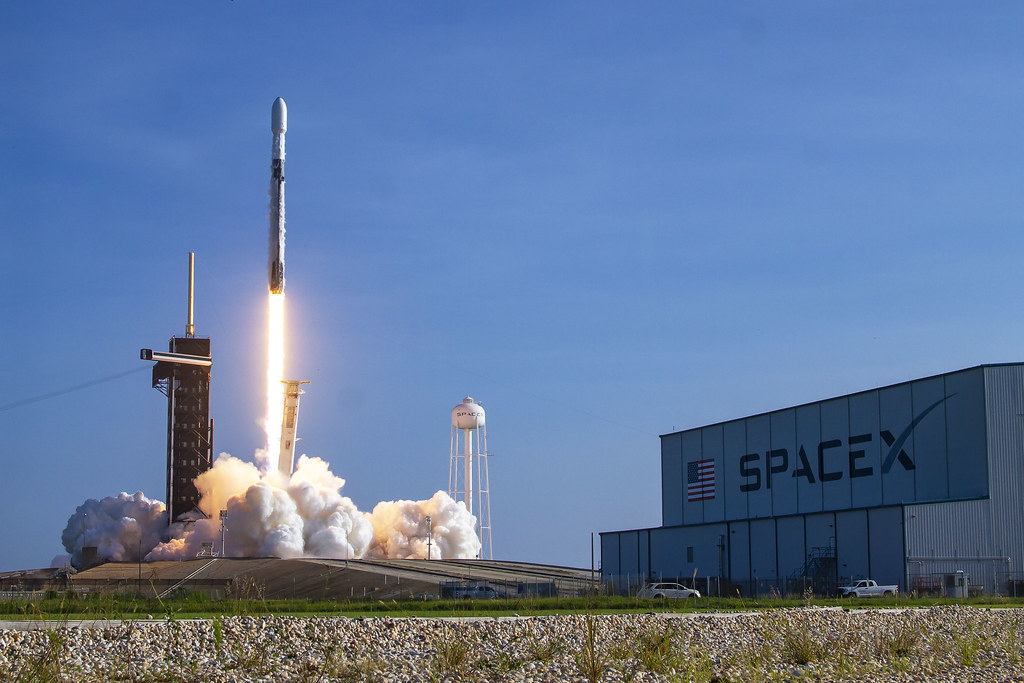
What does it mean for a single company to have two-thirds of all satellites around Earth? For SpaceX, the answer came on October 20, 2025, when it launched up another 56 units to push its total past 10,000. According to data from Celestrak, 8,562 of the 12,955 active LEO satellites now belong to Starlink, cementing Elon Musk’s dominance in orbital communications infrastructure.
1. The Scale of Orbital Dominance
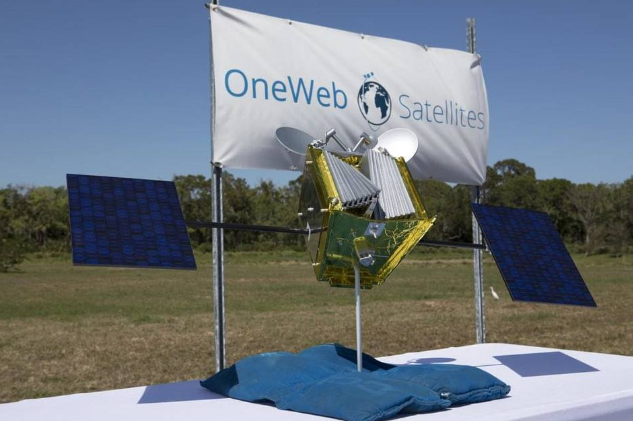
ut the Starlink constellation is by far the largest. The second biggest LEO network, OneWeb, operates only 651 satellites today, and Chinese projects such as Qianfan, Guowang, and Honghu-3 are still ramping up. SpaceX’s ambitions run way beyond its currently licensed limit by the FCC of 12,000 satellites to as high as 42,000 units. This is on an unprecedented scale, nearly five times the total number of satellites launched worldwide before Starlink started launching in 2019.
2. Engineering the Launch Cadence
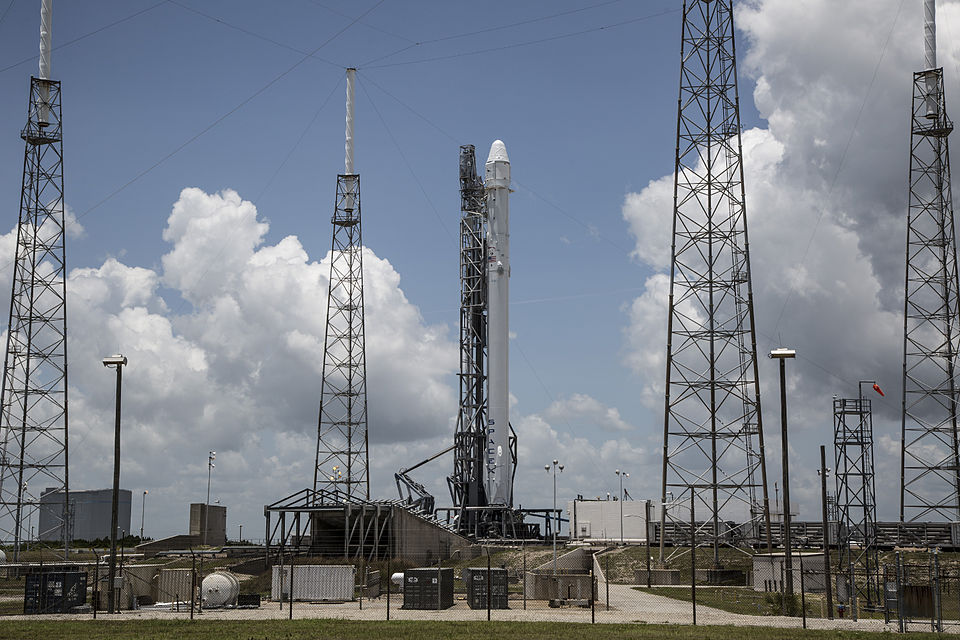
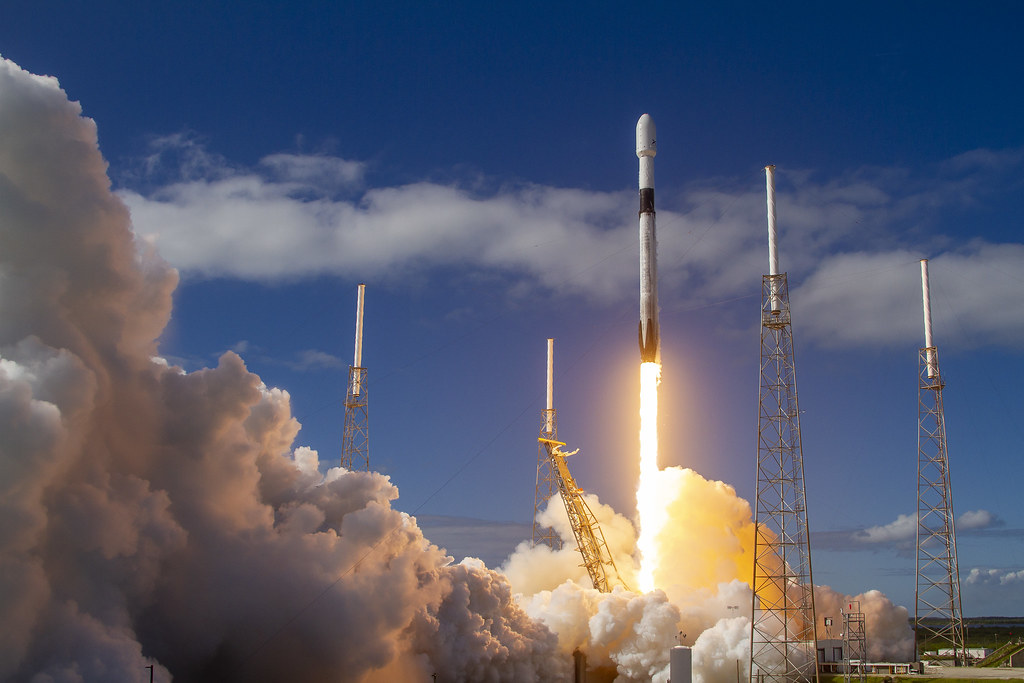
Such rapid expansion relies on a record-breaking reuse cadence for the Falcon 9. In 2025 alone, SpaceX equaled its annual launch record of 132 missions and is expected to reach up to 170 by year’s end. Booster B1067 has flown 29 times, with fairing half SN185 reaching at least 32 flights. Pad turnaround times have dropped to just over two days at SLC-40, enabled by streamlined refurbishment processes and modular component integration.
3. Satellite Design for Controlled Reentry
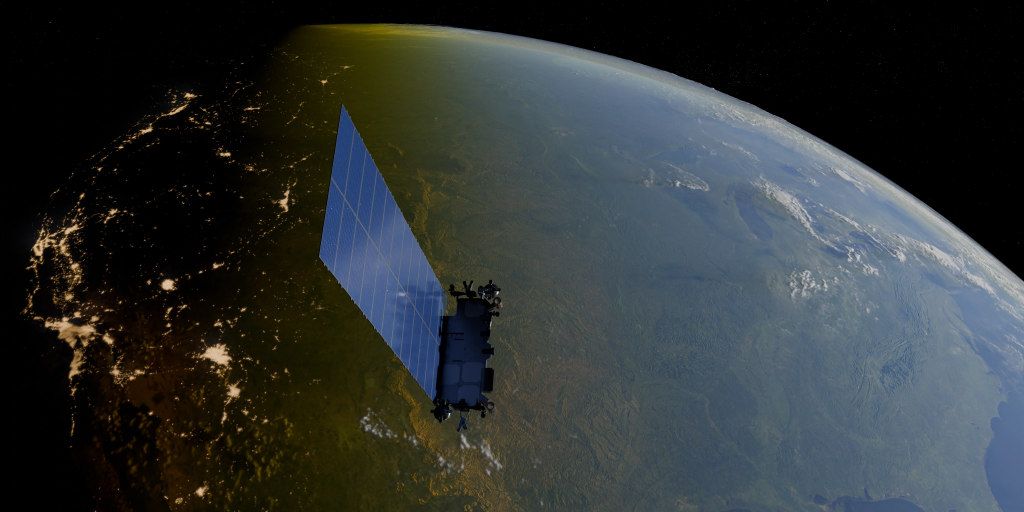
Each Starlink V2 Mini weighs approximately 800 kilograms-nearly triple the first-generation mass-and includes argon Hall thrusters for better maneuverability. With a designed lifetime of five years, satellites conduct controlled deorbits, firing thrusters to ensure complete atmospheric burn-up. This method keeps long-lived debris to a minimum but raises another concern: the environmental effects of as many as five daily reentries expected in the next few years.

4. Atmospheric Chemistry Concerns
Research led by Aaron Boley warns that aluminum oxide from burning satellites can deplete ozone and alter Earth’s albedo. For a typical 250 kg satellite, about 30 kg of aluminum oxide nanoparticles are created upon re-entry. As the megaconstellation era arrives, this could reach up to 360 tons per year. Already, sampling by NASA WB-57 aircraft has detected abnormally high levels of lithium, copper, and lead in the stratosphere, matching compositions from spacecraft alloys.
5. Collision Avoidance and Traffic Management
Starlink is already the leading source of close approaches in LEO, responsible for about half of all encounters under 1 km. Hugh Lewis’s models suggest that once the first generation 12,000-satellite constellation is fully deployed Starlink could be responsible for 90% of such events. SpaceX utilizes autonomous collision avoidance algorithms but with several mega-constellations planned, international space traffic management standards remain underdeveloped.
6. Strategic and Geopolitical Leverage
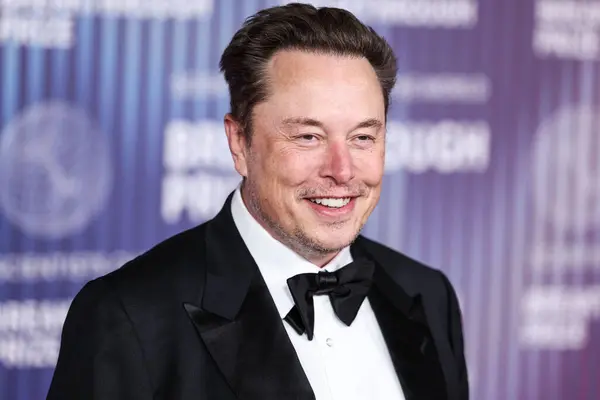
From enabling resilient battlefield communications via Starlink in Ukraine to Musk’s refusal to turn on coverage over Crimea in 2022, satellite internet has become a significant player in modern warfare and diplomacy. Reliance on foreign-owned LEO networks can leave nations open to service disruptions at the worst possible moment-a reality that has driven China, Europe, and others to develop sovereign constellations.
7. Competitive Landscape and Market Expansion
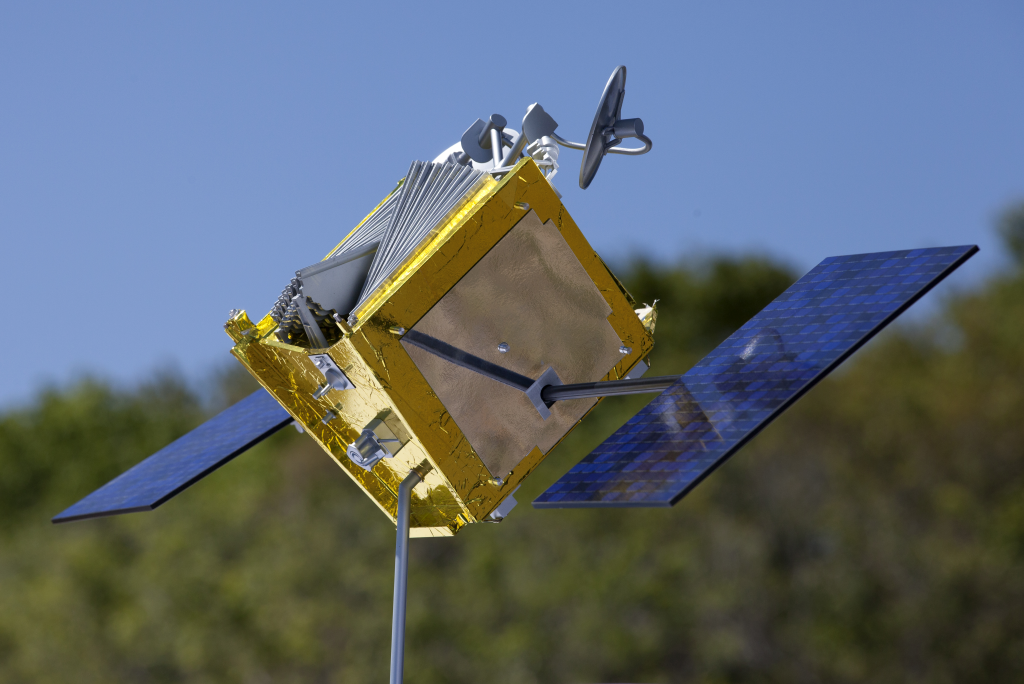
China’s Qianfan constellation, designed for 15,000 satellites, has contracted services in Brazil, Malaysia, and Thailand while targeting markets where Starlink is not allowed to operate. Eutelsat OneWeb finished launching its 634 satellites, with Amazon’s Project Kuiper looking to send up 3,000 units. In the Gulf, Starlink expanded into Oman, Bahrain, and Qatar, where aviation and maritime customers are favored based on regulatory sensitivities against unrestricted access to the internet.
8. Environmental Oversight and Regulation
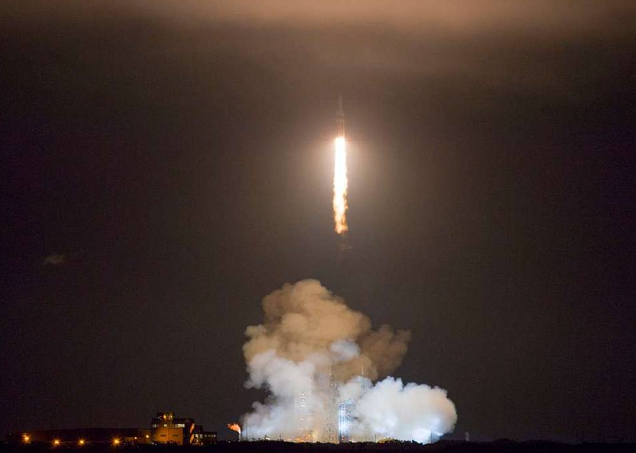
A new paper in Nature Geoscience by Jamie Shutler calls for industry transparency regarding the composition of satellites and rocket emissions. The US Government Accountability Office reports a lack of observational data about reentry emissions, indicating that the exotic materials involved in paints, epoxies, and even radioactive components may have atmospheric effects that are not well understood. If unregulated, the aggregate impact of the thousands of yearly re-entries could become comparable to other anthropogenic drivers of climate change.
9. Future Technology Pathways
Materials engineers like Adam Mitchell advocate shifting toward in-space servicing-refueling, repairing, and recycling-to reduce reentry rates. The next-generation Gen 3 Starlink satellites, coming from SpaceX, will feature fiber-grade speeds at lower deployment costs and have the potential to disrupt the market further. Once the Starship program from SpaceX goes live, it will be able to launch larger V2 satellites that can send signals straight to cell phones, increasing both consumer and military applications.
But the orbital infrastructure of SpaceX continues to present a growing need for oversight for coordinated governance, balancing the engineering marvel of high-frequency reusable launches with the environmental, geopolitical, and safety concerns of a densely populated low-Earth orbit.


