

The race to return humans to the Moon has seldom been as politically charged-or as technically complex-as it is today. Acting NASA Administrator Sean Duffy’s decision to reopen the $4.4 billion Artemis III lunar lander contract to competitors has sparked a public clash with SpaceX CEO Elon Musk-a clash that shows deep tensions between the engineering reality, geopolitical urgency, and leadership ambitions inside America’s space program.
1. A Contract Under Fire
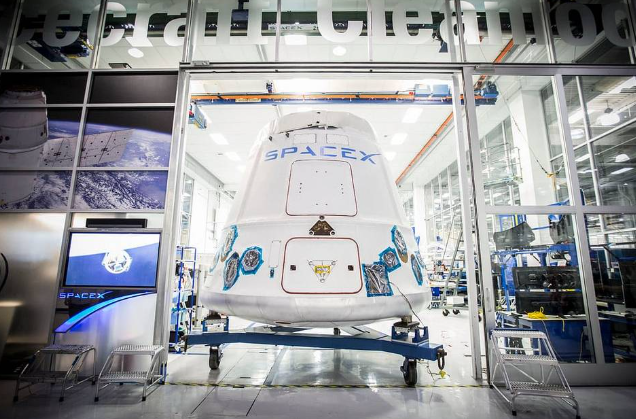
NASA’s Artemis III mission, until recently on course for a mid-2027 launch, is intended to put astronauts onto the Moon’s surface for the first time in over 50 years. SpaceX won the HLS contract in 2021 with an offer of a modified Starship that would rendezvous with Orion in lunar orbit and ferry astronauts to the surface. After multiple delays, Duffy announced the agency would solicit bids from rivals like Blue Origin and Lockheed Martin. “SpaceX is behind schedule… we’re in a race against China,” Duffy said, noting that they need to land before January 2029.
2. Starship’s Engineering Bottlenecks
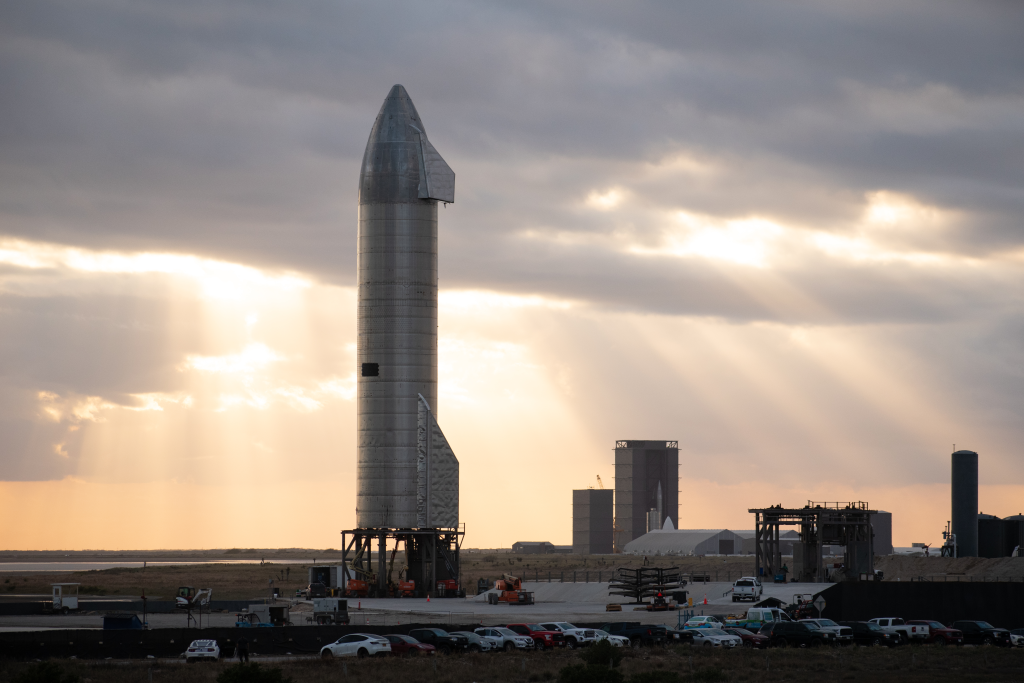
Starship is the world’s largest rocket, more than 400 feet tall; it is designed to carry 100–150 metric tons all the way to Low Earth Orbit in its fully reusable configuration. However, the Version 2 variant currently manages only 35–50 tonnes, and critical technologies remain unproven. Foremost among these is orbital refueling-a process of transferring cryogenic propellants in microgravity-which has never been attempted at scale. Without it, Starship cannot reach the Moon with a full payload. SpaceX also needs to validate integration with Orion, complete safety testing, and execute uncrewed lunar landings before crewed missions can take place.
3. Blue Origin’s Alternative Path
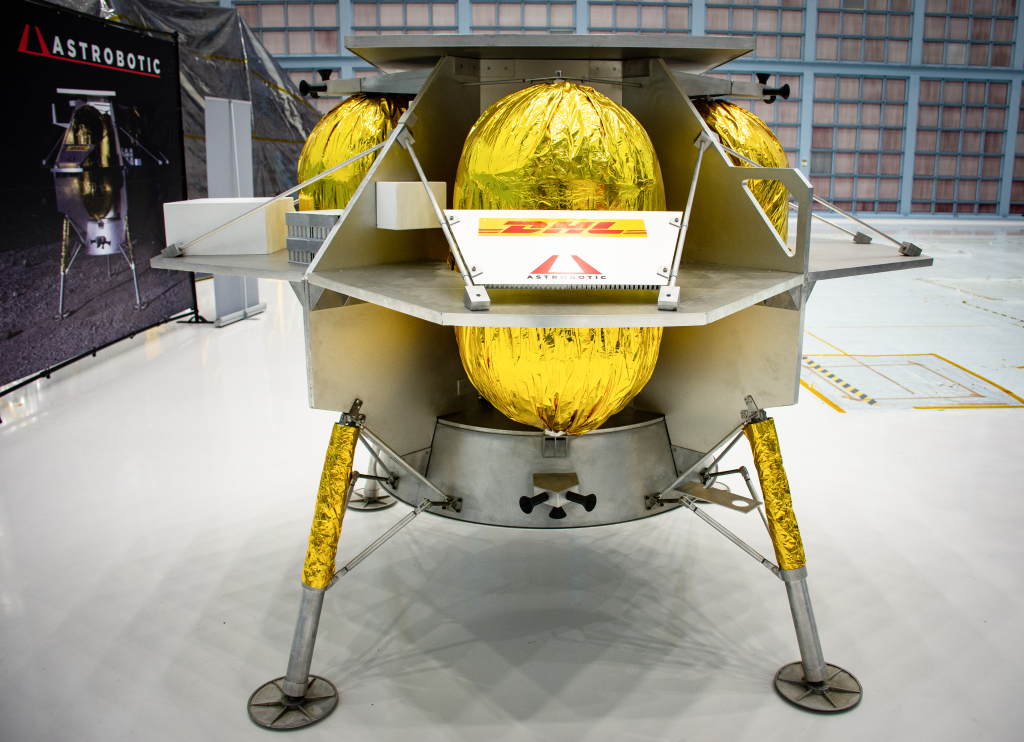
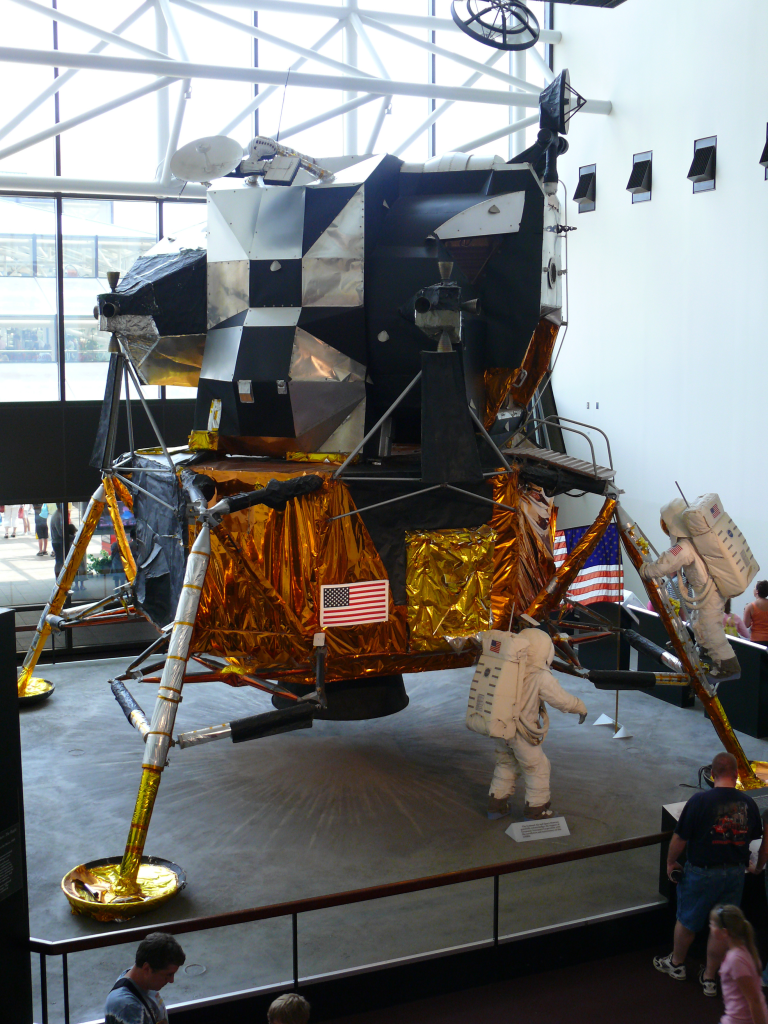
By contrast, Blue Origin’s architecture is far more straightforward, involving a non-refueling Blue Moon Mark 1 lander, larger than Apollo’s Lunar Module. Already in advanced production, with its first unit assembled and on its way to vacuum chamber testing at NASA’s Johnson Space Center, a modified version could be carrying crews as early as 2027, perhaps sidestepping Starship’s major issue: refueling. Blue Origin already has the Artemis V mission contract in 2030 but may see its role accelerated from Duffy’s pivot.
4. Contingency Design by Lockheed Martin
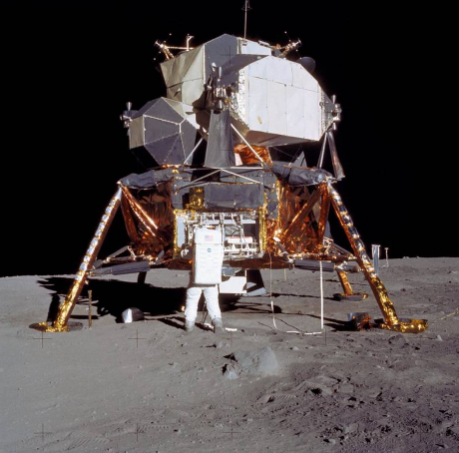
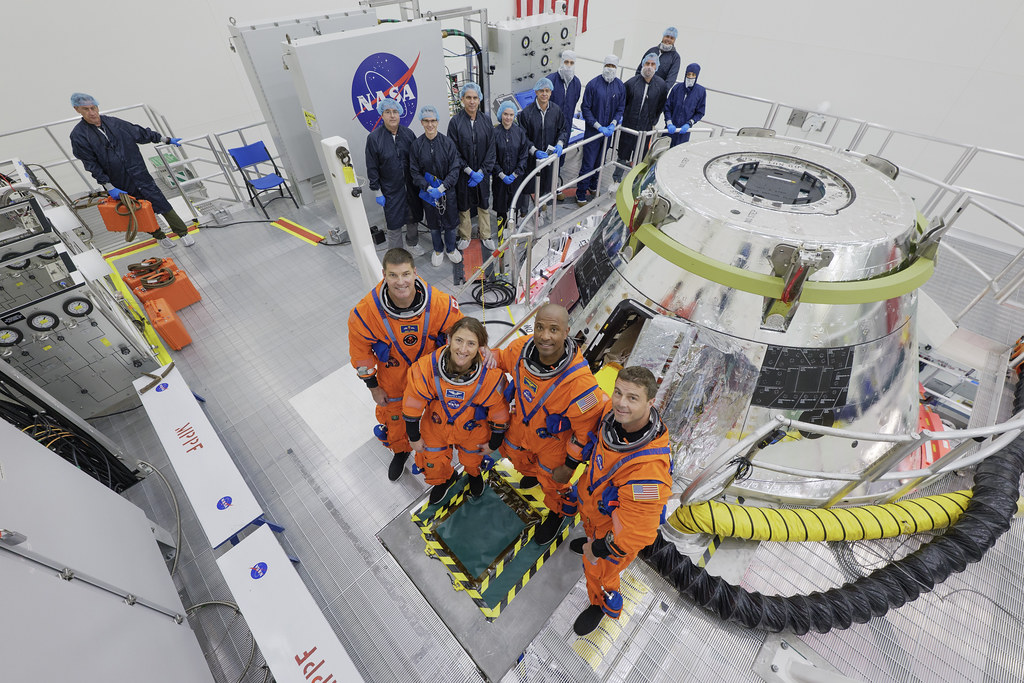
Meanwhile, Lockheed Martin, builder of Orion, has been quietly developing an HLS concept with cross-industry partners. The goal, according to its vice president Bob Behnken, is “a safe solution to return humans to the Moon as quickly as possible.” Under consideration is a government-led Apollo-style lander, built within 30 months—a design trading long-term reusability for speed.
5. Political Undercurrents and Leadership Stakes
The contract shakeup comes amid a behind-the-scenes contest for NASA’s top job. Musk has openly touted billionaire astronaut Jared Isaacman, who flew two private missions aboard SpaceX capsules, as “the best NASA Administrator.” Isaacman was pulled as an earlier nominee by President Trump amid political friction with Musk, but recent meetings with Duffy have revived speculation. Sources said Duffy’s high-profile criticism of SpaceX may have been calculated to shore up his own claim to the job.
6. The U.S.–China Lunar Race
China’s Lunar Exploration Program plans a crewed landing by 2030, backed by consistent funding and a unified strategy. Other recent milestones include a Long March 10 rocket static fire and a moon lander demonstration. Witnesses at a Senate Commerce Committee hearing warned that “the countries that get there first will write the rules of the road” for lunar resource exploitation. Losing the race could mean diminished U.S. prestige and strategic disadvantage in cislunar space.
7. Artemis Program Challenges
Artemis II, set for February 2026, will orbit the Moon without landing, laying the very important groundwork for Artemis III. The Gateway lunar-orbit station remains a core component of any long-term presence, but it has been beset with funding uncertainty. Budget cuts-NASA’s FY 2026 allocation is down 25% along with workforce reductions, further threaten momentum. Analysts caution that delays in HLS readiness, development of spacesuits, and mission integration could push Artemis III until 2029 or later.

8. Engineering at the Lunar South Pole
Landing at the Moon’s south pole is more technically challenging than at any of the equatorial sites where Apollo landed. Steep terrain, deep craters, and low-angle sunlight all complicate navigation and power generation. The permanently shadowed areas in this region may harbor water ice, so it is a prime target for future resource extraction. The success of the missions depends on precise landing systems, autonomous hazard avoidance, and strong thermal control.

9. Commercial and International Dimensions
Unlike Apollo, Artemis is a coalition effort. The Artemis Accords have 43 signatories, asserting that lunar mining is lawful under international law. Commercial partners from Australia to Japan are contributing communications, robotics and remote sensing technologies. Industry plays such a strong role in NASA’s plans that its contract instability ripples through a supply chain of 2,700 companies, from the makers of tiny components to prime contractors. The stakes are clear: the engineering race to master orbital refueling, precision lunar landing, and sustainable base construction is now tied to political rivalry and international competition. Whether Starship, Blue Moon, or a yet-unseen contender carries Artemis III astronauts to the Moon, the decision will shape America’s role in space for decades.


