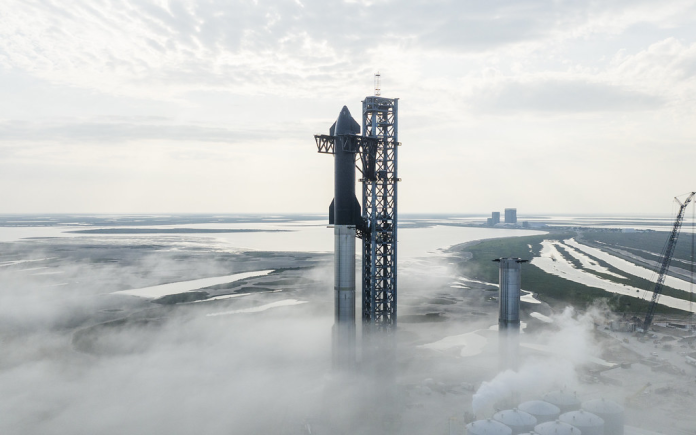
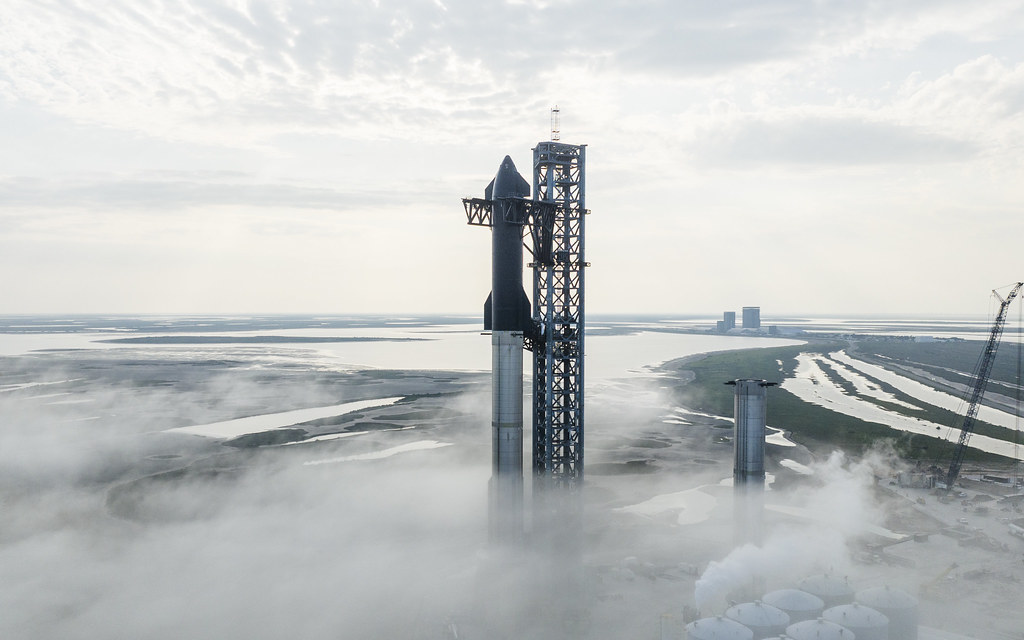
The competitive race to return American astronauts to the Moon has just taken a rocky new turn. NASA Acting Administrator Sean Duffy’s decision to rebid the Artemis III lunar lander contract, in light of SpaceX Starship Human Landing System (HLS) setbacks, has sparked a technical, political, and industry fallout. It leaves open the possibility that Blue Origin, controlled by Jeff Bezos’ or yet another aerospace upstart could snatch a mission that Elon Musk has long taken as his own.
1. A Contract in Flux
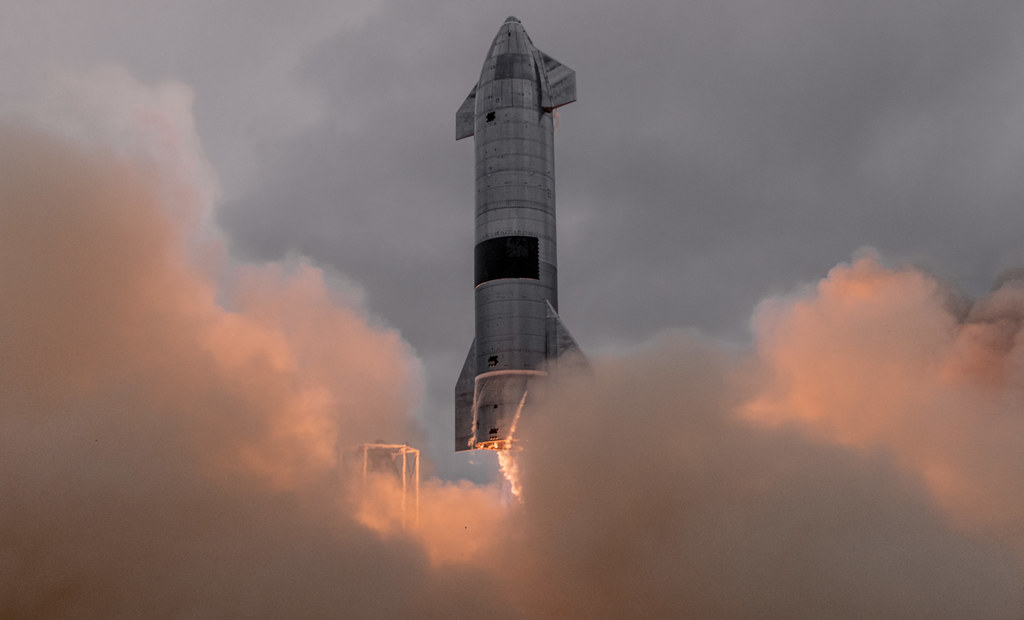
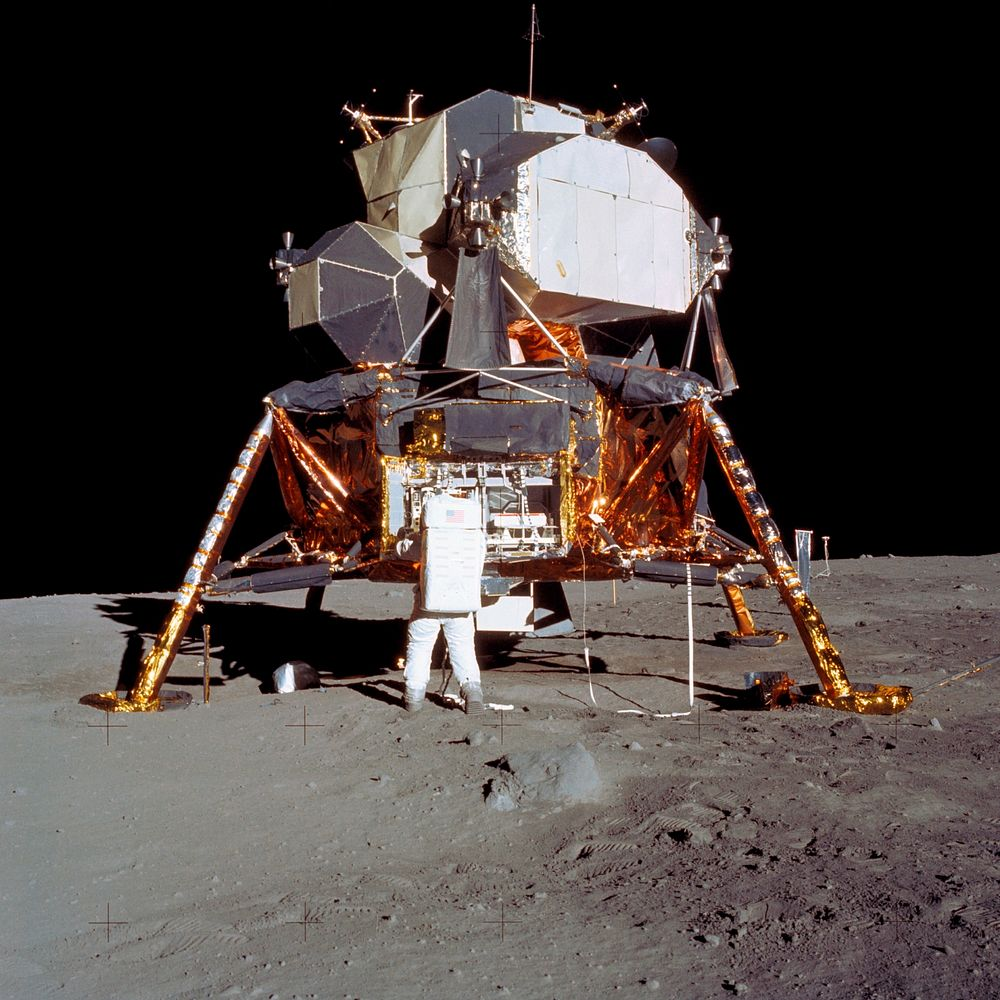
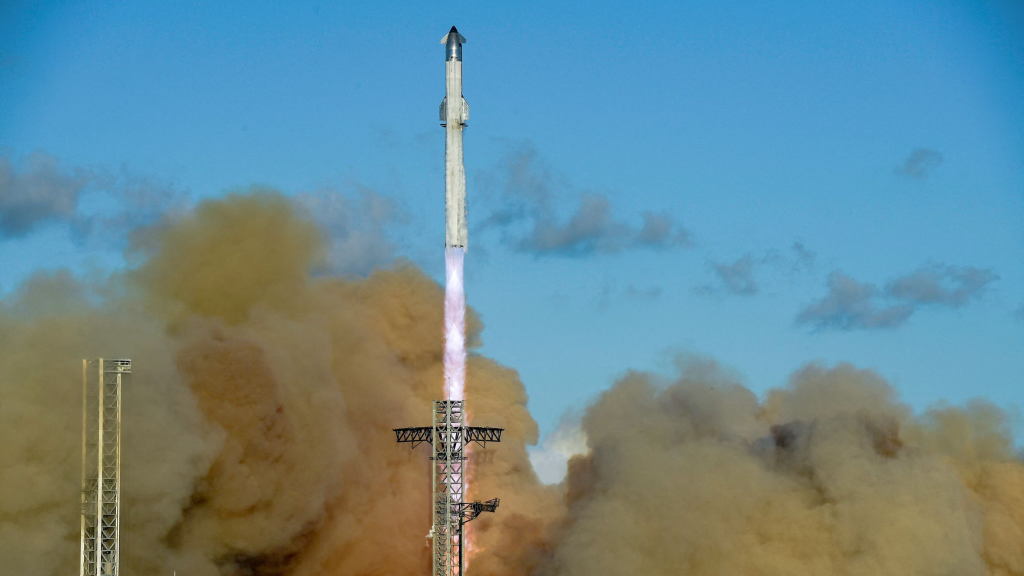
The Artemis III mission, initially planned for mid-2027, will represent the first manned mission to a lunar landing since Apollo 17 in 1972. SpaceX was awarded a 2021 $2.89 billion HLS order, increased to $4 billion, to retrofit its towering, fully reusable Starship upper stage for a lunar configuration. NASA has already issued payments totaling $2.7 billion, but Starship remains suborbital after 11 test flights, with its new Block 3 configuration’s orbit qualification yet to result. Duffy’s remarks that “SpaceX they’re behind schedule” reflect increasing skepticism that it will make the deadline, at least with China’s lunar program now on a course for a 2030 manned landing.
2. Starship’s Technical Bottlenecks
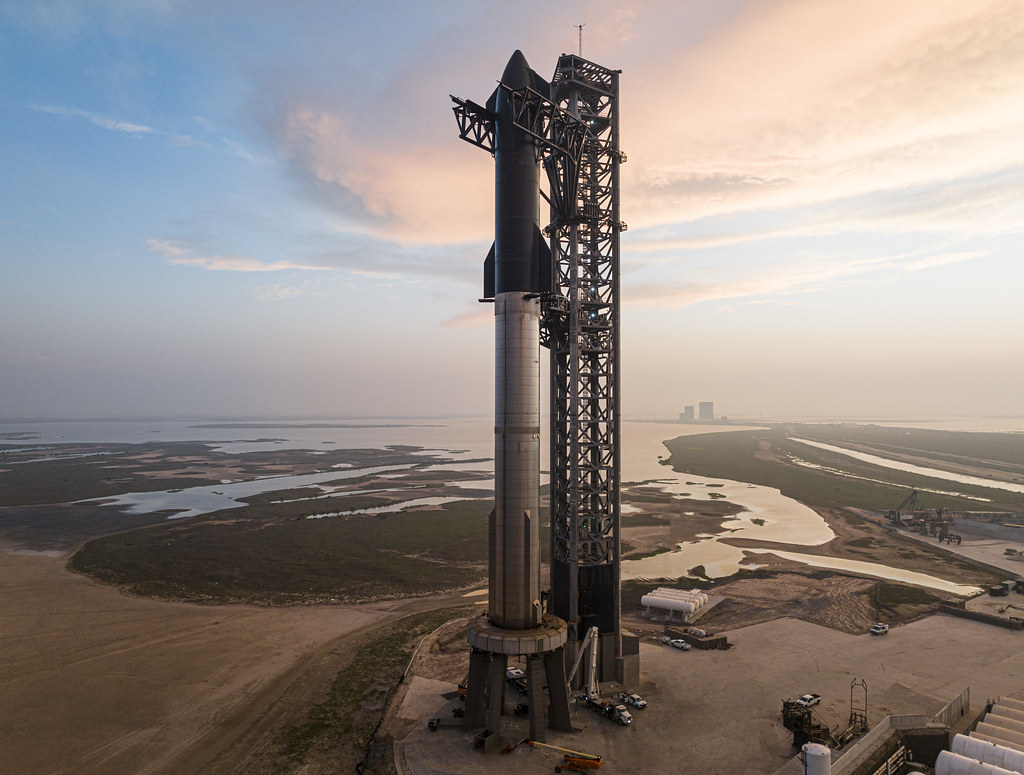
The trip to the Moon will rely on mastering orbital cryogenic propellant transfer a first-of-a-kind in microgravity. HLS variants will require multiple tanker launches to refuel a fuel depot in low earth orbit prior to leaving for lunar orbit. It will cost a dozen or as much as 40 launches, depending on transfer efficiency as well as boil-off rates. It will challenge, at a minimum, the schedule “significantly,” as its Aerospace Safety Advisory Panel notes, or come in “years late,” as it cites Starship Version 3, upgraded Raptor engines, as well as depot designs.
3. China’s Strategic Pressure
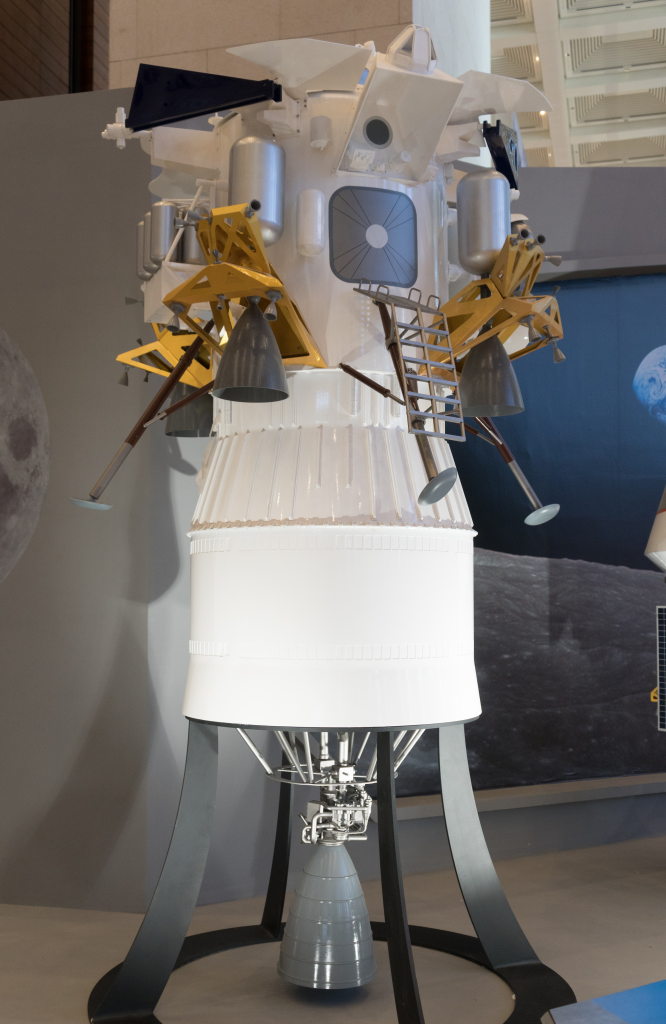
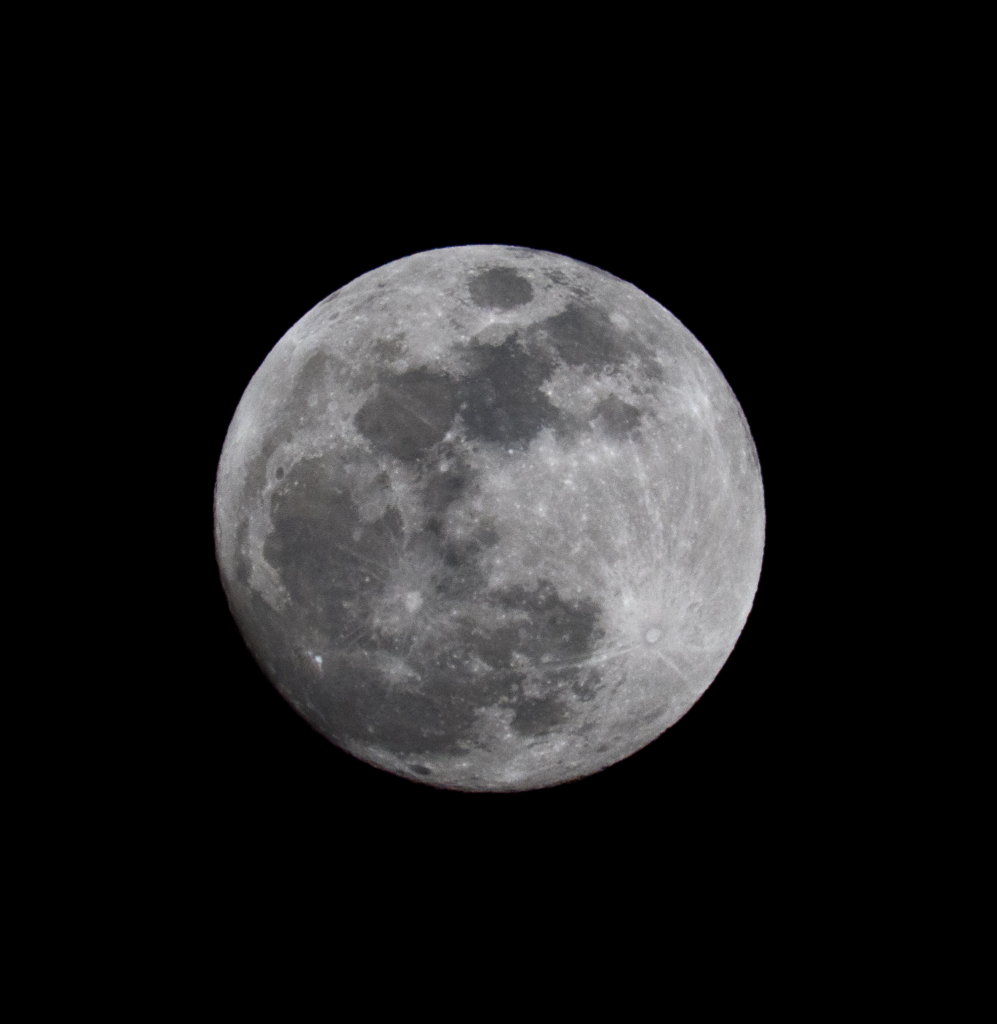
Former NASA Adminstrator Jim Bridenstine cautions, “Unless something changes, it is highly unlikely the United States will overcome China’s planned timeline.” China’s Long March 10 rocket and Lanyue lander are progressing toward a late-decade crewed mission. Besides prestige, commentators like Mike Gold point out that first landing will win first claim to prime lunar ice deposits keys to producing oxygen, hydrogen fuel, and potable water and define governance rules for decades. “The nation that lands on the moon first will determine the rules of engagement in space for decades to come,” notes Coalition for Deep Space Exploration’s Allen Cutler.
4. Blue Origin Dual Lander Concept
Blue Origin’s Blue Moon Mark 2, which was contracted for Artemis V, reflects Starship’s complexity with an orbital refueling mission of its own. Its smaller Blue Moon Mark 1, however, provides a more straightforward route. 8.05 meters high with a wet weight of 21,350 kg, with a BE‑7 engine producing as much as 10,000 lbf thrust, Mark 1 will carry three metric tons to the lunar surface non‑refueled. Its first unit, MK1‑SN001, is built up and will proceed to vacuum chamber testing, with a planned “Pathfinder” mission in early 2026.
5. A Potential Crewed Mark 1
Sources in the industry indicate Blue Origin is studying a derivative Mark 1 that would carry astronauts from lunar orbit to the surface and back again, building on crew cabin development from the Mark 2 program. This configuration would employ a series of multiple landers, bypassing the cryogenic transfer barrier altogether. Jeff Bezos, at least, is said to be interested, thinking he might beat SpaceX’s schedule and obtain a nucleating role in U.S. lunar history.
6. Other Industry Proposals
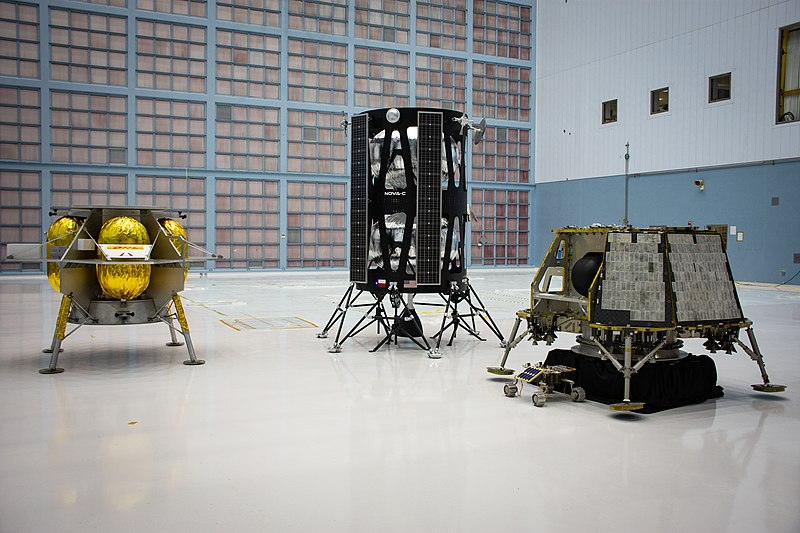
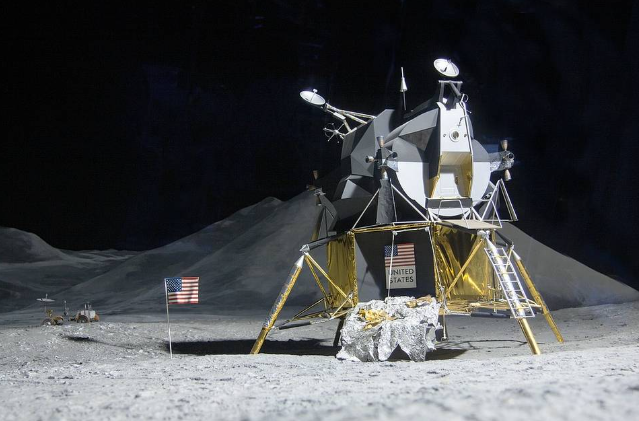
Lockheed Martin has expressed interest in developing a crewed lunar lander “as soon as possible,” but skepticism reigns given legacy contractors’ long development timframes. Other proposals such as a “stubby” Starship with reduced payload and refuelings, or scaling up Commercial Lunar Payload Services (CLPS) cargo landers all suffer with major engineering and schedule challenges.
7. Engineering Realities and Mission Safety
ASAP has called upon NASA to spread Artemis III’s “large number of individual risks and mission firsts” over a series of missions, as with Apollo’s three-phased approach. Aggressive Starship HLS and Axiom Space’s lunar spacesuits delivery schedules risk safety, the panel believes. “The future for Artemis III and beyond is indefinite and a bit cloudy,” notes ASAPer Bill Bray, who believes risk posture needs to get clearer.

8. Musk’s Public Counteroffensive
Elon Musk has replied with a string of messages, debunking Blue Origin’s record “Blue Origin hasn’t transported a payload to orbit, yet alone the Moon” and asserting “Starship will perform the whole Moon mission. Mark my words.” He downplays victory over China, suggesting instead “a permanently crewed lunar science base” as being a more glorious endeavor than a recreation of Apollo.
The reopened procurement allows for a novel inflection point in U.S. lunar policy. Either a refueling-heavy Starship, a streamlined Mark 1 variant, or some unknown configuration, the engineering compromises, geopolitical implications, and time-locked schedules will come to decide both Artemis III’s fate and America’s place in the 21st‑century Moon race.


