
Cell death may no longer spell game over for it. Researchers in laboratory settings are now finding a “third state” of life—an unseen biological phase where cells of extinct species reaggregate as new living organisms. Such units, such as xenobots and anthrobots, are more than a novelty since they redefine boundaries between robotics, biology, and artificial intelligence.
1. Rise of the Third State
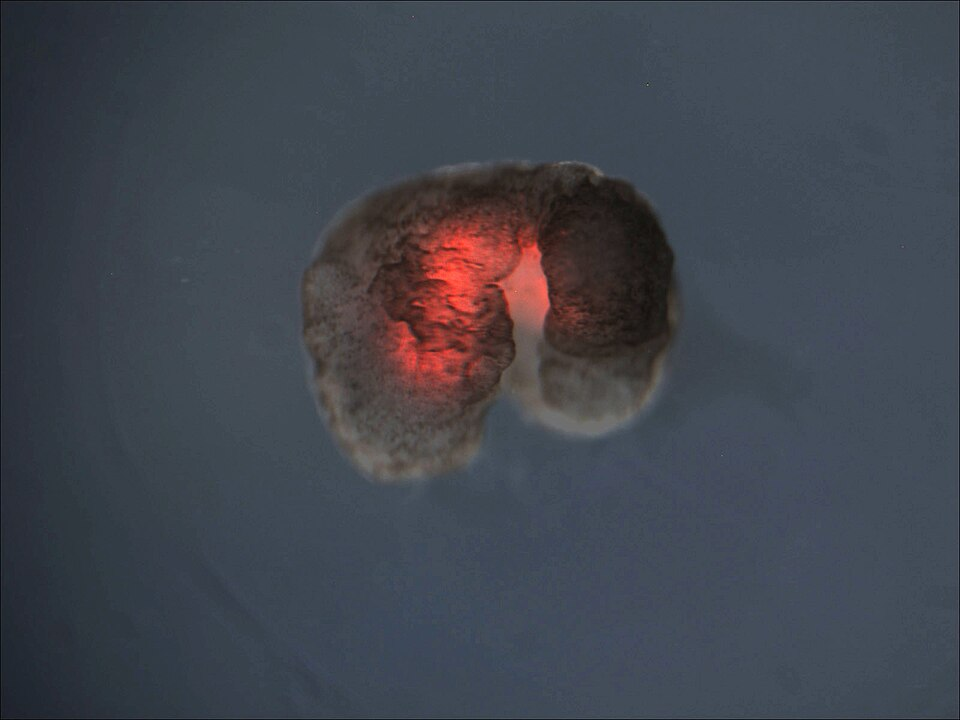
Third state questions binary thought on life and death. Peter Noble and Alex Pozhitkov’s experiments narrate how dead embryo cells of frogs self-organize to create multicellular animals, or xenobots, that move, heal, and do work that’s a world away from their original biological purpose. Instead of transporting mucus, their cilia are now propellers that aid in locomotion. Anthrobots created out of human tissue behave in a similar way, which opens a possibility that such after-death reorganization might be universal.
2. Designing Life from the Bottom Up
Whereas scaffold-based synthetic biohybrid robots are partly composed of synthetic materials, xenobots are entirely constructed of living tissue. Researchers at Tufts cultivate embryonic frog cells, let them self-organize as spheroids, and benefit from emergent behavior such as propulsion by cilia. This bottom-up building method exploits intrinsic plasticity of cells, with living machines requiring no genetic manipulation. In anthrobots, human tracheal cells at adulthood will automatically self-associate as motile spheres, obviating microsurgical forming.
3. AI as a Biolgical Architect
The development of such biobots is ever more directed by artificial intelligence. With evolutionary algorithms and supercomputers, scientists model tens or hundreds of thousands of theoretically feasible body plans, plucking out ones with ideal behavior—like waste collection or traversing mazes. This AI-augmented design emulates biological evolution, discovering useful solutions independent of human preconceptions. As outlined in in silico modeling, seemingly minor changes in geometry result in drastically different capabilities, such as swimming or kinematic self-replication.
4. Cellular Intelligence and the CBC Debate
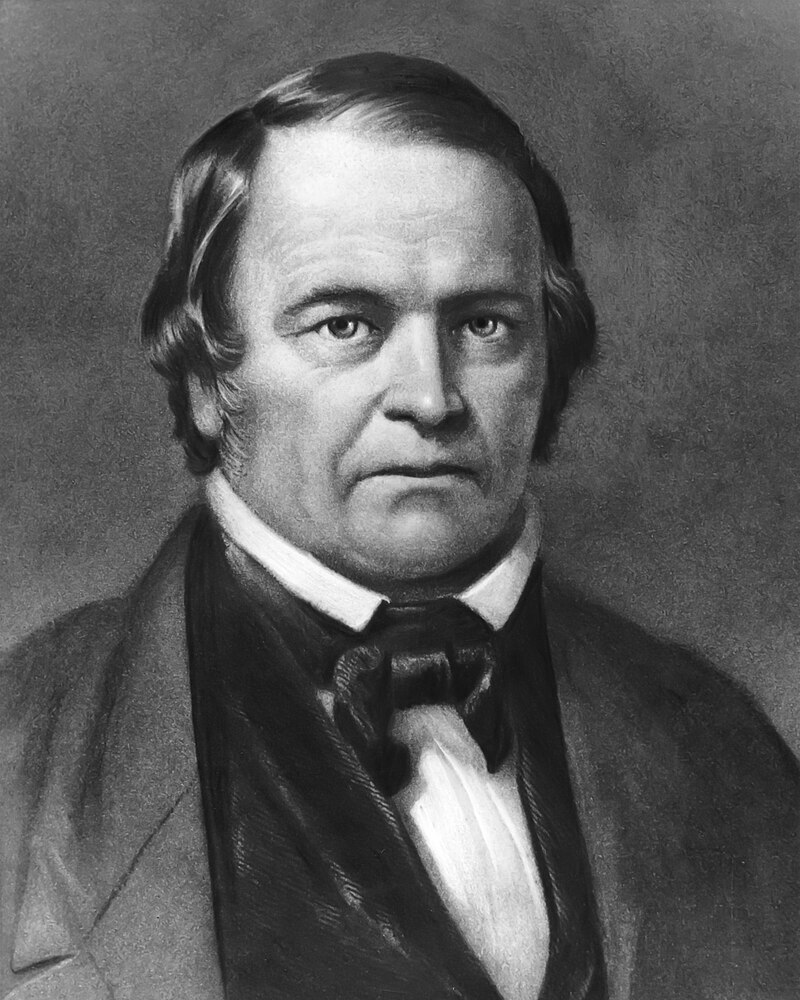
For evolutionary biologist William Miller, such creations affirm Cellular Basis of Consciousness (CBC) theory, which holds that individual cells possess a kind of cognitive agency. “The whole organism no longer responds as it once had, but sub-sets of cells are active, decision-making, problem-solving,” insists Miller. Such statements, argue critics such as Lincoln Taiz and Wendy Ann Peer, are unfalsifiable, relegating such xenobots to decades-old in vitro anomalies. Such a controversy reveals how such a finding unsettles hard definitions of life and intelligence.
5. Functional Capabilities: Movement, Memory, and Repair
There are discrete xenobot behavior patterns—linear, circular, or idle—propelled by the organization of several hundred cilia per cell. They move about open arenas, tiny mazes, as well as 580-micrometer capillaries. Designed with a photoconvertible protein, they capture environmental histories as molecular “memories” that remain retrievable days later. Their repair comes fast: deep slashing wounds heal in a few minutes, returning complete function with no transformation back to a frog-like body.
6. Anthrobots for Regenerative Medicine
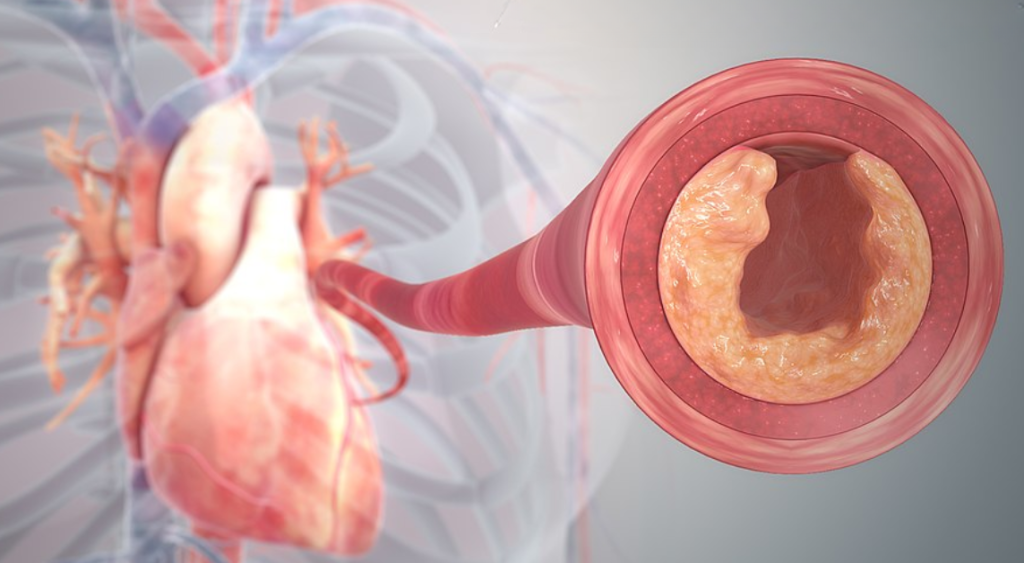
Anthrobots extend these capabilities further in human biomedical applications. In vitro, clusters of anthrobots—”superbots”—induce a regrowth of neurons across injured areas, forming cellular bridges. Because they are made with patient-derived cells, they minimize immune rejection issues, with a maximum 45–60 day lifespan that allows for safe biodegradation. Arterial plaque clearance, nerve reconstruction, and site-specific pharmaceutical delivery are potential uses.
7. Bioelectricity and Postmortem Plastic
One theory of the third state’s workings proposes specialized ion channels and pumps as a form of bioelectric circuitry. Such structures produce signals that govern development and locomotion, allowing cells to create new shapes after they’re dead. Lethal gene expression after death—found in animals from mice to zebrafish—indicates a latent transformative potential that synthetic biology might exploit.
8. AI-Driven Acceleration of Synthetic Biology
The fusion of AI with synthetic biology will likely speed up the design-build-test-learn cycle. Machine learning algorithms are already refining genetic circuits, predicting protein structures, and suggesting new biomolecular designs. For biobots, AI has promise for automating not just design but also functional verification, enabling fast iterations of therapeutic or environmental use. This, though, generates governance concerns: opaque “black box” algorithms, dual-use risk, and a need for imposed human judgment.
9. Issues of Ethical and Safety
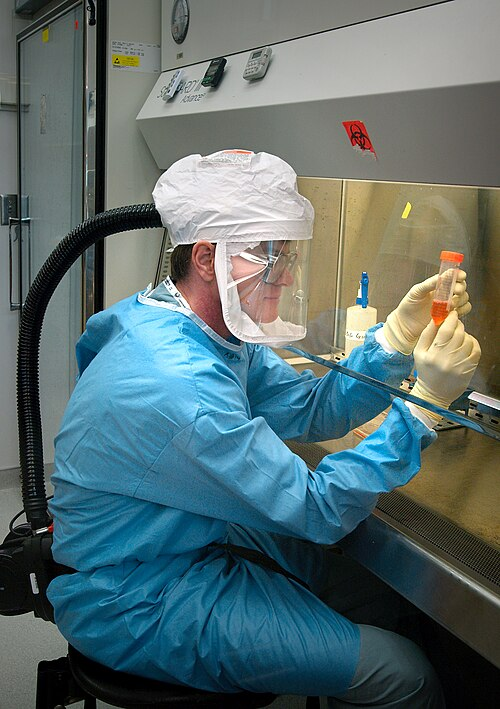
While anthrobots will not occur beyond secured laboratory settings and xenobots are designed to self-destroy after a few weeks, AI-facilitated biodesign abuse is a reality. International biosecurity practices are beginning to consider autonomous biological design risk, but regulation to date remains fragmented. As such technologies continue to mature, it will be critical to find a balance between safety and innovation. The third state blurs the lines between organism and machine, evolution and engineering. Whether or not cells are conscious, their capacity to reorganize, adapt, and perform novel functions after death offers a new frontier for regenerative medicine, environmental remediation, and our understanding of life itself.


