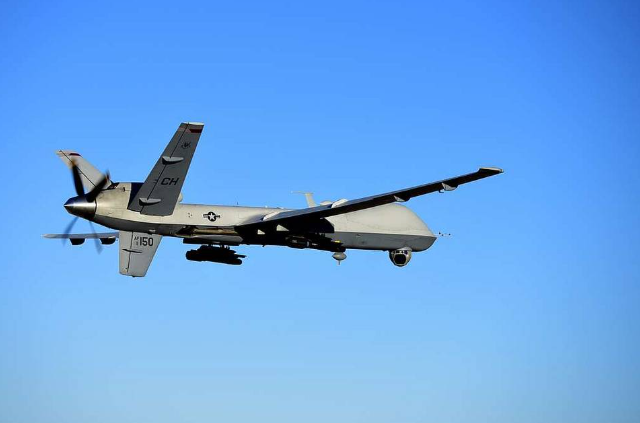
On what does an enemy nation with no Western deep-range missiles get up to nearly 500 miles into the enemy’s heartland and shut down an installations node joining the supply source for tanks and the treasury? The Ukraine’s latest drone strike on Russia’s Kirishi refinery provided the answer with precision, firepower, and strategy.
1. The Strike That Came to St. Petersburg’s Doorstep
On September 14, the Unmanned Systems Forces and the Ukrainian Special Forces Operations conducted a coordinated attack on the Kirishi oil refinery located within the Leningrad Oblast. The plant, owned by Surgutneftegaz affiliate, processes an estimated 17.7 million metric tones yearly around 6.4 percent of Russia’s total oil production. Almost 500 miles from the Ukrainian border, the audelability of Kirishi underscores the far-reaching reach of Ukraine’s locally manufactured long-range drones. Reportedly by Reuters, the attack knocked out one furnace, among other machinery, in one indispensable processing unit responsible for nearly 40 percent of the total plant output, prompting an expected one- to multi-month teardown.
2. A Precision Weapon Born of Necessity
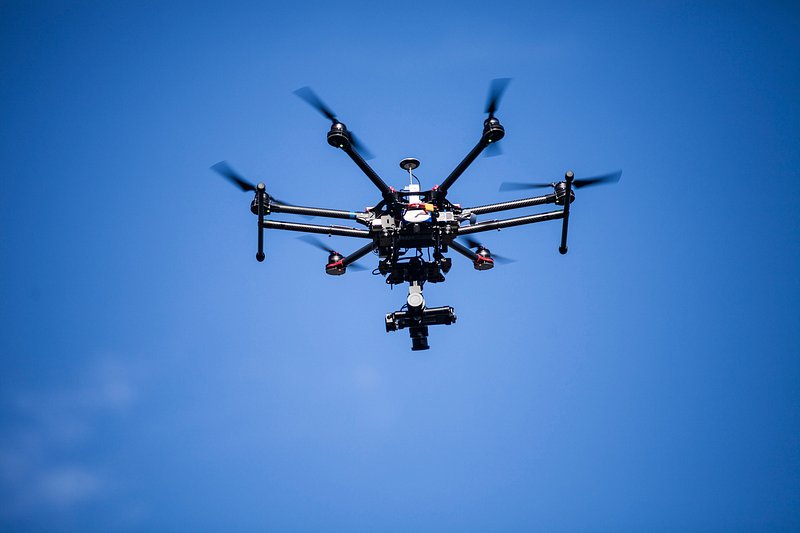
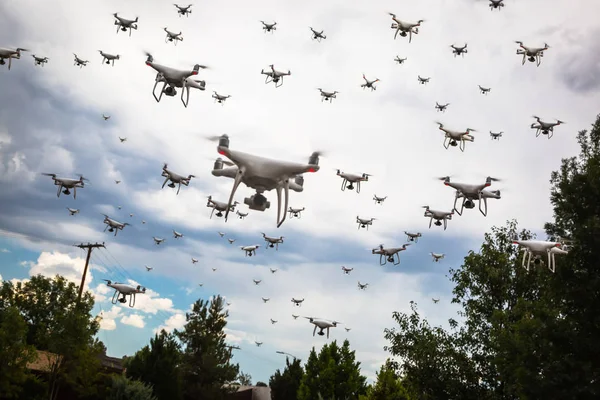
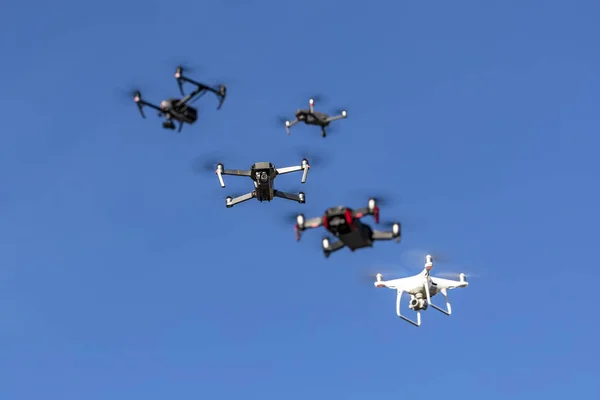
With Western long-range strike access unavailable, Kiev has built an indigenous drone industry able to manufacture swarms of long-range UAVs. Ukrainian firm Fire Point asserts the capability to manufacture 100 FP-1 strike drones daily that have deep penetration through Russian skies. The drones, from small kamikaze drones up to converted light aircraft such as the AJ-22 Foxbat, have low radar signature and autonomous navigation capability, frequently utilizing Russian LTE networks to provide guidance. The Kirishi strike is but one component within an overall strategy that has, according to Igor Sushko’s analytical report, targeted 42% of Russia’s refining capability within only 45 days.
3. Anatomy of a Refinery Vulrnerability
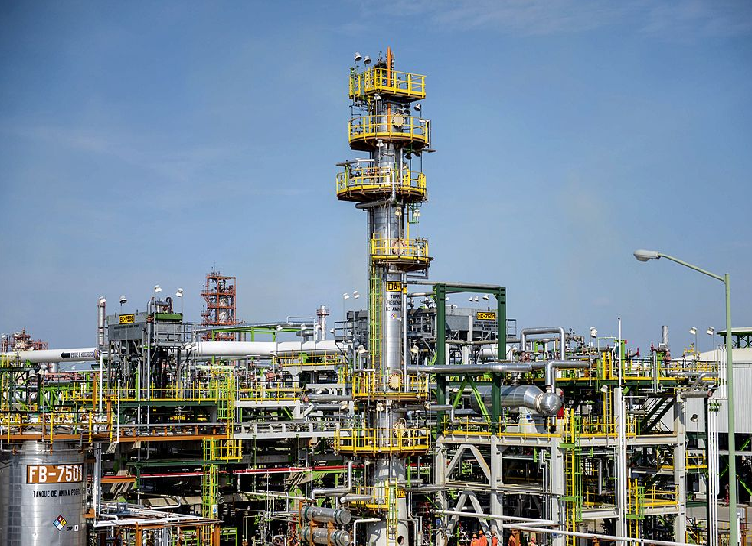
Re facilities like Kirishi are collections of distillation columns, catalytic crackers, and furnaces compounds that work under high pressure and high temp. Strategically located explosive device will be able to disable choice chokepoints like heat exchangers or control mechanisms, causing cascading shutdowns. Unlike the storage tanks, the refinery equipment is imported and embargoed, so the repairs are slow-moving and expensive. As Maj. Robert Brovdi, commander of Ukraine’s Drone Forces, said, The Defense Forces of Ukraine are systematically working to weaken the military-economic potential of the aggressor state, first of all, the supply of fuel, arms, and ammunition.
4. Stretched Russian Air Defenses
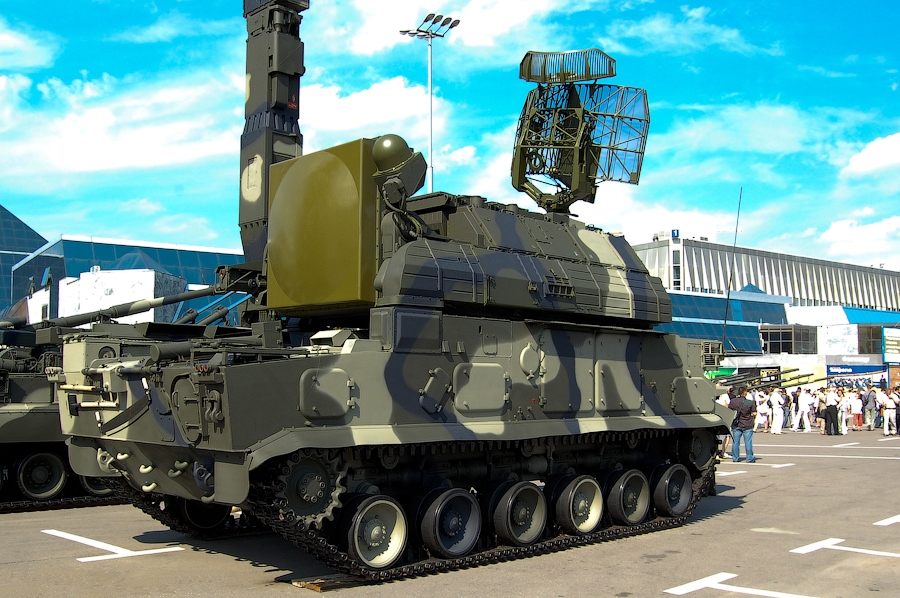
The vastness of the Russian territory is proving to be the defense’s greatest weakness. Defending thousands of miles of pipelines, refineries, and ports entails dispersing air defence resources already debilitated by three years of war. Defenders on the Novo-Ufa refinery expended an estimated thousand-plus small-calibre rounds and 200 heavy machine rounds gun rounds to deflect incoming drones without apparent man-portable air defence. The successful transpassage by drones like the AJ-22 through well over 900 miles of Russian skies leaves one wondering on Russian Twitter why “what’s air defence doing?”

5. Fuel Shortages and Economic Shockwaves
The overall effect of the strikes is now visible at Russian service stations. The shortage has spread to at least half a dozen regions, where some have had to ration supply, and black-market rates have risen to $9 per gallon. President Vladimir Putin admitted the shortage in September, suggesting Russia would have to revert to coal reserves “which will last for almost a thousand years.” Russia’s export revenues from oil fell to $13.5 billion, the lowest level within five years, in the month of August, when Urals crude was sold below the $60 price limit.

6. Interfering with the Kremlin’s War Fund
Petroleum revenues are the Kremlin’s biggest source of funding for the war, subsidizing military arms manufacture and bloated soldier pay. Serhii Kuzan, chairman of the Ukrainian Security and Cooperation Centre, said, “Fuel prices have increased by around 25%, with gaps particularly pronounced in outlying areas and Crimea. The Ukrainian strikes are pinpointing weaknesses in Russia’s economy and military, debunksing propaganda assertions of success.” These interruptions are doing something sanctions have not been able to do by themselves compelling Transneft, responsible for over 80% of Russia’s oil, to threaten producers with potential intake reduction if the damage to the infrastructure is continued.
7. Off the Battlefield: Effects on Strategy and Mind
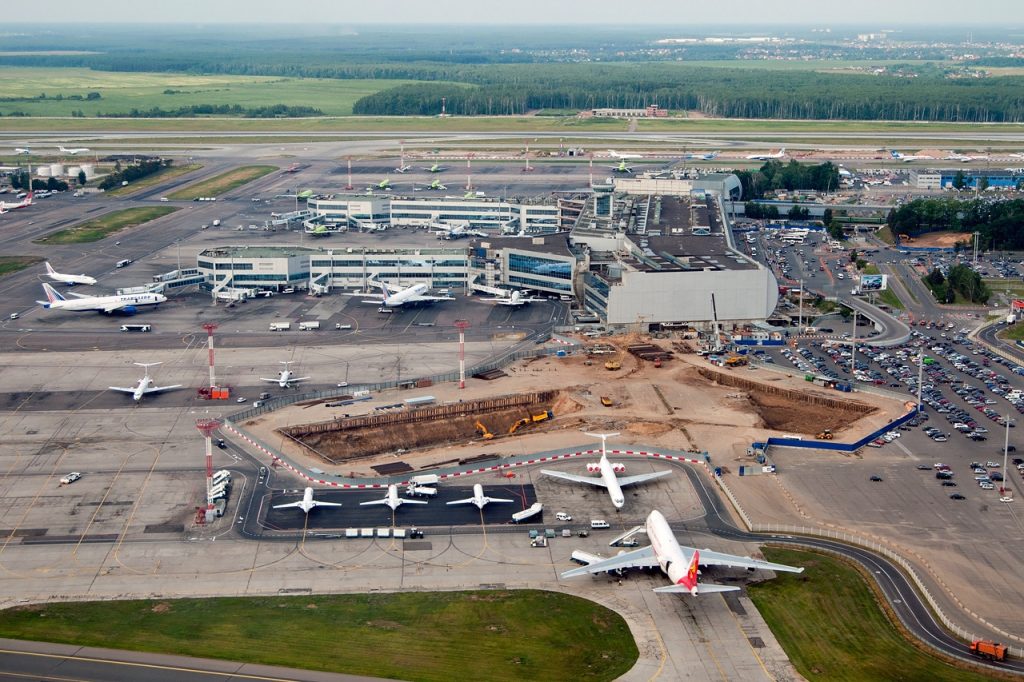
These raids are not limited to economics targets. Drone raids have shut the Moscow airports 217 times from May to January, costing the airlines well over 1 billion rubles. By planning swarms for maximum disruption, the Kiev military is probing the Kremlin’s limited air defenses off the battlefield for dominance over urban industrial centers. The psychological impact is intensified when raids strike around centers of power such as St. Petersburg, making the point that Russia’s very elites are also within reach.
8. A Campaign Condemned to Intensify
Ukraine’s air campaign initially targeted refineries late in 2023 but accelerated significantly this past 2025 by much greater accuracy. By the thousands each month and by proven ability to penetrate Russian defenses, the campaign does not show signs of slowing down. As Volodymyr Zelensky characterized them, the strikes constitute “the most effective sanctions,” chiseling away the revenues and stores of fuel that supply Moscow’s military machine.
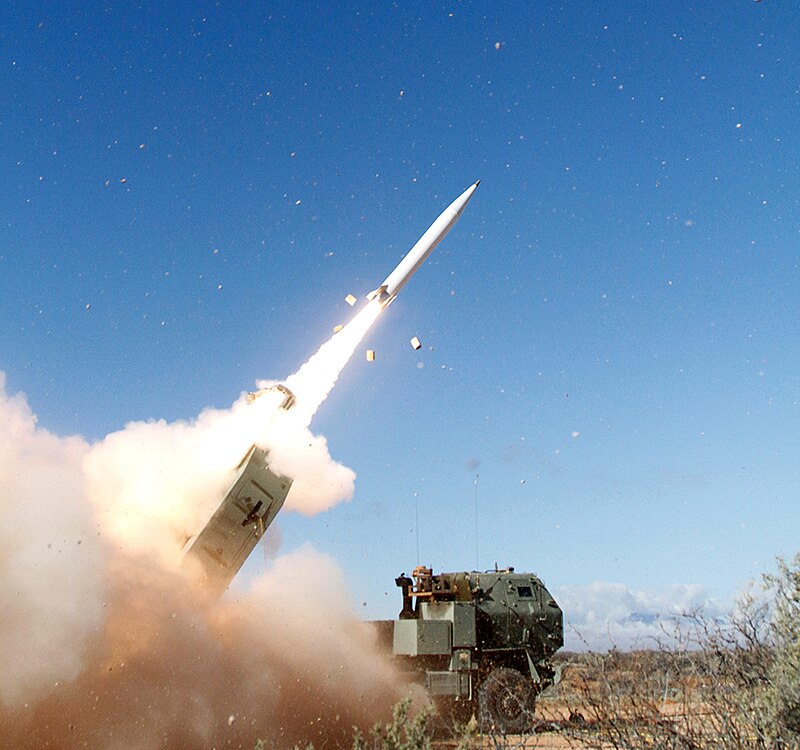
By breeding local ingenuity with smart targeting, Ukraine has made its drone force an extended-range precision strike force capable of transforming the logistically and economically oriented dynamics of the conflict. The Kirishi fires are more than smoldering embers They are the promise that Russia’s oil empire is no longer beyond reach.


