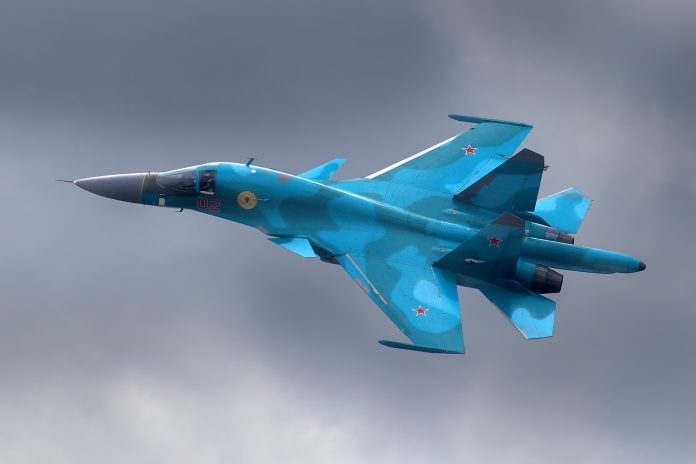
What does it mean when a decade-long arms negotiation finally results in a global conflict? For Algeria, leaked documents show a major upgrade in aerial warfare capability. Algeria is set to become the first foreign buyer of Russia’s Su-34 fighter-bomber and Su-57 stealth jets.
1. The Rostec Leak and Algeria’s Historic First
Documents allegedly hacked from Russia’s state defense firm Rostec by the group Black Mirror provide details on contracts, delivery schedules, and strategies to avoid sanctions. The papers identify Algeria with the code “012” and note orders for 14 Su-34ME and 12 Su-57E aircraft between 2024 and 2026. If confirmed, this will make Algeria the first foreign customer for both models. The leak also reveals alternative payment methods, such as settling in yuan, rubles, or euros, to bypass SWIFT restrictions.
2. Su-34ME: Export Engineering for Survivability
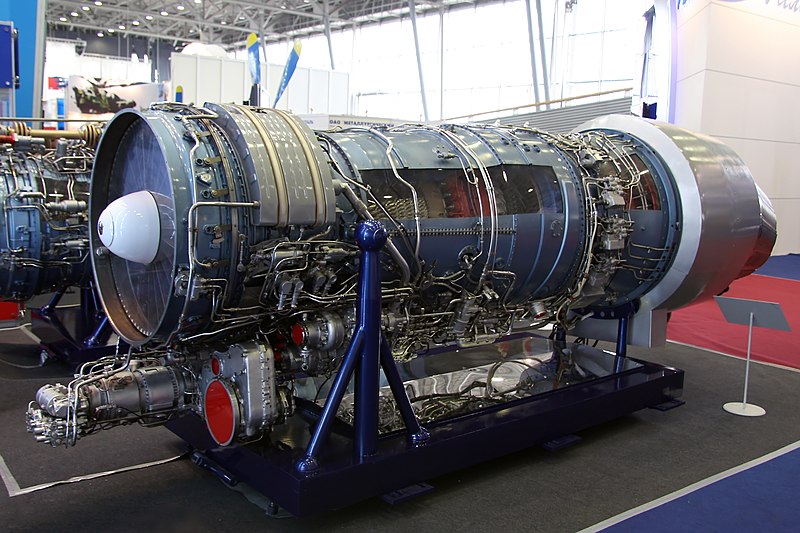
The Su-34ME variant for Algeria retains the base Su-34M airframe and Saturn AL-31FM1 turbofans while adding new survivability features. Each bomber will reportedly include the L-265VE “Khibiny-U” electronic warfare suite, which aims to jam radar and missile seekers. Adjustments for North African climates and compatibility with modern munitions are also included, along with reinforced landing gear for rough airfield operations.
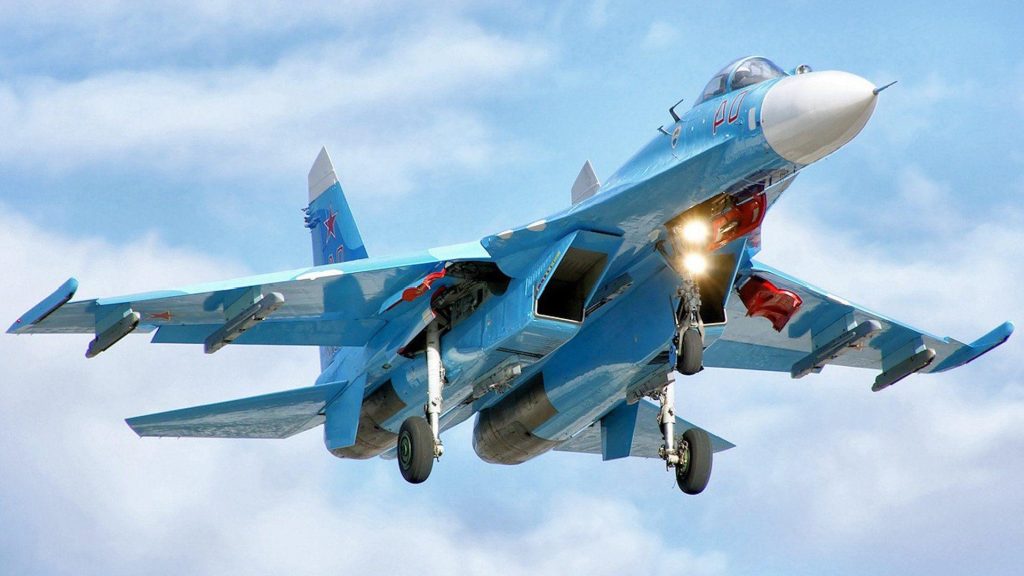
3. Anatomy of the “Fullback”
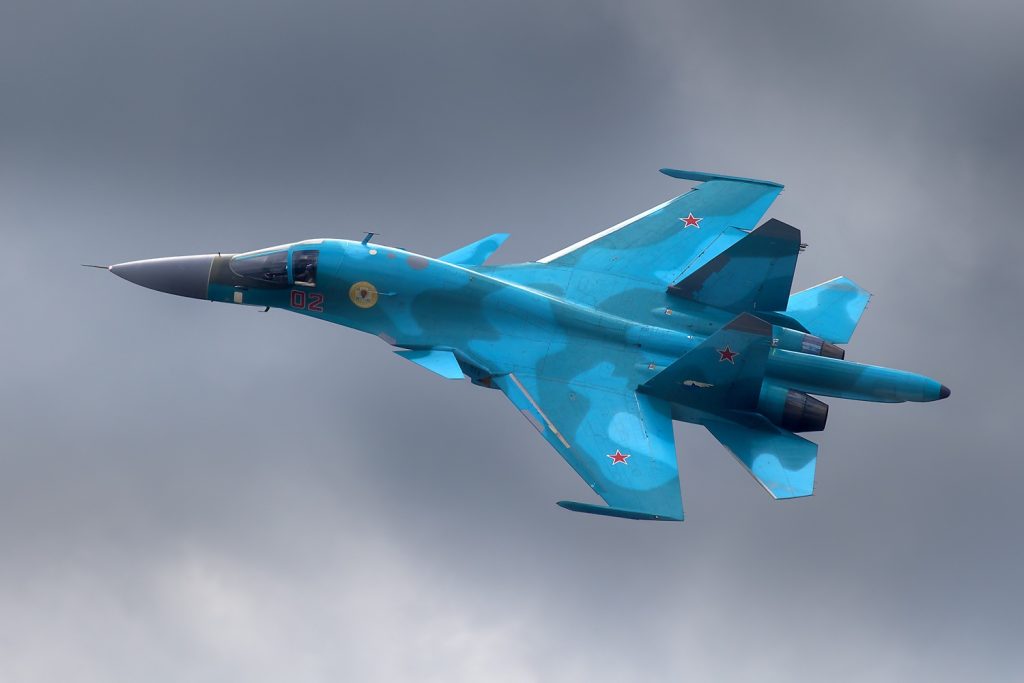
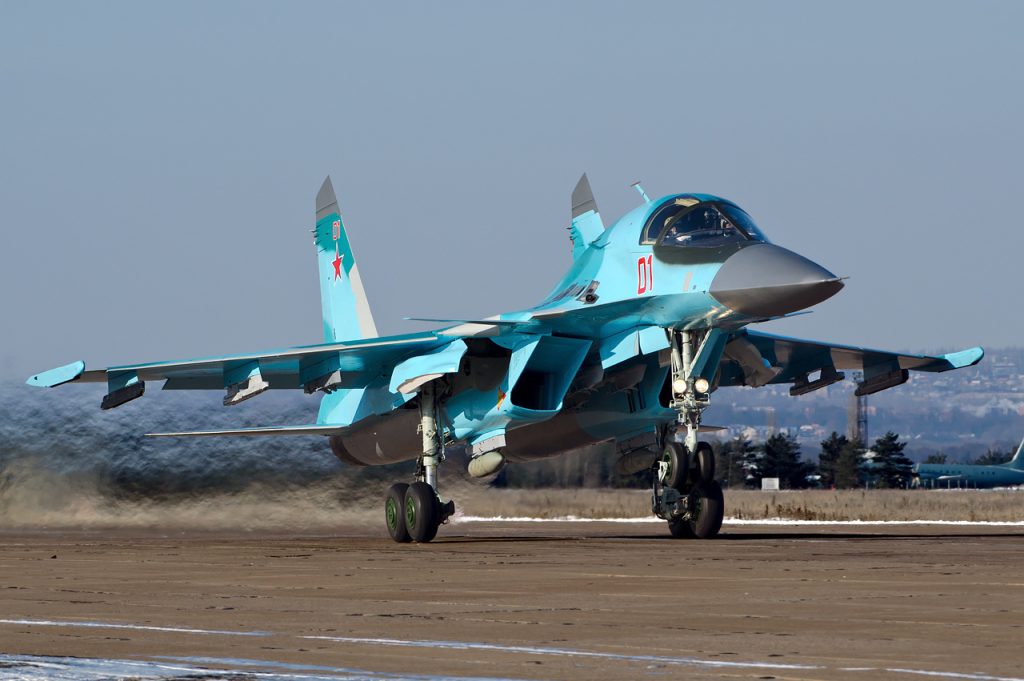
Based on the Su-27 Flanker, the Su-34 has a three-surface aerodynamic design with canards that enhance stability at low altitudes. Its armored titanium cockpit, 17 mm thick and weighing 1,480 kg, protects the crew from small-arms fire and shrapnel. The side-by-side seating improves mission coordination, while features like a galley and lavatory support long-range missions. The Sh141/V004 PESA radar provides terrain-following modes and can detect large targets from up to 250 km away.
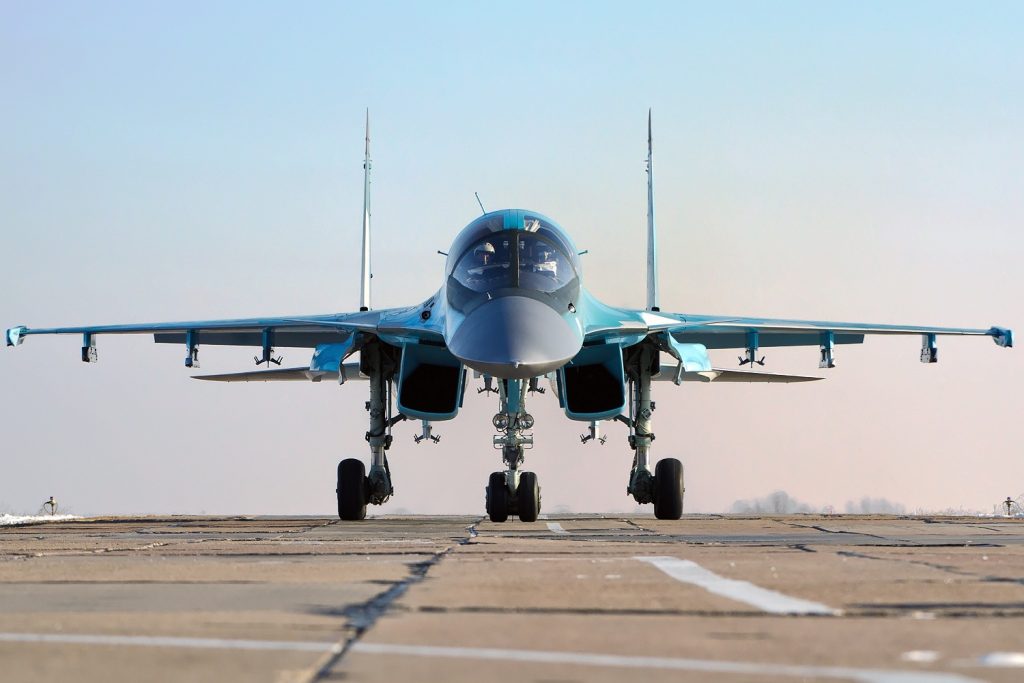
4. Combat Record and Tactical Adaptations
In Ukraine, the Su-34 has seen significant action but has also suffered heavy losses. Open-source intelligence confirms that it has lost over 30 units, many to US-supplied Patriot PAC-3 interceptors. Pilots have adjusted their tactics using a hi-lo-hi delivery profile flying low and fast, climbing steeply to drop glide bombs from a safe distance, then descending to evade interceptors. Despite these losses, the Su-34 remains Russia’s most powerful strike fighter, often flying with Su-35S escorts for combined strike and air superiority missions.
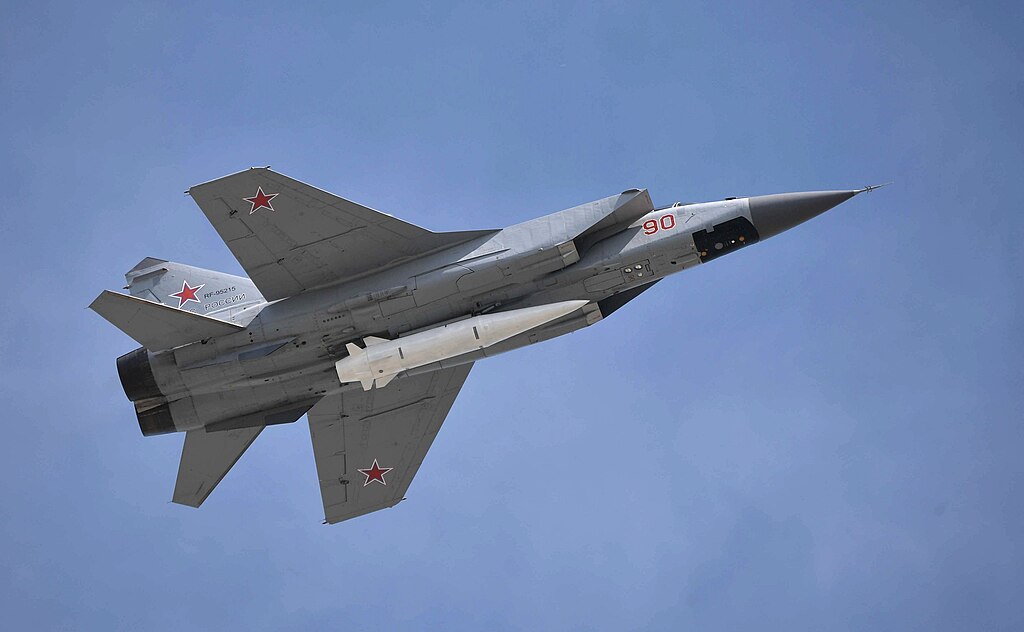
5. Kinzhal Hypersonic Missile Integration
The Su-34 has been modified to launch the Kh-47M2 Kinzhal, an air-launched ballistic missile that reportedly reaches speeds of Mach 10 and has a range of about 2,000 km. Initially launched from MiG-31K interceptors, adding the Kinzhal to the Su-34 allows the MiG-31s to focus on defense. However, Chinese defense analysts express concerns about the missile’s maneuverability and accuracy, noting its vulnerability to systems like the Patriot PAC-3. Ukraine has reported intercepting multiple Kinzhal missiles since May 2023.
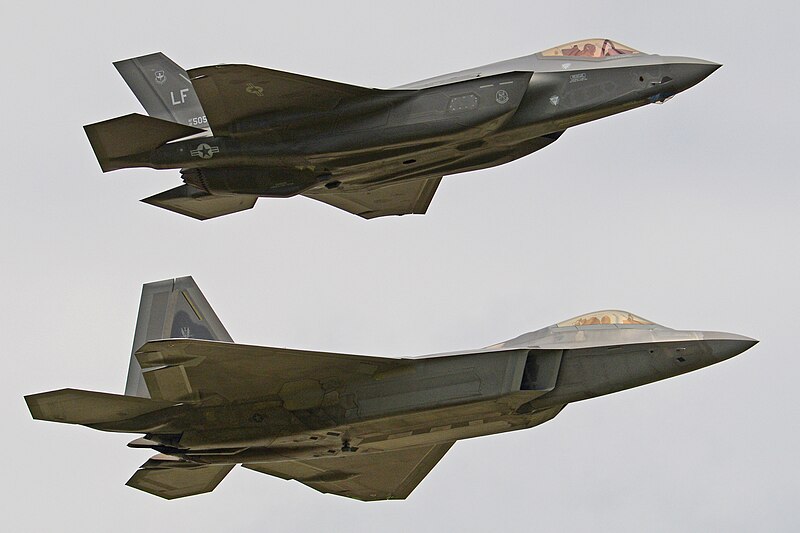
6. The Su-57E: Fifth-Generation Stealth for Algeria
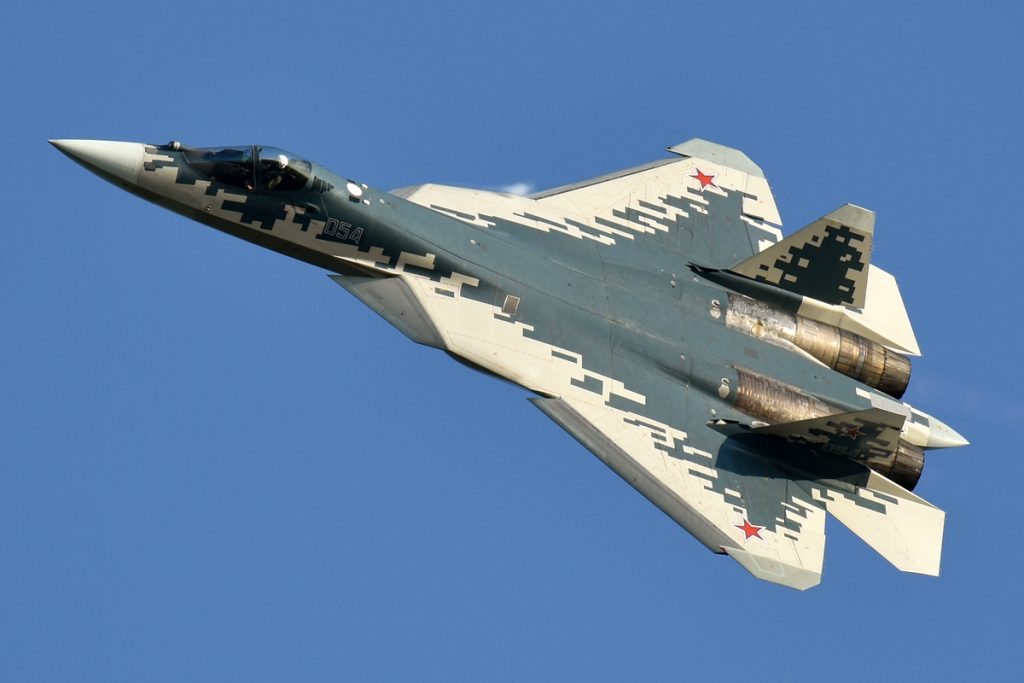
The Su-57E, based on Russia’s PAK FA program, offers low visibility and sensor fusion for various roles, including air superiority, precision strike, and suppression of enemy air defenses. Entering service in Russia in 2020, the export version is expected to strengthen Algeria’s defense against regional threats, including advanced air defense systems. Algerian pilots have reportedly been training in Russia since early 2025, with initial aircraft deliveries expected by the end of the year.
7. Reconnaissance and Multi-Role Flexibility
The Su-34’s compatibility with the Sych universal reconnaissance pod allows for real-time intelligence collection while retaining full strike capability. This dual-role flexibility aligns with modern air force trends, where multirole fighters replace older dedicated reconnaissance aircraft. For Algeria, this means fewer specialized aircraft and quicker responses in contested airspace.
8. Regional Balance and Strategic Impact
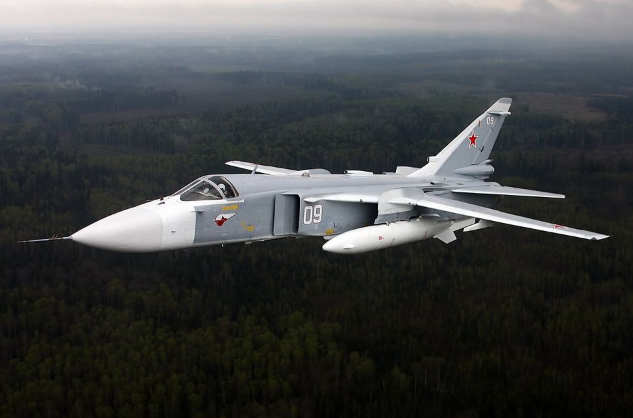
Algeria’s acquisition of Su-34ME and Su-57E aircraft will replace its outdated Su-24 fleet and complement its current Su-30MKA and Su-35S fighters. The combination of heavy-strike capability, stealth features, and advanced electronic warfare systems could significantly change the airpower landscape in North Africa. With these aircraft, Algeria gains the ability for deep-strike operations, maritime attacks, and high-survivability intelligence gathering capabilities that exceed those of regional competitors.
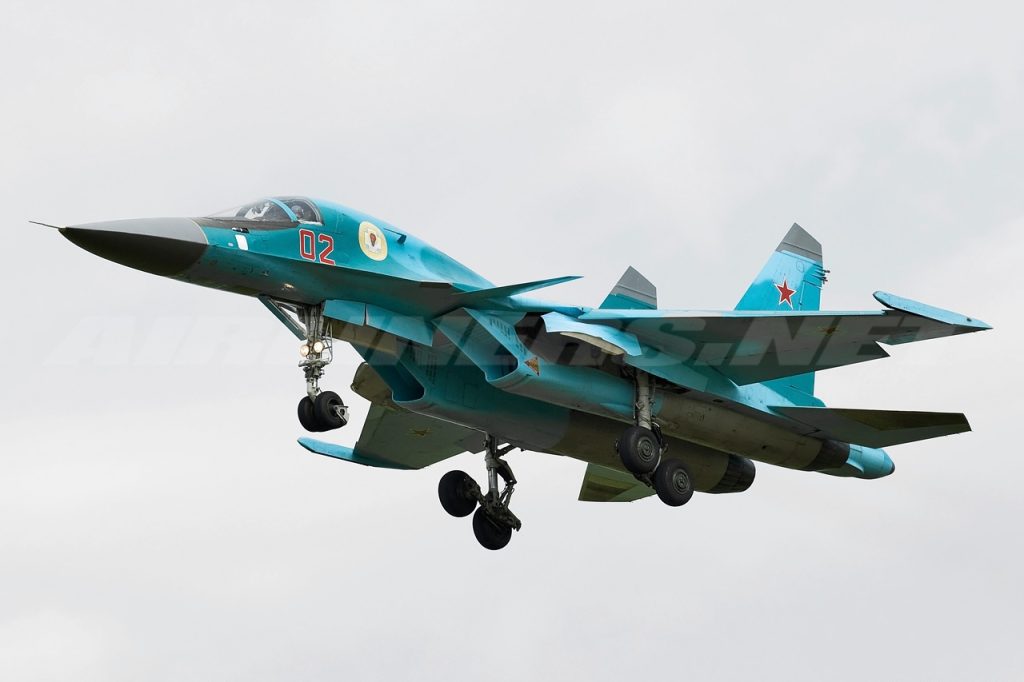
It remains uncertain if Russia can deliver these aircraft on time due to domestic production needs and supply chain issues caused by sanctions. However, the sight of Su-34s in export configuration with desert camouflage at Zhukovsky Airport suggests that assembly for Algeria is already underway.


