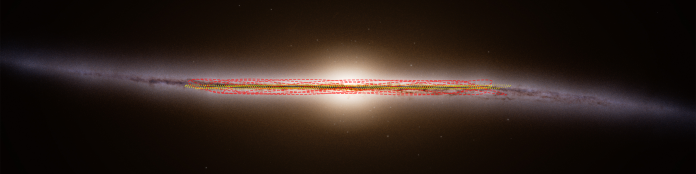
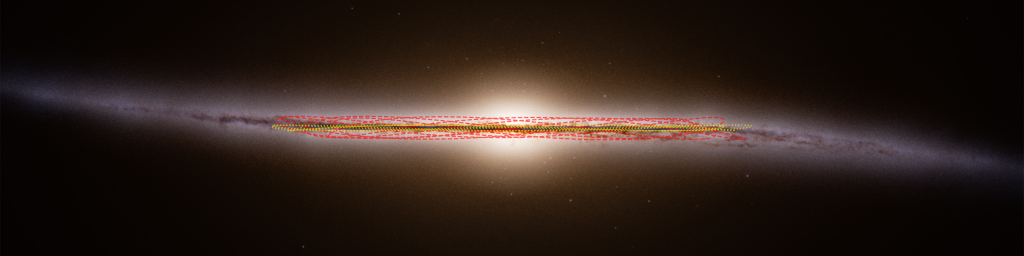
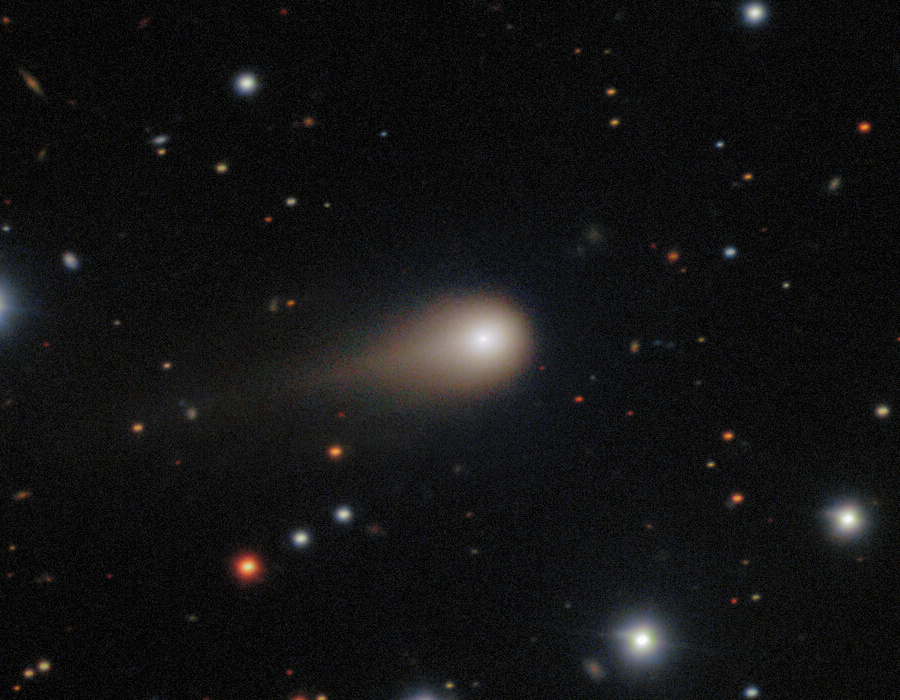
They say the past is fixed, but for 3I/ATLAS, it may be trapped in ice, dust, and rock while traveling through space at nearly 58 kilometers per second. This newly discovered interstellar comet is not just fast; it might also be a 10-billion-year-old witness to the earliest planetary systems. It serves as a time capsule from when the Milky Way was still forming its disks.
1. Discovery at Unprecedented Speed
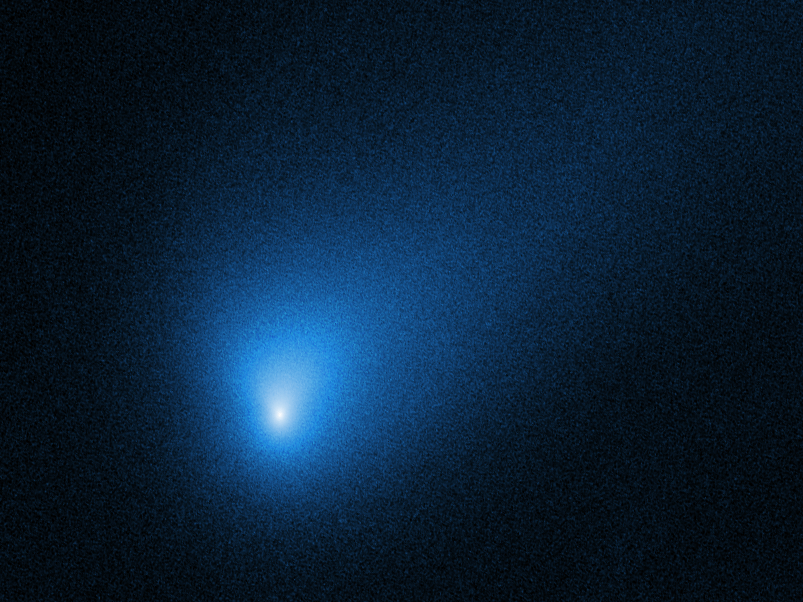
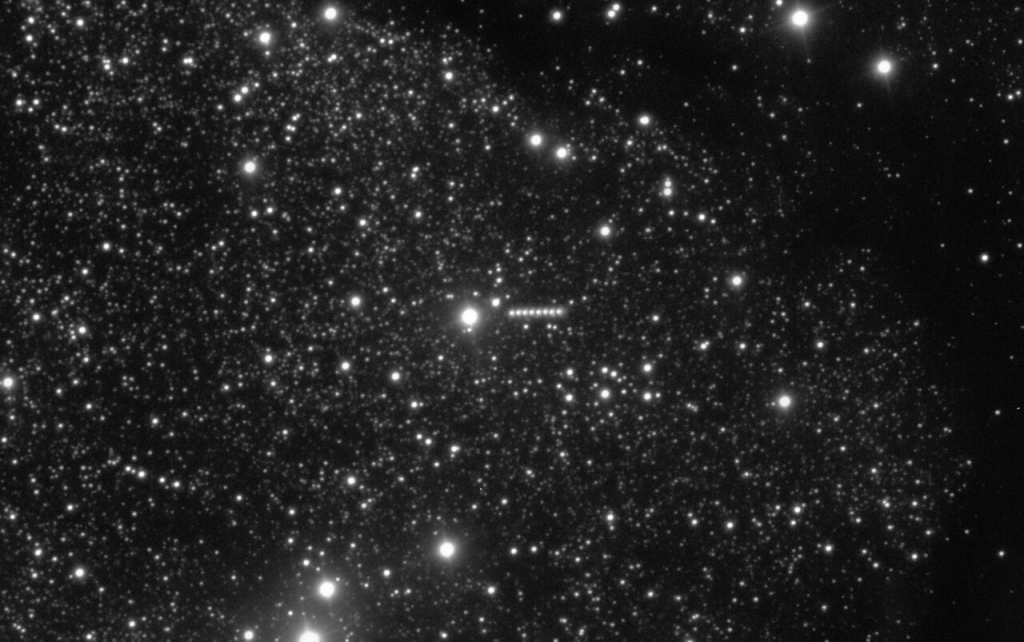
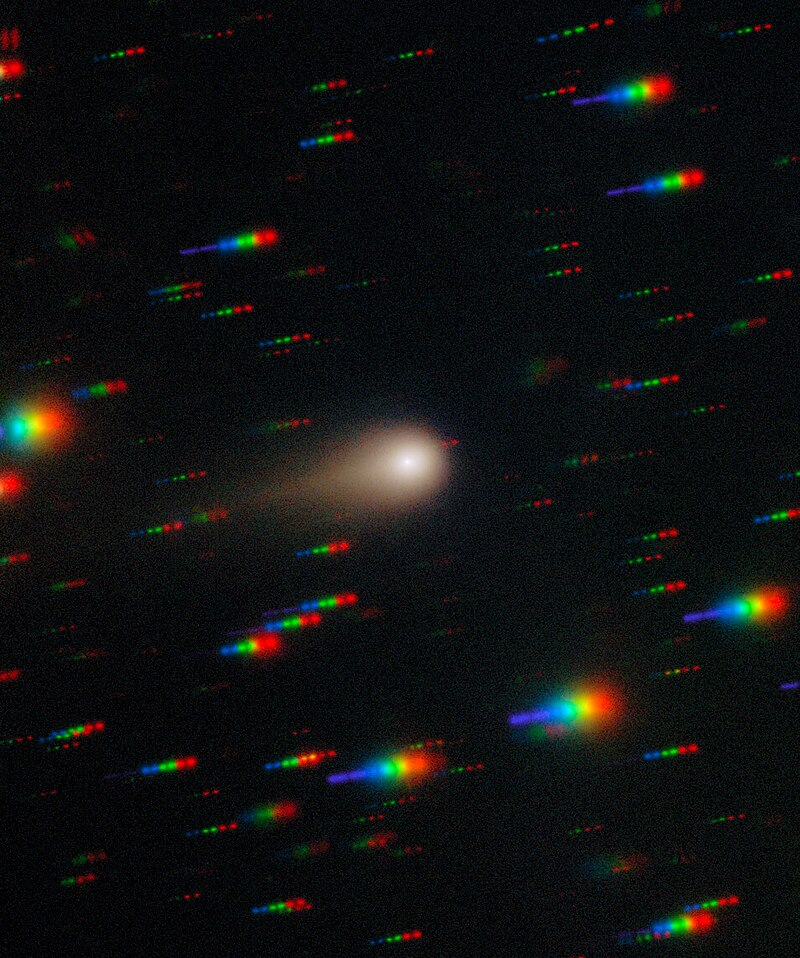
On July 1, 2025, the ATLAS telescope in Chile detected an object moving at nearly twice the speed of earlier interstellar visitors, ‘Oumuamua and 2I/Borisov. With a suspected nucleus of up to 5.6 kilometers and a mass over 33 billion tons, 3I/ATLAS is the largest and brightest interstellar comet seen so far. Its hyperbolic path confirmed it came from outside the Solar System. Early imaging suggested NASA’s Perseverance rover on Mars might have captured it as a streak of light.
2. Tracking with Gaia’s Precision
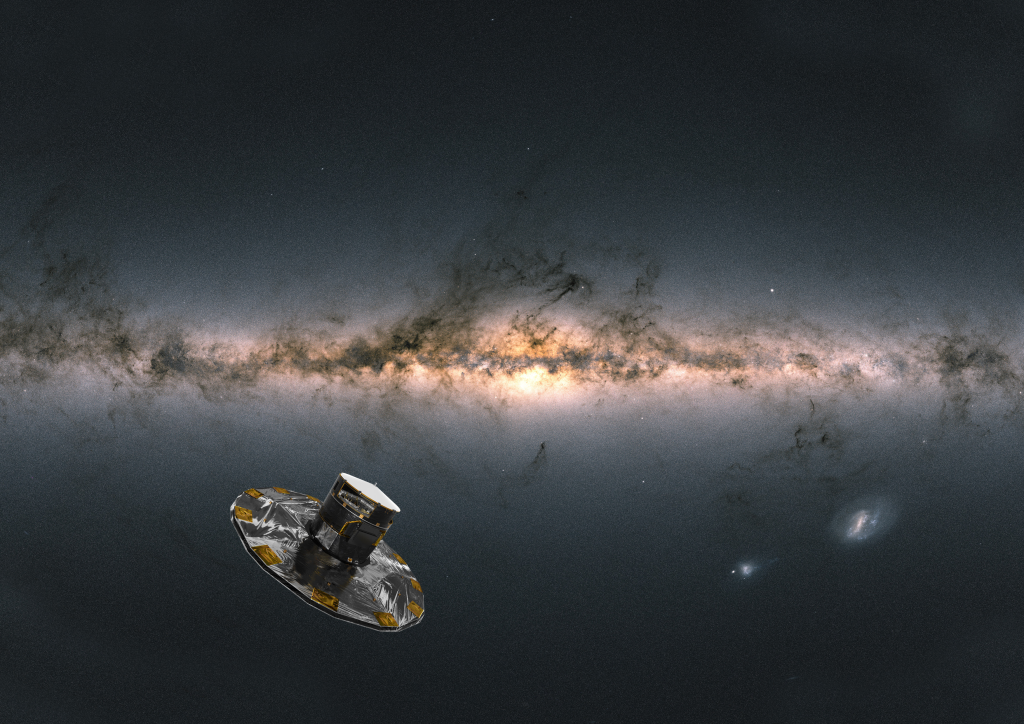
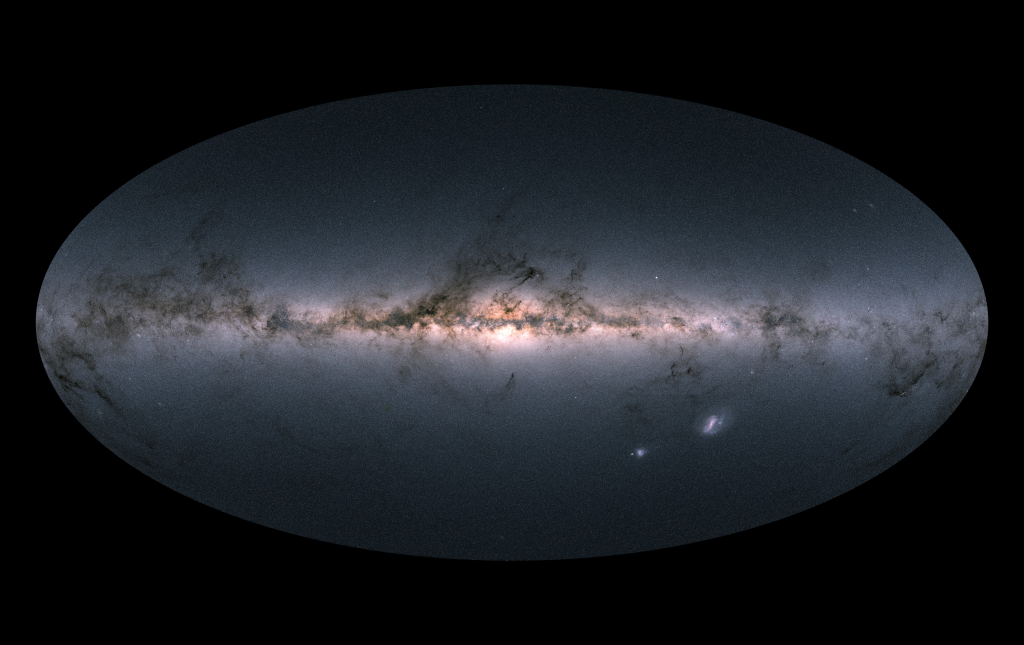
The European Space Agency’s Gaia mission aimed to create a three-dimensional stellar map to gather data needed to trace 3I/ATLAS’s path. Researchers from the University of A Coruña tracked its trajectory back 10 million years, identifying 93 nominal stellar encounters, with 62 being statistically significant. However, even the closest perturber, Gaia DR3 6863591389529611264 at 0.30 parsecs, changed its speed by only 5 × 10⁻⁴ km/s. This change is too small to explain its current motion.
3. Thin Disk vs. Thick Disk Origins
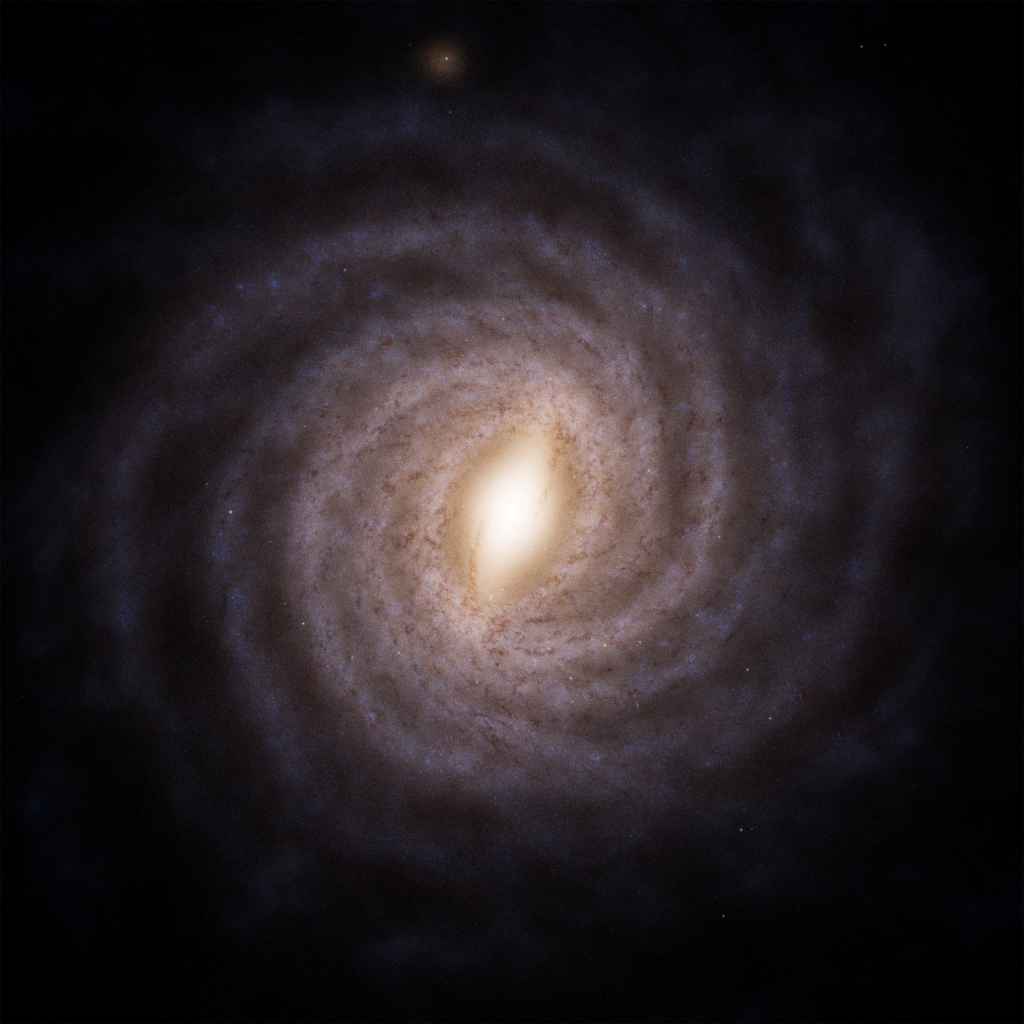
The comet’s motion raised questions about whether it came from the Milky Way’s thin disk, thick disk, or even the halo. Thin disk stars orbit near the galactic plane with relatively low vertical speeds, while thick disk stars are older, rich in α-elements, and often metal-poor. One analysis based on Gaia data found a 96.59% chance of a thin-disk origin. However, other studies pointed out its high speed and vertical movement, suggesting it comes from a thick-disk environment linked to the Galaxy’s “cosmic noon” of intense star formation 9–13 billion years ago.
4. Chemical Signatures of Ancient Formation
If 3I/ATLAS is a remnant of the thick disk, its composition would show early galactic chemistry. This would include reduced iron-peak elements, increased α-elements like magnesium and silicon, and possibly a lower overall density due to smaller metallic cores. These traits could impact its internal structure, history of magnetic fields, and even the volatility of its ices. Thick-disk formation environments received far-ultraviolet radiation, which might have stripped supervolatile compounds like CO and N₂ before the comet was ejected into interstellar space.
5. Observations from Mars Orbiters
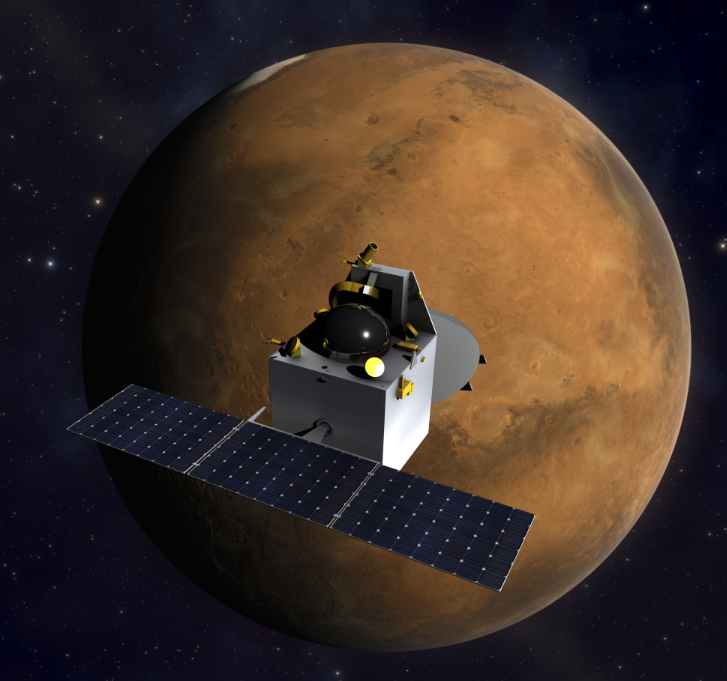
ESA’s ExoMars Trace Gas Orbiter and Mars Express spacecraft captured faint images of 3I/ATLAS during its closest approach to Mars at 30 million kilometers. The coma, thousands of kilometers wide, was visible, though the nucleus could not be resolved. “The comet is around 10,000 to 100,000 times fainter than our usual target,” said Nick Thomas, the principal investigator for CaSSIS. Efforts to assess its spectrum may indicate if volatiles are present, which is an important test of the thick-disk theory.
6. Spacecraft Flyby Opportunities
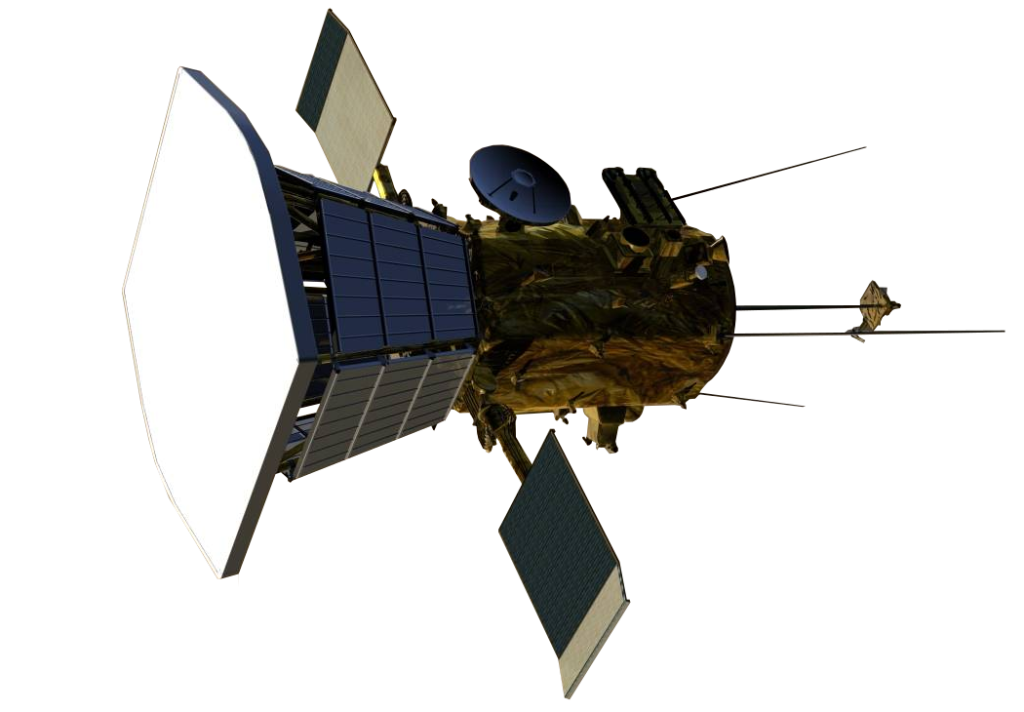
Its trajectory brings it near several spacecraft, including Psyche, Juice, and possibly Europa Clipper and Lucy, providing rare chances to directly sample its dust tail. Solar observatories like Parker Solar Probe may watch its activity close to perihelion when its coma and tail are most developed. These encounters could help refine dust grain size distributions, phase-angle scattering properties, and infrared signals of polycyclic aromatic hydrocarbons (PAHs), which are sensitive to the conditions under which they formed.
7. Galactic Context and Resonances
3I/ATLAS’s orbit reaches nearly a kiloparsec above the galactic plane, matching thick-disk height measurements. Its apogalacticon aligns with the Milky Way’s outer Lindblad resonance, suggesting possible influences from the galactic bar and spiral density waves. These resonances may create streams of interstellar objects, not from a single origin but from similar orbital paths over billions of years.
8. The Role of Gaia in Origin Analysis
Gaia’s dataset of over 30 million stars allowed researchers to track orbits very accurately, using Monte Carlo simulations to account for measurement uncertainties. Although they found 25 close stellar encounters within 1 parsec, none could realistically be the comet’s host system. The high relative speeds, often over 20 km/s, make it unlikely that gravitational ejection from these stars occurred based on standard planetary scattering models.
9. Implications for Planetary System Diversity
Interstellar comets like 3I/ATLAS carry the mineral and isotopic signs of their original systems. Studying their dust and ice could show how the chemistry of planetary formation differs across various galactic environments, from the metal-rich thin disk to the α-rich thick disk. “Each observation is like opening a window into the Universe’s past,” said Pérez Couto, the study’s lead researcher.
In the coming months, we will find out if 3I/ATLAS is a thin-disk wanderer or a thick-disk remnant from the cosmic dawn. Either way, it provides a brief but significant chance to witness a piece of galactic history that has traveled unchanged for billions of years.


