“Nothing in the Joint Force represents combat power from the sea in the form of a Carrier Strike Group,” Adm. Daryl Caudle warned Congress this summer, “and the ability to maintain air superiority against peer competitors will be at risk if the Navy is not able to deliver a 6th Generation strike fighter on a relevant timeline.” His remark comes at the essence of the U.S. Navy’s F/A-XX dilemma a program mired in political crosswinds, industrial base limitations, and interservice rivalry, yet central to carrier aviation’s future.
1. A Program in Limbo
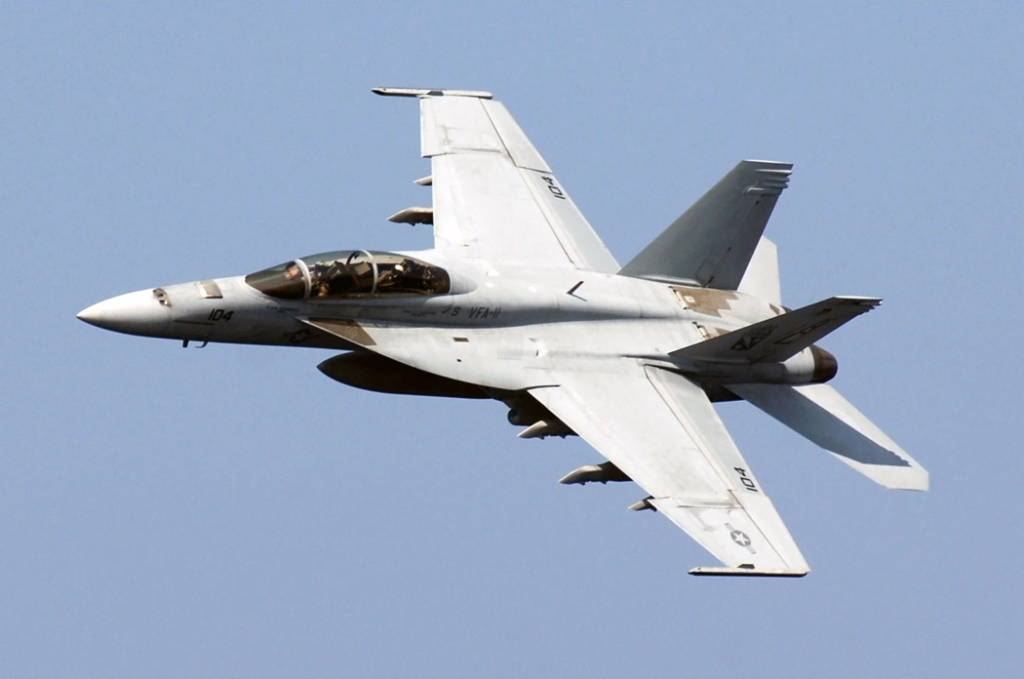
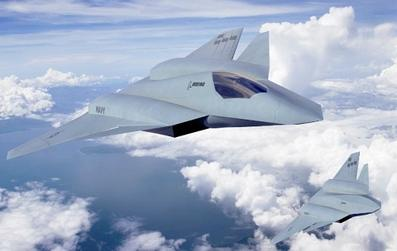
The F/A-XX, the Navy’s sixth-generation replacement for the F/A‑18E/F Super Hornet and EA‑18G Growler, was to face a competitive downselect among Boeing and Northrop Grumman in March. Instead, the process was cut off by the Department of Defense, which questioned if the U.S. industrial base could accommodate two concurrent sixth-generation fighter programs on top of the Air Force F‑47. The Trump administration’s budget benefited the F‑47, allocating $3.4 billion to accelerate its development, and the Navy’s $1.4 billion request for F/A‑XX was relegated to its Unfunded Priority List.
2. Boeing’s Twin-Track Strategy
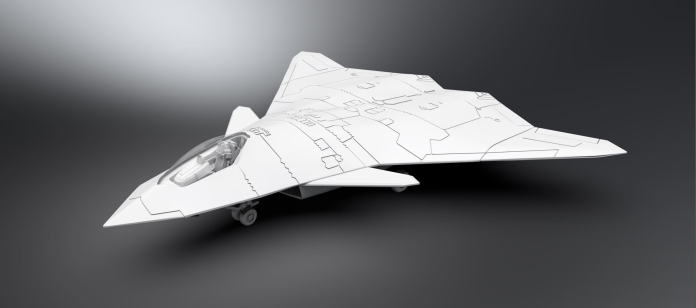
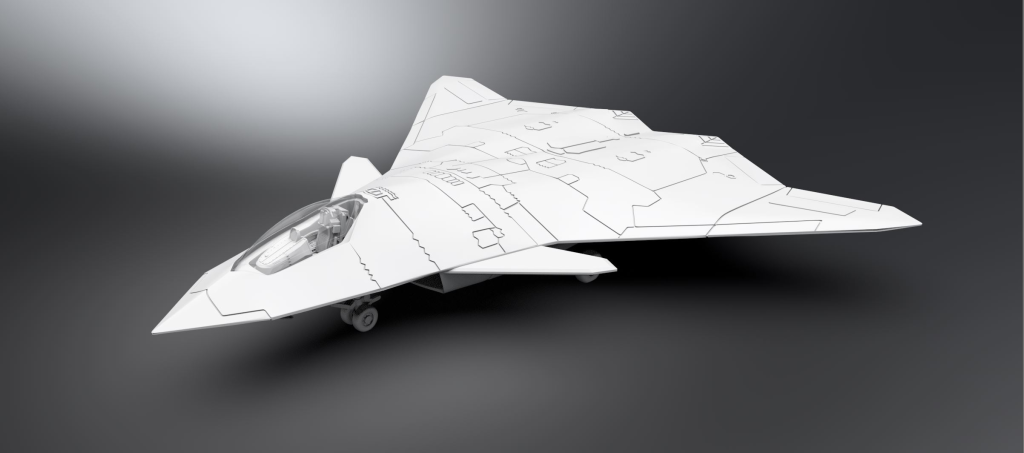
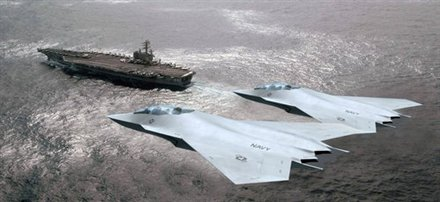
Boeing’s F/A‑XX concept sketch, which appeared at the Tailhook Symposium, closely resembles its winning F‑47 design same bubble canopy, possible canard foreplanes, and stealth-optimized planform. Whereas the F‑47 would be powered by a new adaptive-cycle engine, the Navy version would use a derivative powerplant, giving up a little performance for carrier capability. Boeing Defense Chief Executive Officer Steve Parker has reiterated the company can “absolutely” build both planes simultaneously, using its new Advanced Combat Aircraft Assembly Facility in St. Louis to achieve economies of scale.
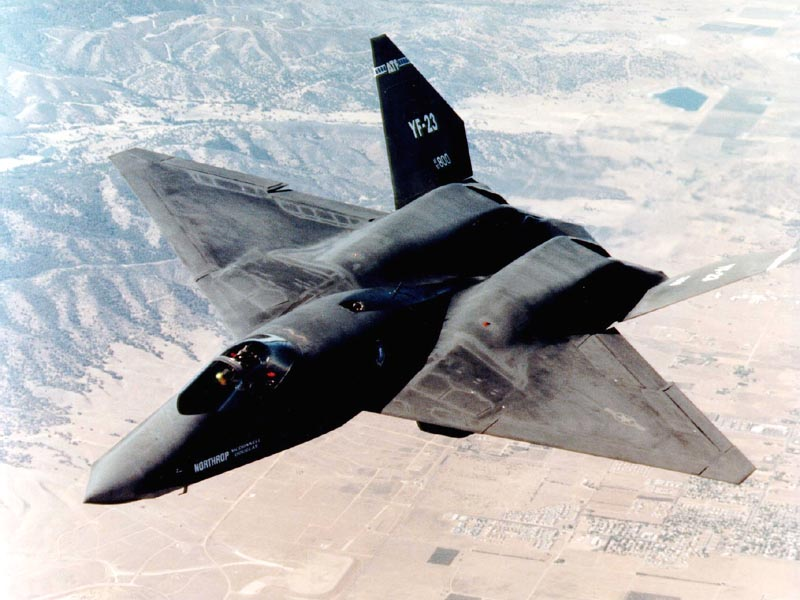
3. Northrop Grumman’s YF‑23 Legacy
Northrop Grumman’s design is reminiscent of the stealthy, trapezoidal-winged YF‑23 Black Widow II, with blended chines, organic curves, and top-mounted intakes for low radar cross-section. The design suggests substantial internal volume for ammunition and fuel central to the Navy’s stated goal of doubling combat radius as much as 125 percent above current fighters. Experts note parallels with the YF‑23’s 1991 loss to the YF‑22 and warn that political and budgetary imperatives will again override technical superiority.
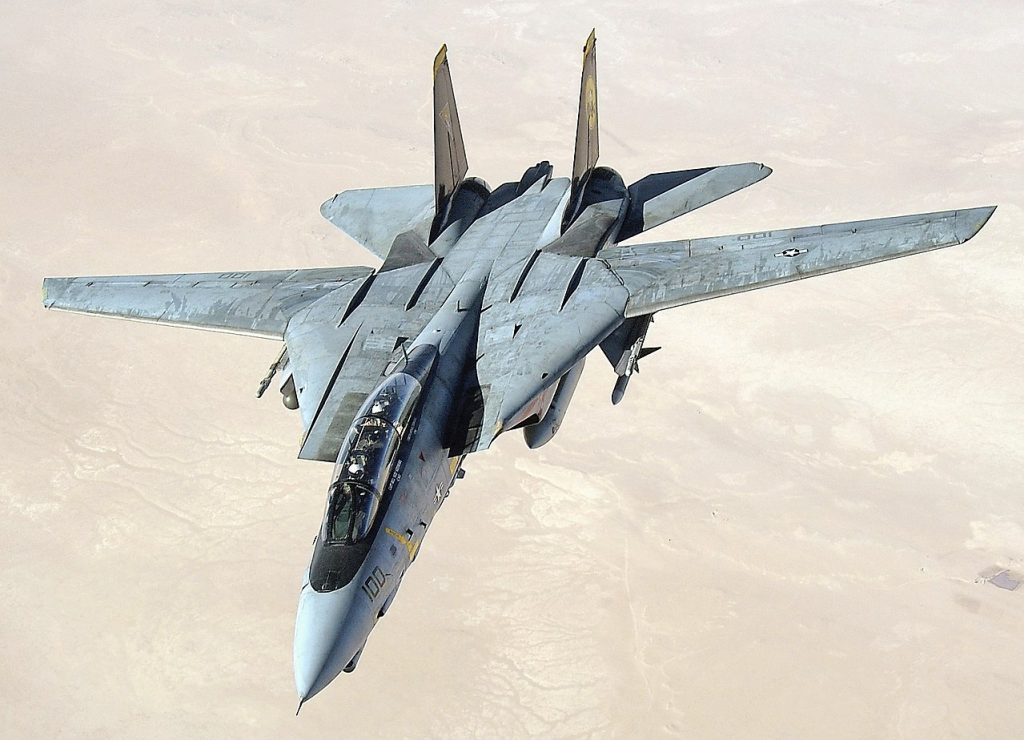
4. Range and the Indo-Pacific Imperative
With the F‑14 Tomcat’s retirement in 2006, the carrier air wing’s effective combat range has been reduced. With Chinese anti-access/area-denial threats keeping U.S. carriers at greater distances from contested shores, range has become a defining feature. Increased range has been characterized by Rear Adm. Michael Donnelly as a “core attribute” of F/A‑XX to provide greater operational reach within the vast Indo-Pacific theater.
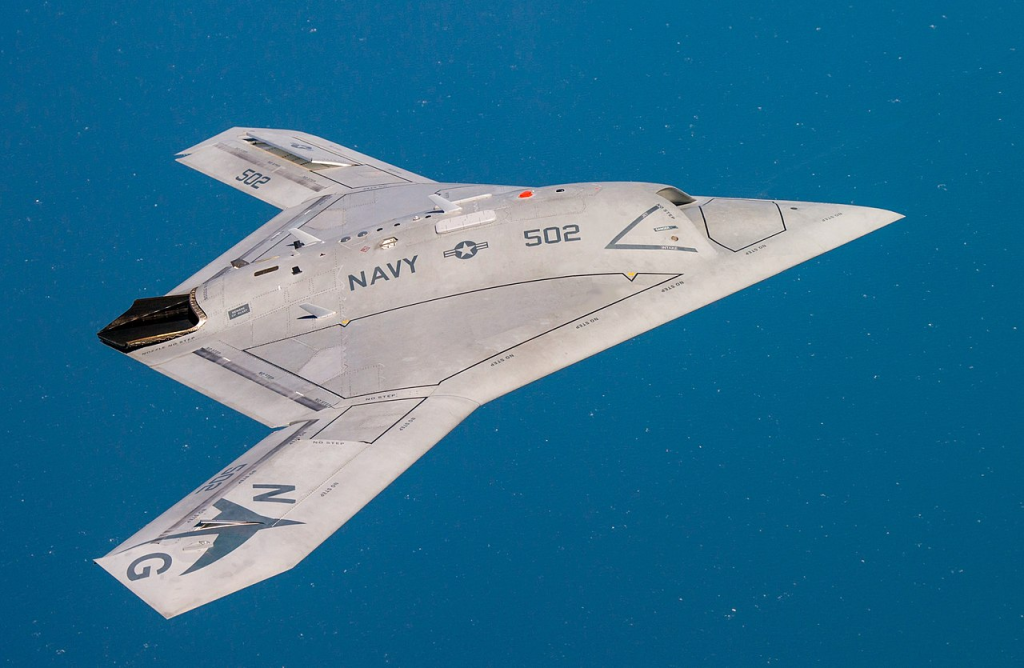
5. Manned-Unmanned Teaming
The Navy’s Next Generation Air Dominance (NGAD) family of systems positions F/A‑XX as the “quarterback” for manned-unmanned teaming (MUM‑T), commanding Collaborative Combat Aircraft (CCA) in air-to-air and strike missions. Initial demonstrations using the X‑47B UCAS and MQ‑25 Stingray have already established autonomous carrier launch, recovery, and aerial refueling. The MQ-25, on track to achieve IOC in FY2027, will free up 20–30 percent of Super Hornet sorties currently reserved for tanker work and add tremendous strike capability.
6. Industrial Base Strain
The White House warned that fully funding F/A‑XX now could delay the F‑47 due to limited engineering and production resources. National Defense Industrial Association’s David Norquist speaks of a post–Cold War force reduction that decreased “fewer companies, fewer workers, and a lack of resilience in surge capacity.” Multi-year buys and facility investments are underway, but adding skilled labor and supply chains is long-term.
7. Congressional Pushback
Despite Pentagon reserve, the Senate Appropriations Committee voted to provide $1.4 billion for F/A‑XX in the FY2026 defense bill, effectively reversing the freeze. Legislators and Navy officials make clear that a carrier-optimize airframe design cannot be an afterthought or a navalized version of an Air Force aircraft. Vice Adm. Daniel Cheever has been explicit: “For the sixth generation I see a maritime version of the aircraft which starts at the carrier, is optimized for the carrier, and is a full carrier version.”
8. The Risk of Cancellation
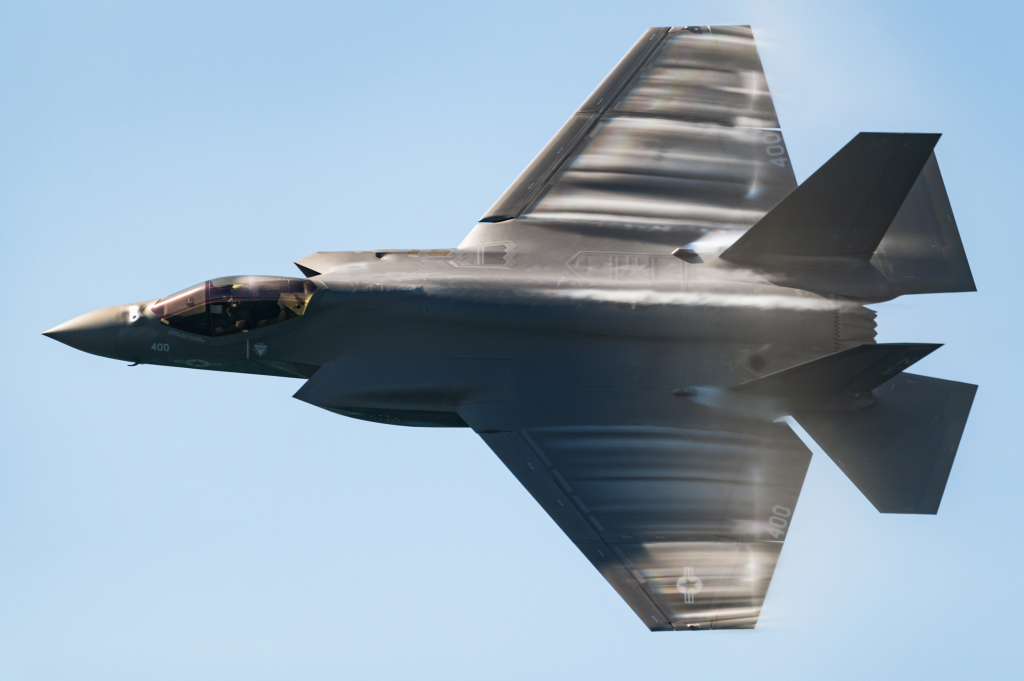
If F/A‑XX falters, the Navy can be forced to look to the F‑35C and an improved F‑47, risking a generation of carrier-based air superiority lead. cancellation could also signal a strategic pivot toward unmanned combat air vehicles, redefining manned fighter’s role in naval aviation. For the defense industrial base, the choice will declare if sixth-generation effort is split among primes or consolidated in one contractor reconfiguring competitive dynamics for decades.
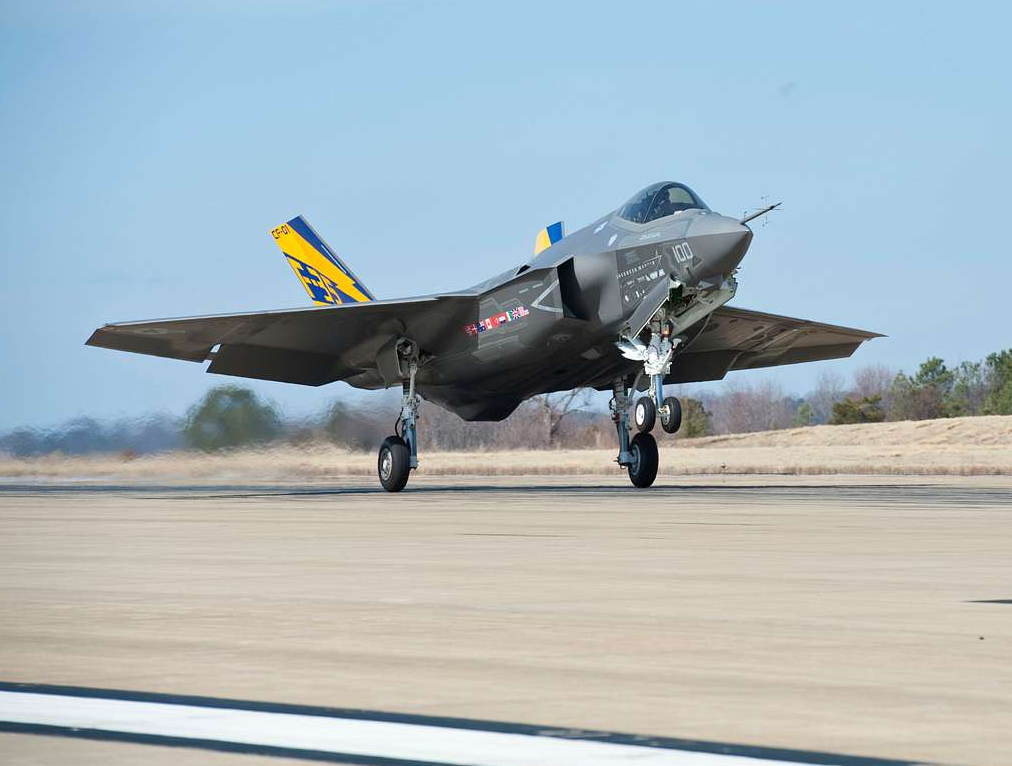
The stakes are dire: in the absence of a purpose-built sixth-generation fighter, the Navy’s capability to project power from the sea in contested zones could atrophy, placing in question the very concept of the carrier strike group as the heart of U.S. maritime strategy.


