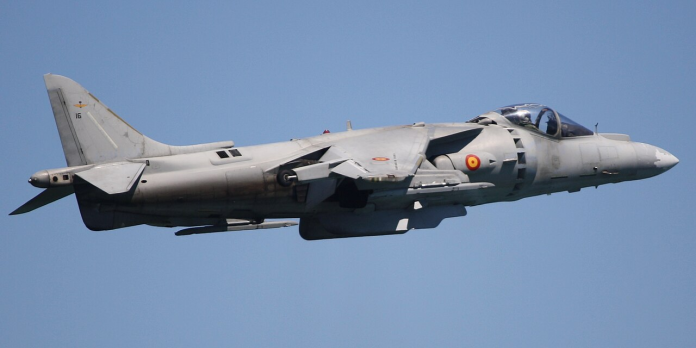

Suppose the deadliest advantage in air-to-air fighting was not firearms, but lightness. In the high-energy setting of twenty-first-century air warfare, the lightest fighters often have the upper hand in manoeuvrability, acceleration, and mission flexibility. They are not simply lighter versions of heavier planes; they are actually designed to exploit speed, agility, and surprise.
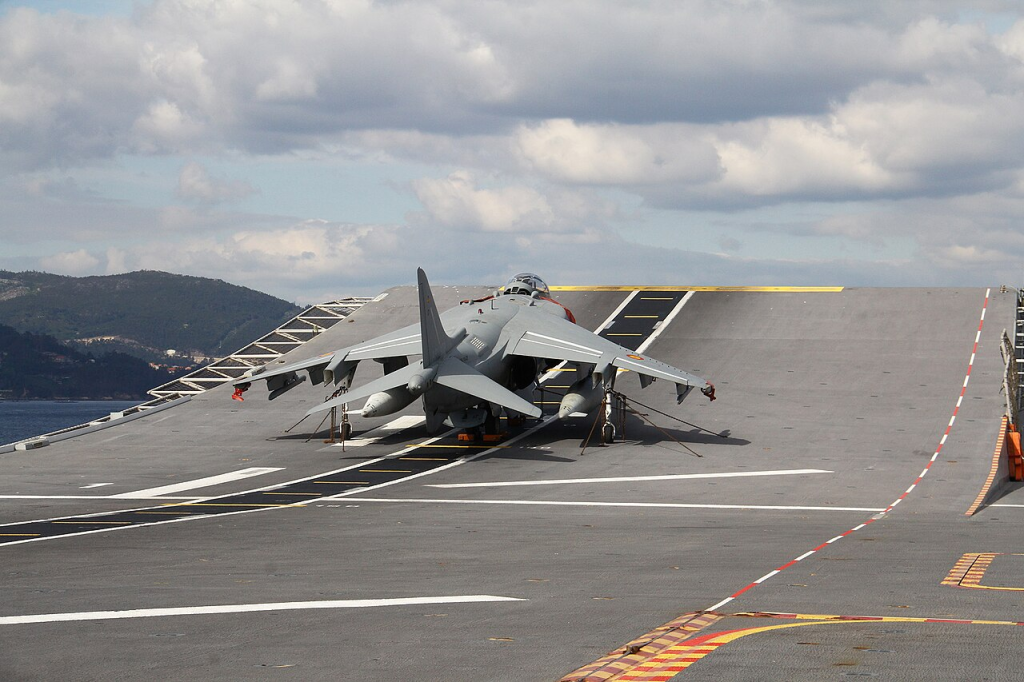
While heavies are designed for payload and range, lightweight variants are designed where quick response and low-cost deployment are worth the most. Materials technology, propulsion, and electronics have enabled these aircraft’s ability to remain even when light. From vertical takeoff to record thrust-to-weight levels, the lightest fighter aircraft are rewriting the book on air combat. This collection examines seven of the lightest of the contemporary fighter aircraft, their design philosophies, flight characteristics, and tactical advantages in the air.
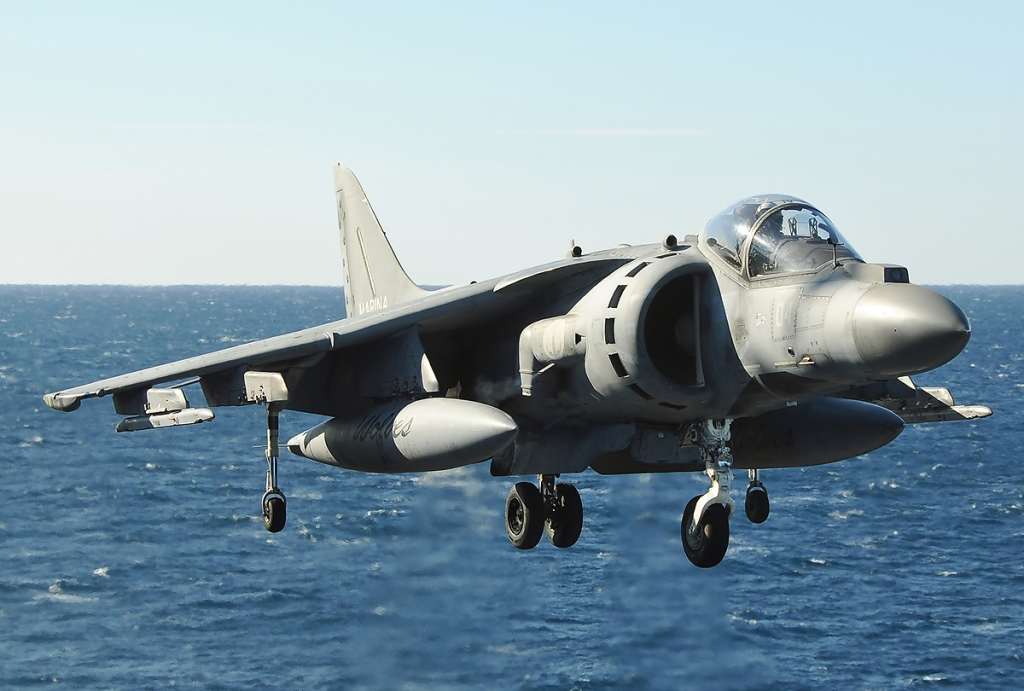
1. AV-8B Harrier II – Vertical Take-off Versatility
Tipping the scales at a mere 13,977 lbs in its empty state, the AV-8B Harrier II is the lightest functioning current combat aircraft. Its designers, BAe Systems, Boeing, and McDonnell Douglas, popularized it with its Short Take-Off and Vertical Landing (STOVL) capability. Due to its revolutionary design, it can take off on short or improvised runways and even smaller warships.
Its proportionately low weight is at the core of vertical lift generation through a vectored-thrust propulsion system. This renders the Harrier II the traditional workhorse of expeditionary warfare, in which runway facilities are scarce. Although its maximum speed of 673–720 mph is relatively low by supersonic fighter convention, its operational flexibility has been invaluable in strike and close air support missions.
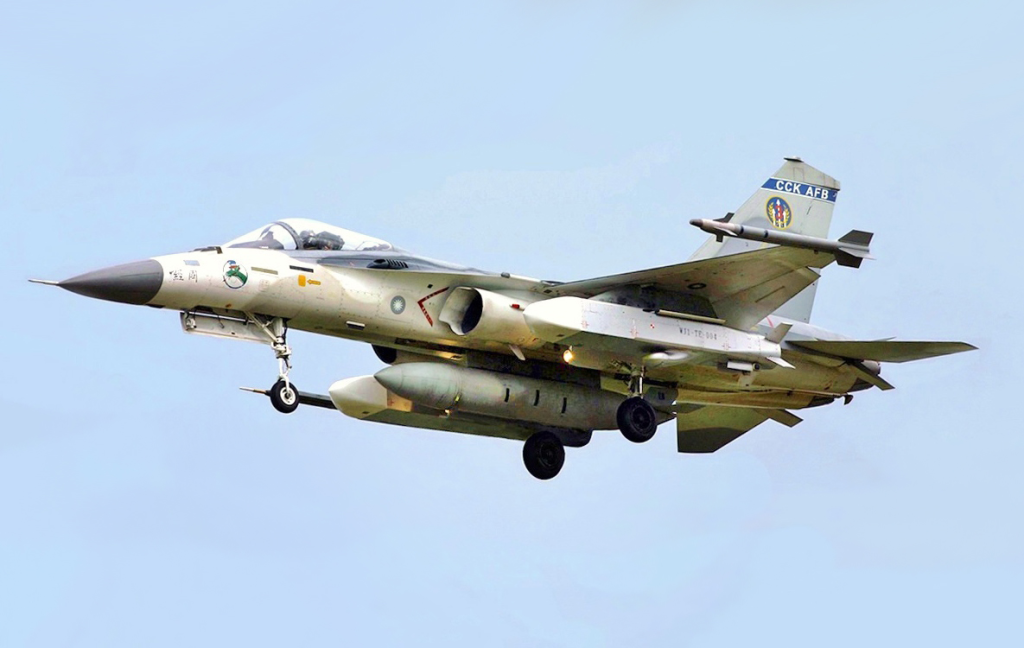
2. F-CK-1 Ching-Kuo – Taiwan’s Domestic Light Weight Fighter
The F-CK-1 Ching-Kuo built by Taiwan’s Aerospace Industrial Development Corporation has an empty weight of 14,330 lbs and was constructed specifically to meet Taiwan’s special defense needs. It is small and highly maneuverable, which makes it perform well in the limited space above the island.
With two Honeywell F125-70 turbofan engines, Ching-Kuo is capable of a top speed of 1,379 mph. Its light weight also aids in having a reduced radar cross-section, giving it some stealth capability. The project identified Taiwan’s quest for defense industry self-sufficiency to reduce imports and adapt performance to match local operating conditions.
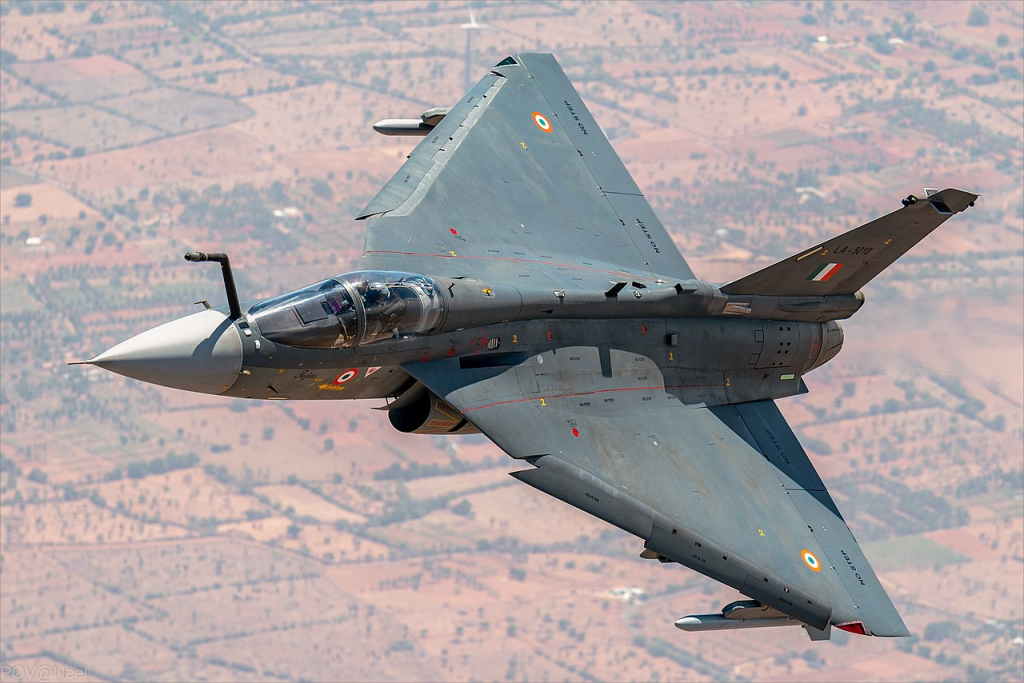
3. HAL Tejas LCA – India’s Agile Multirole Platform
India’s Hindustan Aeronautics Limited manufactured the HAL Tejas Light Combat Aircraft with an empty weight of 14,440 lbs. It is a single-engine, multi-role fighter aircraft designed to be cost-effective and highly maneuverable.
The Tejas is also upgraded with composite materials that reduce weight without compromising the structural integrity. At a speed of 1,227 mph and eight hardpoints, it can carry a versatile weapons load even though it’s massive. Its anti-dollar cost of around $4,000 an hour of flight makes it perfect for long-endurance missions, particularly for nations with the resources against the budget.
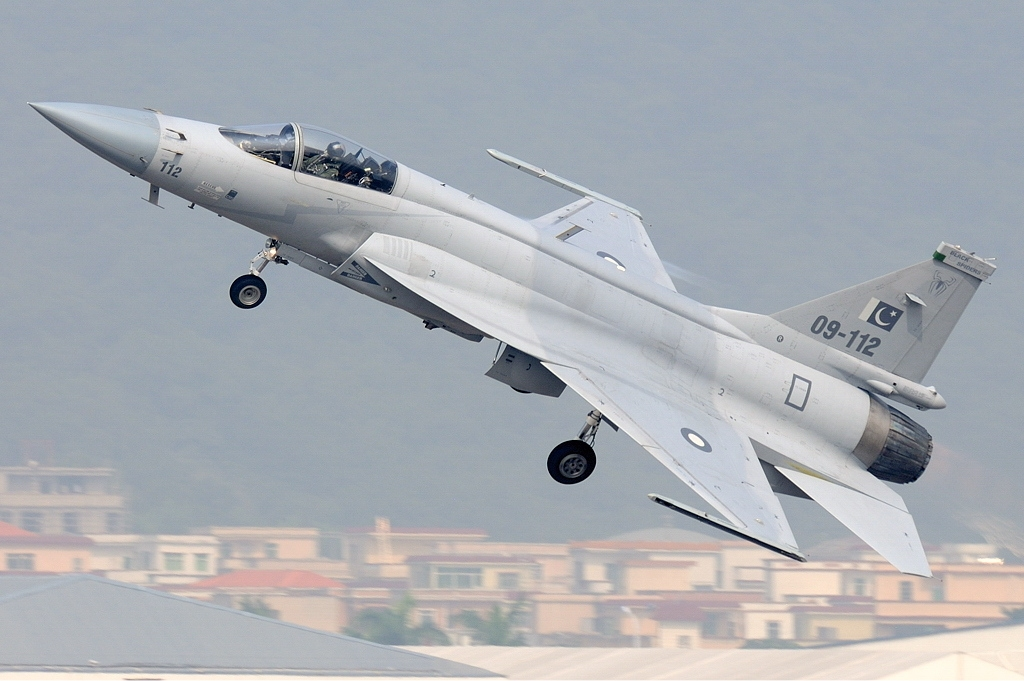
4. PAC JF-17 Thunder – Pakistani-Chinese Joint Venture
The PAC JF-17 Thunder, weighing 14,517 lbs empty, is co-developed by the Pakistan Aeronautical Complex and China’s Chengdu Aircraft Corporation. Developed to replace old fleets with new multirole capability at a fraction of the cost of heavy fighters.
At 1,218 mph, the JF-17 has seven hardpoints and can perform both air-to-air and air-to-ground missions. Its affordability has been so appealing that other nations have taken notice of it. The design being simple has also translated into easier maintenance, which is significant for air forces with limited logistic infrastructures.
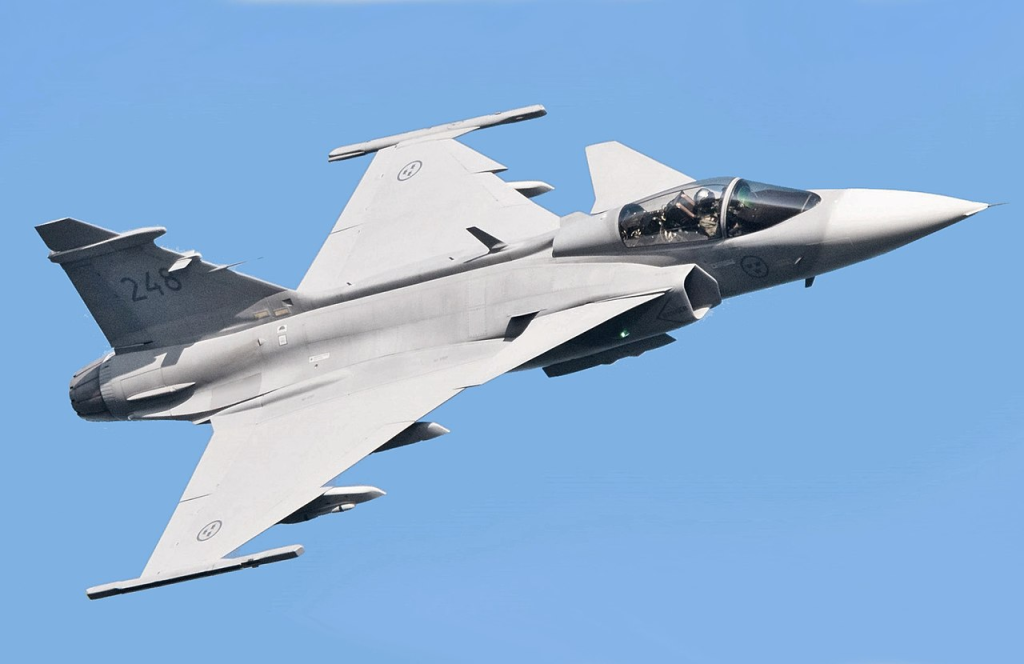
5. JAS 39 Gripen – Sweden’s Export Success
Weighing 14,991 lbs light, Saab’s JAS 39 Gripen is a lightweight multirole fighter with quick deployment and maintenance ease in its sights. Its modularity enables quick turnaround between missions, and it can be taken off from short, unprepared runways.
The avionics and datalink package of the Gripen is similar to that employed on heavier combat fighters, enabling network-centric warfare. Low price and flexibility have also endeared it to smaller NATO member states and nations that desire cutting-edge capability without the costly heavy twin-engine.

6. IAI Kfir – Israel’s Proven Combat Veteran
The Israel Aircraft Industries Kfir, having an empty weight of 16,061 lb, is a single-seat delta-wing single-engine fighter and an offshoot of the Dassault Mirage 5. Powered by a high-powered General Electric J79 turbojet engine, it achieves speeds of up to 1,516 mph.
The Kfir has seen widespread combat service, demonstrating reliability and flexibility. Its relatively moderate light weight is in part responsible for good handling, and its hardpoints will accept a wide range of weapons. Although out of Israeli front-line service, upgraded versions remain in service with numerous air forces and as US Navy and Marine Corps adversary trainers.
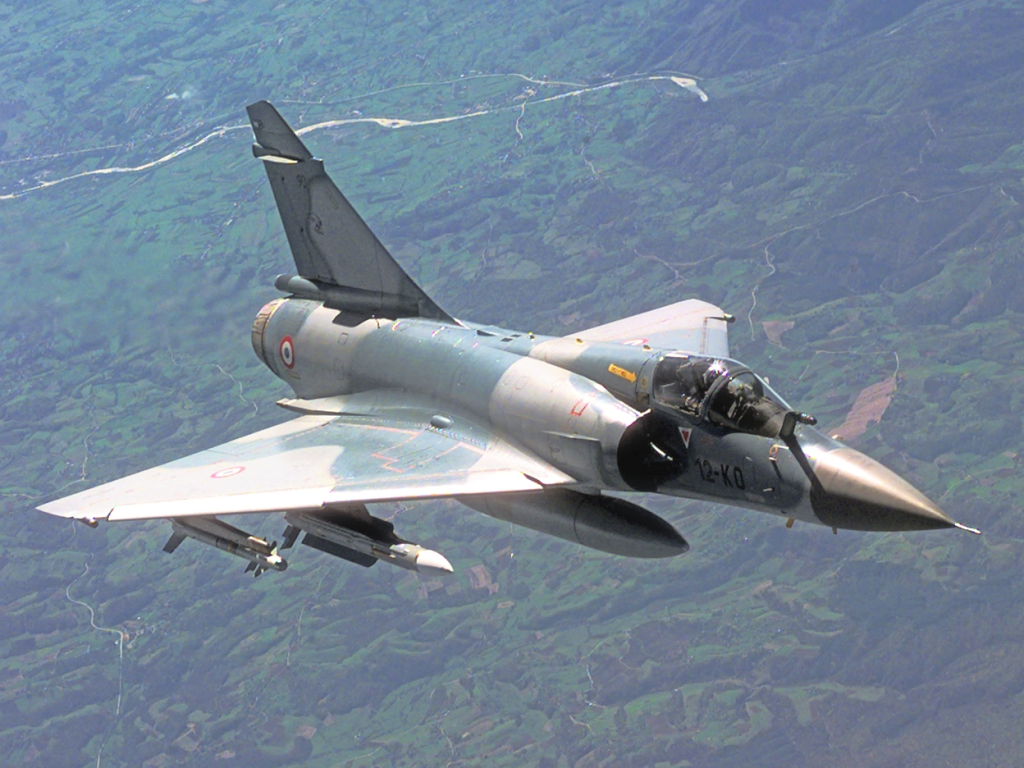
7. Mirage 2000 – French Refinement in Light Weight
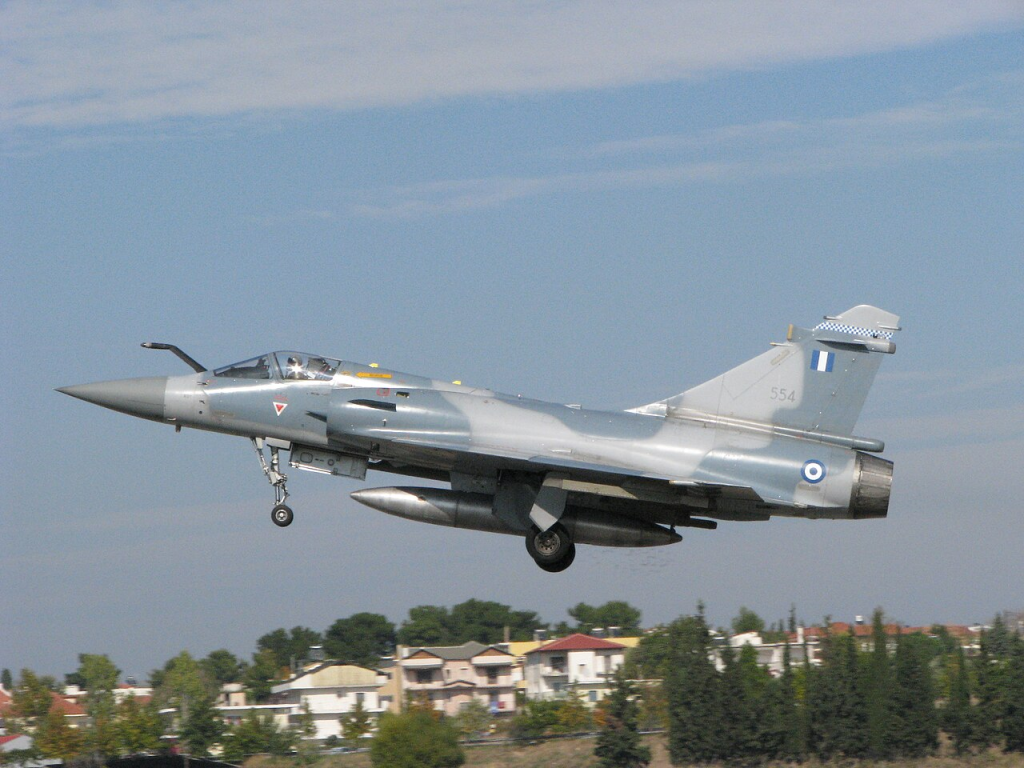
Dassault Aviation’s Mirage 2000, weighing an empty 16,535 lbs, blends aerodynamic performance with multirole capability. The delta wing and fly-by-wire flight system enhance its superior agility.
With a maximum speed of 1,453 mph, the Mirage 2000 is a French Air Force workhorse that has been widely exported. Light in design, it can be accelerated quickly and generate high climb rates, characteristics most prized for air defense and air-to-air combat missions. Continuous upgrades have rendered it suitable for use in existing conflict scenarios.
Lightweight fighter aircraft have a singular niche in contemporary airpower. They trade the enormous payloads and far reach of twin-engine giants for agility, lower operating expenses, and deployment flexibility. In an age when precision, speed, and agility will often be more important than raw power, these aircraft show that in some instances, more is less. With emerging materials science, propulsion technology, and avionics, future generations of lightweight fighters will drive performance levels to record-breaking levels occupying their positions in the future battlespace.


