The universe, in a radical new theory, is not necessarily doomed to an eternal expansion, but rather may experience a sudden reversal a cosmic collapse over the next 10 billion years. Based on the newest evidence from large dark energy surveys and the slippery physics of axions, this forecast has caused waves in the community of cosmologists, undercutting conventional wisdom on what the future holds for everything.
1. A Crisis in Cosmic Expansion: The Hubble Tension
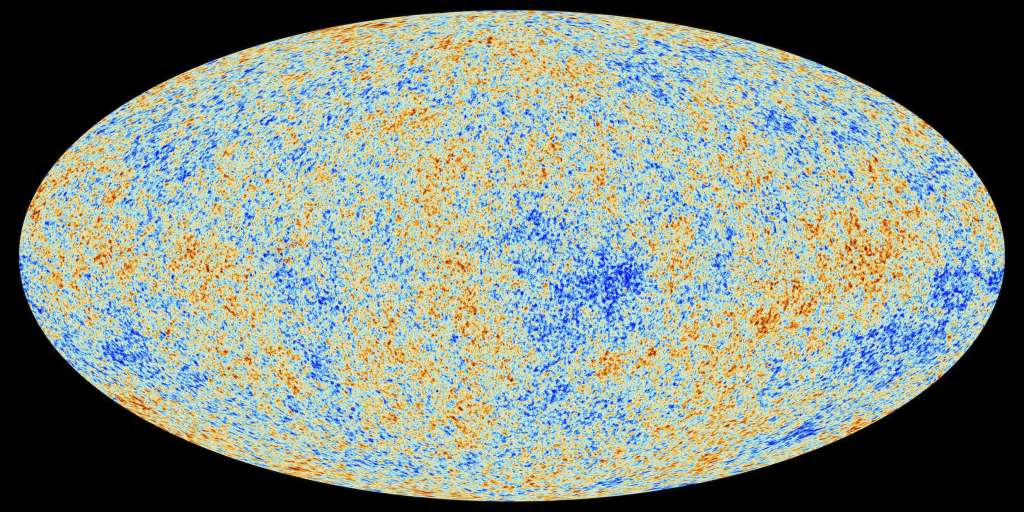
Central to this controversy is so-called Hubble tension, a long-standing and now acute disagreement over measurements of the rate of expansion of the universe. On one hand, measurements of the cosmic microwave background (CMB) by missions such as Planck and the Atacama Cosmology Telescope yield a Hubble constant (H₀) of roughly 67.5–68.2 km/s/Mpc. Conversely, local observations in terms of supernovae and red giant stars are as much as 73.8 km/s/Mpc. As Duke University’s Dan Scolnic explained, “The tension now turns into a crisis.” The fact that this conflict remains unexplained casts doubt on all theories of the universe’s past and future, including estimates of its eventual demise. The most recent findings, based on new steps in the cosmic distance ladder and high-accuracy supernovae data, support the notion that “our model of cosmology might be broken” as Scolnic noted.
2. Rival Visions: Big Freeze, Big Crunch, and Beyond
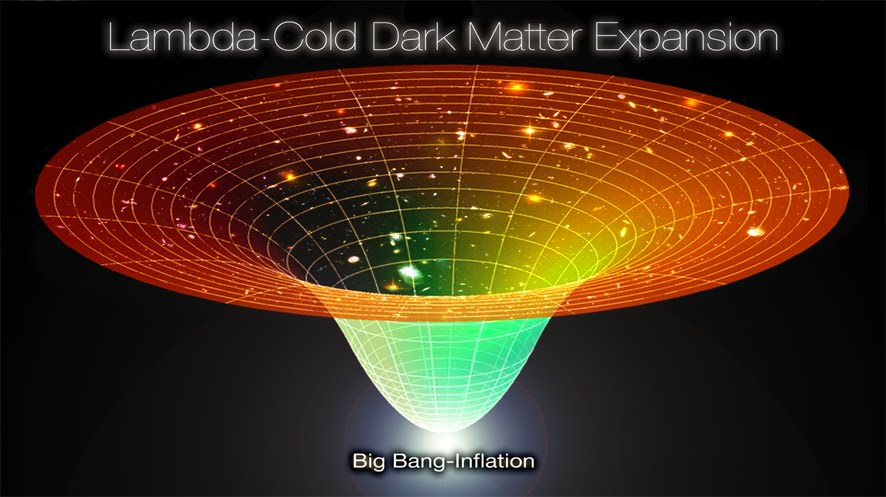
Cosmologists have argued over a number of end-of-the-universe scenarios for decades. The Big Freeze, preferred by the default Lambda-Cold Dark Matter (ΛCDM) model, imagines a universe expanding indefinitely, as stars and matter spread out over timescales beyond imagination 10¹⁰⁹ years to black hole evaporation, according to astrophysically motivated estimates. The Big Crunch supposes instead a standstill and a reversal of the expansion, culminating in a hot collapse. Other ideas, such as cyclic bounces or the Big Rip, depend on the mysterious properties of dark energy and the balance of cosmic forces. The fate of the universe, then, is inextricably tied to the true nature of dark energy a subject now under intense scrutiny.
3. Dark Energy Under the Microscope: DES and DESI’s Revelations
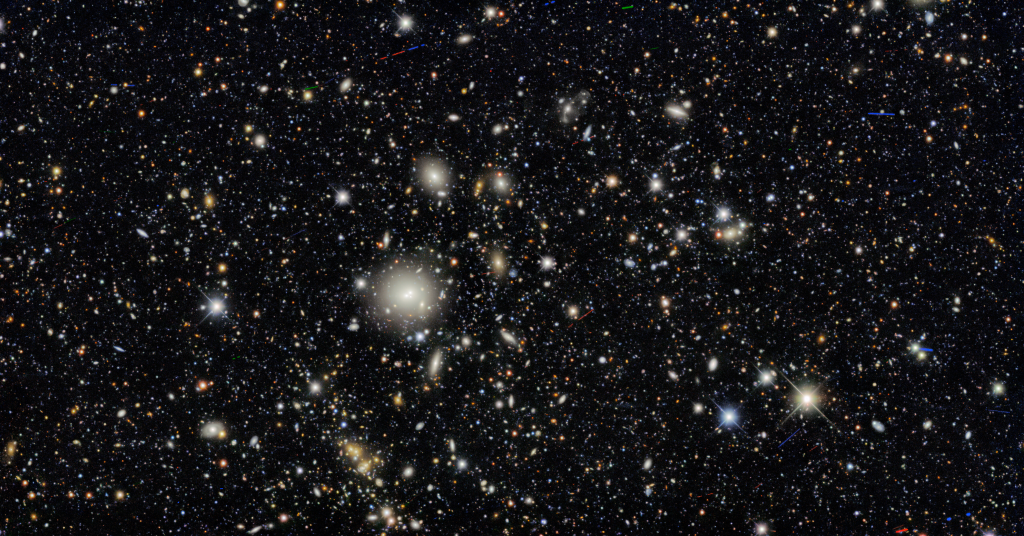
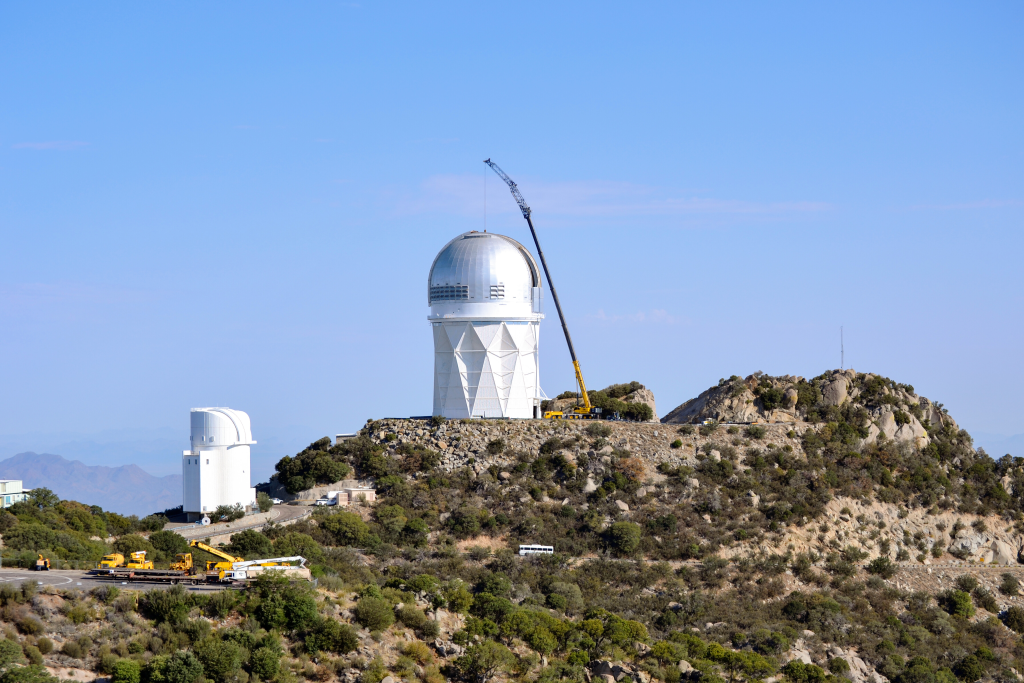
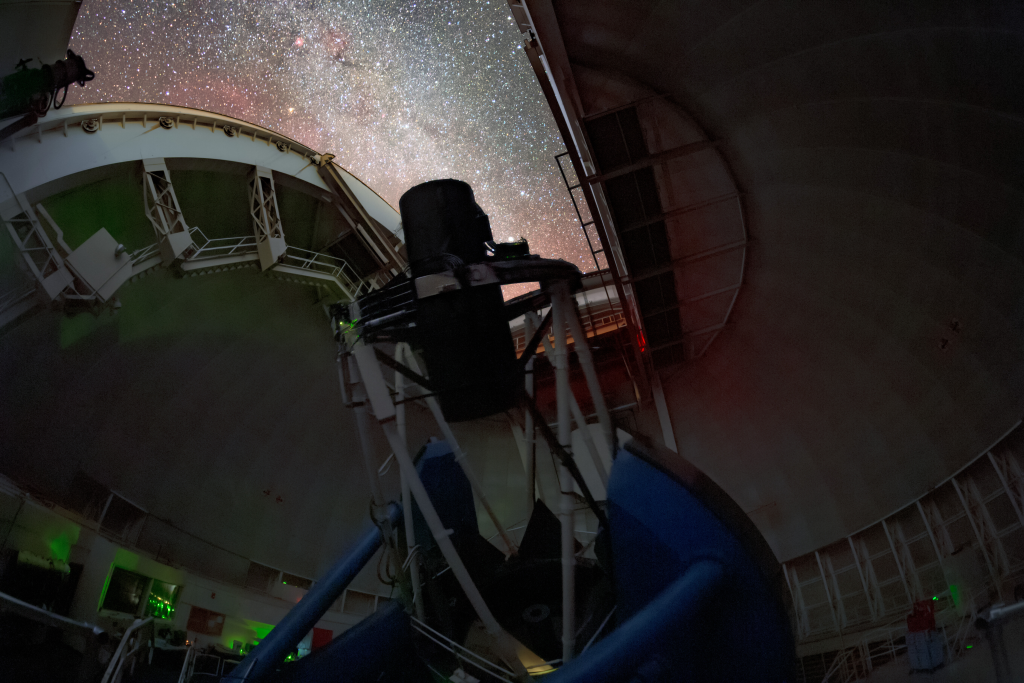
Recent analyses from the Dark Energy Survey (DES) and the Dark Energy Spectroscopic Instrument (DESI) have upended the notion that dark energy is a simple cosmological constant. By mapping the distribution of nearly 15 million galaxies and quasars, DESI has created the largest 3D map of the universe ever assembled. These measurements, together with supernovae, weak lensing, and CMB observations, suggest dark energy’s effect could be declining over time a finding contrary to the standard model. “It’s increasingly possible that we’ll need to adjust our standard model of cosmology to get these various datasets to agree with each other and changing dark energy is looking promising,” DESI co-spokesperson Will Percival said in the project’s latest press release.
4. The Axion Hypothesis: Ultralight Particles and a Negative Cosmological Constant
There is a remarkable new theory suggesting that dark energy isn’t constant, but rather is powered by an ultralight axion field particles predicted by string theory and long hunted in laboratory experiments. The axion’s mass, predicted to be ~2 × 10⁻³³ eV, and its dynamics may account for the deviation seen in the dark energy equation of state, which recent DES and DESI observations limit to w ≃ –0.948 instead of the standard –1.
“The DES data prefer an axion with mass mₚ ≃ 2 × 10⁻³³ eV and a negative cosmological constant,” the authors of the model say in their peer-reviewed study. This is the negative constant: it is the determining factor, meaning the expansion of the universe will ultimately reverse itself and cause a Big Crunch.
5. Forcasting the Collapse: A Limited Lifetime for the Universe
Based on the best-fit parameters of the axion dark energy (aDE) model, scientists estimate the overall lifetime of the universe at 33 billion years. With the universe’s existing age of 13.8 billion years, this indicates that the universe has already experienced over a third of its life. The model also indicates that expansion will halt in approximately 10 billion years, after which contraction will start and gather pace, ending with a catastrophic collapse much earlier than former models permitted as described in the aDE study.
6. The Search for Axions: Experimental Frontiers
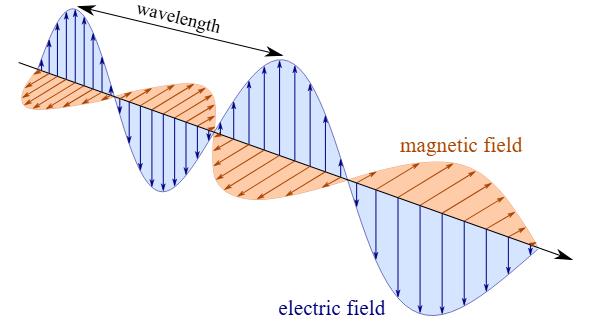
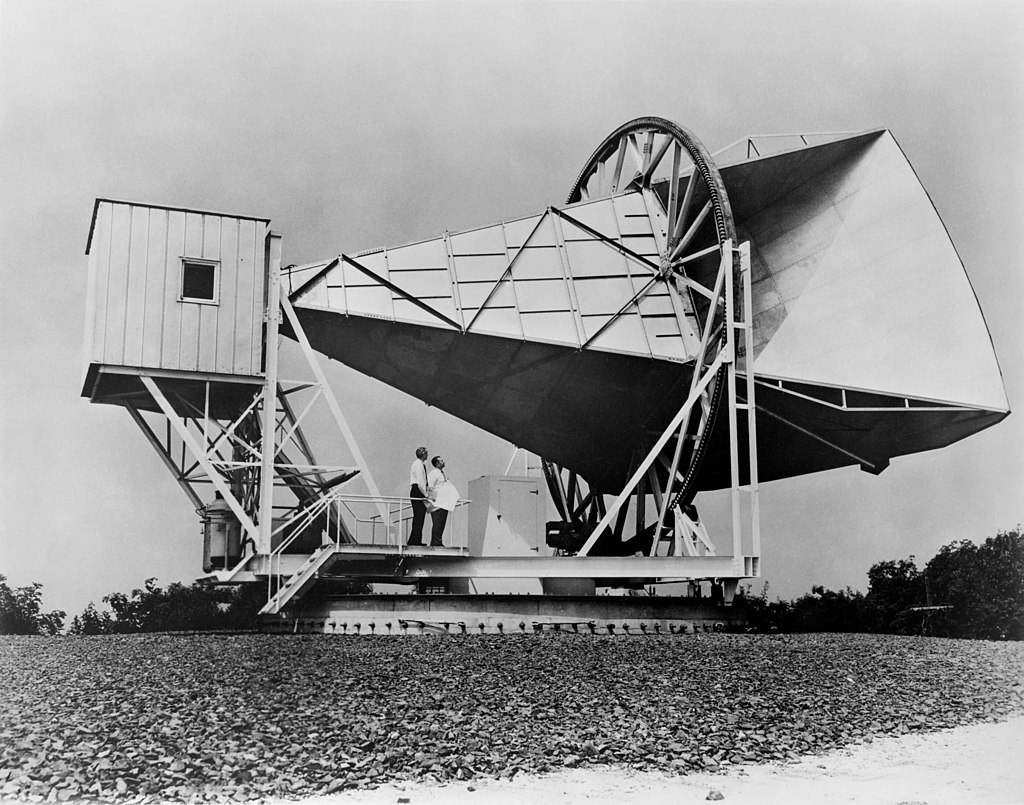
The axion theory is not speculative. Global research efforts, such as the ADMX and MADMAX collaborations, are using resonant microwave cavities and arrays of multi-cavities to search for axion dark matter and relic backgrounds of axions. The experiments take advantage of the axion-photon interaction, looking for feeble electromagnetic signals induced by axions in intense magnetic fields. The technical problem is profound, as the signals predicted are very weak and broadband, demanding detector and data analysis innovations that recent experimental papers address.
7. The Road Ahead: Uncertainty and Opportunity
While the audacity of the new prediction is exhilarating, cosmologists are cautionary. The axion model, though appealing, is still being probed on top of an unsolved measurement tensions background and of systematic effects that remain unknown. As Seshadri Nadathur of DESI put it, “It’s not merely that the data continue to indicate a preference for evolving dark energy, but that the evidence is now stronger than it was.” Future years will witness increasingly accurate surveys, new experimental axion searches, and, maybe, resolution of the Hubble crisis that has so distressed the field.

The destiny of the universe, previously considered to be in the realm of the most distant future, now rests on the resolution of these scientific and technological boundaries.


