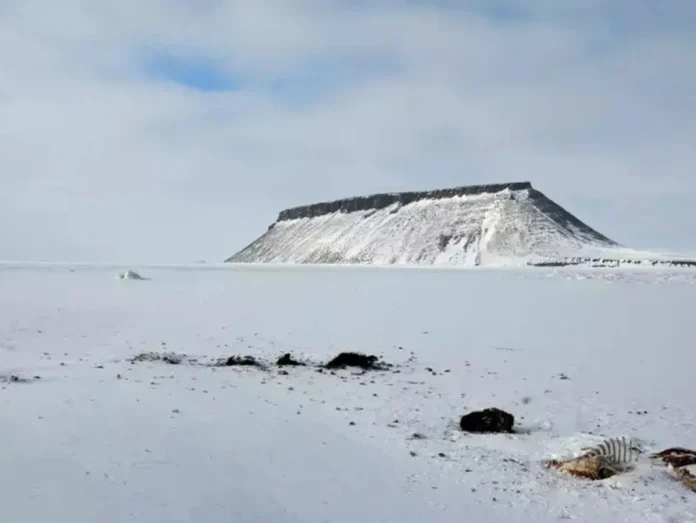
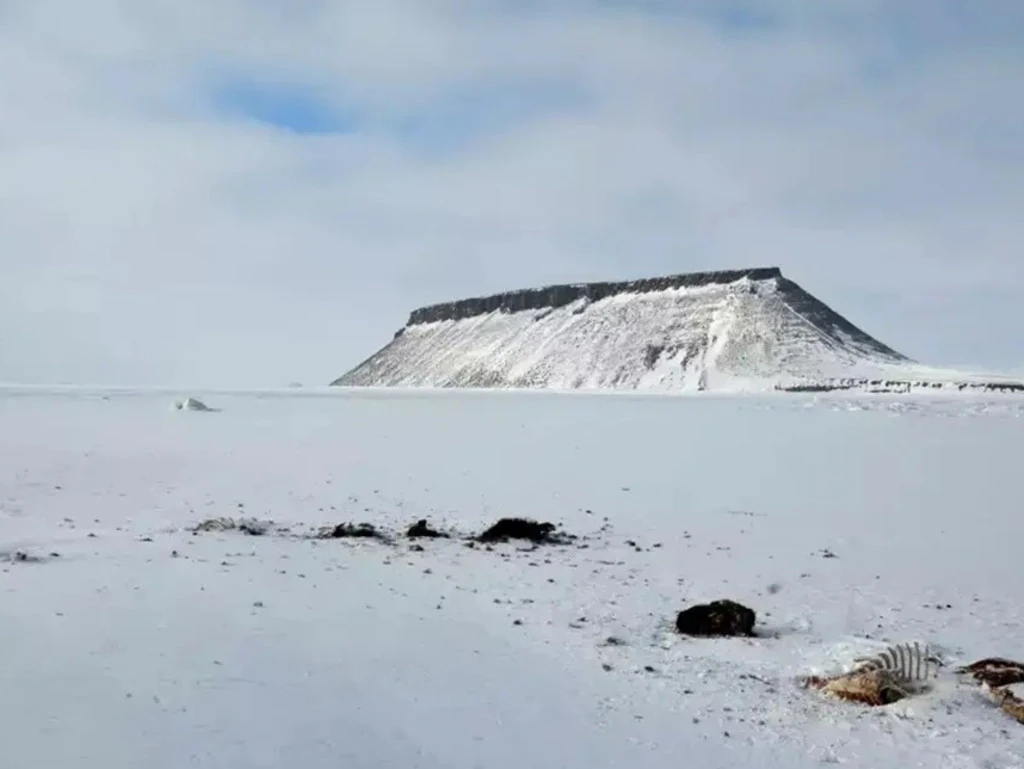
What secrets could be lurking beneath a mile of Arctic ice? In April 2024, NASA’s radar pierced Greenland’s frozen expanse and revealed more than just a curiosity; it uncovered a city sized relic of Cold War ambition and engineering. The accidental discovery of Camp Century, a long buried U.S. military base, has reignited questions about the intersection of science, military strategy, and environmental responsibility in one of Earth’s most extreme environments.
This listicle delves into the extraordinary story of Camp Century: from its covert origins and technological marvels to the environmental and political dilemmas now resurfacing with the melting ice. Readers will find a blend of historical intrigue, engineering audacity, and pressing modern challenges all encased in the saga of a “city under the ice.”
1. NASA’s Accidental Discovery: Radar Reveals a Lost City
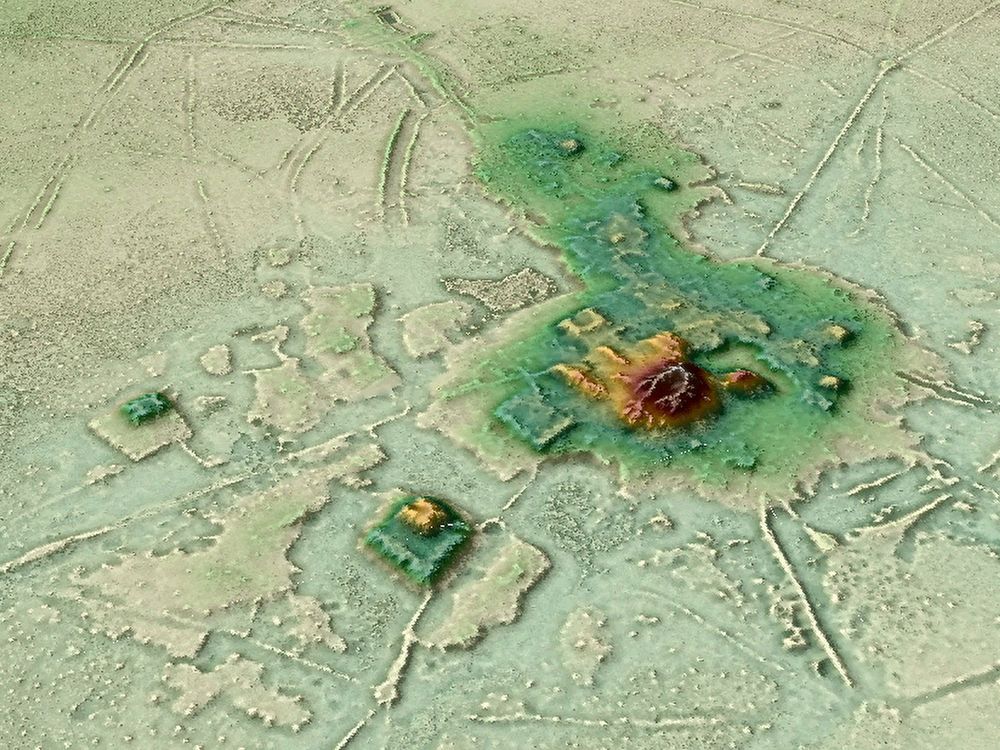
In April 2024, NASA’s Gulfstream III aircraft, equipped with advanced radar, swept over Greenland and detected distinctly geometric anomalies beneath the ice. Researchers, intrigued by the shapes, deployed UAVSAR (Uninhabited Aerial Vehicle Synthetic Aperture Radar) to digitally reconstruct the hidden structures. What emerged was not just a minor artifact, but a sprawling, city sized site complete with tunnels, buildings, and machinery frozen in time. This accidental find has become a vivid reminder of how modern technology can illuminate forgotten chapters of history, even in the planet’s most inaccessible corners.
2. Camp Century: The Cold War’s Arctic Outpost
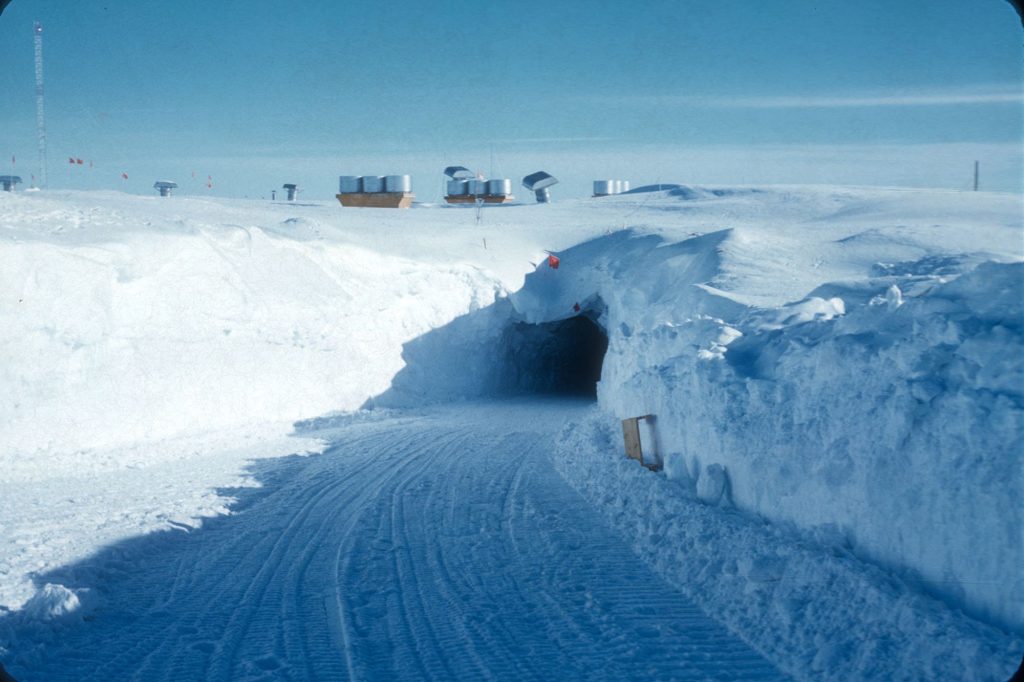
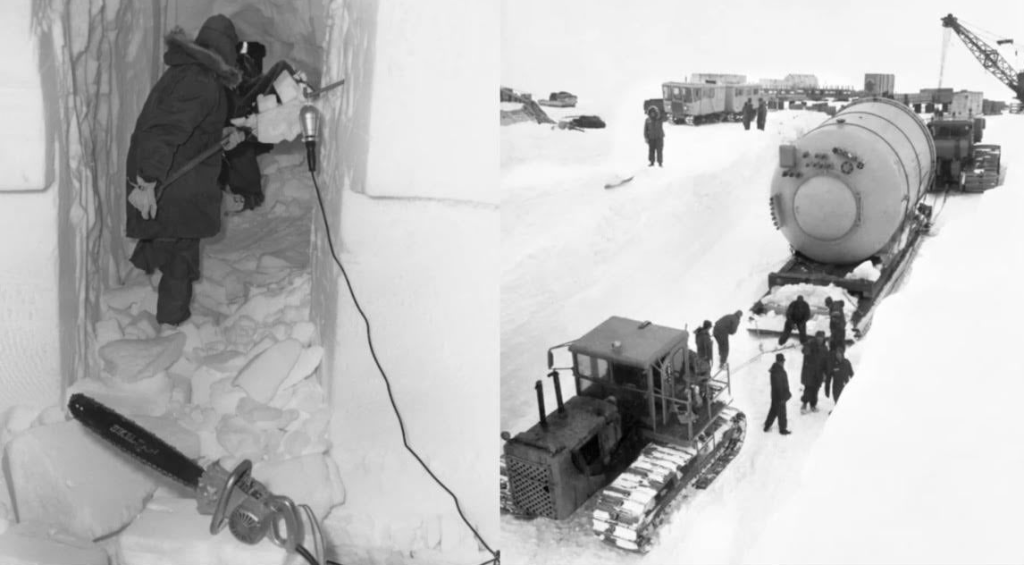
Camp Century was constructed in 1959, 200 kilometers inland from Greenland’s coast, under conditions as harsh as 70°F and 125 mph winds. Officially billed as a research station, it was, in reality, a linchpin for Project Iceworm: a secret U.S. plan to deploy nuclear missiles under the Arctic, within striking distance of the Soviet Union. According to the Atomic Heritage Foundation, the base featured 26 tunnels stretching nearly two miles, housing up to 200 personnel, and was powered by the Army’s first portable nuclear reactor.
3. Project Iceworm: Engineering Ambition Meets Arctic Reality
Project Iceworm envisioned a vast network of 52,000 square miles of tunnels three times the size of Denmark capable of hiding 600 nuclear missiles. The plan, detailed in historical records, was ultimately doomed by the instability of the Greenland ice sheet. Despite extensive engineering studies, the unpredictable movement and melting of the ice rendered the project unfeasible. The U.S. Army quietly canceled Iceworm in 1963, but the audacity of the plan remains a testament to Cold War ingenuity and hubris.
4. The PM-2A Reactor: Portable Nuclear Power in the Deep Freeze Camp
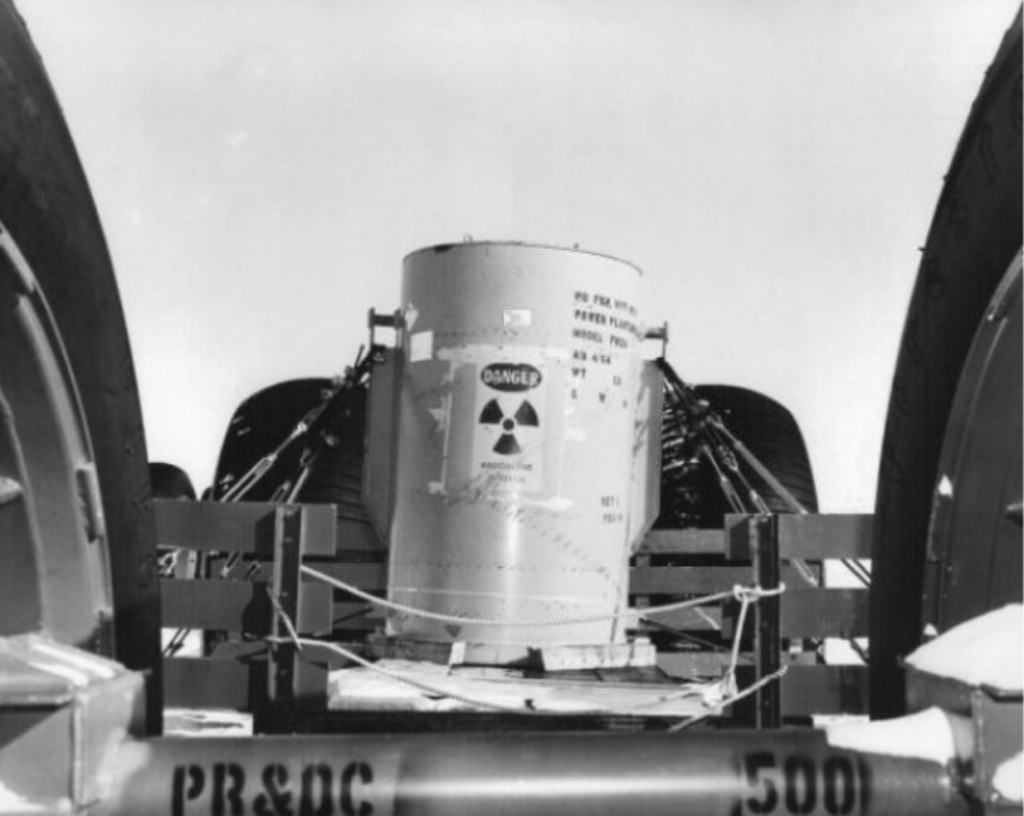
Century’s power came from the PM-2A, the world’s first portable nuclear reactor designed for Arctic conditions. As recounted in Arctic Focus, the 330-ton reactor was assembled from parts flown in by C-130 cargo planes. It supplied heat and electricity, enabling modern amenities like hot showers in the brutal cold. Yet, the reactor’s operation was fraught with challenges: neutron leaks, radioactive cooling water, and hazardous working conditions. Major General Joseph Franklin, who commanded the dismantling, was exposed to dangerous radiation levels, a stark reminder of the risks involved in pioneering portable nuclear power.
5. Life Beneath the Ice: Isolation and Innovation
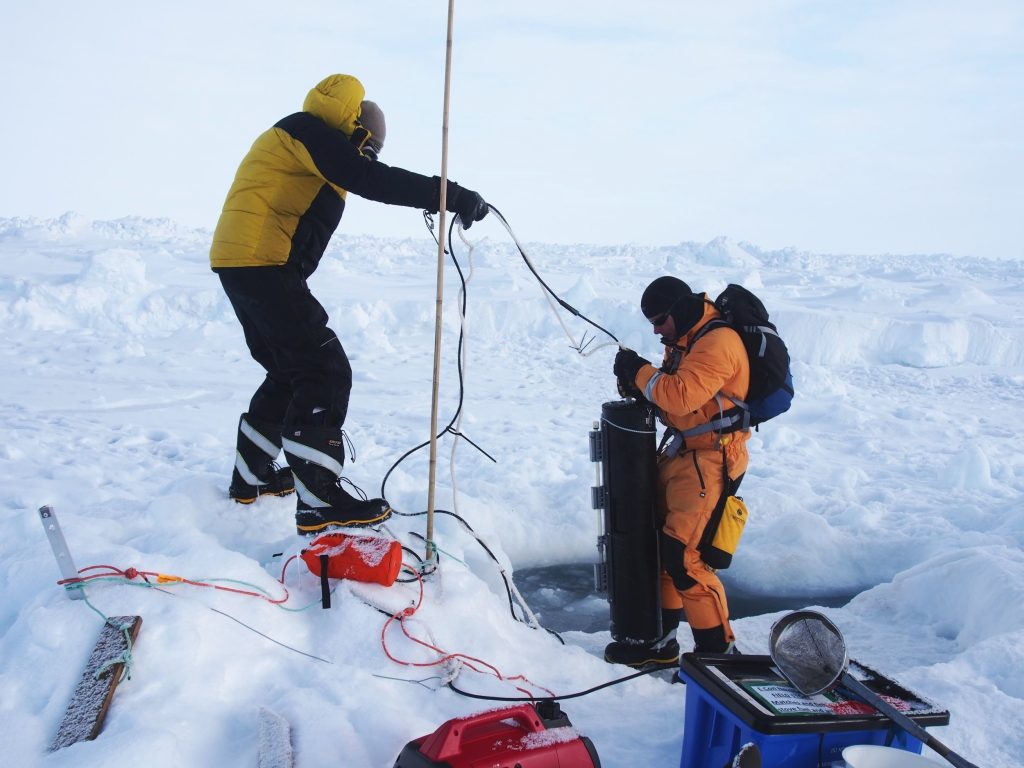
At its peak, Camp Century housed between 85 and 200 soldiers and scientists, living in a labyrinth of tunnels with dormitories, labs, chapels, and even a theater. Despite the isolation and darkness of Arctic winters, personnel enjoyed relative comfort thanks to nuclear generated heat and electricity. Scientific research thrived, with ice core drilling that revealed Greenland’s ancient forests and provided climate data still referenced today. As William Colgan, a glacier scientist, noted in CIRES, “Scientists at Camp Century took ice core samples providing climate data still cited in research today.”
6. Abandonment and the Legacy of Hazardous Waste
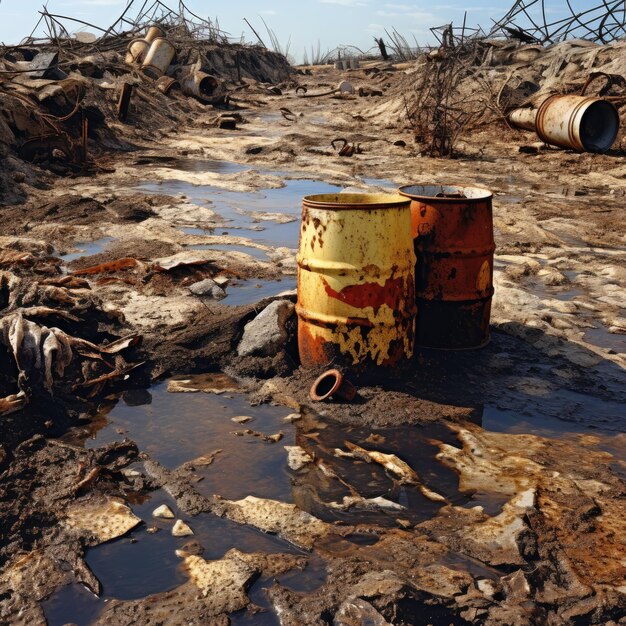
When Camp Century was abandoned in 1967, the U.S. Army removed the reactor core but left behind over 130 acres of hazardous material, including 53,000 gallons of diesel fuel, 63,000 gallons of wastewater, PCBs, and radioactive coolant. The prevailing belief was that perpetual snowfall would entomb the waste forever. However, as detailed in a 2024 study, this assumption has proven dangerously optimistic. The site’s hazardous legacy is now buried some 115 feet deeper than at abandonment, but it remains a ticking environmental time bomb.
7. Climate Change: Melting Ice, Emerging Threats
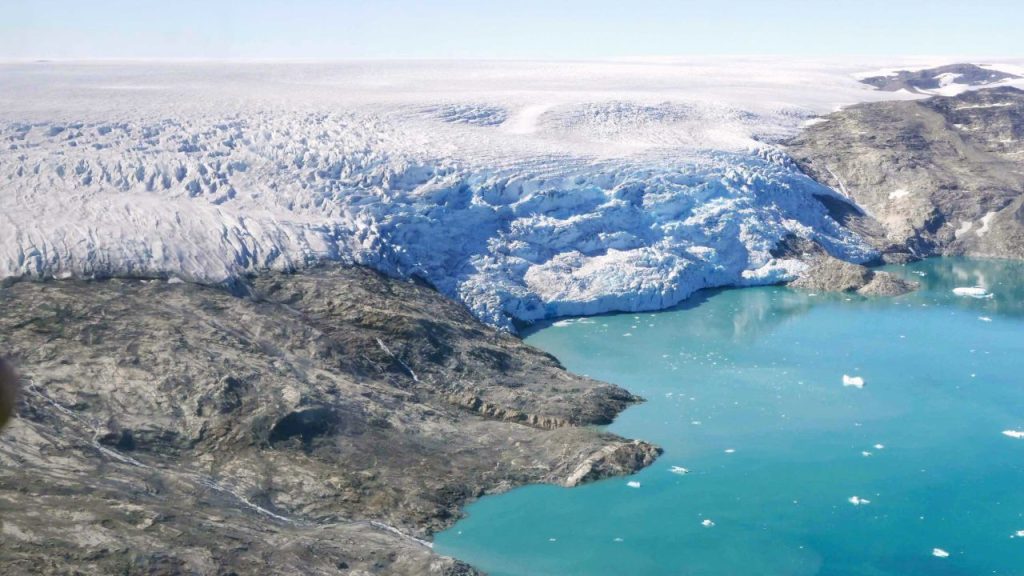
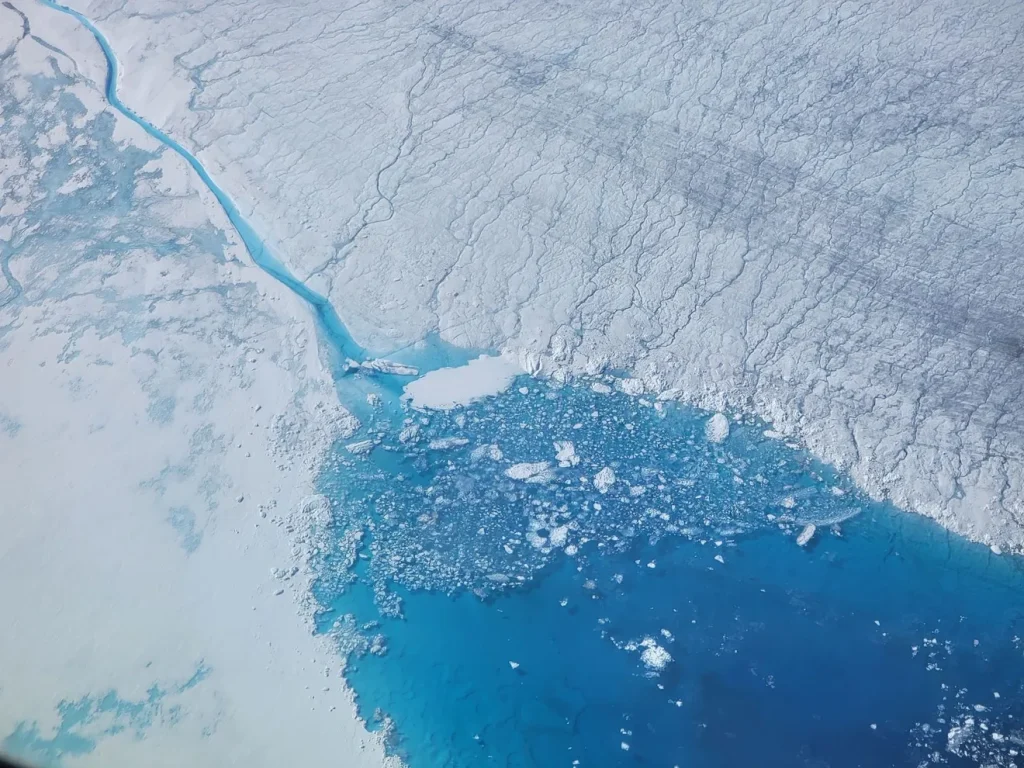
The Arctic is warming faster than any other region on Earth, and projections suggest that Camp Century’s waste could be exposed as early as 2090. As the ice transitions from net snowfall to net melt, pollutants including PCBs and radioactive residues could leach into meltwater and disrupt fragile Arctic ecosystems. According to William Colgan, “Once the site transitions from net snowfall to net melt, it’s only a matter of time before the wastes melt out; it becomes irreversible.”
8. Political Fallout: Who Owns the Cleanup?
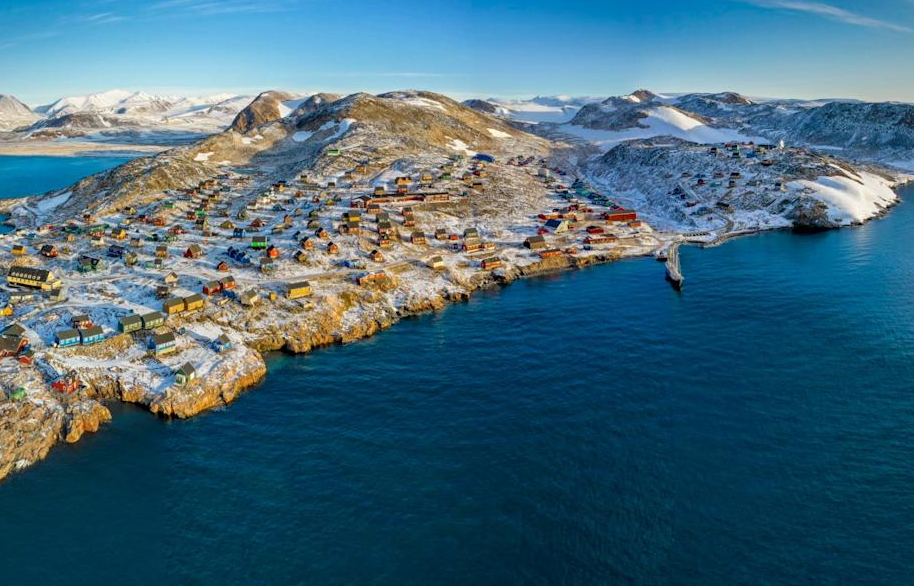
The looming environmental threat has sparked new political tensions. Greenland’s government has demanded that Denmark prepare to remediate the site and compensate affected residents, as reported by Brown University. The legal responsibility for cleaning up Cold War era waste is murky: Camp Century was a U.S. base on Danish soil in a now self governing Greenland. Jessica Green, an expert in international environmental law, observed, “The study identifies a big hole in the extant set of laws and rules we have to deal with environmental problems globally.”
9. Lessons for the Future: Engineering, Ethics, and Unintended Consequences
Camp Century’s rediscovery serves as a cautionary tale for both engineering ambition and environmental stewardship. The base’s construction and abandonment reflect a time when technological optimism outpaced foresight about long term consequences. Today, as the U.S. military explores new portable nuclear reactors, the lessons of Camp Century environmental risk, international accountability, and the unpredictable power of nature are more relevant than ever. As Robert Hayes, a nuclear engineering professor, told ABC News, “The military was in the rush of the Cold War. In hindsight, they could have done a better job.”
The story of Camp Century is more than a rediscovered relic; it is a prism through which to view the intersection of science, engineering, geopolitics, and environmental ethics. As the Arctic’s ice recedes, the past is literally surfacing forcing today’s engineers, policymakers, and scientists to grapple with the enduring consequences of yesterday’s ambitions. The saga beneath Greenland’s ice is not just history it is a challenge for the future.


