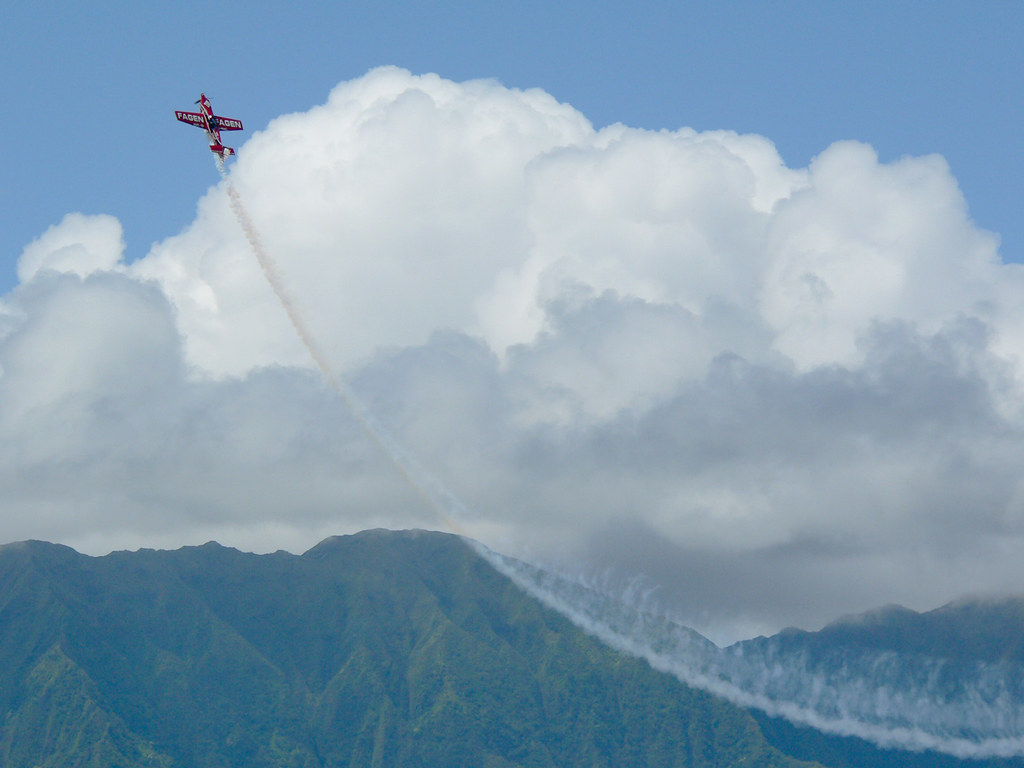
Can 100,000 people, supersonic fighters, and Lamborghinis be viewed in a single weekend without losing your shoes or your temper? The Kāneʻohe Bay Air Show comes back August 8–10, with promises of a show where engineering wonders cross paths with community celebration. From families to aviation buffs, this is more than an opportunity to see jets thundering overhead this is an engagement of military tech, local culture, and interactive fun. From the legendary Blue Angels to rare chances to step inside cutting-edge aircraft, here are eight essential things to know before heading to Marine Corps Base Hawaiʻi.
1. The Blue Angels: The Main Attraction
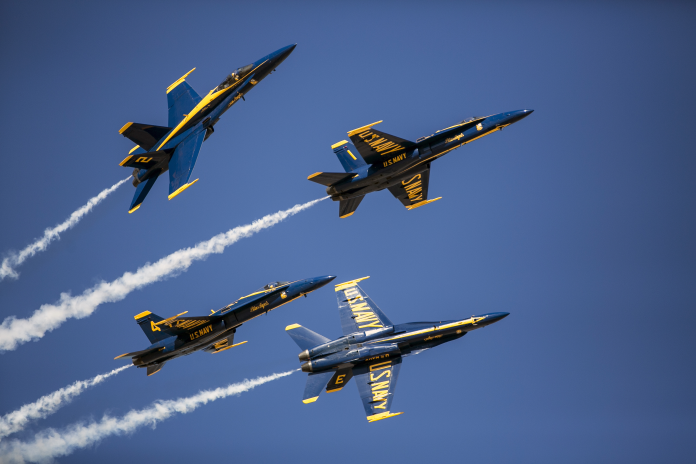
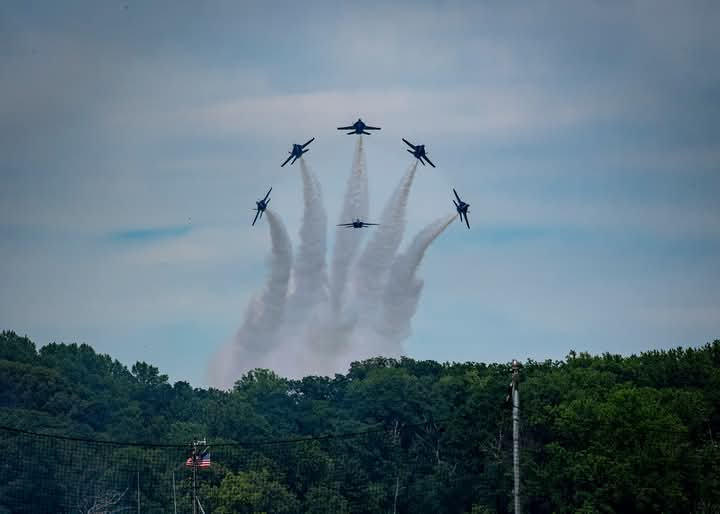
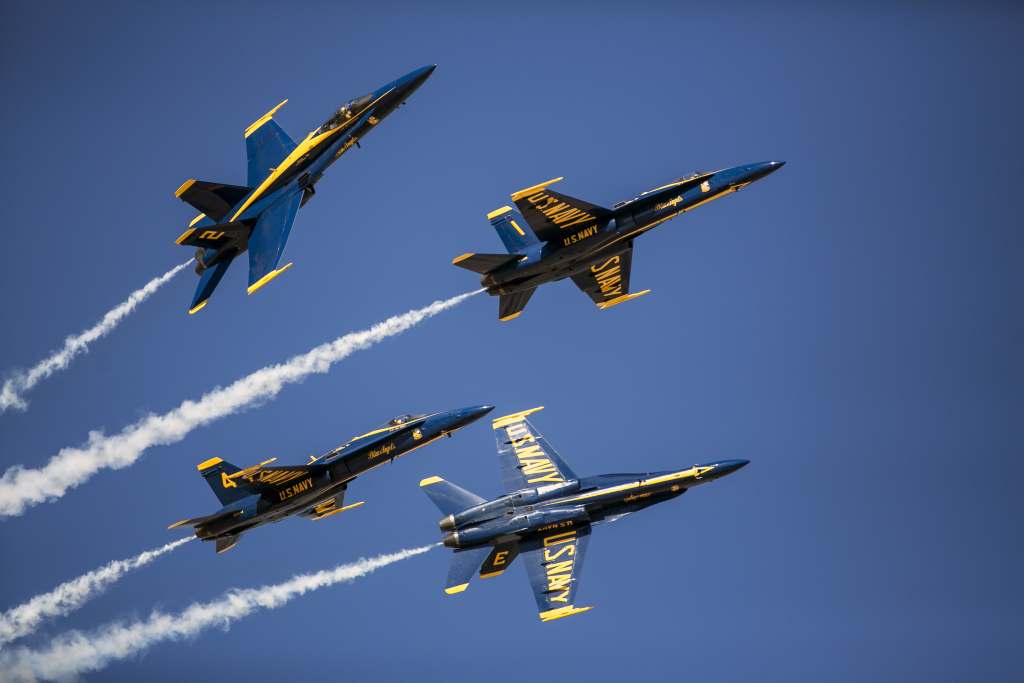
No air show is complete without its star performers, and this year, the U.S. Navy Blue Angels headline the Kāneʻohe Bay spectacle. Janna Herrington, marketing specialist for Marine Corps Community Services Hawaiʻi, reports, “They are the headliners of the show. They typically will be the last one to take off in the air in the afternoon.” Blue Angels fly the F/A-18 Super Hornet, a plane that, the U.S. Navy says, provides greater range, advanced avionics, and a lower radar cross section. Their aerial shows are famous for tight patterns and weightless maneuvers, providing a stunning wrap-up every day.
2. The F-22 Raptor: Stealth and Power on Display
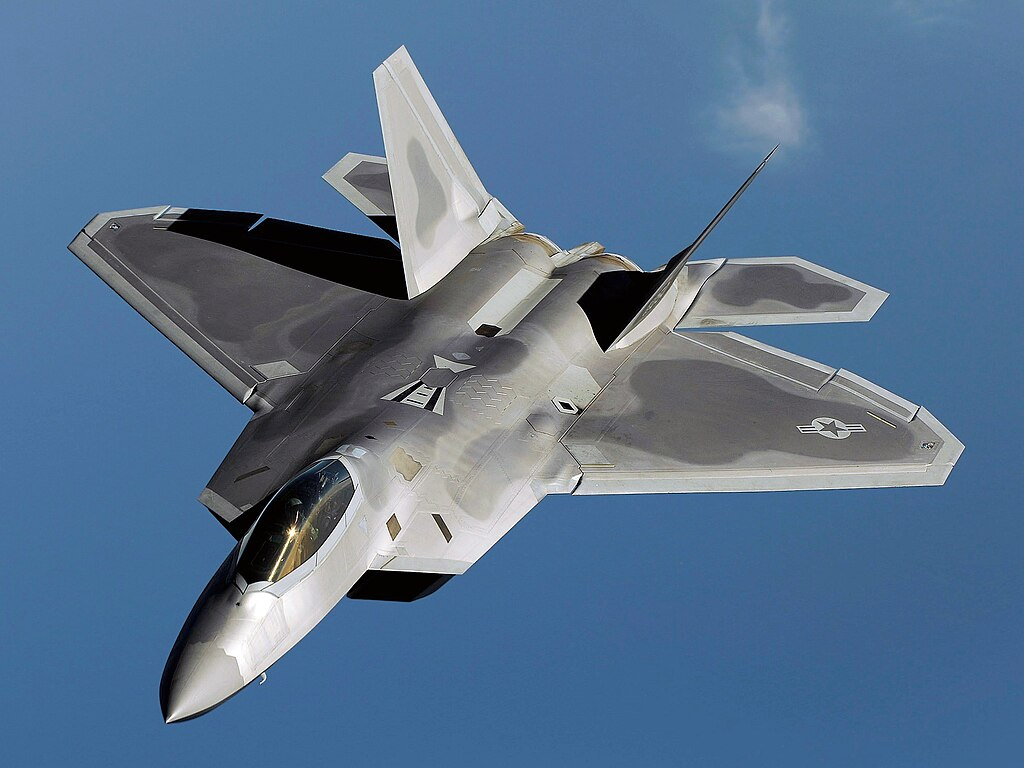
Avid aviation enthusiasts will get the rare chance to see the U.S. Air Force F-22 Raptor up close. This fifth-generation fighter is revered for its combination of stealth, supercruise, and maneuverability. As defined by the Air Force, “The F-22 cannot be matched by any known or projected fighter aircraft.” It employs swept-back edges, radar-absorbing materials, and a metallic-coated canopy to become invisible, and its engines enable it to fly at supersonic speeds without the use of afterburners. For most, viewing the Raptor’s high-precision aerial moves is an experience not to be overlooked.
3. Up-Close Encounters: Step Inside the Aircraft
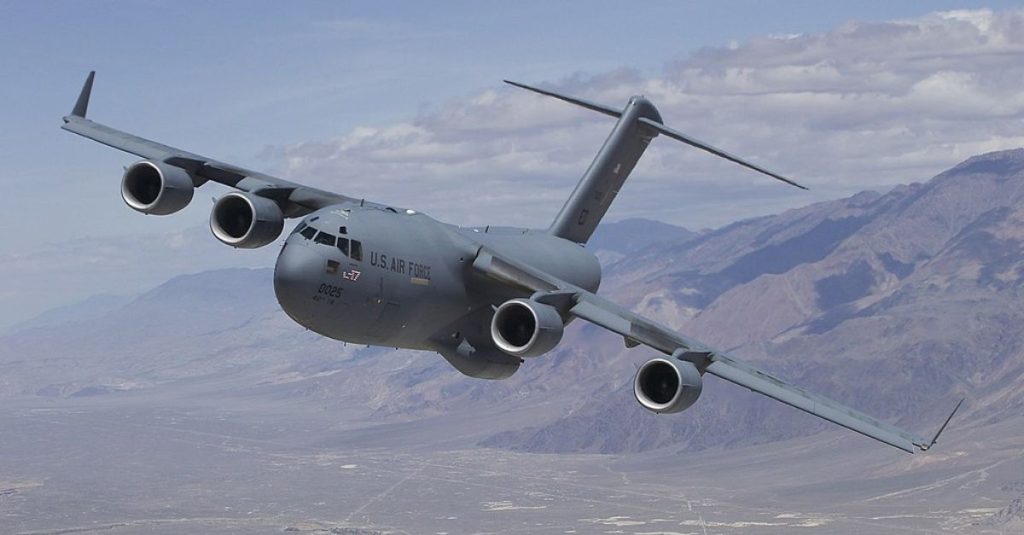
Aside from the air shows, the event provides an unusual opportunity to see both military and civilian planes up close. “There’s just going to be a lot of different options where people can go and check it out up close and personal,” explains Herrington. Visitors can tour through aircraft including Hawaiian Airlines planes and even go inside military cargo carriers such as the C-17 Globemaster III. The sensation of being in the cargo hold of a huge aircraft or looking into a cockpit provides a physical tie to the engineering feats of aviation.
4. The Multi-Purpose V-22 Osprey: Helicopter and Airplane in One
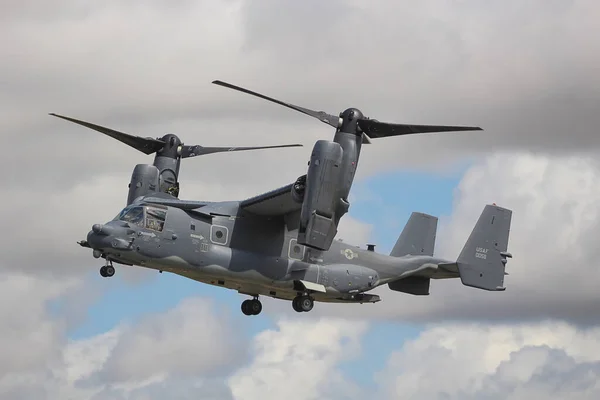
Displayed among the aircraft is the MV-22 Osprey, a tilt-rotor that merges the vertical flight of a helicopter with the range and speed of a turboprop aircraft. The Osprey’s special design makes it possible to carry troops and cargo in long distances, and its turning nacelles make possible swift changes between flight modes. This aircraft has a wingspan of more than 83 feet and can carry 24 troops. The Osprey is a work of modern military advancement.
5. Vintage Cars and Supercars: More Than Just Planes
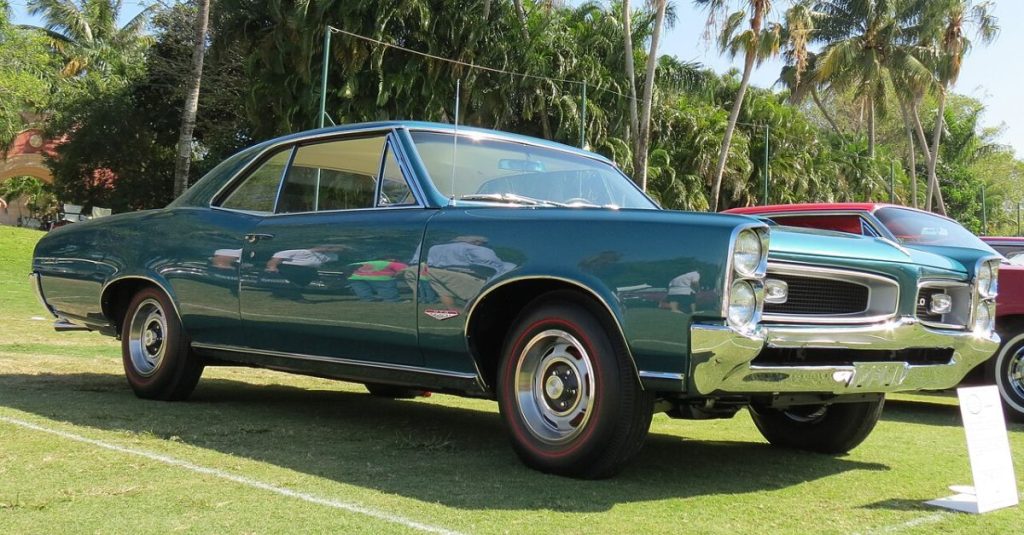
The thrill isn’t in the air alone. The car show for the event features vintage classics, muscle cars, and high-performance racing machines such as Lamborghinis. For some families, this is an opportunity to enjoy automotive style and performance at close proximity. The contrast between high-performance aircraft and high-performance motorsport cars provides a one-of-a-kind setting where engineering fans can bask in aviation and automotive history.

6. STEM Zone: Hands-On Learning for All Ages
For children and families, the STEM Zone provides an interactive center. Organized by groups like Hawaiʻi FIRST Robotics and the University of Hawaiʻi Institute for Astronomy, the STEM Zone is a free, hands-on zone for igniting interest in engineering and science. From constructing robots to learning about space flight, to interacting with NOAA specialists, the STEM Zone makes the air show a launching pad for tomorrow’s minds.
7. Live Music and Local Flavor
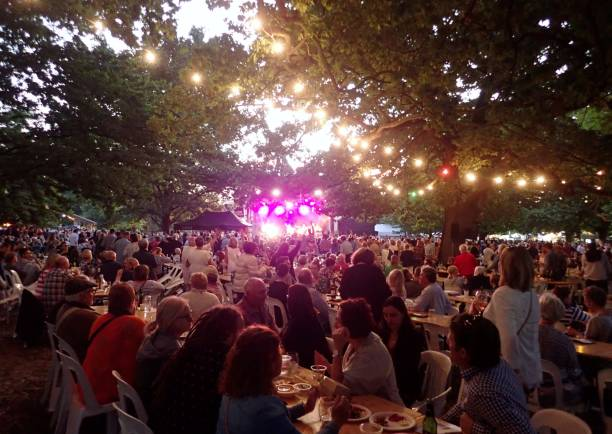
Complementing the festive environment, live entertainment such as the U.S. Marine Corps Forces Pacific Band presents a soundtrack for the weekend. Food vendors offer local specialties and traditional fair fare, so no one will leave hungry after the day’s activity. Together, music, food, and flight make for a distinctly Hawaiian celebration of technology and community.
8. Smart Planning: Tips for a Smooth Experience
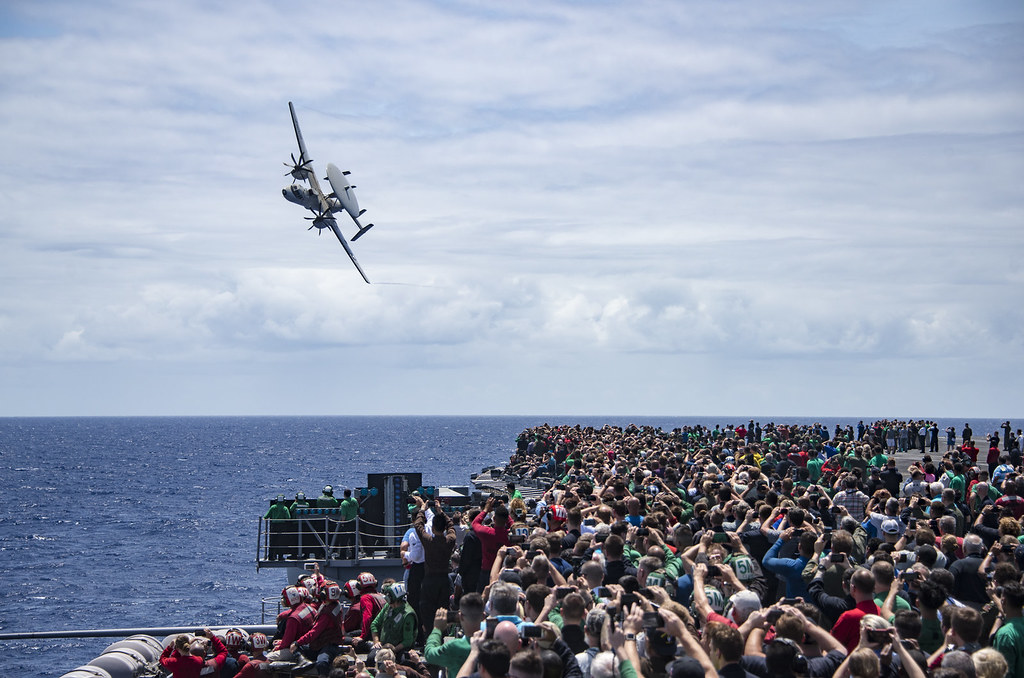
With expected crowds of over 100,000, a little planning does a lot of good. The grounds open at 9 a.m., and visitors are urged by the organizers to get there early and come in groups. Water bottles are allowed, but other food and drinks (other than water) are not. Walking shoes are a good idea, as the event is staged over a wide area with many displays and activities. For a luxurious view, advance ticketed seating is offered, but general admission is free to all.
The Kāneʻohe Bay Air Show is not just a display of military power it’s a party for innovation, for community, and for the timelessness of flight. Whether attracted by the sound of the Blue Angels, the promise of interactive STEM exhibits, or the beauty of vintage cars, visitors will discover a weekend full of discovery and awe. As the jets rumble above and the crowd gazes upward, the essence of aviation and aloha are center stage.


