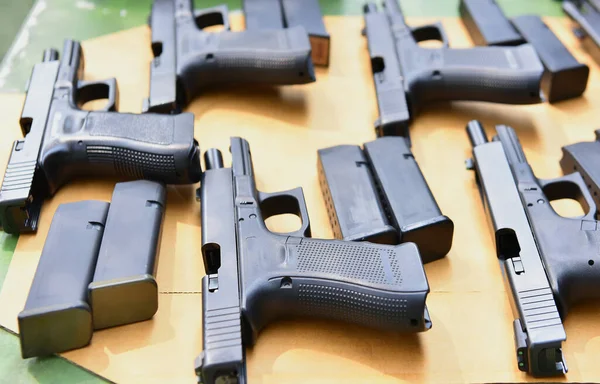
Sidearms change more slowly than many other military tools. Even as optics, suppressor interfaces, polymer frames, and modular fire-control systems have become standard talking points, a small group of older combat pistols continues to hold value inside specialized formations. The reason is less about nostalgia than fit. Elite units tend to keep weapons that solve a specific problem well, whether that means enduring hard use, resisting harsh environments, offering a familiar manual of arms, or delivering a size and balance that still works in close-quarters roles.
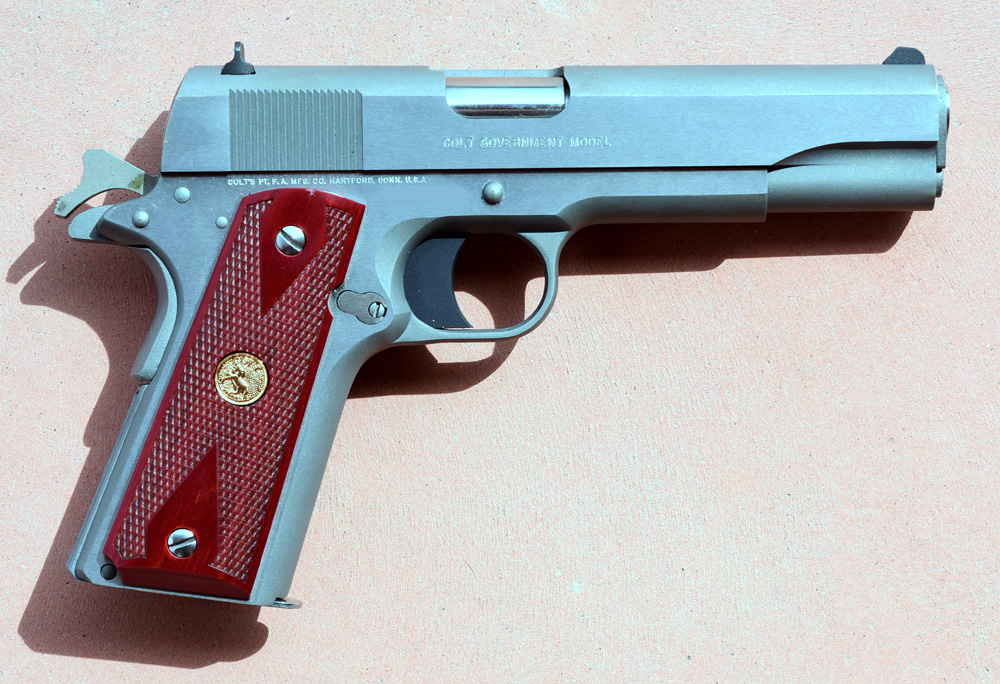
1. Colt M1911 / M1911A1
No classic combat handgun casts a longer shadow than the 1911 family. Introduced in 1911 U.S. service, the pistol established a template for what generations of American shooters expected from a fighting sidearm: a large-caliber cartridge, a crisp single-action trigger, and a steel frame that could tolerate prolonged institutional use. That history matters because elite units often build habits around weapons that reward training depth. The M1911A1 remained in U.S. service through World War II, Korea, and Vietnam, and its ergonomics were later refined without abandoning the core system.
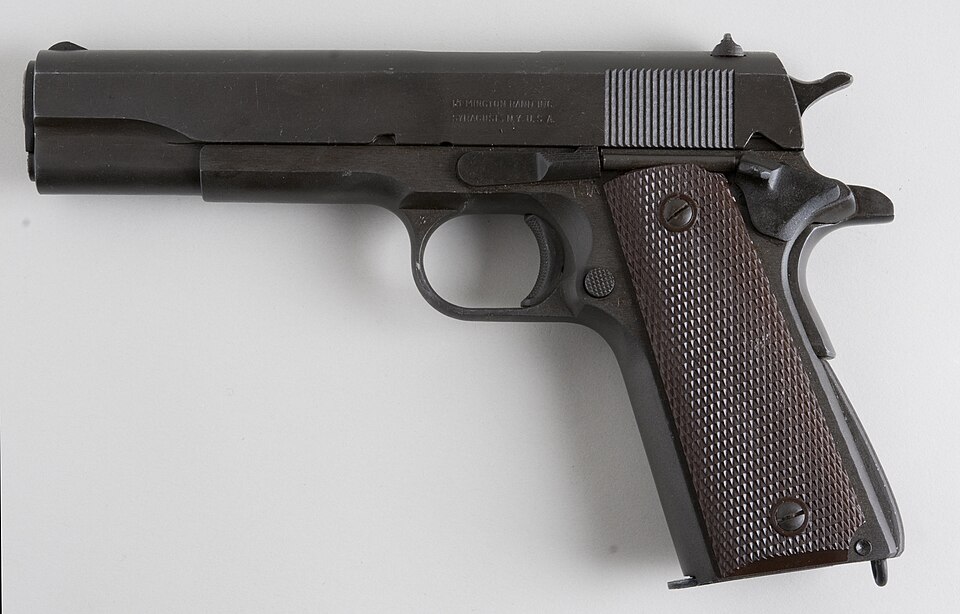
Even after newer 9mm service pistols arrived, some special operations personnel still drew on that older familiarity, particularly in the early years after 9/11. The platform’s continued relevance is also tied to its strengths and limits. A well-set-up 1911 offers excellent trigger control and a slim grip shape for a full-power service pistol. At the same time, more recent operator accounts noted that the design did not always thrive in dusty environments and gradually lost favor among younger personnel raised on newer handguns. That shift helps explain why the 1911 survives less as a general-issue sidearm and more as a benchmark: it remains the classic by which combat pistols are still judged.

2. Browning Hi-Power
The Browning Hi-Power remains important because it pushed military handgun design toward modern capacity. According to historical summaries of influential service sidearms, the pistol’s high-capacity magazine and ergonomic design helped demonstrate that a fighting handgun could carry substantially more ammunition without abandoning controllability. That idea became central to later special-operations preferences. Elite units rarely keep a sidearm simply because it is old, but they do keep designs that introduced durable answers to enduring requirements.
In the Hi-Power’s case, it offered a bridge between the age of heavy, lower-capacity service pistols and the later era of double-stack 9mm handguns. Its long afterlife inside professional circles comes from layout as much as legacy. The grip profile remained widely respected, the pistol was easy to point, and its influence can be seen in the shape and intent of many later service weapons. Even where the original pistol is no longer common, the logic behind it still is.
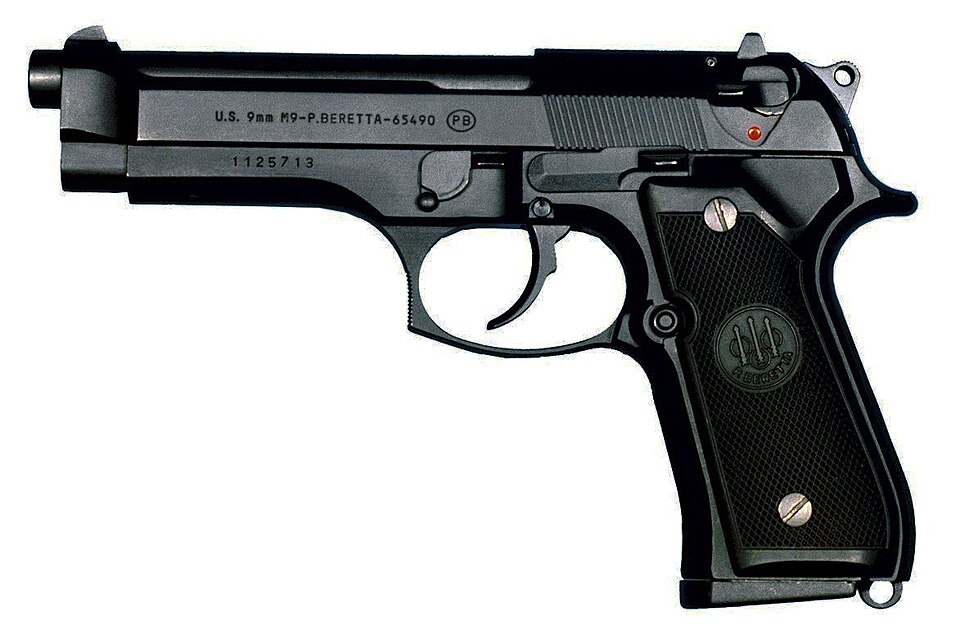
3. Beretta M9
The Beretta M9 is often discussed as a pistol that was replaced, but that misses why it remained so prominent for so long. Adopted in 1985 as the standard U.S. sidearm, it represented a doctrinal transition toward 9mm commonality, greater magazine capacity, and a manual safety-decocker system suited to broad service use. For elite units, the M9’s value was never only institutional. Its full-size frame, soft recoil impulse, and long sight radius made it highly shootable. Even units that eventually wanted something lighter or simpler spent years building training programs around it, and some specialized users kept it because it was familiar, plentiful, and easy to maintain in established armories.
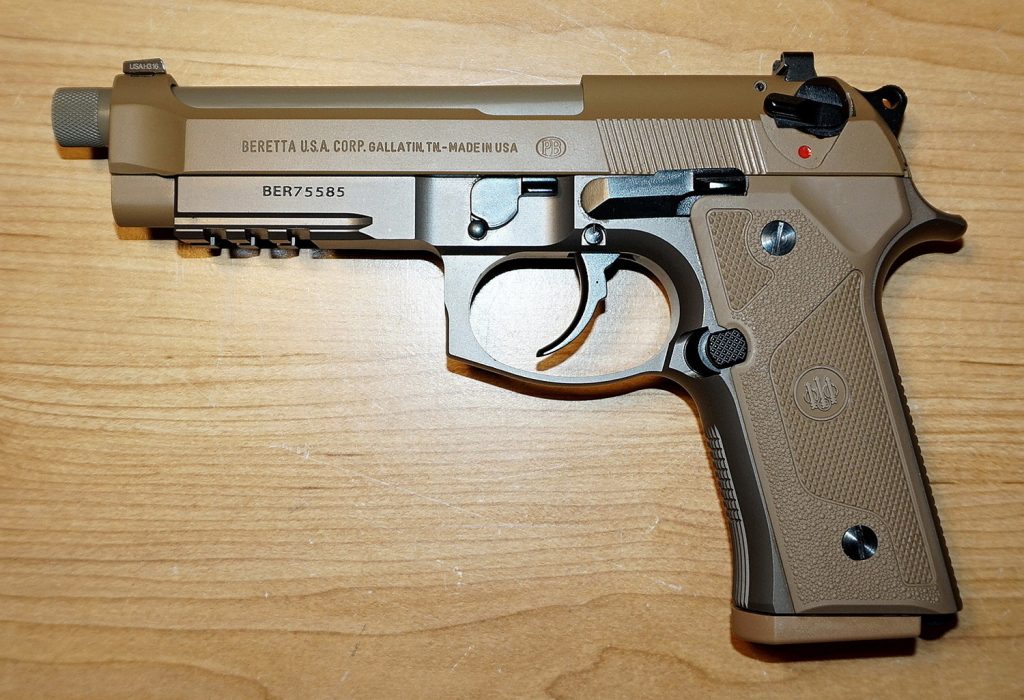
The platform also evolved instead of standing still. The M9A1 added rail capability for weapon lights, reflecting the growing importance of low-light work and close urban operations. That matters because classic handguns survive when they can absorb modern accessories without losing the traits that made them useful in the first place. The Beretta’s longevity was not accidental; it came from a combination of capacity, controllability, and institutional momentum that newer pistols had to overcome rather than bypass.
4. SIG Sauer P226
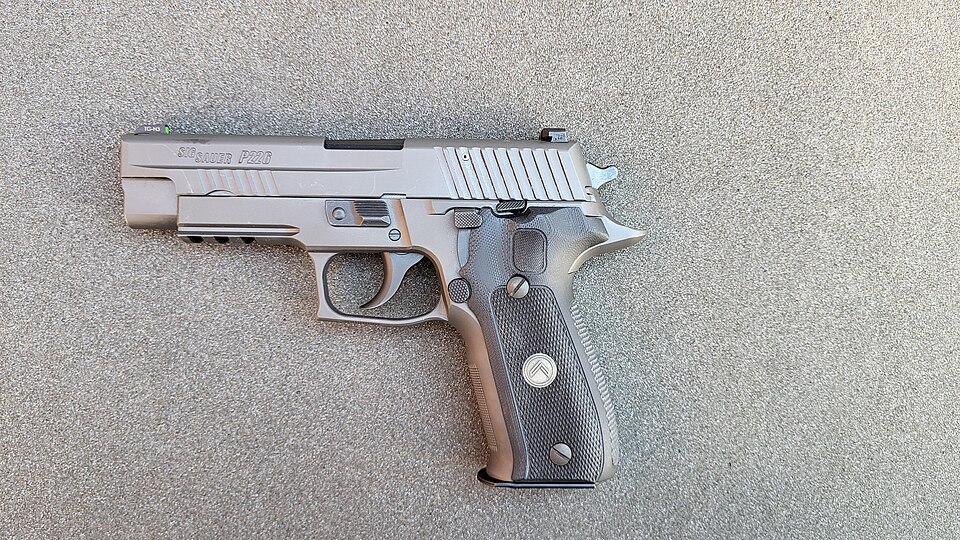
The P226 earned its status the hard way: by becoming closely associated with Naval Special Warfare. In SEAL service, it was known as the Mk. 25, and reference material on the pistol notes that the handgun was subjected to environmental trials involving sand, salt water and mud before entering field use. That testing profile explains the pistol’s staying power. Elite maritime units place unusual demands on handguns, and the P226 built a reputation for durability, corrosion resistance, and accuracy under punishing conditions.
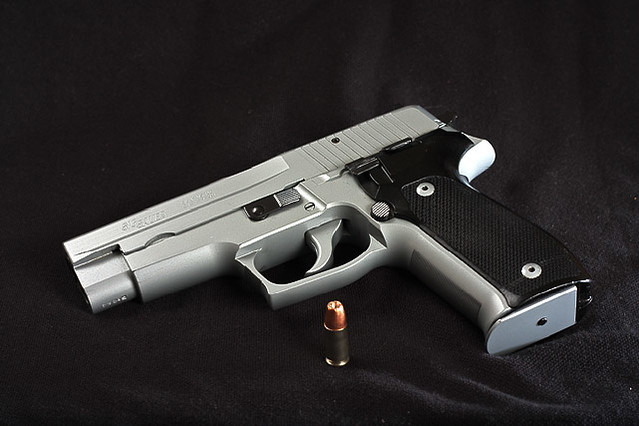
Its alloy frame and stainless slide gave it weight, but that same heft could aid control during rapid fire and prolonged training cycles. It also embodied a specific era of special-operations thinking. The pistol used a double-action/single-action system with a decocker and no manual safety, a combination that balanced readiness with mechanical caution. Even after more compact striker-fired pistols gained ground, the P226 remained a respected standard because it had already proven that reliability in specialized units is earned through endurance, not branding.
5. Glock 19
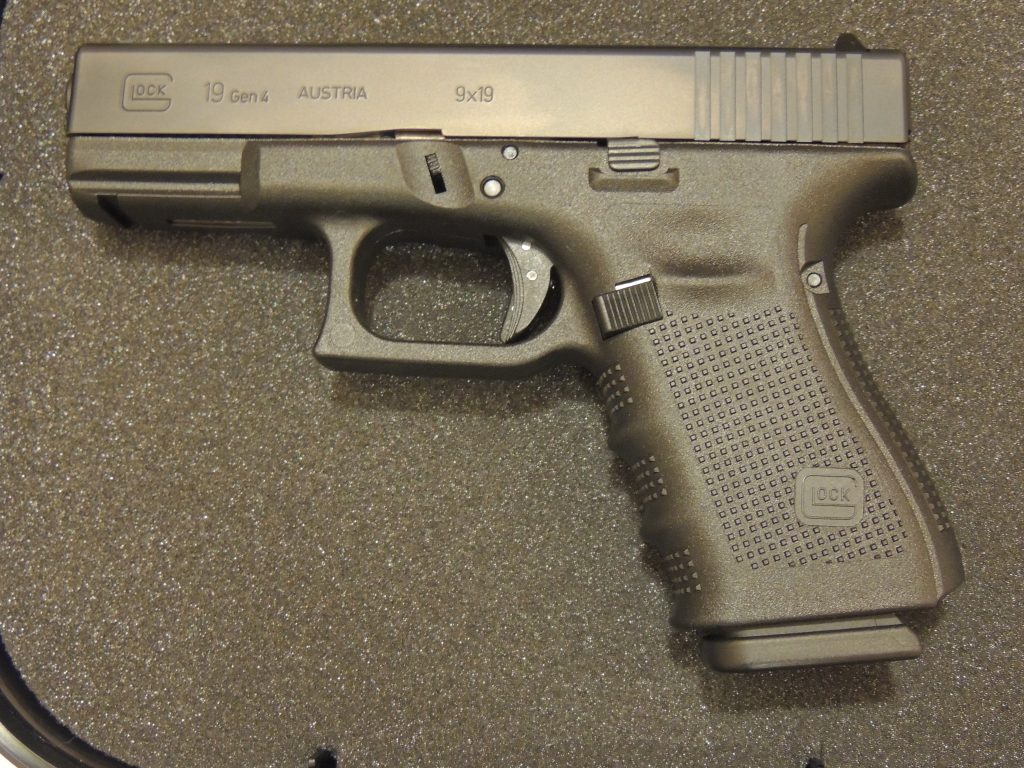
The Glock 19 is now old enough to qualify as a classic, yet it still feels contemporary because so much of the modern combat-pistol market moved in its direction. Historical overviews place its rise in military service in the late 1980s, while special-operations accounts show how the pistol became a preferred answer to demands for lighter weight, simpler handling, and compact dimensions. Its path into Army Special Forces was especially revealing. Rather than replacing a full-size service pistol directly, the Glock 19 initially entered through a requirement for a concealable handgun for operations in civilian clothes, and later spread wider after it passed special-operations testing. One account states that SOCOM adopted the Glock 19 outright in 2016, helping standardize it across multiple elite formations.
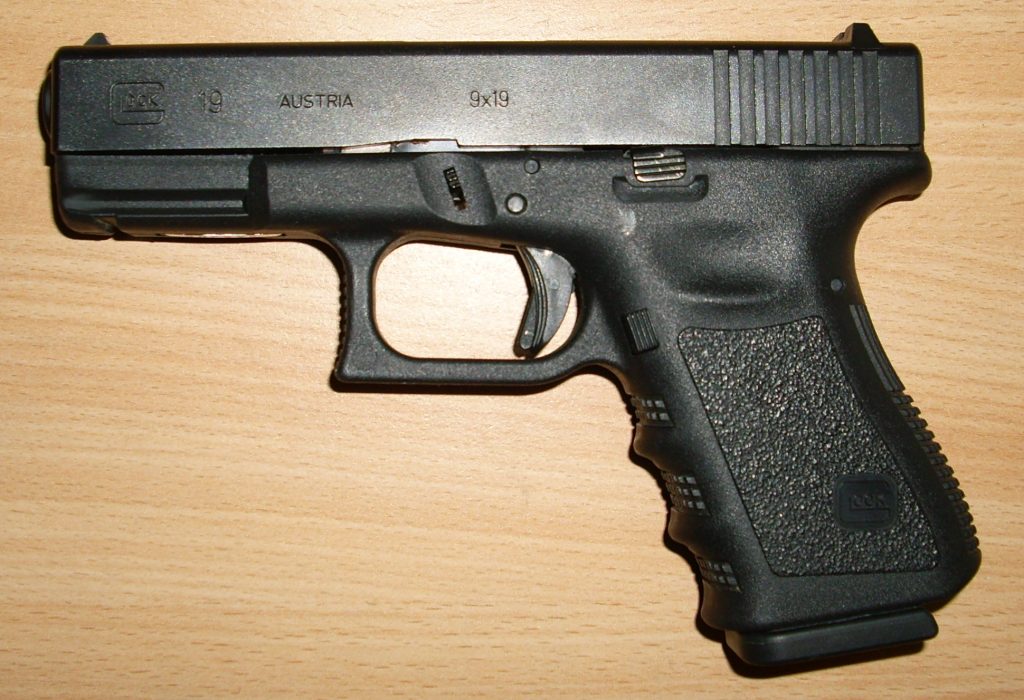
This is where the word classic takes on a different meaning. The Glock 19 is not classic because it is ornate or old-world. It is classic because it reset expectations. Polymer construction reduced carried weight, striker-fired operation simplified the manual of arms, and the compact size proved adaptable enough for both overt and discreet carry. Even when users fitted larger magazines or optics-ready slides, the central attraction remained the same: a pistol that did many jobs well without becoming specialized to the point of inconvenience. These five handguns stayed relevant for different reasons, but the pattern is consistent. Elite units keep sidearms that combine proven mechanical trustworthiness with a clear operational role. Some survived by defining an era, and others by adapting to the next one. Together, they show that in combat-pistol design, true longevity usually belongs to weapons that remain useful after the fashion around them changes.


