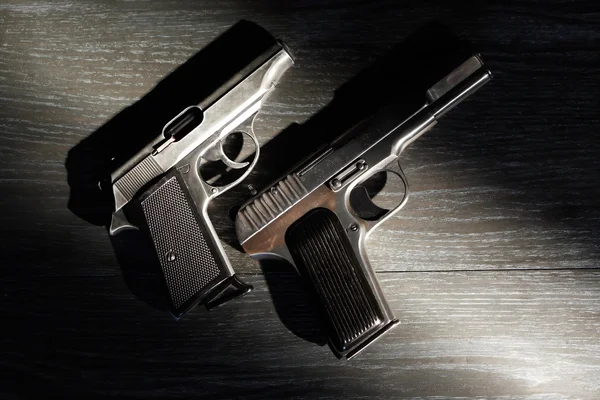
“Modern” is an overused label in handgun talk. In the 9mm world, it means something narrower and far more important: a pistol changed what shooters, armorers, agencies, or concealed-carry users started expecting as normal. Some designs pushed capacity higher. Others changed materials, trigger systems, ergonomics, or the balance between full-size shootability and practical carry. Together, these 10 pistols map how the 9mm went from early self-loader to the dominant format behind today’s duty guns, range pistols, and concealed-carry sidearms.
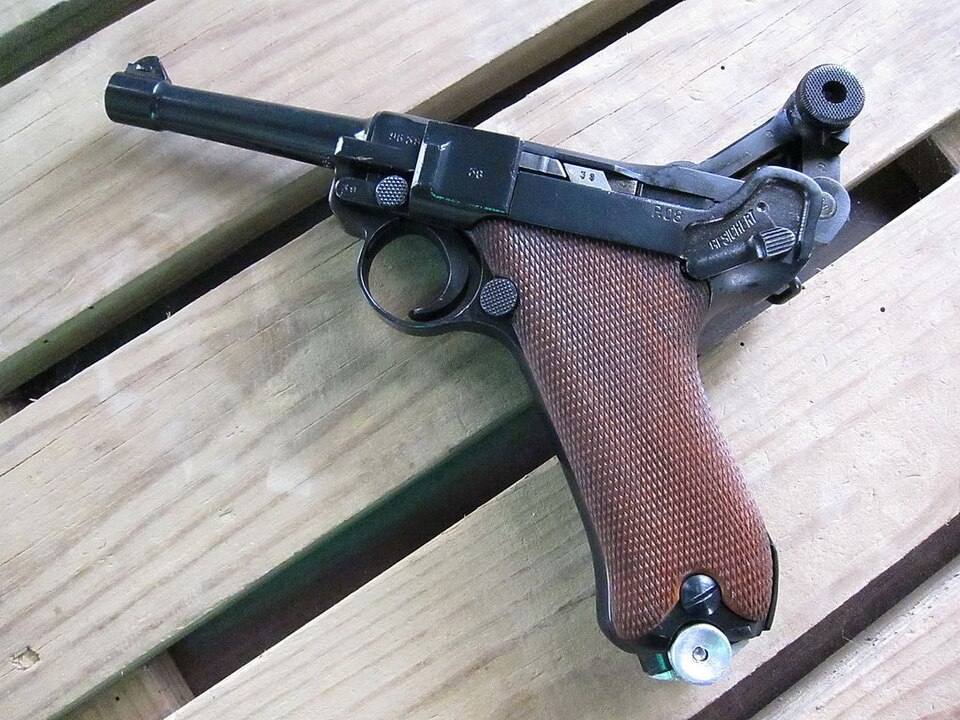
1. Luger P08
The Luger sits at the front of the modern 9mm story because it arrived alongside a cartridge that would outlast nearly every rival. The pistol’s distinctive toggle-lock system looked unlike anything that followed, but its deeper legacy was simpler: it helped establish the 9x19mm cartridge in 1902 as a serious service round. It also carried an early striker-fired mechanism, a reminder that “modern” features often appeared long before they became mainstream. The P08 was not the final answer in service-pistol engineering, but it proved that a compact repeating sidearm built around 9mm could define a military standard.
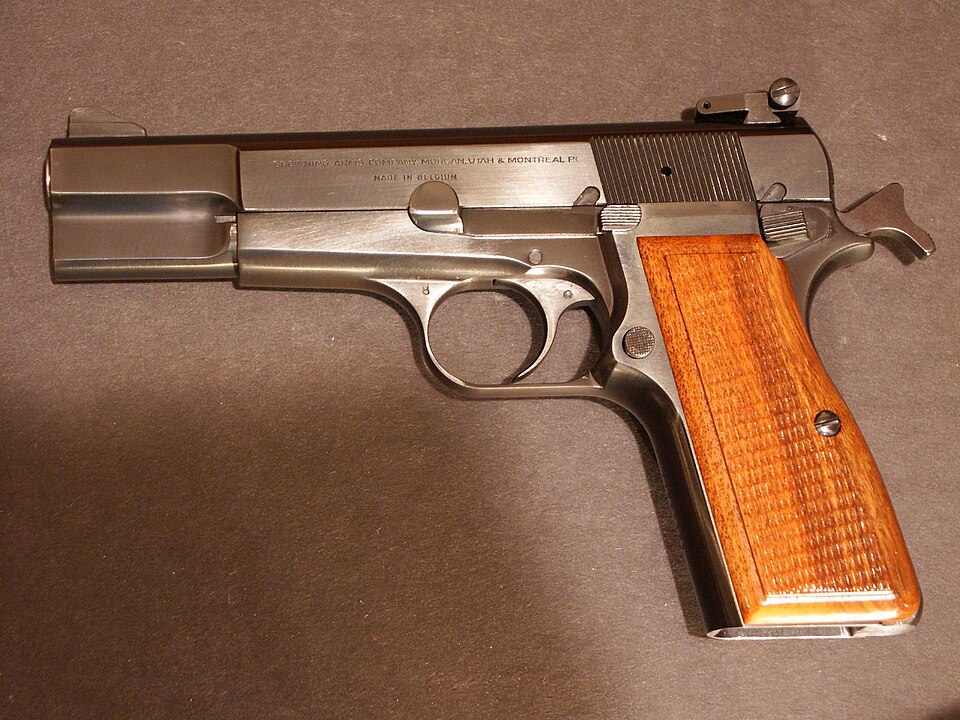
2. Browning Hi-Power
The Hi-Power changed expectations about what a fighting pistol should carry on board. Its double-stack magazine architecture made greater capacity feel less like an experiment and more like a baseline requirement. That shift mattered well beyond the pistol itself. Once capacity became part of the design brief, service pistols were judged differently, and many later guns followed the path opened by the Hi-Power even when they shared none of its outward shape.
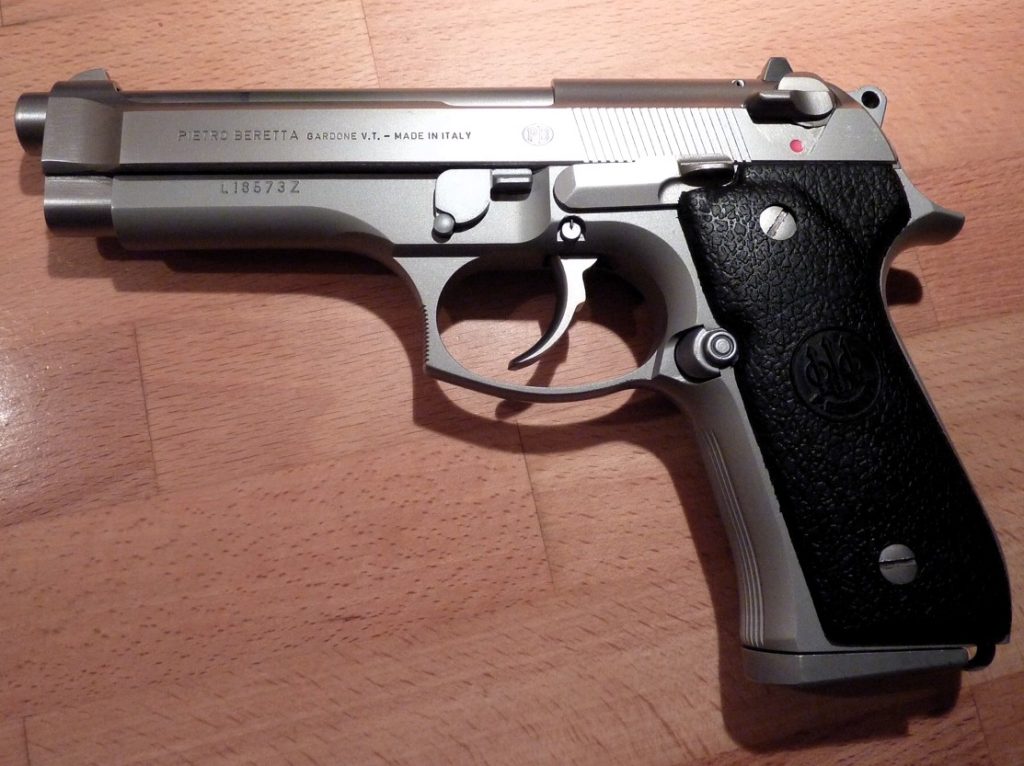
3. Beretta 92
The Beretta 92 defined the big-service-pistol era with an instantly recognizable open slide, a locking-block action, and a DA/SA manual of arms that shaped generations of institutional training. For many users, it became the feel of an issued sidearm. Its influence extended beyond the gun counter. Long service life, broad military issue, and familiar handling made it a reference point for holsters, qualification standards, and maintenance programs. Even later efforts to replace it highlighted how thoroughly it had set the template.
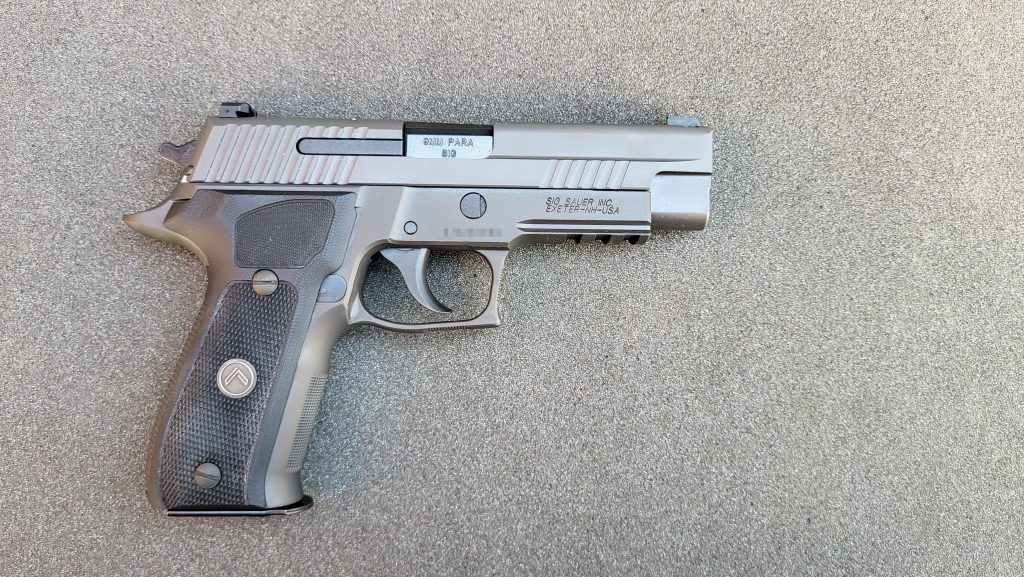
4. SIG Sauer P226
The P226 showed how a duty pistol could stay relevant without chasing every trend. Developed for U.S. service-pistol trials, it became known as a durable institutional sidearm with a reputation built on endurance rather than novelty. That staying power matters in handgun history. The P226 bridged the older DA/SA doctrine and newer expectations such as accessory rails and sustained hard use, proving that refinement can be as influential as disruption.
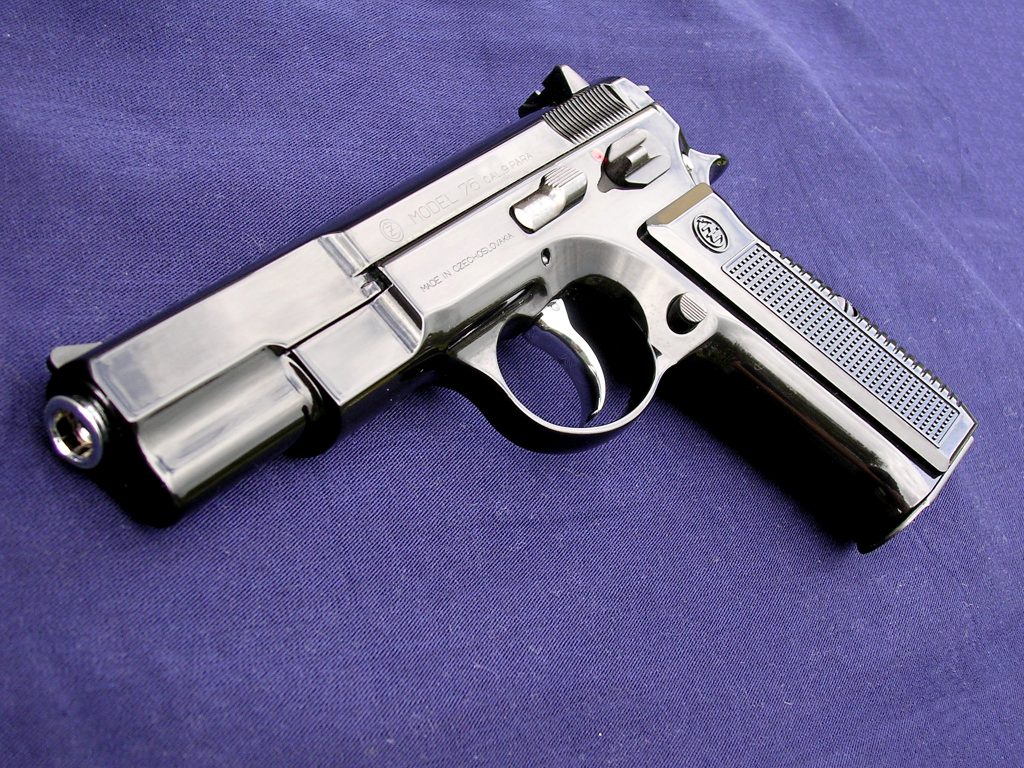
5. CZ 75
The CZ 75 demonstrated that a steel-framed 9mm could still feel unusually natural in the hand while delivering serious service performance. Its grip shape and slide-in-frame arrangement gave it a loyal following that lasted far beyond its original political and export limitations. Its real engineering footprint showed up in imitation. Clones, derivatives, and competition-focused descendants turned the CZ 75 into one of the clearest examples of a pistol design that kept reproducing itself across decades.
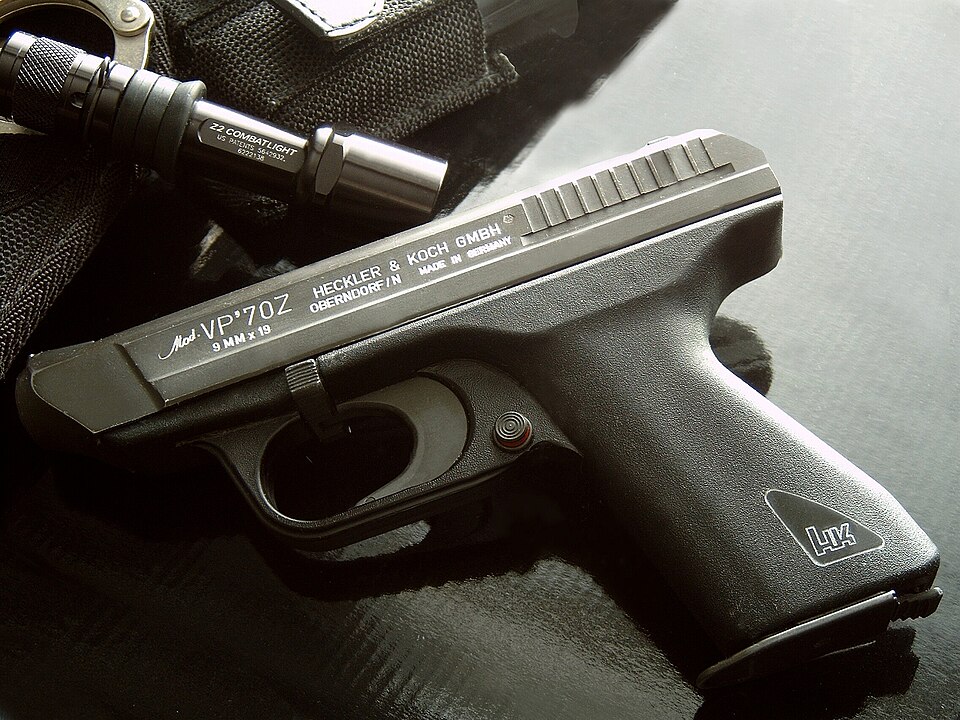
6. Heckler & Koch VP70
The VP70 was early in ways the market did not fully reward at the time. It is widely recognized as the first production service pistol with a polymer frame, and it paired that with an 18-round magazine when that kind of capacity still stood out. It also showed the difference between being first and being polished. Its heavy trigger and awkward controls kept it from becoming a universal standard, but the VP70 proved that polymer construction and high capacity were already technically viable long before they became ordinary.
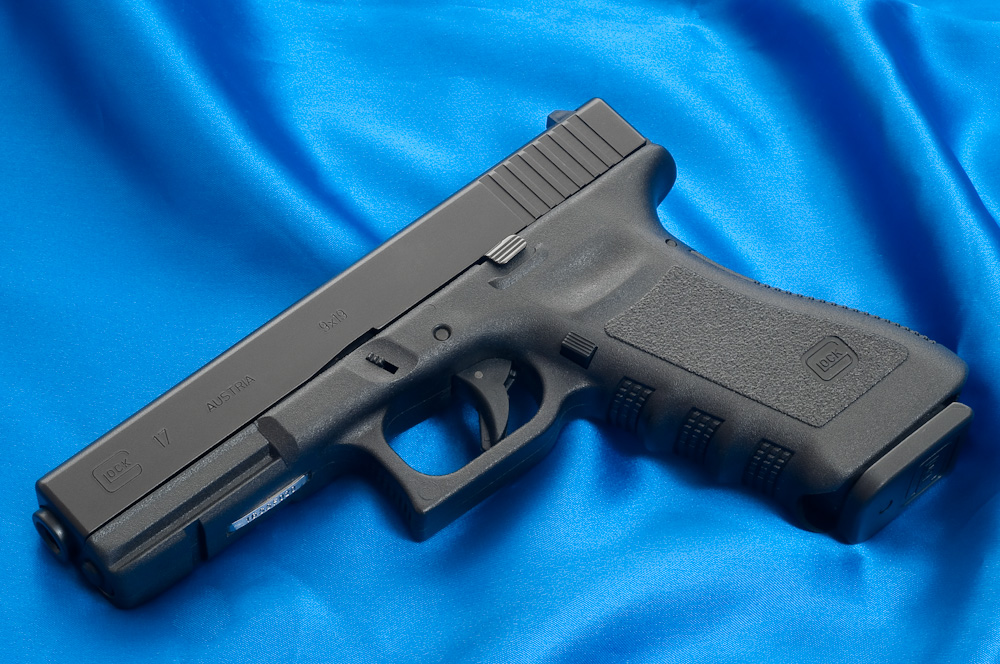
7. Glock 17
The Glock 17 turned those ideas into the industry’s new center of gravity. After entering Austrian military and police service in 1982, it pushed polymer-frame, striker-fired design from skepticism into mainstream service use. Its formula was brutally effective: light weight, corrosion resistance, high capacity, few parts, and a consistent trigger system without the training complexity of traditional DA/SA pistols. The Safe Action design, with internal safeties replacing an external manual lever, reset expectations for what a duty gun could be. The pistol’s success also accelerated a broader shift described across the market as the rise of the polymer striker nine, where agencies and private users increasingly favored simplicity, easier maintenance, and lower carry weight over legacy all-metal formats.
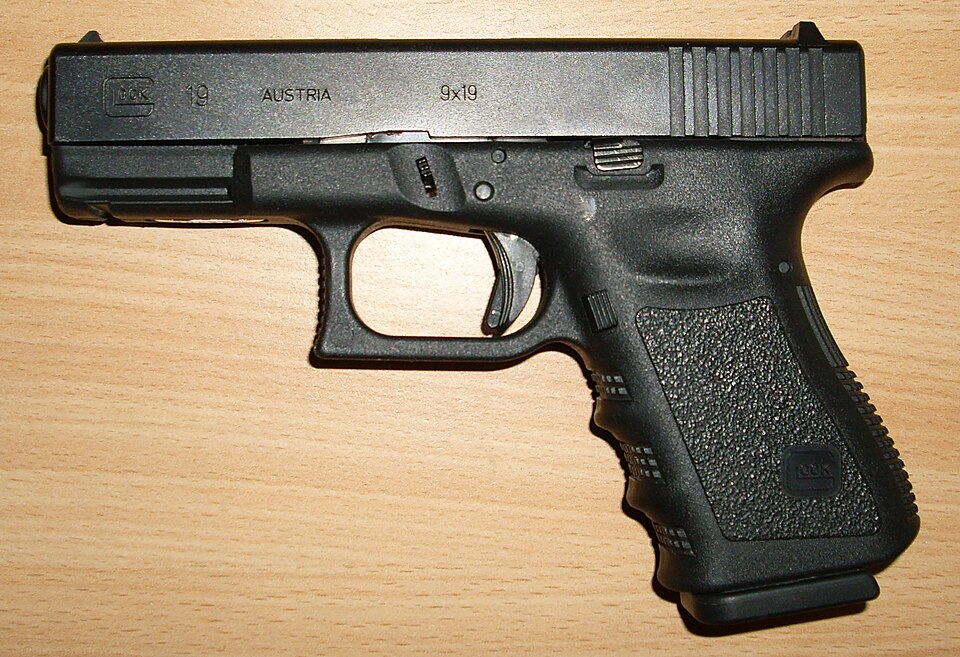
8. Glock 19
The Glock 19 did something subtler but just as important: it made the compact 9mm the all-purpose standard. Introduced in 1988, it offered enough grip, sight radius, and control for serious use while remaining small enough to carry without full-size penalties. That balance became one of the most copied formulas in handguns. Magazine compatibility, familiar handling, and ongoing institutional credibility, including Special Operations adoption of Glock 19 variants, helped cement the idea that one pistol could handle duty, training, and concealed carry roles.
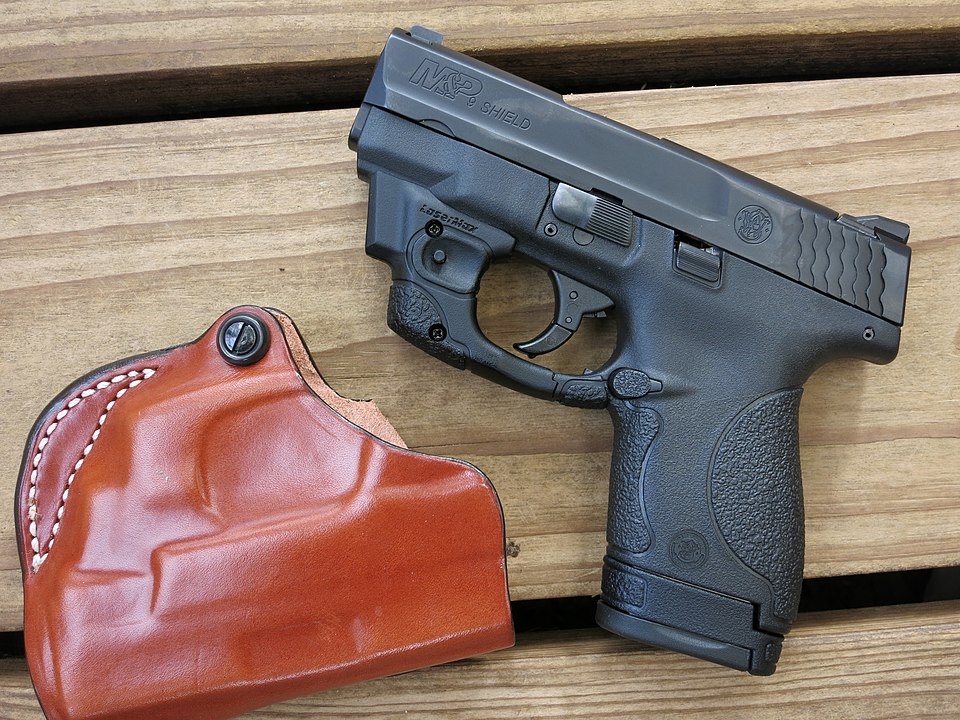
9. Smith & Wesson M&P Shield
The Shield helped settle the argument over whether a slim 9mm could be both discreet and genuinely useful on the range. Small 9mm pistols existed before it, but the Shield made the format feel mainstream instead of compromised. That was a major market shift. Concealed-carry pistols no longer had to be treated as specialty tools with poor sights, harsh recoil, or awkward handling. The category expanded quickly after the Shield, and later carry guns built on the same expectation that thin did not have to mean difficult.
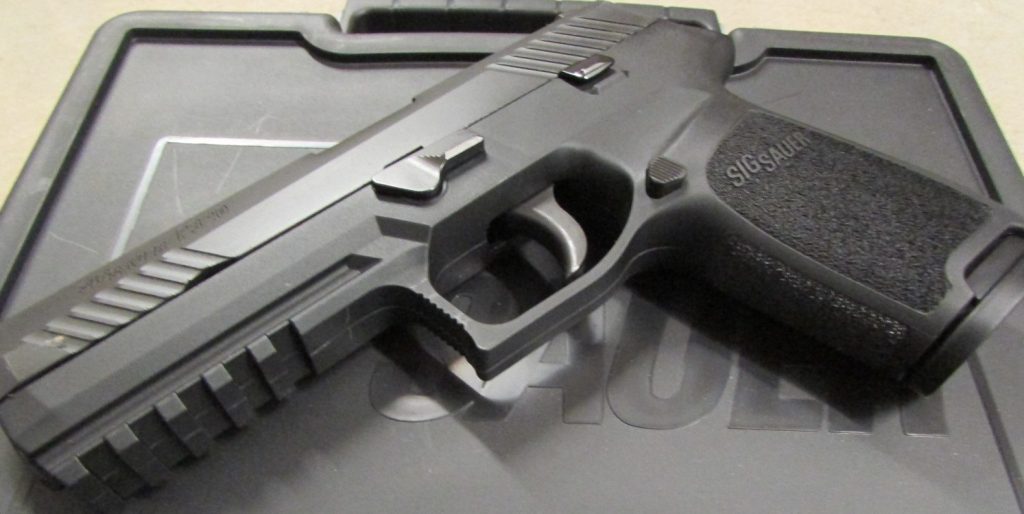
10. SIG Sauer P320
The P320 pushed “modern” in a different direction: modularity. Its serialized fire-control unit made the pistol less like a fixed object and more like a configurable system, allowing grip modules and slide assemblies to change around the core mechanism.That concept moved from interesting to consequential when the U.S. Army selected the P320-based M17 and M18 after trials that emphasized ergonomics, ambidextrous controls, rails, and adaptability across a wide range of users. The platform helped normalize the idea that a service pistol should fit different hand sizes, missions, and accessory requirements without becoming a completely different gun.
What ties these pistols together is not release date, materials, or brand prestige. Each one moved the baseline. After they appeared, competing designs had to answer the same questions about capacity, weight, trigger consistency, ergonomics, concealability, or modularity.That is the real test of a modern 9mm. It is not whether a pistol looked futuristic when it launched. It is whether the rest of the handgun world had to catch up.


