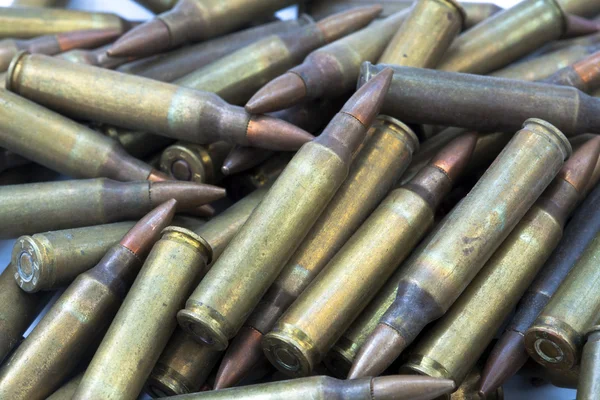
Accuracy is easy to talk about at a bench on a calm day. It gets harder to define when recoil, wind, rifle fit, and real shooting positions start pushing bullets away from the point of aim. The cartridges on this list earned their reputations because they balance more than raw speed. They offer a useful mix of manageable recoil, consistent flight, and bullet designs that hold up as distance stretches. That balance matters, because long-range precision is often a tradeoff between recoil, wind resistance, and the shooter’s ability to stay in the optic and watch the hit.
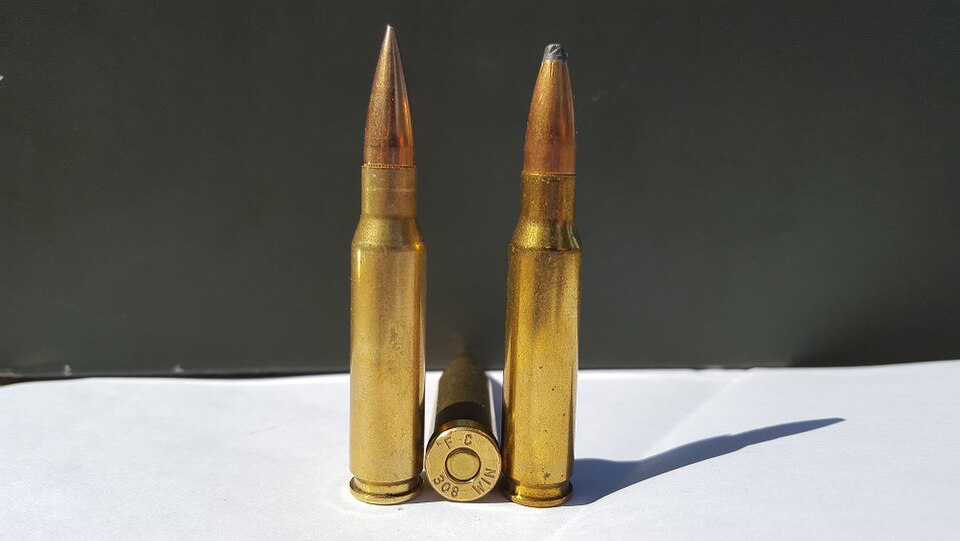
1. .308 Winchester
The .308 Winchester remains one of the easiest cartridges to trust because it works in so many different rifles without demanding exotic setups. Its reputation was built on repeatable performance, solid barrel life, and broad bullet selection, which still makes it a dependable standard for hunting, target work, and practical field shooting. Modern match loads keep it relevant. In top-level competition data, some tactical shooters were still running .308 effectively, and 176-grain A Tip loads near 2,720 fps kept wind drift surprisingly close to more specialized cartridges at 1,000 yards. The penalty is recoil, not usefulness. That is why .308 still shows up whenever shooters want a cartridge that is forgiving, proven, and hard to outgrow.
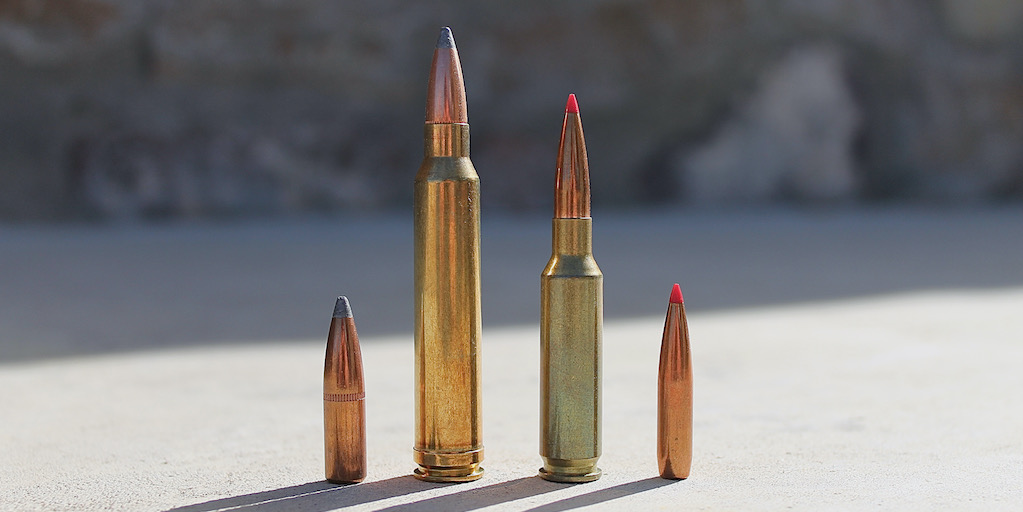
2. 6.5 Creedmoor
The 6.5 Creedmoor was built around efficiency, and that design still explains its staying power. It uses aerodynamic bullets, moderate recoil, and a case shape that supports consistent velocities, making it easier for shooters to hold precision over long strings. That formula continues to work. Among elite PRS competitors, 6.5mm still accounted for 6% of the top 200 shooters, with the Creedmoor itself remaining in the hands of several top finishers. Ballistic comparisons also continue to show why it became a modern default: flatter trajectory and less wind drift than .308-class loads, while keeping recoil low enough for many shooters to spot impacts and correct quickly.
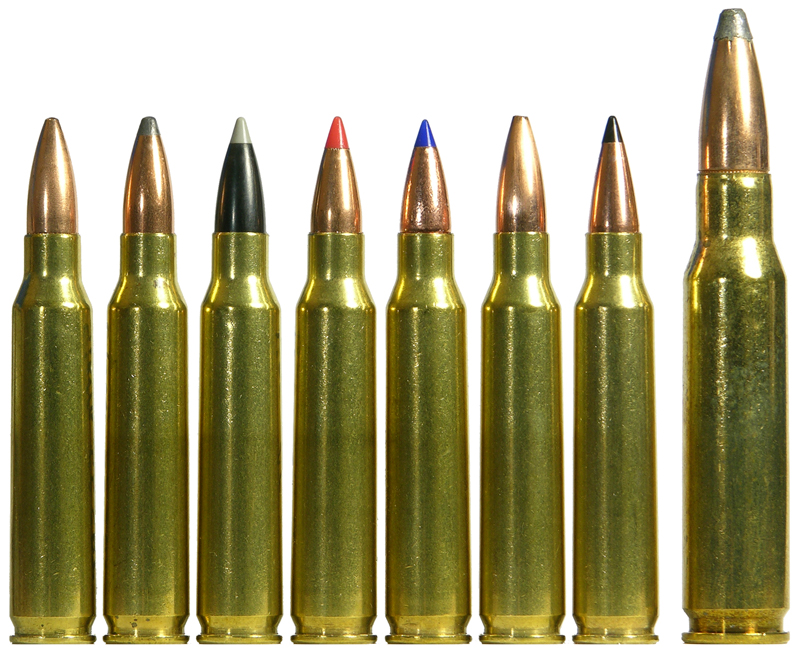
3. .223 Remington / 5.56 NATO
The smallest cartridge here is also one of the most useful. In a good barrel with the right twist, .223 Remington can be impressively precise, and its low recoil gives shooters an advantage that bigger rounds cannot always match: the ability to stay on target and watch what happened. That matters in training, varmint work, and practical matches. The round does not carry the authority of larger cartridges, but accuracy is not only about energy. It is also about seeing misses, making corrections, and repeating good inputs. For that reason alone, .223 keeps earning far more respect than its size suggests.
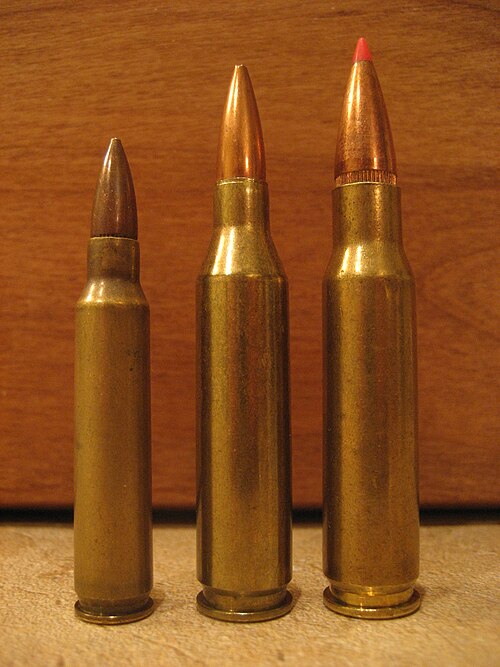
4. .243 Winchester
The .243 Winchester has spent decades doing two jobs well: shooting flat and shooting gently. That combination makes it one of the easier centerfire cartridges to shoot accurately, especially for people who value clean trigger work and minimal disruption through recoil. Its flexibility is part of the appeal. With appropriate loads, it moves from varmints to deer-sized game while keeping enough speed to simplify holds at practical distances. It may not dominate current cartridge chatter, but it still fits the accuracy-first shooter who wants simplicity rather than trend chasing.
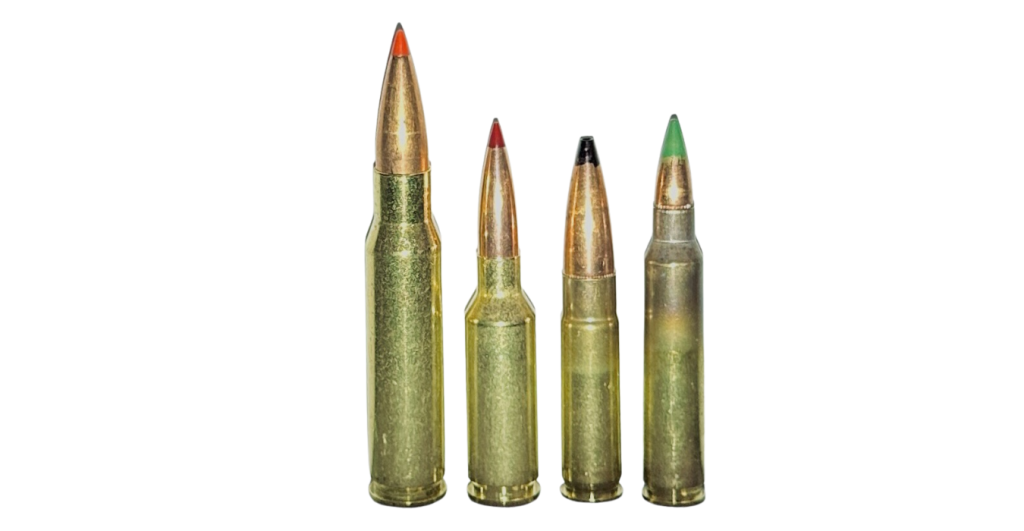
5. 6mm ARC
The 6mm ARC stands out because it stretches what an AR-15-sized platform can realistically do. Hornady designed it around long, high-BC 6mm bullets, giving the cartridge a reach that standard .223 loads struggle to match. That design goal shows up on paper and in use. Reports cited in the source material noted it can stay supersonic beyond 1,000 yards, and its reduced drop and wind drift versus .223 make it one of the more practical “precision from a compact rifle” options of the last few years. It is not just an AR novelty. It is a purpose-built attempt to make distance easier from a smaller platform.
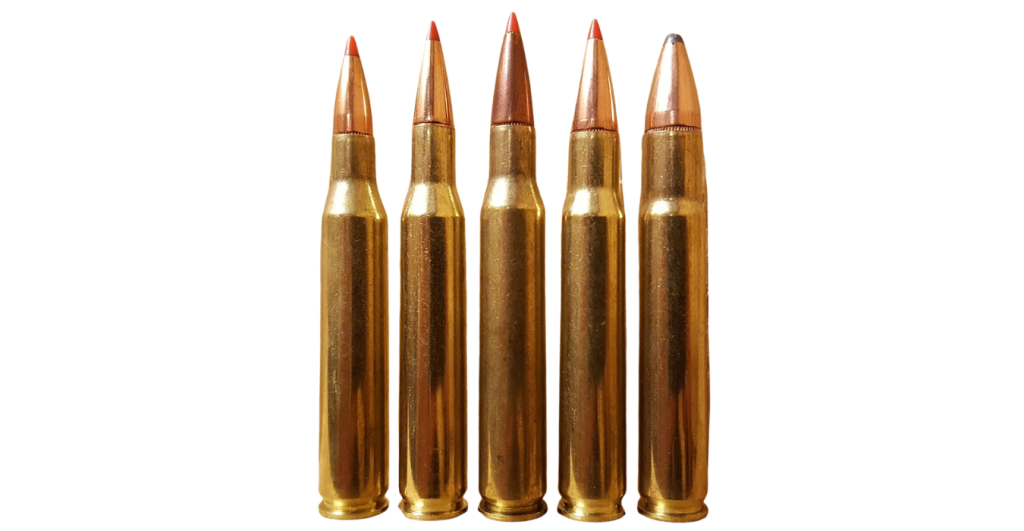
6. .270 Winchester
The .270 Winchester is an old hunting cartridge that never really stopped being accurate. Its calling card has always been speed with moderate recoil, and modern bullet design has only helped it age better. Tests comparing common hunting rounds have shown that 145-grain .270 loads around 2,950 fps still deliver a very flat trajectory. That helps explain why so many factory .270 rifles seem to shoot well without much load experimentation. It remains a straightforward answer for shooters who want reach, hunting utility, and a cartridge with nearly a century of field credibility.
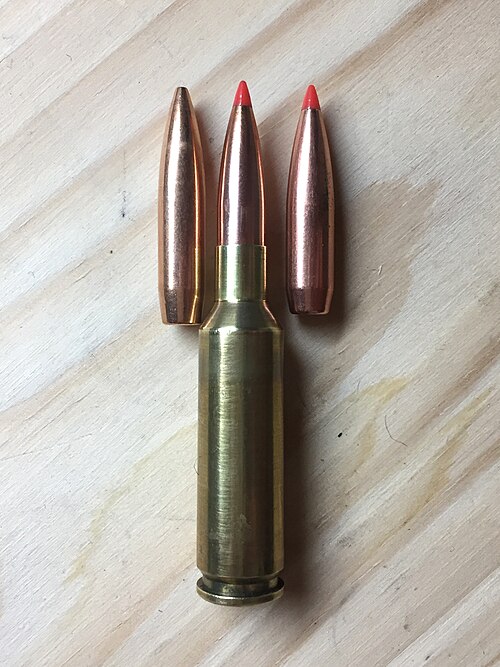
7. 6.5 PRC
The 6.5 PRC takes the Creedmoor idea and pushes it faster. It keeps the long, efficient 6.5mm bullets that shooters already trust, then adds more velocity to reduce drop and tighten wind performance at longer ranges. Its typical factory envelope is well established, with 140- to 147-grain bullets around 2910 to 2925 fps. That is enough to make the cartridge attractive to hunters and precision shooters who want more reach without jumping to the recoil and rifle weight of larger magnums. It is one of the clearest examples of a cartridge designed around modern bullet efficiency instead of old magnum habits.
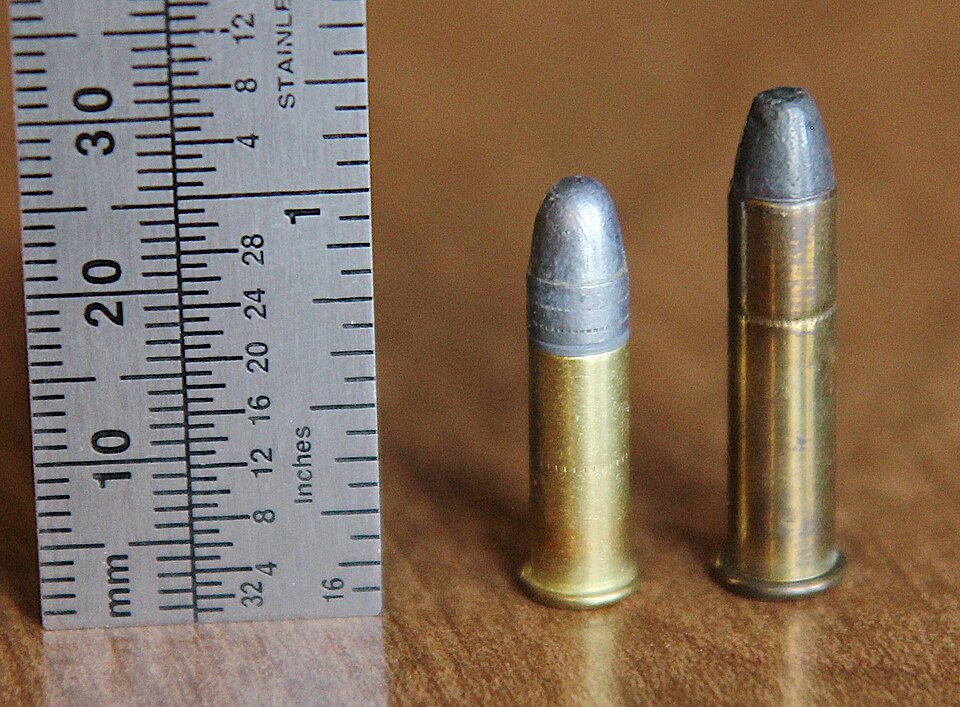
8. Match-Grade .22 LR
This is the outlier, and it belongs here. Match-grade .22 LR teaches precision in a brutally honest way because every mistake shows up, yet the cost and recoil stay low enough for serious repetition. Good rimfire loads also reveal an important truth about accuracy: bullet consistency matters as much as cartridge reputation. Competitive shooters favor carefully selected subsonic ammunition because avoiding the transonic transition reduces instability. For training fundamentals, few options offer more return on time spent behind the trigger.
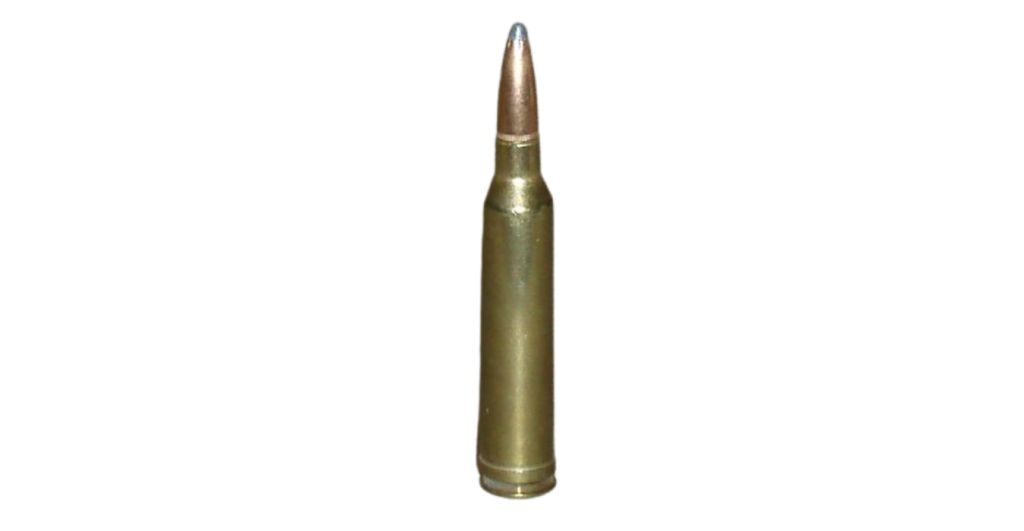
9. 7mm Remington Magnum
The 7mm Remington Magnum has stayed relevant because it pairs magnum reach with sleek bullets that hold onto velocity. When loaded with modern high-BC projectiles, it remains one of the stronger long-range hunting options that still feels familiar to generations of rifle shooters. Its continued usefulness comes from bullet shape as much as case capacity. As ballistic experts explain, higher BC bullets reduce wind deflection and time of flight, which is exactly where the 7mm class shines. That does not eliminate recoil, but it helps explain why the cartridge still matters whenever the conversation turns to flat trajectory and reliable performance at distance.
These cartridges are not identical, and they do not solve the same problem in the same way. Some win with mild recoil, some with efficient bullets, and some with extra speed that buys margin when the wind starts working against the shooter. The common thread is balance. Tight accuracy rarely comes from one number on a box. It comes from cartridges that let rifles, bullets, and shooters stay consistent when conditions stop being easy.


