Some rifle cartridges earn a loyal following because they are easy to shoot, easy to hit with, and easy to find in light, handy rifles. That reputation can follow them into hunting camps where the target animal is much larger than the cartridge’s original job description. The problem is not that these rounds are useless. It is that success on paper, steel, varmints, or even deer-sized game does not automatically scale to elk, moose, or other heavy-bodied animals. Once the shot angle gets ugly, bone enters the equation, or impact velocity falls off, the discussion shifts away from hype and toward penetration, bullet behavior, and margin for error.
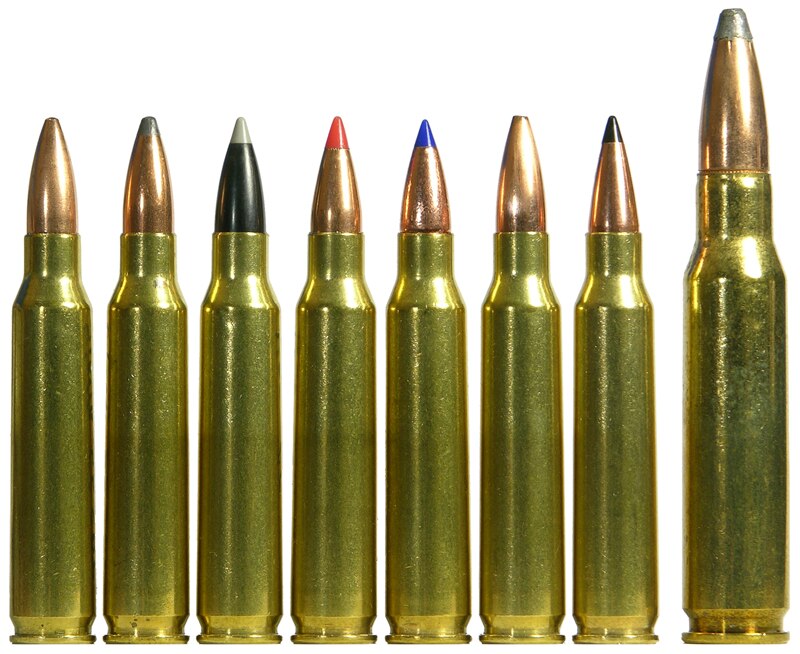
1. .223 Remington
The .223 Remington remains one of the most commonly overstretched cartridges in modern hunting. Its low recoil makes it easy to practice with, and that matters. With the right bullet, it can be an adequate deer round inside sane distances, especially when using monolithic copper bullets or other tough hunting designs.
That does not make it a dependable big-game cartridge. On heavier animals, the small frontal area and limited bullet mass leave little reserve once the shot is not perfectly broadside. The core question is still penetration through lungs, shoulder, and tissue at the distance being hunted, exactly the issue raised in the long-running debate over whether the .223 is truly a viable deer round at all. When the animal is elk- or moose-sized, the cartridge’s narrow operating window gets smaller fast.
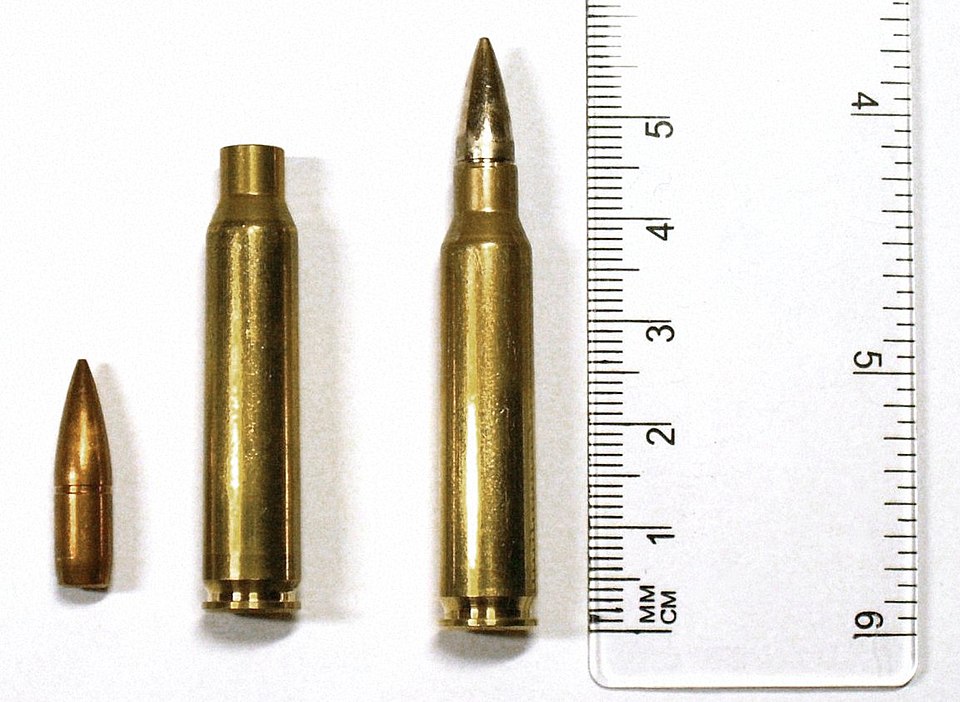
2. 5.56 NATO
Because 5.56 NATO runs at higher pressure than .223 in compatible rifles, some hunters treat it like a meaningful step up. In practical hunting terms, it is still working with the same diameter bullet and the same basic limitations. It shines where recoil control, fast follow-up shots, and accuracy matter most. What it does not bring is a dramatic increase in deep, straight-line penetration on large-bodied game. Once distance stretches or shoulder bone gets involved, the ceiling shows up in a hurry.
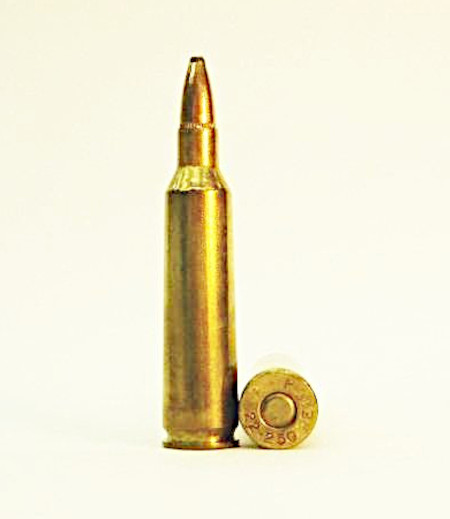
3. .22-250 Remington
The .22-250 has a seductive kind of performance. It is flat-shooting, extremely fast, and spectacular on small targets. Its velocity has helped give it a reputation that often sounds bigger than the bullet actually is. That mismatch matters on big game. A cartridge built around light-for-caliber .22 bullets can look impressive on a ballistics chart while still struggling to hold together and keep driving after impact. As several experienced shooters have argued in the broader terminal-ballistics debate, kinetic energy numbers are still coupled with other factors such as construction and depth of penetration. The .22-250 is a classic example of how speed alone does not solve the heavy-animal problem.
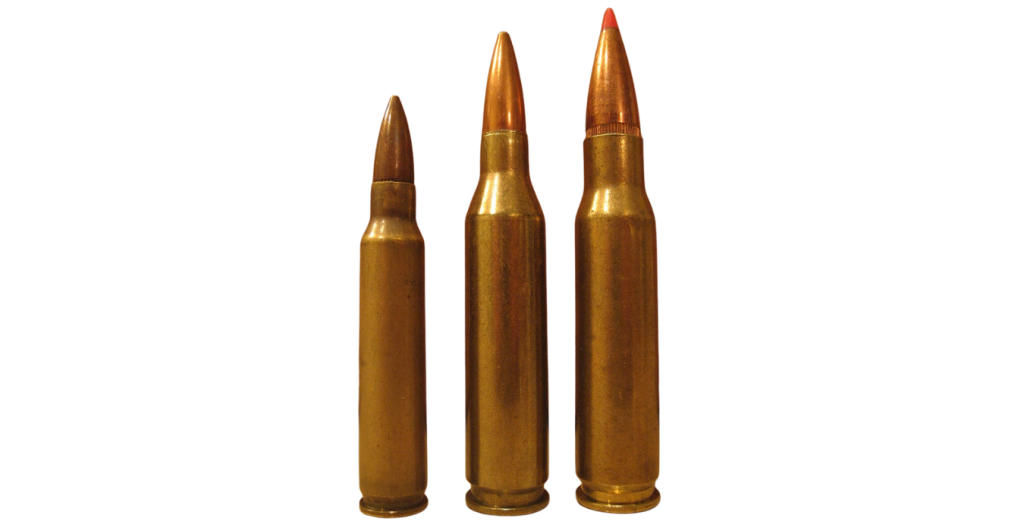
4. .243 Winchester
The .243 Winchester has probably tempted more hunters into “just enough gun” than any cartridge on this list. It is pleasant to shoot, accurate, flat enough for real field use, and with 90- to 100-grain bullets it is plainly effective on deer. Its weakness is not mystery. It starts showing strain when the animal is larger, thicker through the shoulder, or badly angled. Bullet weight and sectional density begin to matter more than they do on lighter game. The .243 can absolutely reward disciplined hunters who wait for the right presentation, but it offers less forgiveness when conditions turn imperfect.
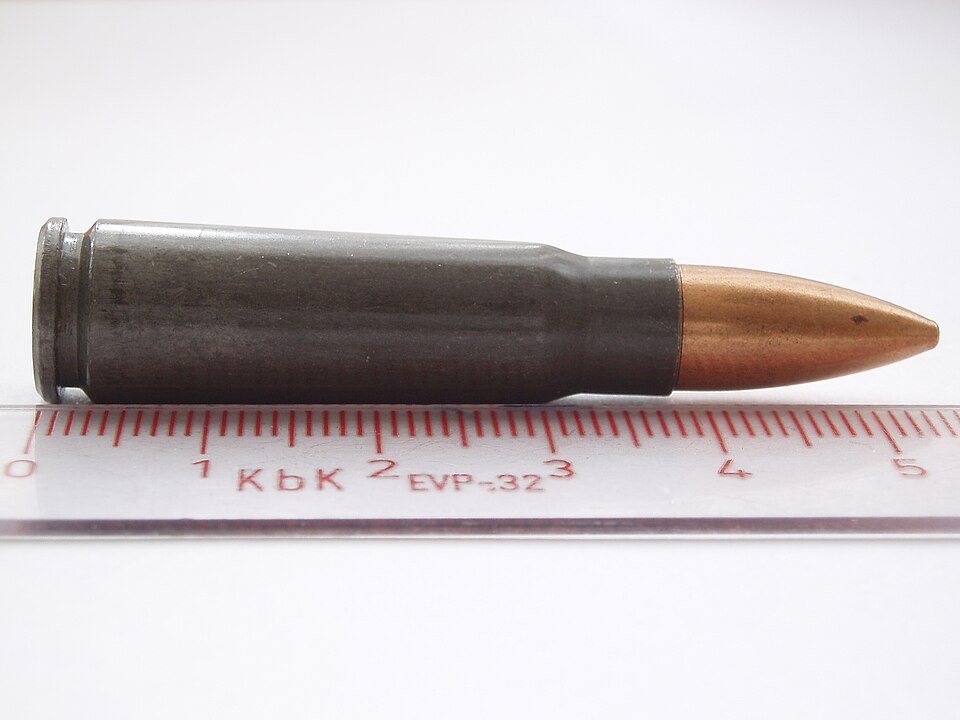
5. 7.62×39mm
The 7.62×39mm gets oversold because it launches a larger bullet than the .22 centerfires and hits harder at close range than many people expect. In a short rifle, it is handy, mild enough to shoot well, and effective on deer-sized game at modest distance. Its trouble starts when hunters ask it to behave like a general-purpose big-game cartridge. Velocity falls off quickly, and with it goes the ability to expand reliably and continue through heavy muscle and bone. It is a short-range woods round, not a universal answer.
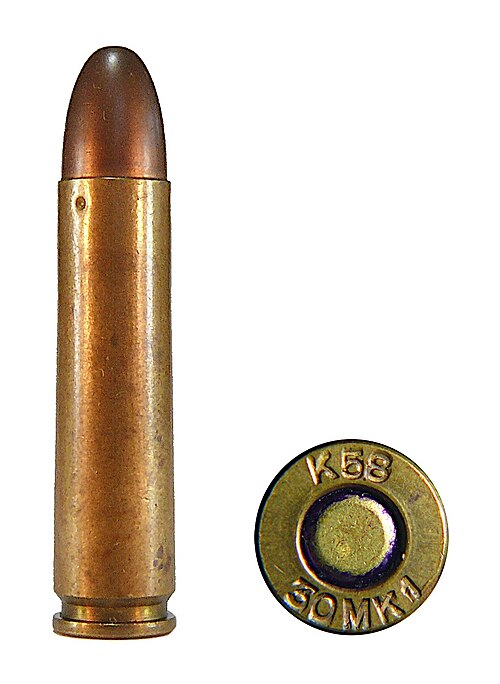
6. .30 Carbine
The .30 Carbine has always benefited from familiarity and nostalgia. It is light, controllable, and tied to a famously portable rifle platform. None of that changes what it is ballistically. With a 110-grain bullet at roughly 1,990 fps, it behaves far closer to a hot handgun class than to a modern big-game rifle cartridge. At very close range, careful shot placement can make it serviceable on smaller game. On large animals, it simply does not bring enough penetration or bullet authority to count on.
7. .17 HMR
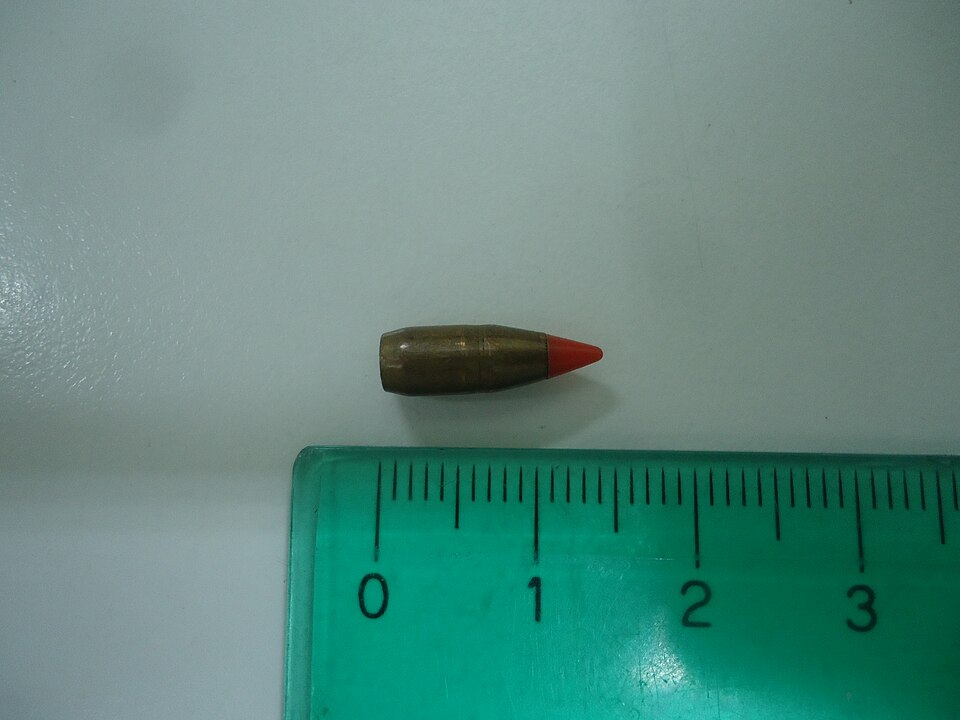
The .17 HMR belongs in the specialist category and stays there. It is excellent for pests and small varmints, and its precision is part of the appeal. But a 17-grain rimfire bullet carrying a little over 250 foot-pounds at the muzzle is nowhere near a serious big-game setup. This is the easiest cartridge on the list to sort correctly: it is outstanding in its lane and completely unsuited outside it.
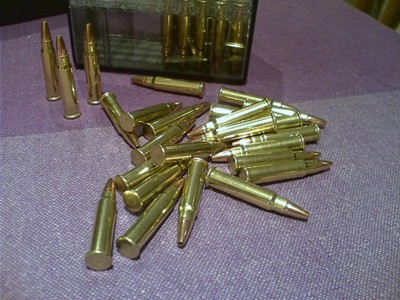
The wider lesson is not that small cartridges never work. Modern bullet design has absolutely improved what mild rounds can do, and lower recoil helps hunters shoot better. That point has been argued persuasively for years, especially in the case for smaller big-game cartridges and the real value of manageable rifles.
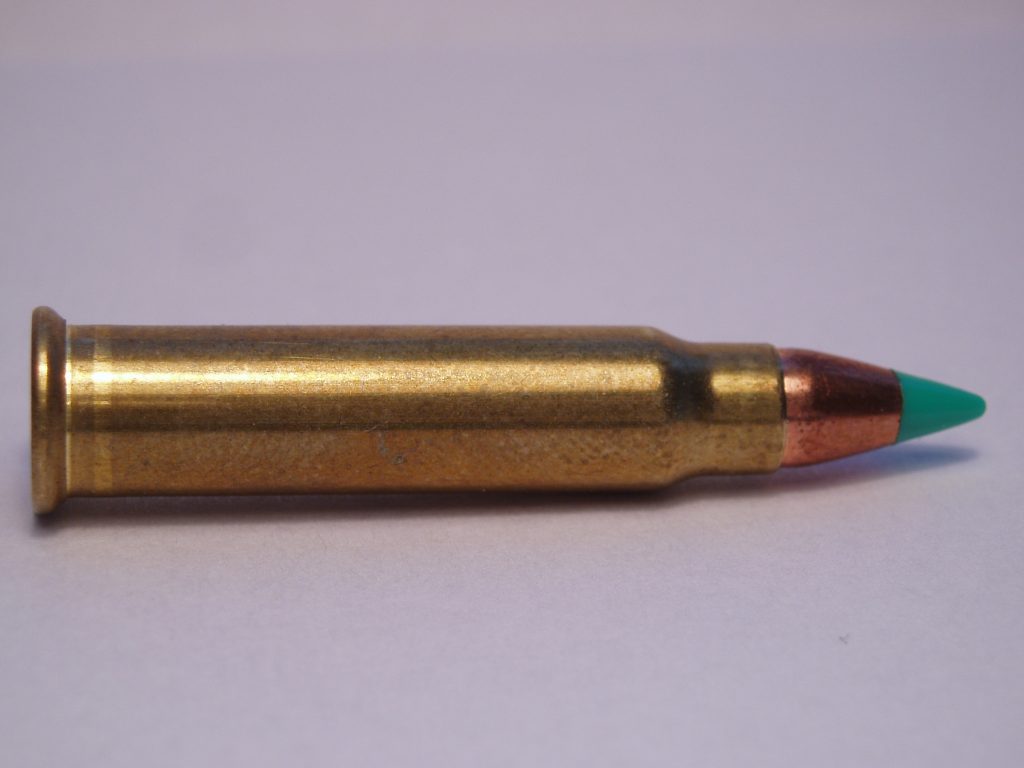
But big animals expose thin margins. Charts built around velocity or energy do not settle the question by themselves, and experienced hunters keep returning to the same fundamentals: bullet construction, impact velocity, penetration depth, and how much room a cartridge leaves when the shot is less than perfect. That is where these seven rounds stop being versatile favorites and start becoming risky choices.


