Elk and moose expose the gap between a cartridge that can work and one that keeps working when angles, bone, distance, and wind complicate the shot. That distinction matters because these animals are large-bodied, hard to stop quickly, and often hunted in country where a short run can turn recovery into a long problem.
The old habit of judging big-game rounds by foot pounds alone does not settle the issue. As terminal ballistics rather than raw energy determine how a bullet disrupts vital tissue, cartridge choice has to be viewed through bullet construction, impact velocity, penetration, and field margin. The calibers below are not listed because they are incapable of killing elk or moose. They are listed because they tend to leave less room for imperfect realities.
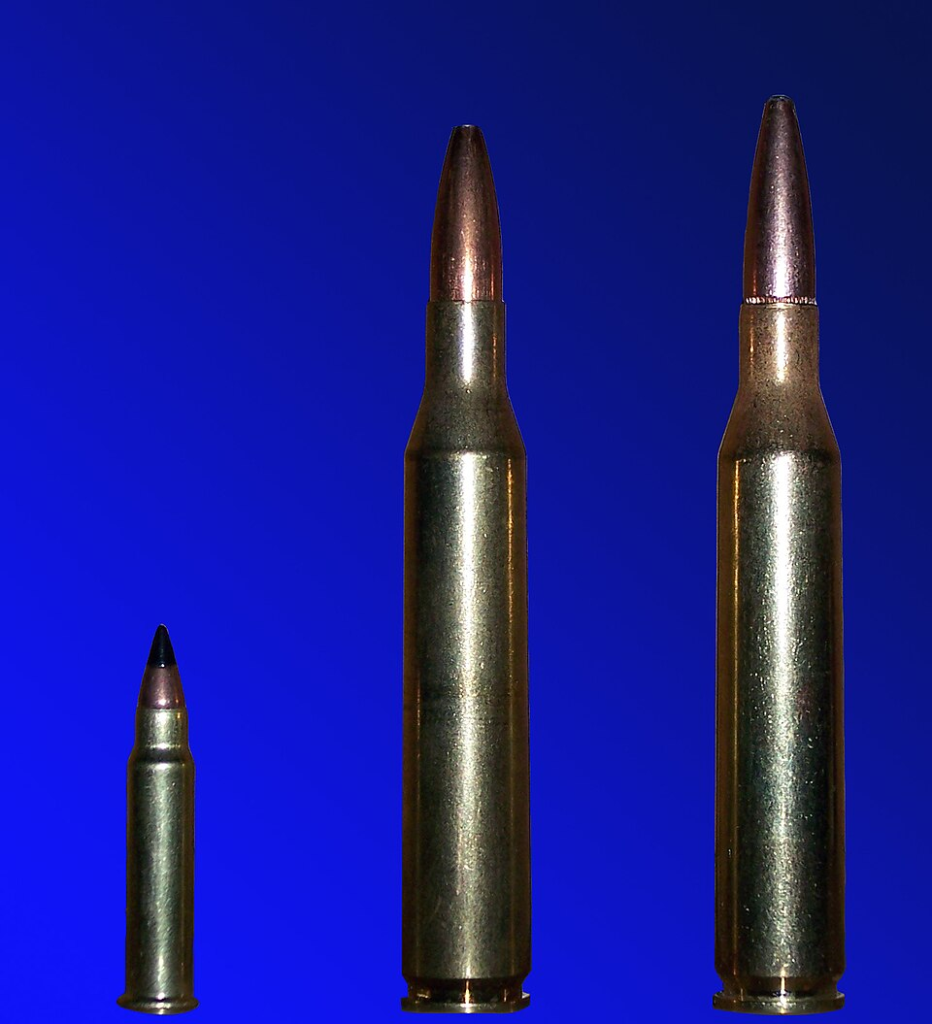
1. .243 Winchester
The .243 Winchester sits at the edge of legal minimums in some jurisdictions, and that alone explains why it is a frequent debate cartridge. Colorado regulations cited in one long-form discussion allow .24 caliber centerfires with 85-grain bullets for elk and moose, but legality is not the same as practical adequacy.
On light-framed game, the .243 can perform cleanly with proper bullets. On elk and especially moose, it offers little reserve when the shot has to pass through shoulder structure or when the angle is less than broadside. Several experienced hunters in the reference material emphasized that real world conditions are rarely perfect. A caliber that starts with limited bullet weight and frontal area simply narrows the safety margin from the outset.
2. .25-06 Remington
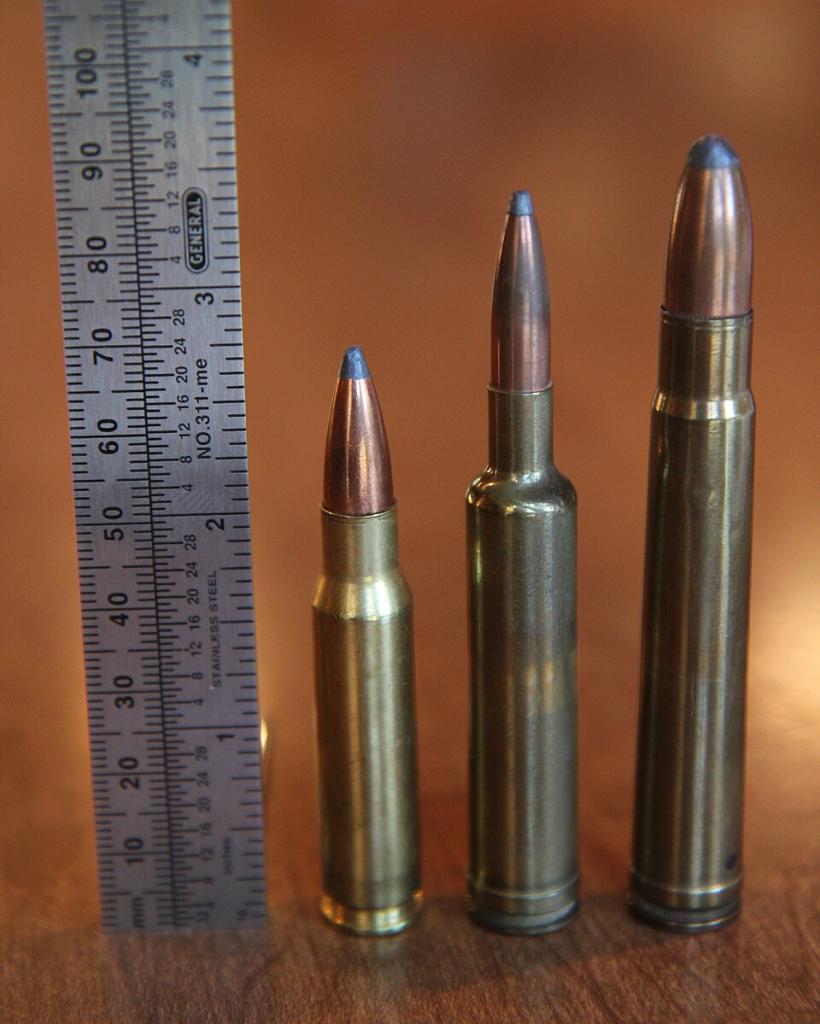
The .25-06 has long been admired for flat trajectory and mild recoil, but those strengths do not automatically carry over to the biggest North American ungulates. It launches relatively light bullets fast, which can look excellent on paper yet still leave hunters balancing expansion, penetration, and retained velocity at the far end.
That tension shows up repeatedly in discussions about elk performance. The consistent theme is that impact behavior matters more than a tidy energy figure, and lighter bullets provide less forgiveness if the shot meets heavy bone or arrives at the lower end of expansion threshold. For deer, the cartridge is a classic. For elk and moose, it is much more exacting than many hunters want to admit.
3. .257 Weatherby Magnum
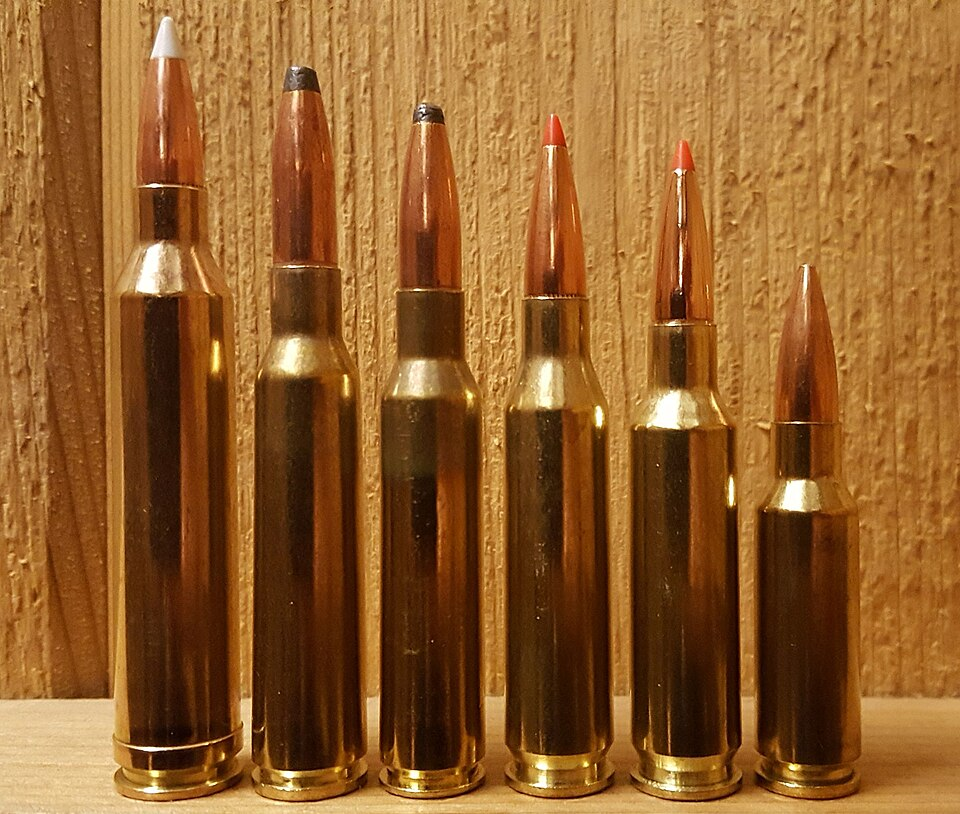
The .257 Weatherby Magnum adds speed, but speed can create its own problems when bullet construction is pushed hard at close range. One technical discussion of elk bullets warned that high-impact velocities can cause some hunting bullets to fail, fragment too quickly, or lose penetration when they encounter muscle and bone before reaching the vitals.
That issue becomes sharper on moose sized animals. The cartridge’s velocity is impressive, yet it still relies on relatively small-diameter projectiles that do not bring the weight and frontal area common in more established elk-and-moose rounds. It can kill cleanly, but it often demands careful bullet selection and narrower shot discipline than larger bores.
4. 6.5 Creedmoor
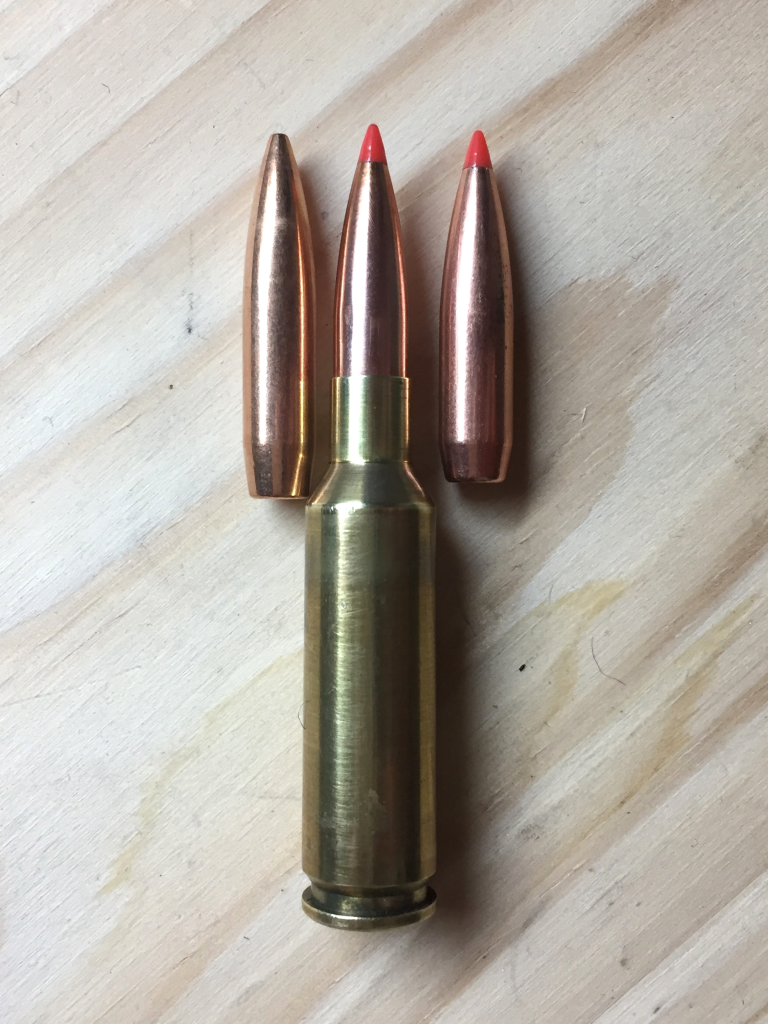
The 6.5 Creedmoor has an outsized reputation because it shoots accurately, recoils lightly, and carries sleek bullets well. None of those points are in dispute. The problem is that elk and moose are not solved by efficiency alone. A detailed ballistic example in the reference material showed a 143-grain 6.5 bullet staying above a common 1800 fps minimum expansion threshold surprisingly far on paper. Even so, the same discussion stressed that practical field performance changes when the shot is steep, close, quartering, or deflected by bone. In another forum discussion, seasoned elk hunters repeatedly described 6.5-class rounds as capable in a perfect world but less comforting when conditions drift from ideal. That is the real limitation: not impossibility, but reduced margin.
5. 6.5 PRC
The 6.5 PRC improves on the Creedmoor by adding velocity and reach, and that helps. It does not change the basic fact that it is still a 6.5 firing comparatively modest-weight bullets into very large animals. One hunter in the source material questioned using a 6.5 PRC on elk after years of relying on a .300 Winchester Magnum for elk and moose. The answers were telling. Experienced voices agreed that smaller rifles can kill elk, but when range stretches, wind drifts, or the angle tightens, a larger bullet offers more insurance. That editorial pattern was consistent across the references: bullet performance and margin matter more than trend value.
6. .270 Winchester
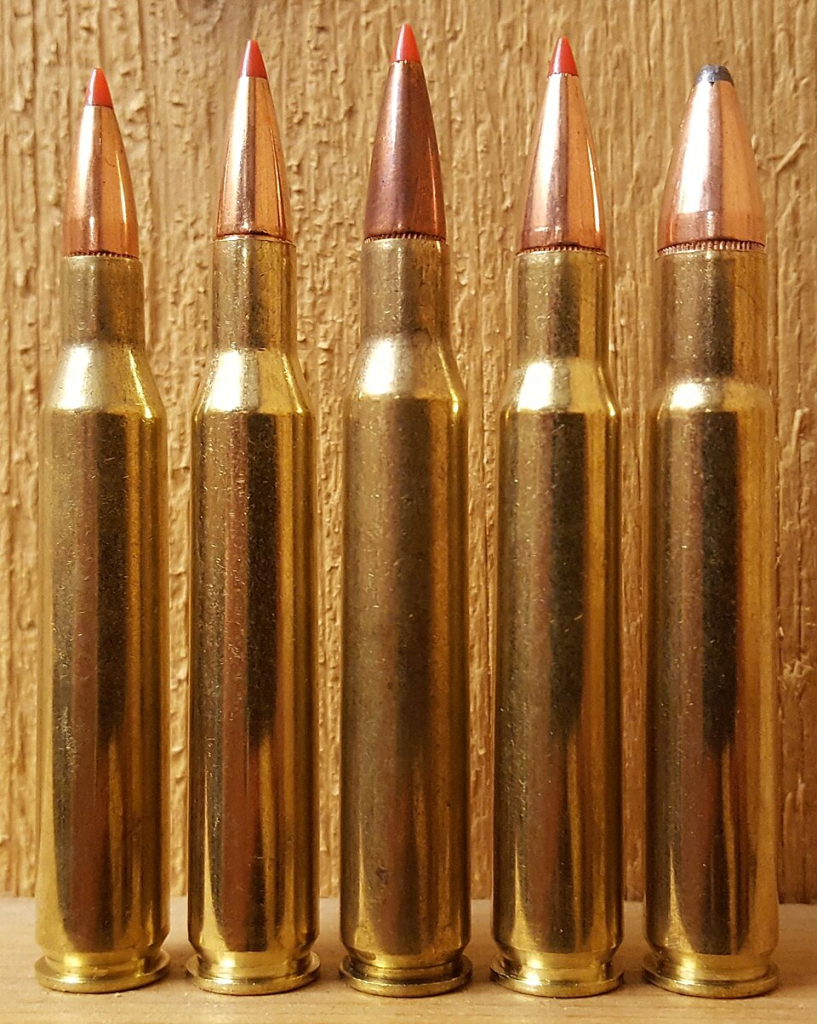
The .270 Winchester has taken plenty of elk over the decades, and its history keeps it in the conversation. But historical use should not hide its limitations on heavy animals. Several contributors treated roughly 1500 ft-lbs and 1800 fps as a traditional elk benchmark, while also noting that those numbers are only rough guides and not a guarantee of effect.
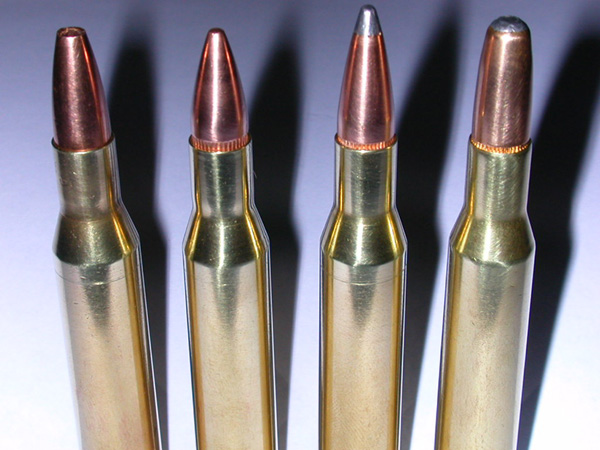
The .270 can meet those thresholds in some loads and distances, but the bigger issue is what happens after impact. When broadside lung shots turn into shoulder hits or quartering presentations, the cartridge has less bullet mass and diameter than .30-caliber and .33-caliber options. One reference even described a cow elk taken with a .270 at moderate distance, while still arguing that the result came from bullet behavior in the lungs rather than any magic energy number. That is a useful reminder: success with the .270 does not erase its narrower operating window.
7. 7mm Remington Magnum with light for caliber bullets
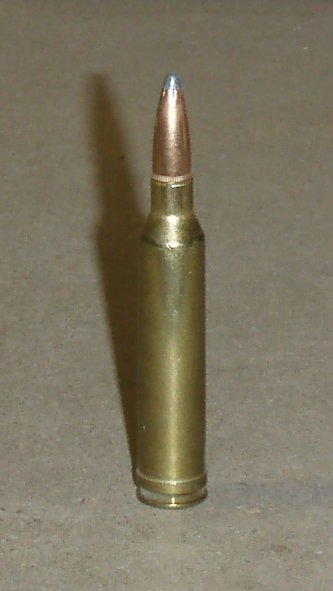
This entry is less about the chambering itself than how it is often loaded. The 7mm Remington Magnum is fully capable on elk with the right bullet, but it can become a poor elk and moose tool when paired with lighter, fast opening projectiles. One of the technical references singled out the combination of high velocity and 140 grain class bullets as a common source of field failures when impact speed is too high and penetration suffers.
That observation matters because it captures a broader truth about big-game cartridges: a rifle can struggle not because the case is weak, but because the bullet choice turns the system into a poor match for the animal. On elk and moose, a 7mm magnum loaded for shallow or violent upset behaves very differently from one loaded with a tougher, heavier bullet intended to stay on course through resistance.
Elk and moose cartridges are often discussed as if the answer lives in a single number, whether caliber, energy, or velocity. The reference material points in a different direction. Bullet construction, expansion threshold, penetration, and the ability to hold together when the shot is not perfect all matter more than shorthand rules. That is why these seven struggle. Not because they never work, but because they ask more of the hunter and leave less room for the animal’s size, toughness, and the ordinary unpredictability of the field.


