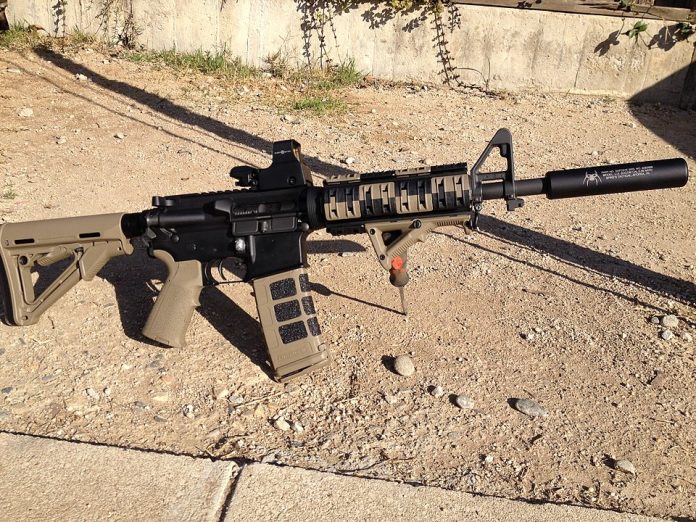
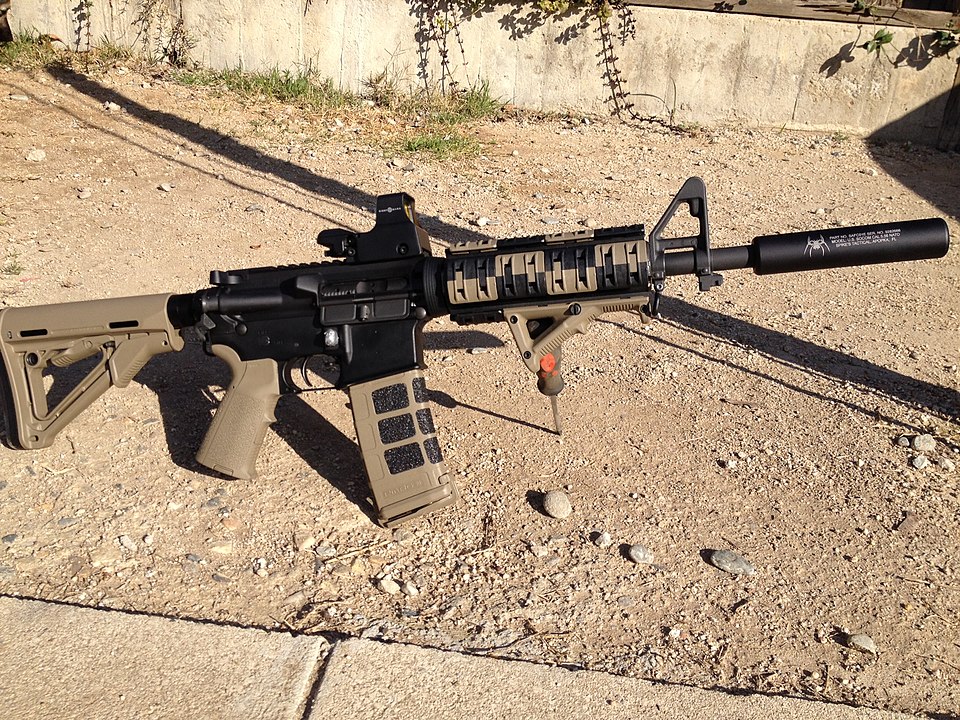
The AR-15 remains one of the most modular rifle platforms in the United States, and that flexibility is exactly why bad assumptions cause so much trouble. A rifle that accepts countless parts combinations can reward careful assembly and informed ammunition choices, but it also punishes guesswork. Some myths create stoppages. Others create unnecessary wear. A few drift into legal territory that owners should not treat casually. Here are seven of the most persistent misconceptions surrounding the AR-15 platform.
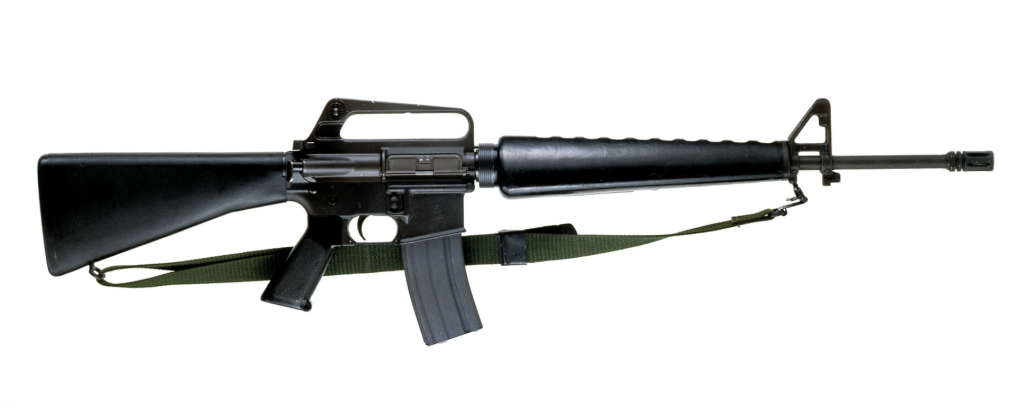
1. “An AR-15 is basically an M16 with the same capability”
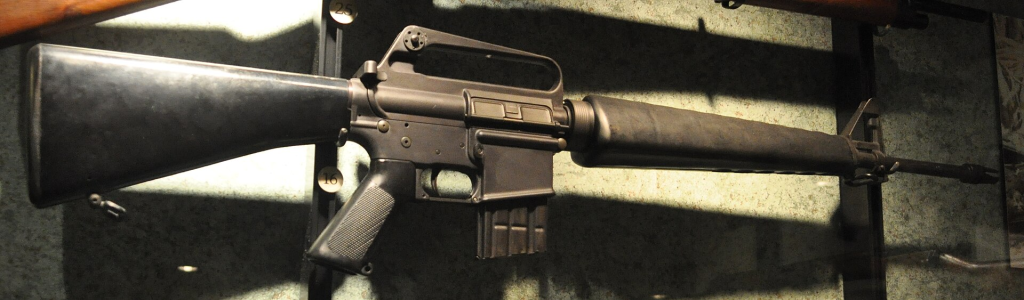
This is one of the most damaging misunderstandings because it confuses cosmetic similarity with mechanical and legal reality. Civilian AR-15 rifles are semiautomatic. M16-pattern rifles are select-fire systems built around different lower-receiver geometry and different fire-control components. The distinction is not academic; it is the dividing line between an ordinary rifle and a machine gun under federal law.
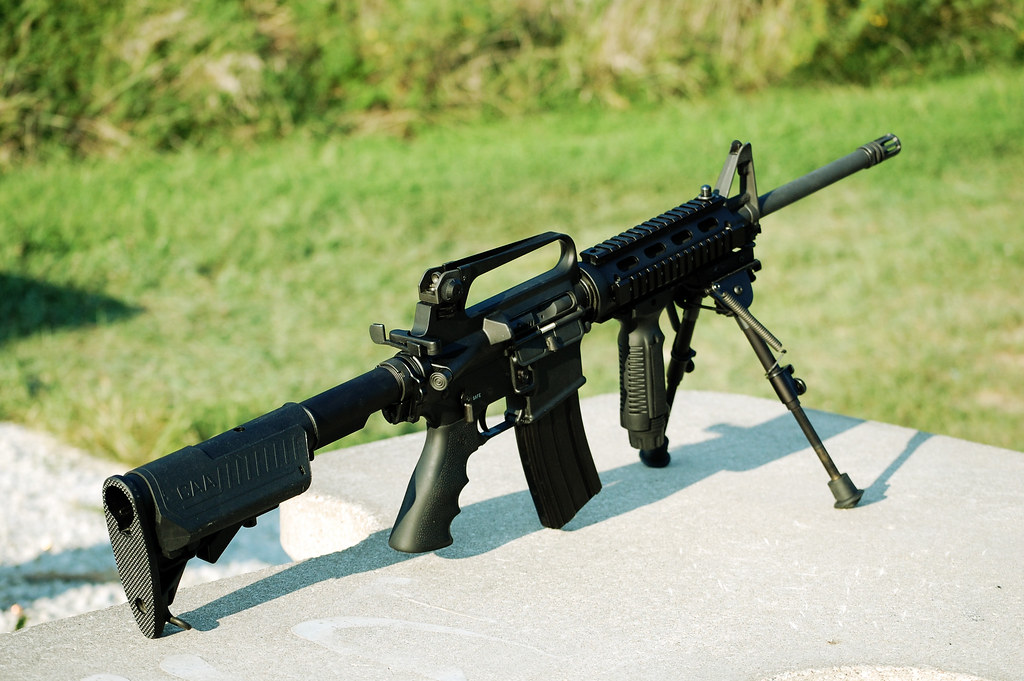
Reference material on select-fire differences between AR-15 and M16 platforms notes that an AR-15 lower does not simply become full-auto by swapping ordinary parts. The myth matters because owners sometimes assume military-style appearance, an M16-profile carrier, or clone parts make the rifle functionally equivalent. They do not. Treating those systems as interchangeable invites both mechanical confusion and legal exposure.

2. “If a part fits, it is safe and lawful to install”
The AR-15 aftermarket encourages experimentation, but compatibility is not the same thing as correctness. Some parts physically install while still creating reliability problems, improper timing, or legal concerns. A common example is the belief that any M16-labeled component automatically turns a rifle into contraband. That is false in the case of the bolt carrier group, which is commonly used in civilian rifles.
The real problem begins when owners stop distinguishing between normal compatibility and prohibited conversion intent. Discussion of receiver modifications required for auto sear installation shows why this myth has consequences. The platform tolerates many shared parts, but not every military-type component belongs in every legal or mechanical context.
3. “Building the upper is easy with basic hand tools”
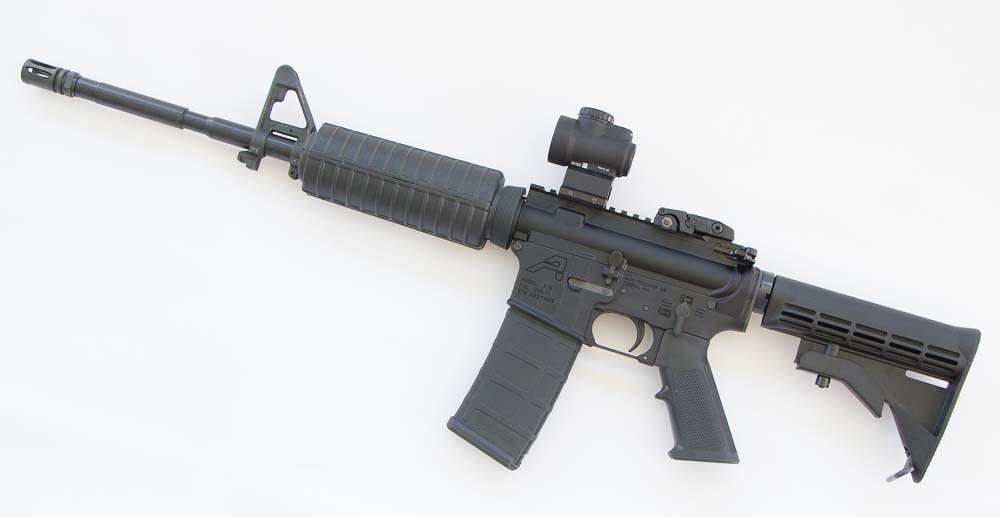
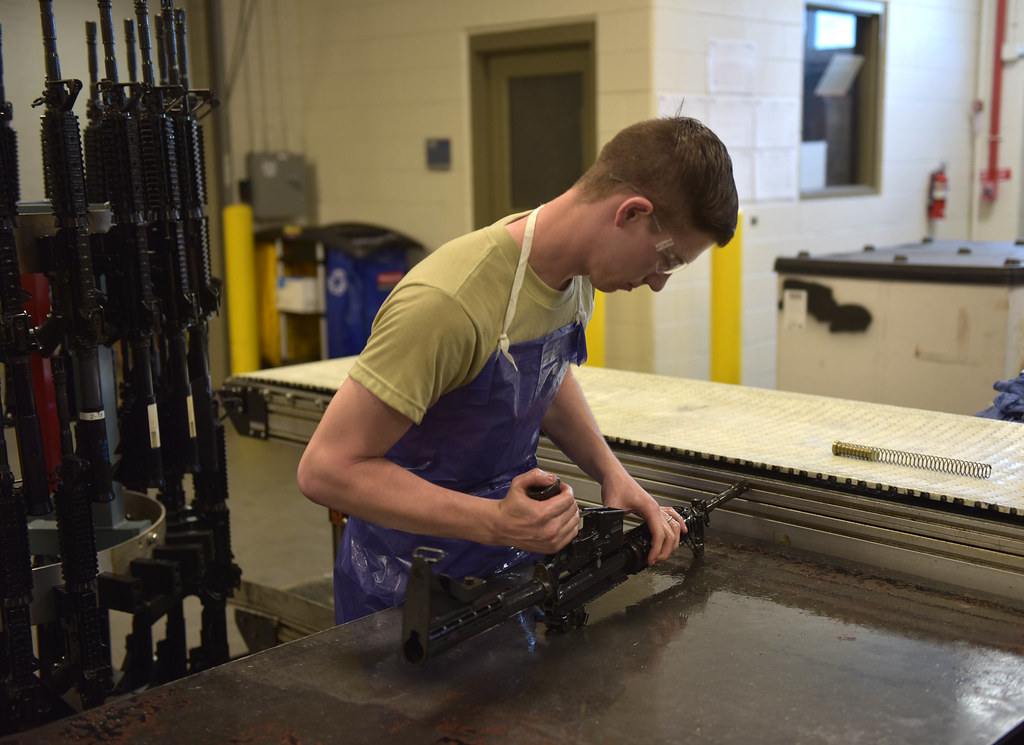
Lower assembly is often manageable for careful hobbyists. Upper assembly is where overconfidence starts breaking aluminum. Barrel nuts, gas alignment, receiver support, and torque procedure are not forgiving when improvised tools replace proper fixtures. Forum reports from AR builders repeatedly describe bent or cracked receivers, damaged finishes, and misaligned barrel installations after attempts to clamp uppers in wood blocks or generic vise jaws. The repeated lesson from common upper-assembly mistakes is simple: the right block, wrench, punches, and process are cheaper than replacing a ruined upper. A rifle can look assembled and still carry hidden alignment problems that later show up as failures to lock, failures to cycle, or poor accuracy.
4. “Small springs and pins are minor details”
The AR-15 platform hides much of its reliability inside tiny parts that are easy to mix up. Builders often underestimate how similar certain springs appear until the rifle starts acting strangely. Disconnector springs installed upside down, mismatched bolt-catch and disconnector springs, and damaged roll-pin areas are all recurring assembly errors.
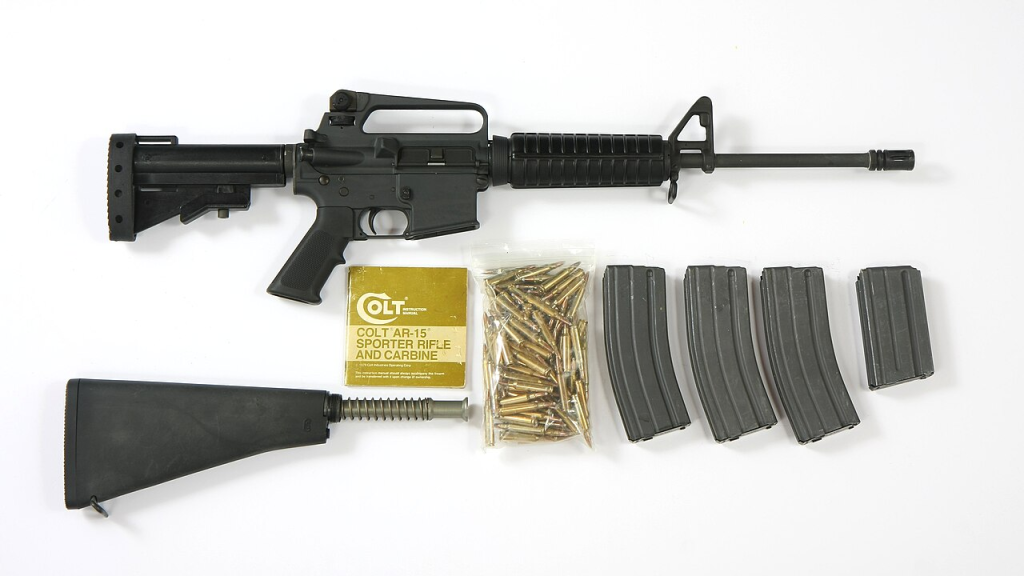
This myth leads to a particularly frustrating class of malfunctions because the rifle may not fail immediately. It may pass a bench check, then behave erratically at the range. Organizing parts by subassembly and verifying orientation before installation is not obsessive behavior on this platform. It is basic reliability insurance.
5. “Any .223 or 5.56 ammunition is interchangeable in any AR”
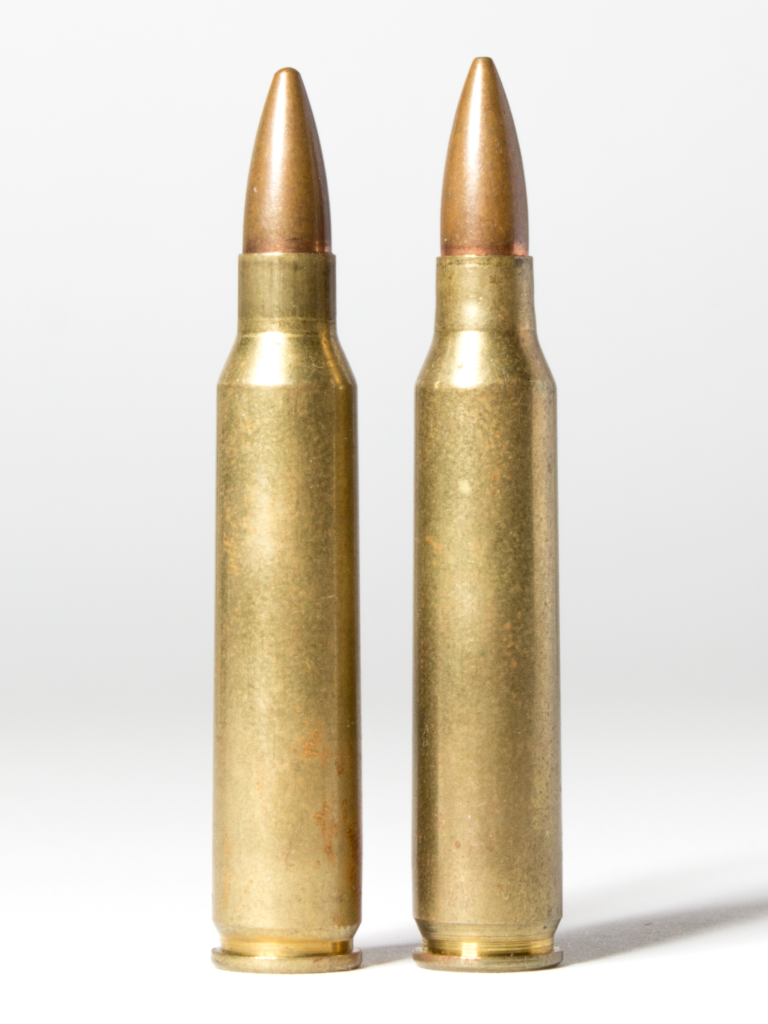
External cartridge similarity has encouraged years of careless advice. The more important issue is chamber specification. A rifle chambered for 5.56 NATO can generally handle .223 Remington, but a rifle with a .223 Remington chamber should not automatically be treated as safe for 5.56 NATO loads.
The reason is chamber geometry and pressure behavior, not appearance. Background material on .223 Remington and 5.56 NATO chamber differences explains why firing 5.56 in a .223 chamber can create overpressure concerns. This is one of the oldest AR myths because both rounds look nearly identical on the bench. The rifle does not care what they look like; it cares what chamber is cut into the barrel.
6. “Factory staking and gas-system details are not worth checking”
Short stroking is often blamed on ammunition first, when the rifle may be bleeding gas. One overlooked culprit is the carrier key. If the key screws loosen, gas escapes before it can drive the action with full force. The result can be sluggish cycling, intermittent failures, and a rifle that becomes less trustworthy as round count rises.
Technical guidance on proper gas key staking highlights how preventable this problem is. On a direct-impingement rifle, gas sealing is not a cosmetic issue. It is central to function. Owners who assume every carrier arrives perfectly staked or that a loose key is harmless often discover the problem only after repeated stoppages.
7. “Storage and defensive setup are separate from rifle safety”
Mechanical reliability is only one part of responsible ownership. An AR-15 that runs perfectly can still create avoidable risk if it is stored carelessly or configured around myths about indoor use. Research summarized by the BulletPoints Project states that safe storage reduces unauthorized access risk, especially in homes with children or other vulnerable occupants.
The same principle applies to ammunition assumptions. Testing on interior wall penetration consistently shows that misses can travel through common residential barriers, and even effective loads behave very differently depending on construction materials and target impact. That makes secure storage, controlled access, and realistic understanding of ammunition behavior part of the same safety conversation as torque values and spring orientation.
The AR-15 is not unusually fragile, but it is unusually exposed to folklore. Myths around military equivalence, easy home assembly, ammunition interchangeability, and ignored maintenance points can all turn a dependable rifle into a troublesome one. Most of these problems begin before the first shot. They start at the workbench, in the parts bin, or in the assumptions an owner brings to the platform.


