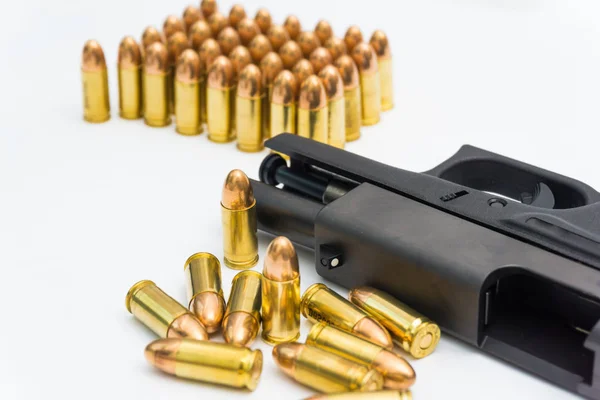

Ballistic gelatin remains one of the most useful tools in terminal ballistics. It is standardized, repeatable, and transparent enough to show penetration depth, bullet upset, and wound track behavior in a way that can be measured from one test to the next. That usefulness also creates confusion. The FBI protocol was built to compare handgun ammunition under controlled conditions, not to serve as a literal preview of what a bullet will do in a living body. The gap between those two ideas is where many popular claims go wrong.
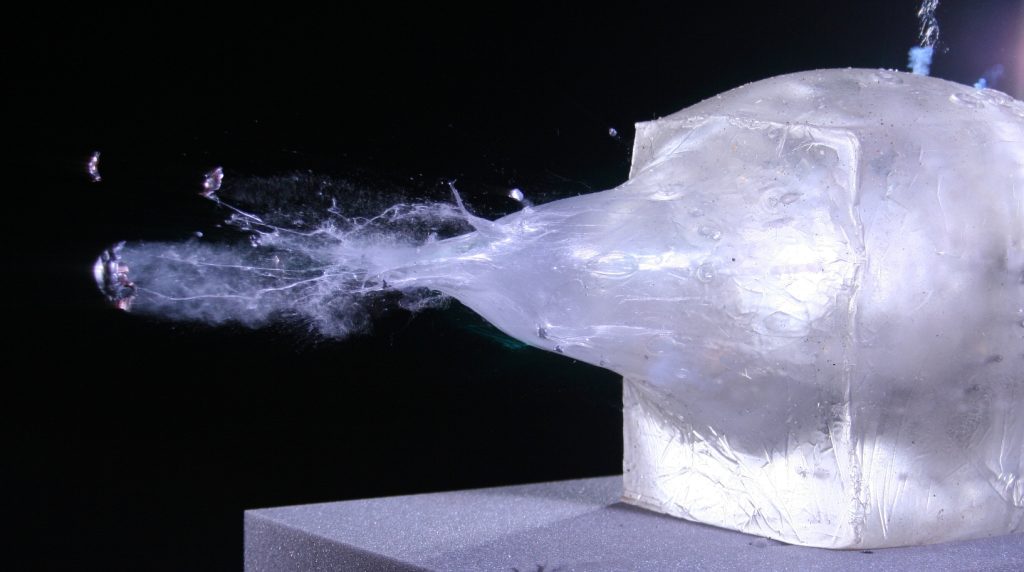
1. Gel is a soft-tissue surrogate, not a whole-body model
The core FBI setup uses 10% ordnance gelatin as a tissue simulant. That matters because the material is designed to approximate soft tissue behavior, not skin, bone, tendons, cartilage, organs, or the layered structure of an actual human target. A person is not a uniform block. Real anatomy stacks skin over fat, muscle, fascia, vessels, and sometimes bone before a bullet ever reaches a vital structure. The large review of tissue surrogates notes that ballistic gelatin works best as a general replacement for soft tissues, but it fails to represent harder tissues such as bones, tooth enamel, cartilage, and joints. When a test medium leaves out those structures, it can reveal consistency in bullet behavior while still missing the mechanical complexity that drives actual injury.
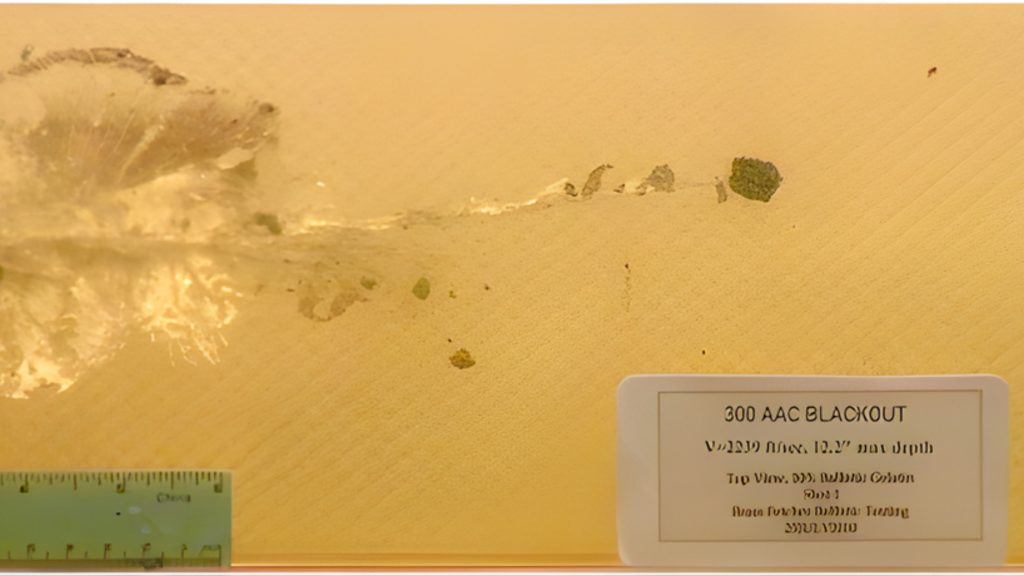
2. Calibration is about consistency, not realism in every detail
Much of gelatin’s credibility comes from strict calibration. Under the FBI method, a .177-inch steel BB at 590 fps ± 15 fps should penetrate within a narrow range, confirming that the block was mixed and stored correctly. That procedure is valuable because it keeps one lab’s block from being much softer or harder than another’s. But calibration only proves the block behaves like the accepted standard. It does not prove that every inch of penetration in gel has a direct inch-for-inch meaning in a body, and it does not turn a homogeneous block into a living anatomical system.

3. The FBI test measures penetration through barriers, not “damage” by itself
The FBI protocol records penetration depth, bullet expansion, and retained weight across a series of events, including barriers such as clothing and laminated automobile safety glass. Those are engineering-style performance metrics. They are not the same thing as medical outcome metrics. Wound ballistics literature separates permanent cavity, temporary cavity, deformation, fragmentation, and tissue elasticity because injury depends on which tissues are struck and how those tissues respond. A bullet that looks impressive in gel may pass through elastic tissue with less lasting disruption than expected, while a less dramatic track can become severe if bone, dense organs, or critical vessels are involved.
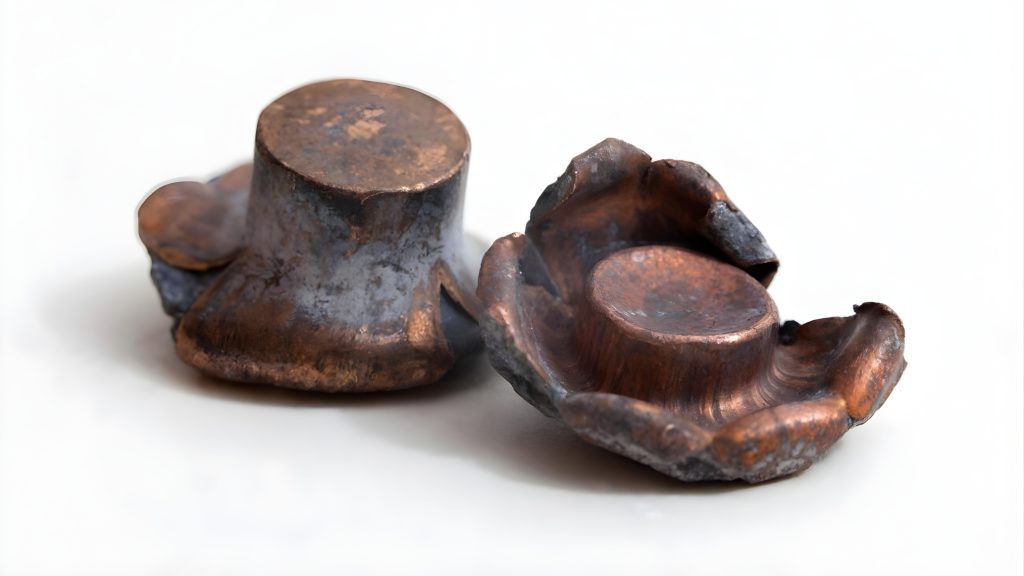
4. Human tissue reacts differently because elasticity changes everything
One of the clearest limitations of gel is that living tissues stretch, rebound, tear, bleed, and fail differently depending on what they are made of. According to the review article, nonelastic materials such as clay and soap exaggerate cavity effects, while properly prepared gelatin is preferred because it better captures soft-tissue behavior. Even then, real anatomy remains more heterogeneous and biologically active than any uniform block.
This is why “damage” is not a fixed number. Elastic tissue can be displaced and then rebound. Inelastic tissue, including bone and liver, is more likely to fracture or rupture. The same handgun bullet can therefore produce very different injury patterns depending on angle, tissue type, path length, and whether it destabilizes before or after striking a denser structure.
5. The 12-to-18-inch standard is a penetration window, not a wound formula
The widely repeated FBI benchmark is often treated like a prediction engine. It is better understood as a design target for adequate penetration in a controlled medium. Gel testing helps determine whether a handgun bullet can drive deep enough after common barriers, but it does not convert neatly into claims about how much skin, bone, or muscle the same bullet will defeat in a specific person.
That distinction matters because penetration is only one part of terminal effect. The broader wound-ballistics framework emphasizes that tissue disruption depends on the amount and location of crushed and stretched tissue, projectile shape, yaw, deformation, fragmentation, and the characteristics of the tissue struck. Gel helps compare those tendencies. It does not collapse them into a single prediction of “real handgun damage.”
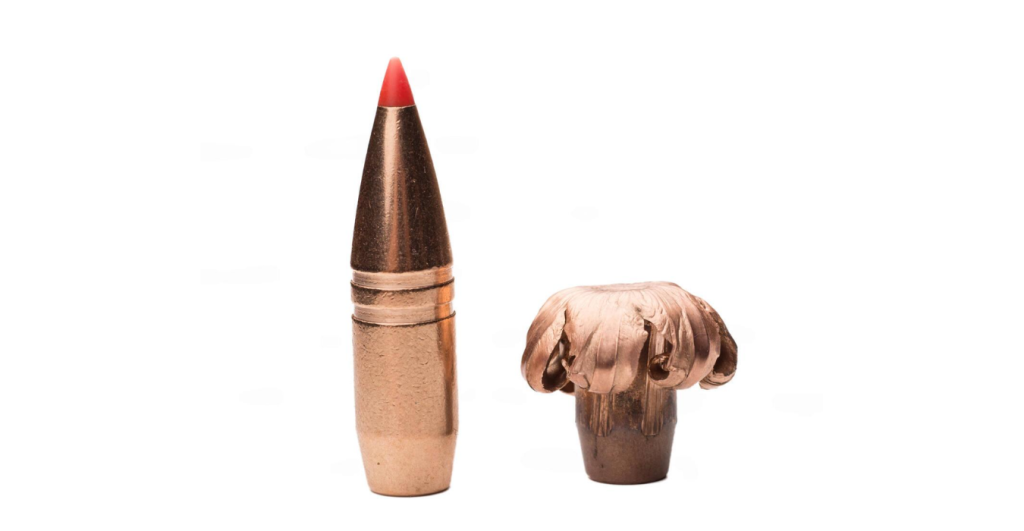
6. Realistic models usually become more complex than bare gel blocks
Researchers trying to get closer to real injury mechanics often move beyond plain gelatin. The scientific literature describes mixed models that embed animal bone or organs in gel, fabric-covered blocks that change projectile behavior, synthetic polymers used to represent skin or bone, and even computational models built for more complex anatomy.
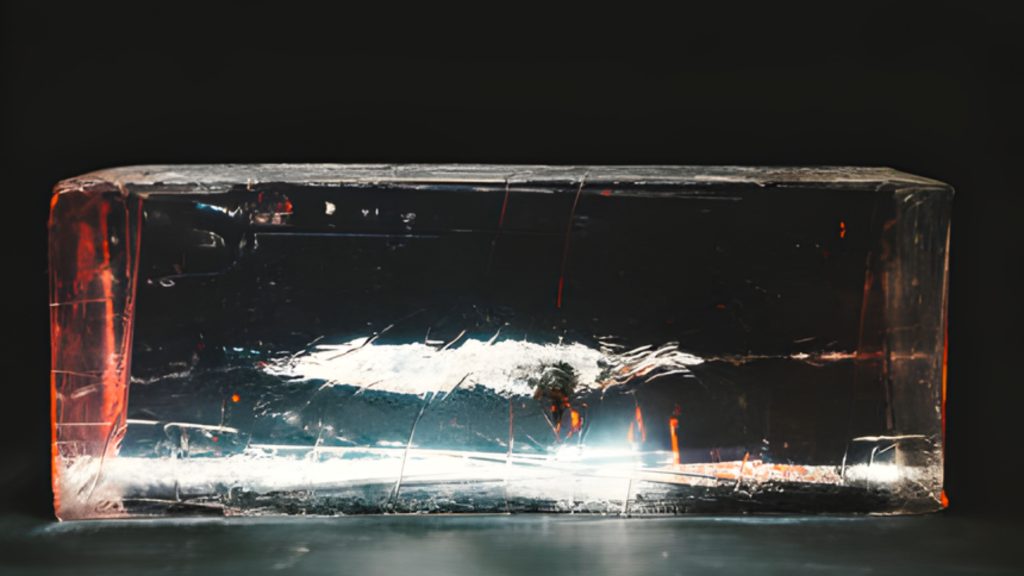
That trend says a lot by itself. If bare FBI gel already predicted real-world handgun damage with high fidelity, there would be less need to add ribs, lungs, skin substitutes, or more advanced simulations. The continued use of those hybrid methods shows that standard gel is a baseline tool, not a complete replica of human injury.
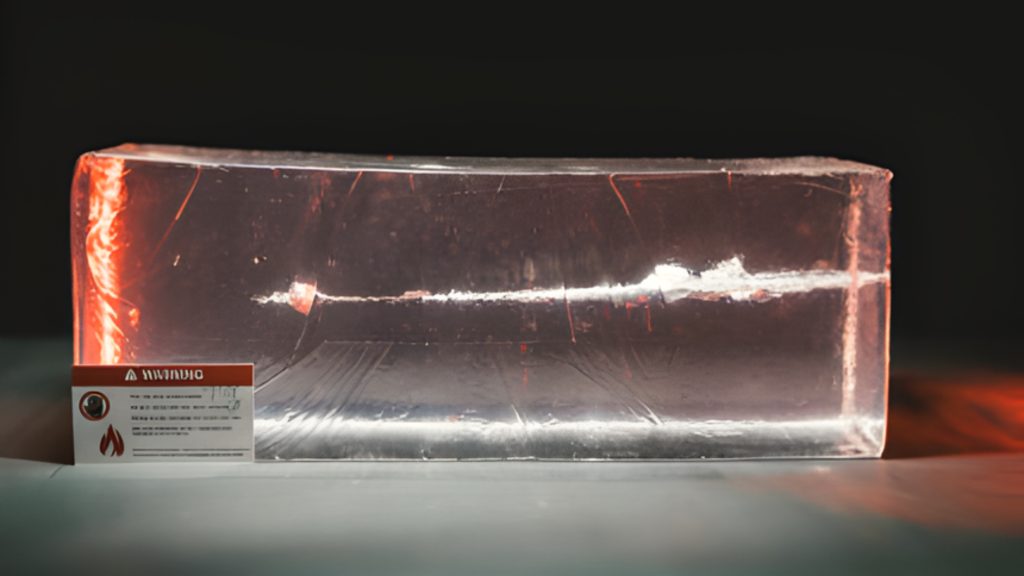
7. Gel is best at comparison, not certainty
Ballistic gelatin remains indispensable because it makes repeatable comparison possible. The review on tissue surrogates describes it as the current gold standard for soft-tissue simulation precisely because it can be standardized far more easily than cadavers or animal parts. That strength is also its limit. By stripping away anatomical variability, gel makes ammunition easier to compare but real wounds harder to predict.
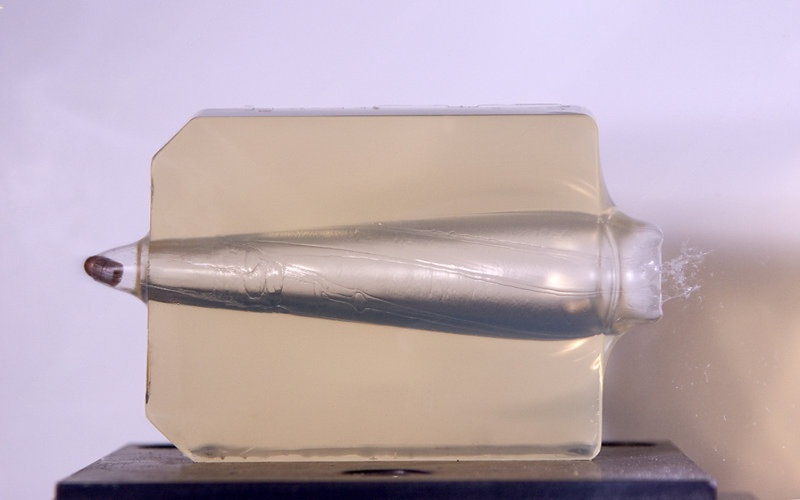
FBI gel tests can show whether one handgun load penetrates more deeply, expands more reliably, or holds together better than another under the same setup. They cannot tell, in any exact sense, what “real handgun damage” will look like once skin, bone, organ density, shot angle, and individual anatomy enter the picture. That is why the FBI test remains useful without being literal. It is a controlled measuring stick for bullet behavior in a soft-tissue simulant. It is not a stand-in for the human body, and it was never meant to be one.


