Big-game cartridge debates often drift toward raw numbers, reputation, and old campfire certainty. In practice, a cartridge’s usefulness on large animals depends less on label-driven confidence and more on bullet construction, recoil management, shot angle, and the distance at which the bullet still performs as intended. That matters because several familiar chamberings get talked up as if they erase field limitations. They do not. Some can work in disciplined hands, but that is different from being broadly forgiving on elk-sized animals, moose, or similarly heavy game.
1. .223 Remington
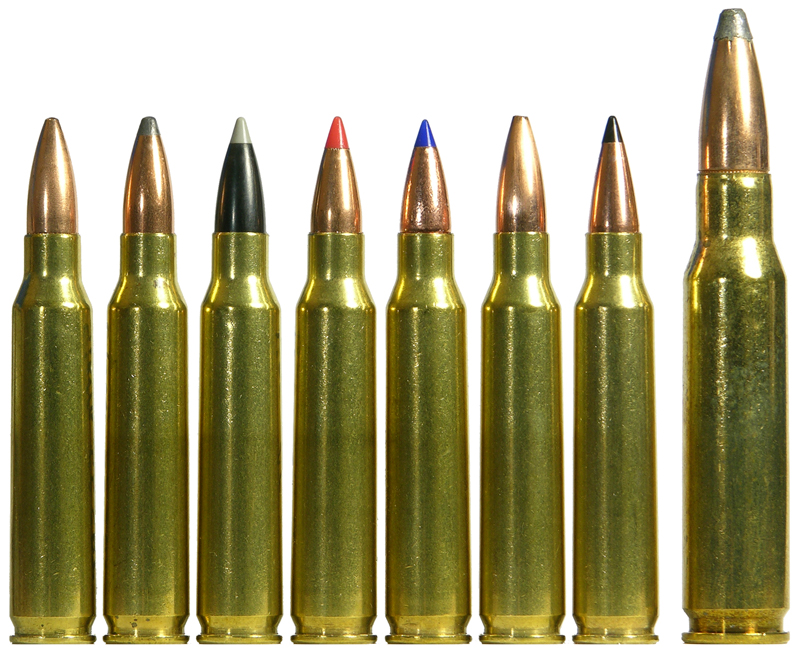
The .223 is the easiest example of a caliber that gets two very different reputations at once. One camp dismisses it outright, while another treats modern bullets as proof that it is all a hunter needs for big game. The more accurate view sits in the middle. With heavy-for-caliber bullets and the right twist rate, the cartridge has produced notable results, including 77-grain Tipped MatchKing use on bear and deer. Even so, successful use does not make it broadly forgiving.
Its real limitation is margin. On deer-sized game, experienced hunters have described it as viable when the bullet expands reliably and penetrates through the lungs, but they also note that it shines most on restrained shots and broadside presentations. Once angles worsen, distances stretch, or bone becomes part of the equation, the .223 stops looking versatile and starts looking narrow. Hunters who overestimate it usually confuse “capable” with “ideal.”
2. .243 Winchester
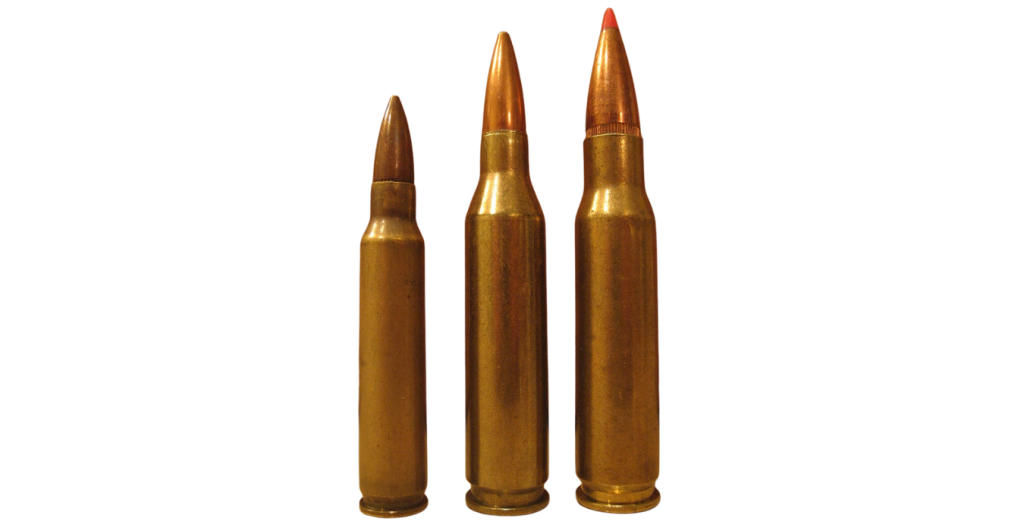
The .243 has likely taken more large animals than critics admit, but that history often gets turned into something larger than it deserves. Anecdotal accounts of elk and moose taken with 100-grain bullets exist, including close-range broadside lung shots on moose. What those stories usually share is not magic terminal effect. They share careful shot selection.
That is the key distinction. The .243 can kill beyond its paper reputation, but it gives away frontal area, bullet weight, and impact authority compared with larger hunting rounds. On heavier animals, it leaves less room for quartering shots, shoulder impacts, and hurried field decisions. Hunters who treat it like a general-purpose big-game cartridge often lean too hard on isolated success stories and not enough on the conditions that made those shots work.
3. 6.5 Creedmoor
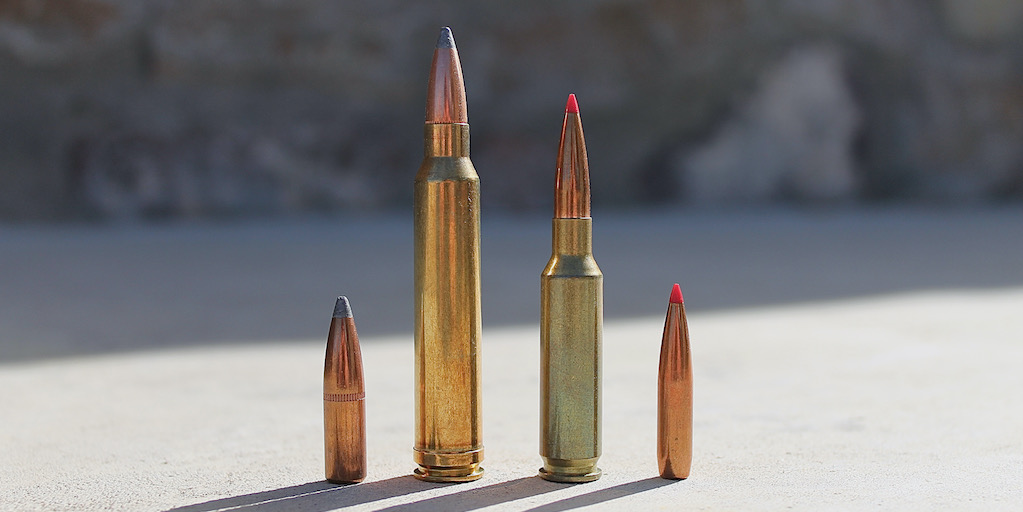
The 6.5 Creedmoor became so popular so quickly that some hunters began speaking about it as though it solved every big-game problem from antelope to elk. It is accurate, easy to shoot well, and far more useful than many traditionalists first claimed. That still does not make it immune to overestimation.
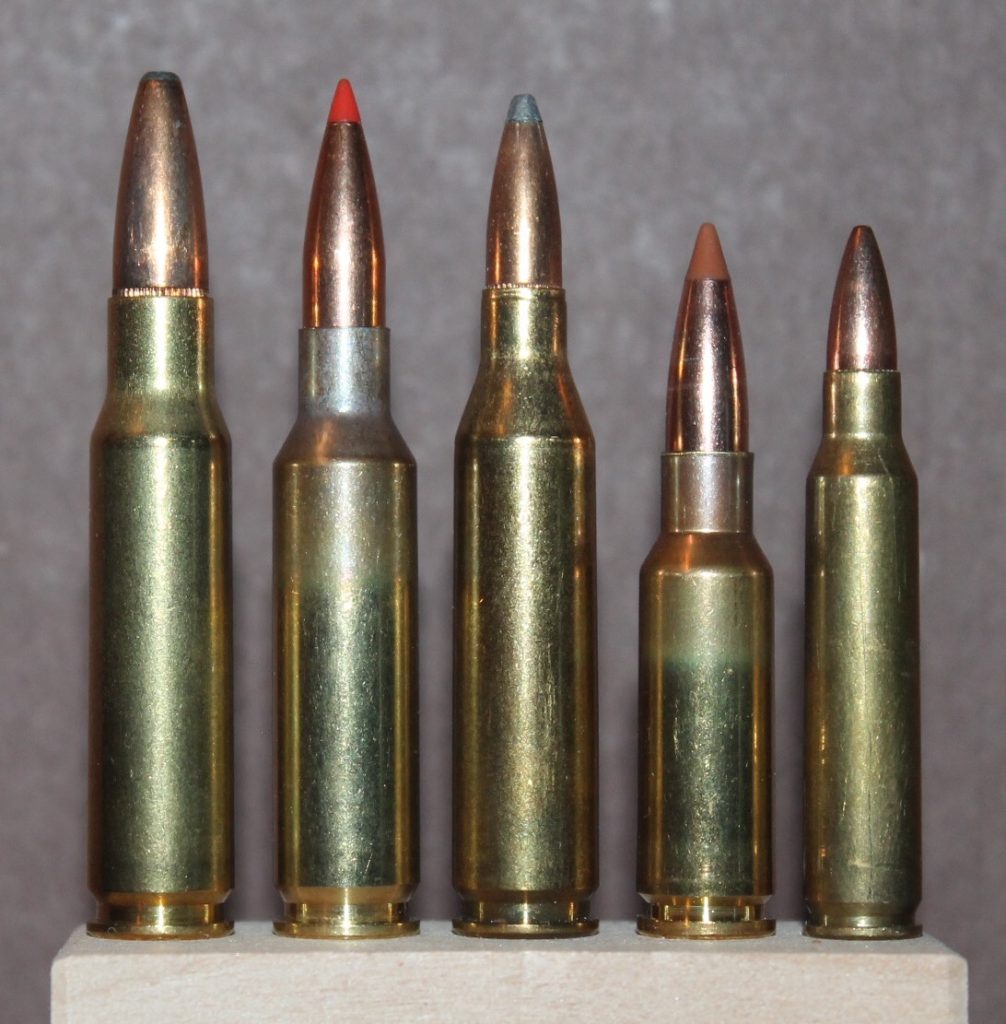
Its reputation often gets inflated by the idea that excellent target manners automatically translate into endless hunting latitude. They do not. The Creedmoor performs best when paired with controlled-expansion bullets and sensible distances, yet public discussion often centers on how flat and efficient it looks on paper. That type of praise can encourage hunters to push range and shot angle beyond the cartridge’s most reliable window, especially on larger-bodied game where bullet behavior matters more than hype.
4. 7.62×39
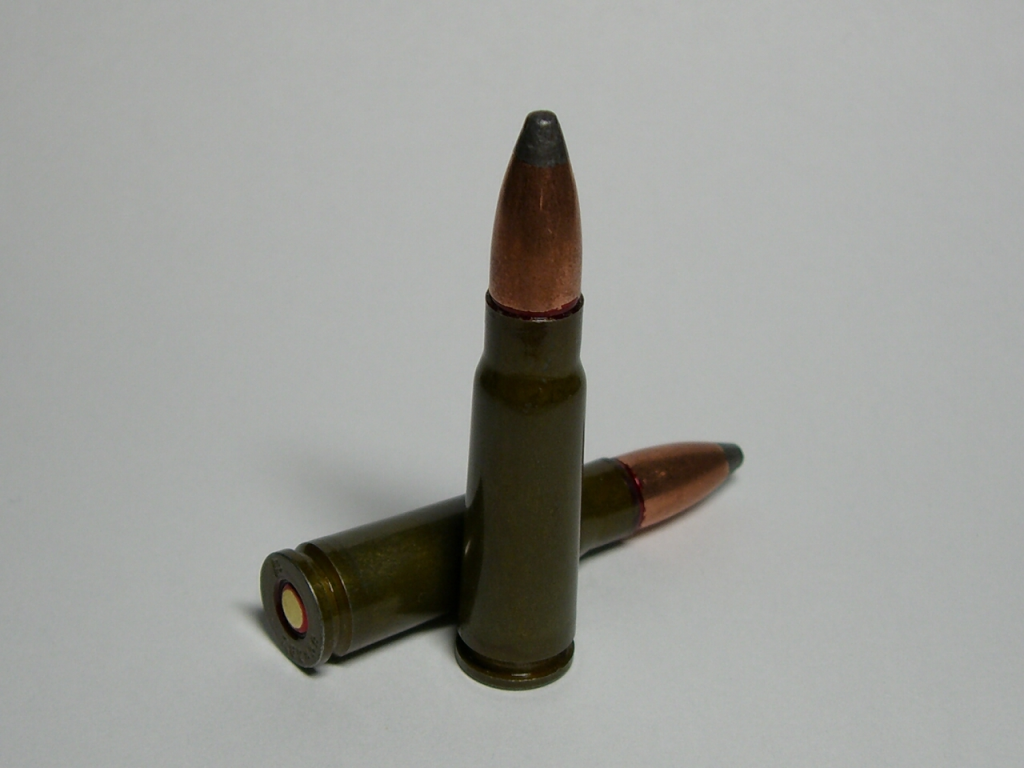
The 7.62×39 is sometimes treated as a secret big-game bargain because it throws a heavier bullet than .223-class cartridges and can retain about 1,000 foot-pounds beyond 100 yards. That number sounds reassuring, but energy figures alone do not settle the question. Trajectory is relatively arched, sectional density is modest, and common loadings are not all built for deep, reliable penetration on larger game. With purpose-built hunting bullets, it can be adequate on deer and hog-sized animals. On bigger-bodied game, though, the cartridge asks for restraint. Hunters who overestimate it often focus on caliber diameter and muzzle punch while ignoring the narrower lane in which it performs cleanly.

5. .30-30 Winchester
The .30-30 remains one of the most proven woods cartridges ever made, and that long record can blur the line between respect and overstatement. At moderate range it works extremely well, especially on deer-sized game. The problem begins when tradition gets mistaken for broad-spectrum authority on big game.
Its strengths are handiness, manageable recoil, and dependable close-range performance. Its weaknesses are just as clear: limited reach, modest velocity, and less flexibility when heavier bone or difficult angles enter the picture. On large animals in thick cover, it can still be effective, but only when the hunter stays inside the cartridge’s old-fashioned operating envelope. The overestimation comes when nostalgia stretches that envelope too far.
6. .25-06 Remington
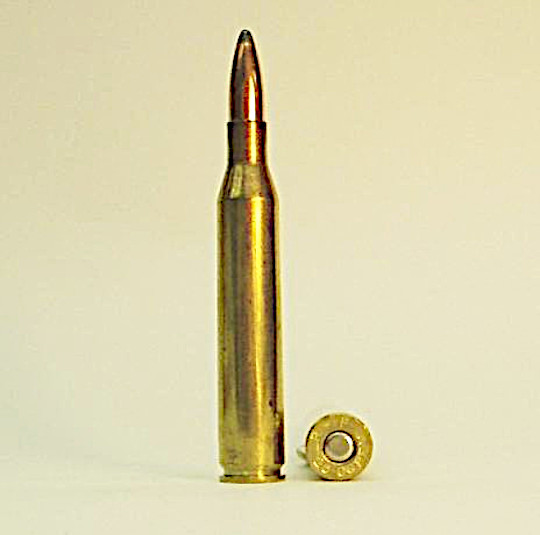
The .25-06 has a loyal following because it shoots flat, carries mild recoil for its speed, and handles deer very well. Those same traits can lead some hunters to promote it as a larger-game hammer simply because it reaches far and lands fast. Flat trajectory can hide what the bore size still is. The cartridge relies on bullet selection and precise placement rather than brute diameter or heavy bullet weight. On larger animals, especially when impact angles are not ideal, that matters. A hunter can absolutely use a .25-06 well, but there is a difference between a disciplined specialist’s choice and a forgiving all-conditions big-game round. That gap is where overconfidence creeps in.
7. .308 Winchester
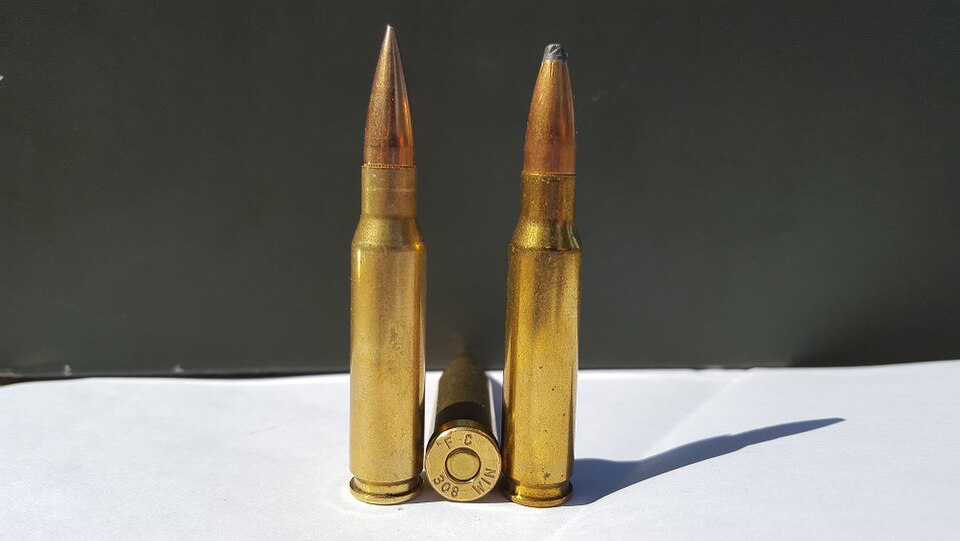
This one stands out because the .308 is undeniably a serious hunting cartridge. It belongs on big game. Yet it still gets overestimated when hunters speak about it as if its broad usefulness removes the need to think about range, bullet design, or terminal behavior. The .308’s mild-to-moderate recoil, compact rifle compatibility, and accuracy make it easy to trust. That trust can become excess confidence, especially when hunters assume any .30-caliber load is enough for any angle on any large animal. It is versatile, not unlimited. The difference matters most when heavier game, longer distances, or tough shot presentations make bullet construction more important than caliber name.
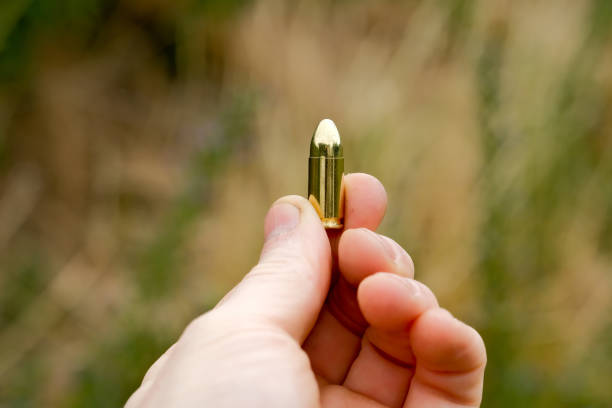
The common thread with all seven cartridges is not that they fail. It is that their reputations sometimes outrun their practical margin on large animals. A cartridge can be effective and still be easy to overrate. Big-game performance starts with penetration through vital anatomy, not mythology around energy numbers or internet certainty. As Ron Spomer argued in his discussion of the “killing-energy” myth, bullets kill by disrupting vital organs, not by carrying a magical number on a ballistics chart. That reality tends to shrink exaggerated cartridge claims very quickly.


