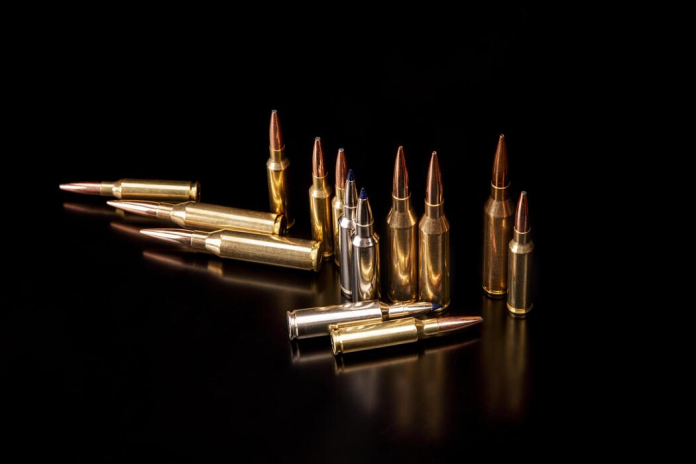
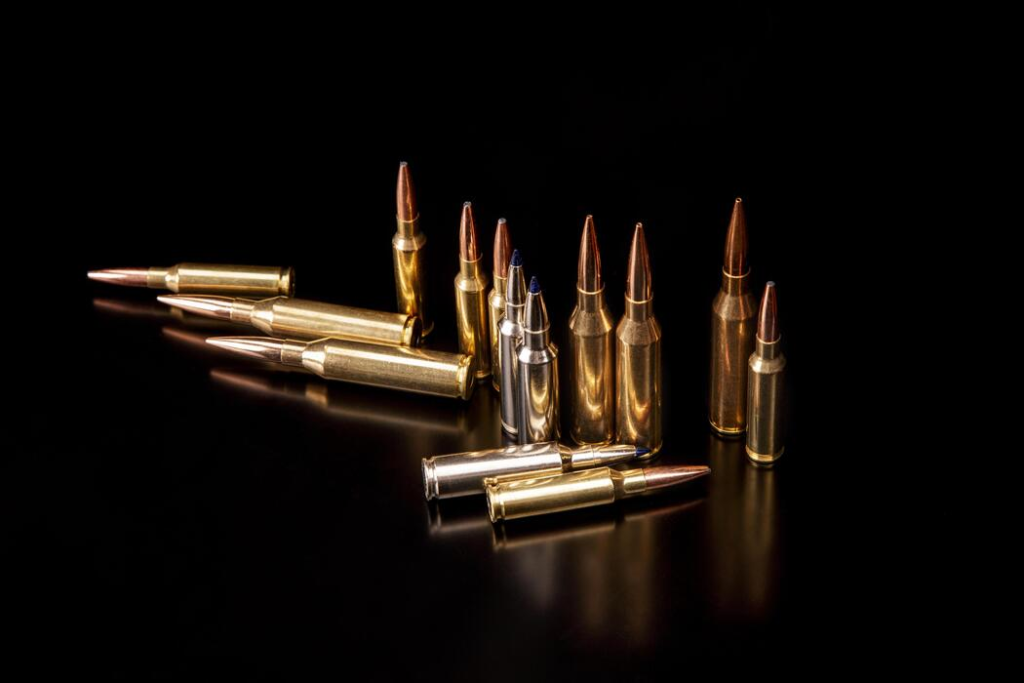
Wind is where clean ballistic charts stop being theoretical. Drop can be dialed. Distance can be ranged. A shifting crosswind is the part that still forces shooters to lean on cartridge choice, bullet design, and honest limits.
The cartridges below have earned a following because they reduce wind drift better than many common alternatives. Some do it with speed, some with high-BC bullets, and some by balancing recoil well enough that shooters can spot misses and correct quickly. None eliminates wind. They simply make it less punishing.
1. 6.5 PRC
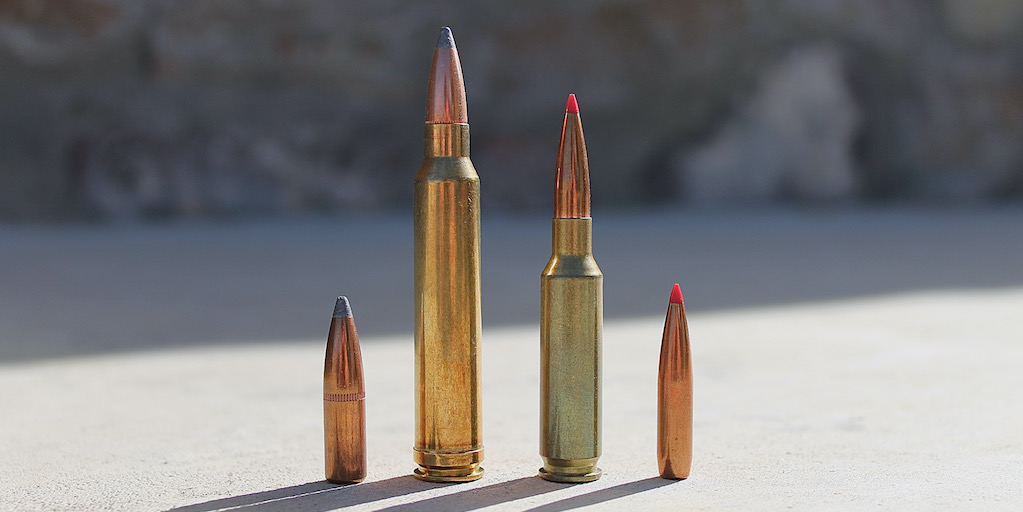
The 6.5 PRC sits near the top of the practical field list because it combines modern 6.5mm bullet shapes with magnum-like speed. In average 10 mph crosswinds, 6.5 PRC drifts 13.2 inches at 500 yards and 62.3 inches at 1,000 yards, which puts it well ahead of many mainstream long-range hunting rounds.
That performance is why it shows up so often in conversations about serious wind. It gives shooters a flatter trajectory than a Creedmoor and noticeably less lateral movement once distances stretch. The tradeoff is barrel life. Shooter reports commonly place practical barrel life around 1,100 to 1,500 rounds, though forum users have also reported accurate barrels lasting far longer when heat is managed carefully.
2. 6.5 Creedmoor
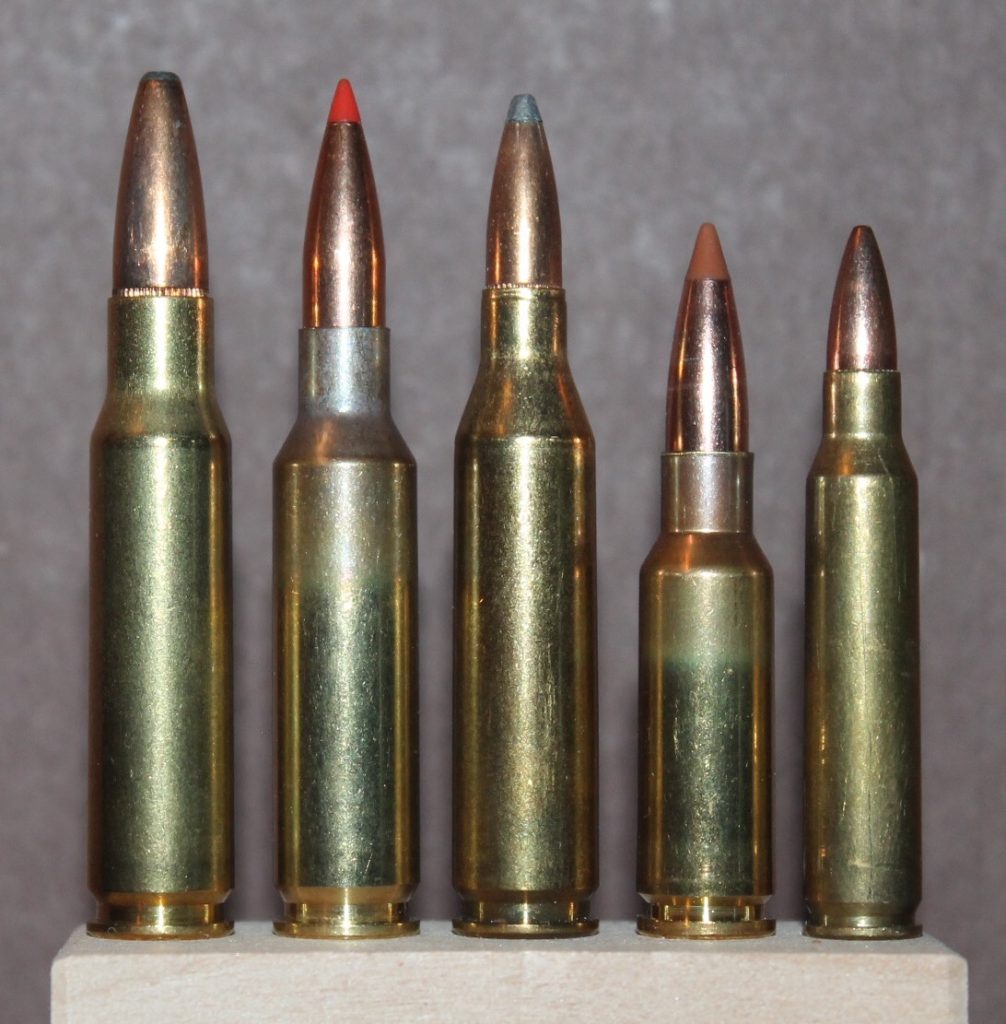
The 6.5 Creedmoor remains a trusted wind cartridge not because it dominates every category, but because it does many things well at once. Average drift figures of 16.1 inches at 500 yards and 76 inches at 1,000 yards keep it comfortably ahead of .308 Winchester in most like-for-like long-range work.
Its real strength is efficiency. It offers less recoil than larger rounds, broad bullet selection, and enough aerodynamic 6.5mm projectiles to stay competitive when the air starts pushing. Compared with .308, ballistic comparisons consistently show the Creedmoor holding an edge in wind drift, flatter flight, and easier shot-to-shot recovery.
3. .28 Nosler
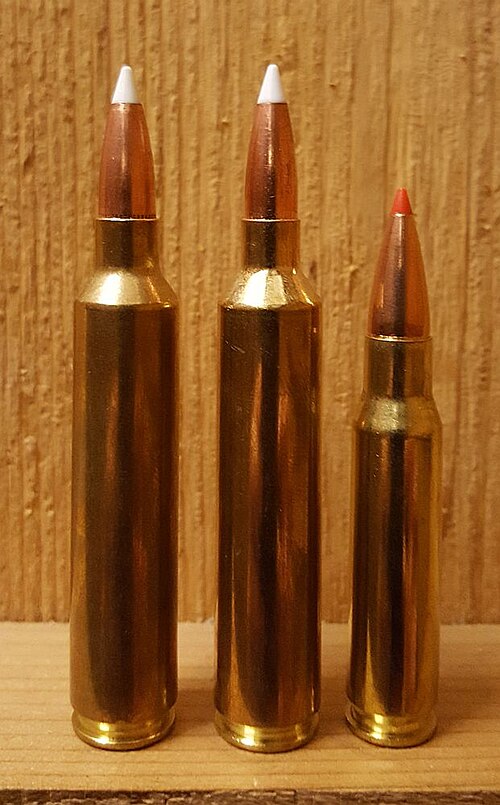
Few cartridges have built a stronger reputation for raw wind resistance than the .28 Nosler. Average numbers from broad load comparisons show 12.3 inches of drift at 500 yards and 56.6 inches at 1,000 yards in a 10 mph full-value wind. That places it among the elite options when the goal is to minimize correction. Its appeal is straightforward: fast 7mm bullets with strong ballistic coefficients spend less time in the wind and carry shape well at long range. The cost is greater recoil and a less forgiving shooting rhythm than mid-capacity cartridges, so it tends to reward experienced shooters behind heavier rifles.
4. 7mm Remington Magnum
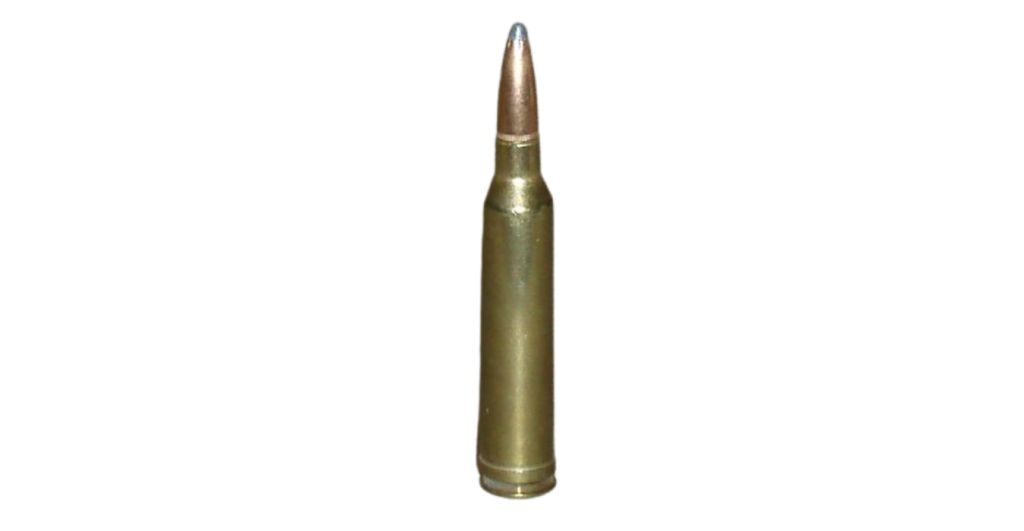
The 7mm Remington Magnum remains relevant because it still does the hard part well. Despite its age, average drift figures of 14.5 inches at 500 yards and 69 inches at 1,000 yards keep it firmly in the conversation for wind-conscious shooters. Its enduring advantage is that it launches sleek 7mm bullets fast enough to stay competitive without requiring the newest cartridge design. It has long been a crossover choice for hunters and long-range shooters who want real wind performance with established rifle availability and deep load history.
5. 6.8 Western
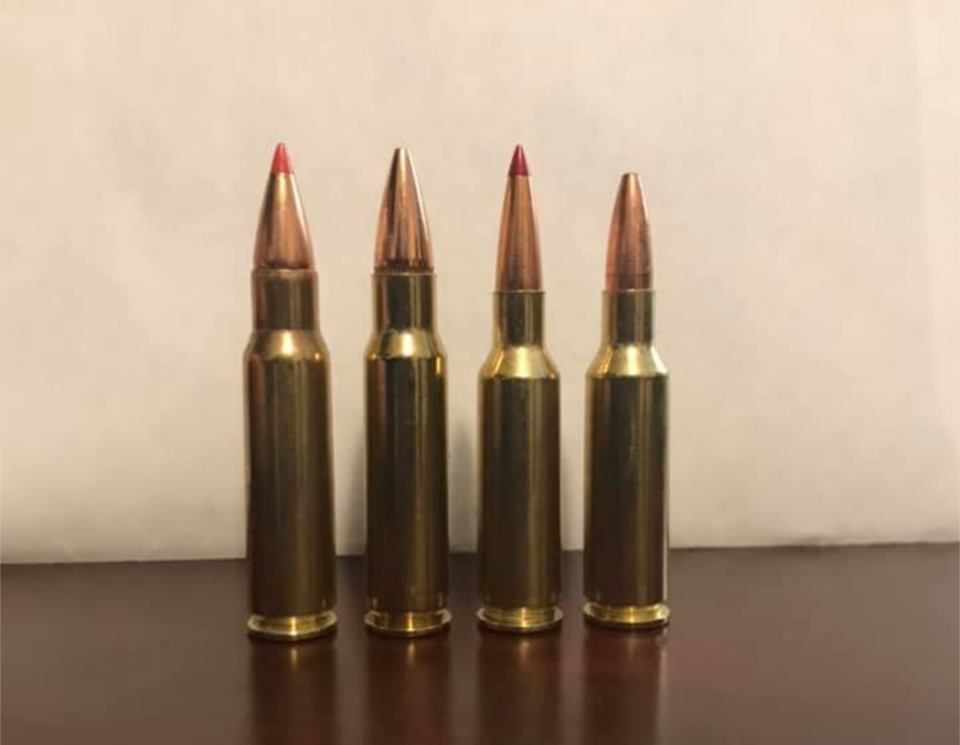
The 6.8 Western was built around heavy-for-caliber, high-BC .277 bullets, and that design goal shows up in the wind. Average comparisons put it at 14.8 inches of drift at 500 yards and 69.8 inches at 1,000 yards.
What makes it interesting is that it brings traditional .270 bore diameter into a more modern long-range conversation. It does not rely purely on velocity. Instead, it leans on bullet form and retained efficiency, giving shooters another option between classic .270s and the better-known 6.5 and 7mm crowd.
6. 6mm ARC
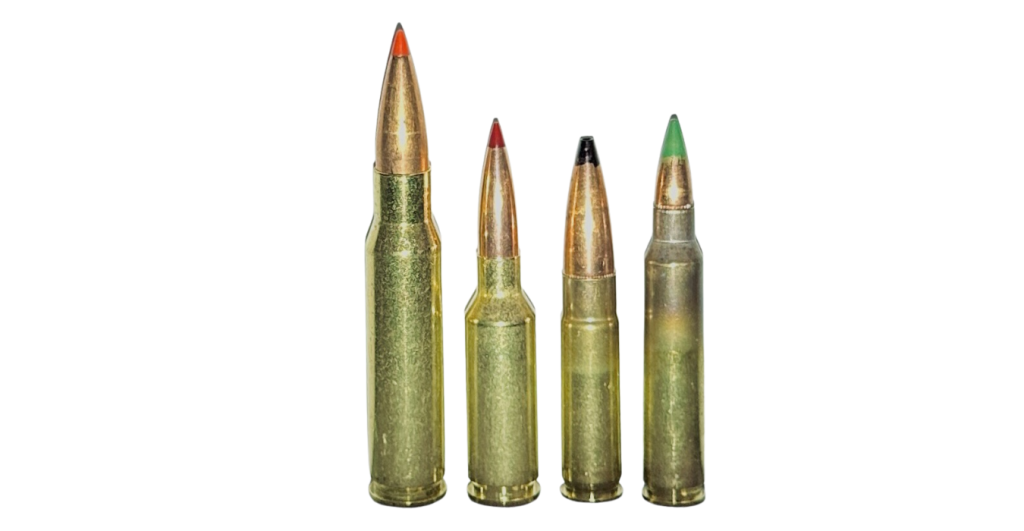
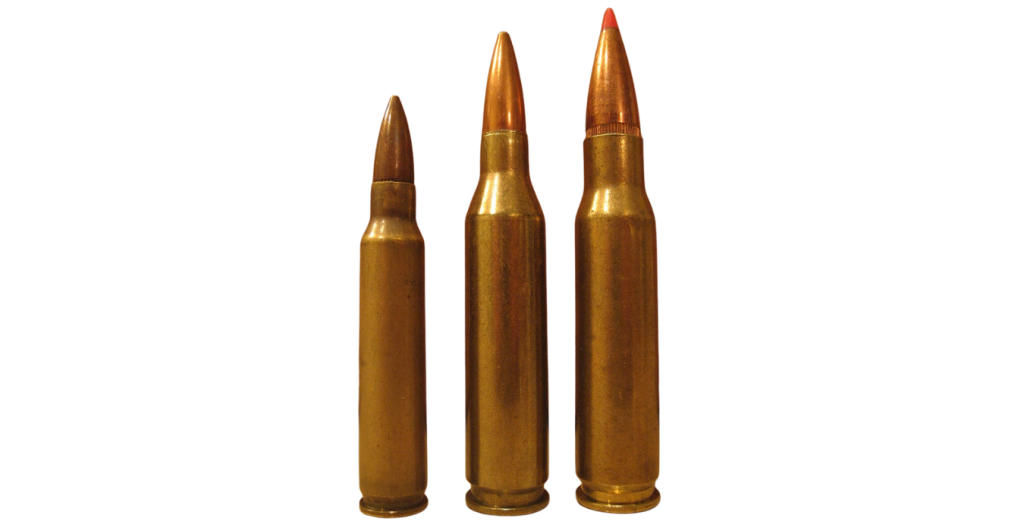
The 6mm ARC has become a serious wind cartridge for shooters who want AR-15 compatibility without giving away too much at distance. Factory and technical references describe about 15.7 inches of wind drift at 500 yards with a 108-grain ELD-M in a 10 mph crosswind, a figure that makes clear why precision gas-gun shooters pay attention to it.
It works because the cartridge can drive long, efficient 6mm bullets at useful speed from practical barrel lengths. References also note a typical muzzle velocity just over 2,700 fps, with many 103- to 108-grain loads pushing faster depending on barrel length. That gives the 6mm ARC a flatter, more forgiving feel than 5.56 NATO once targets move past ordinary distances.
7. .243 Winchester
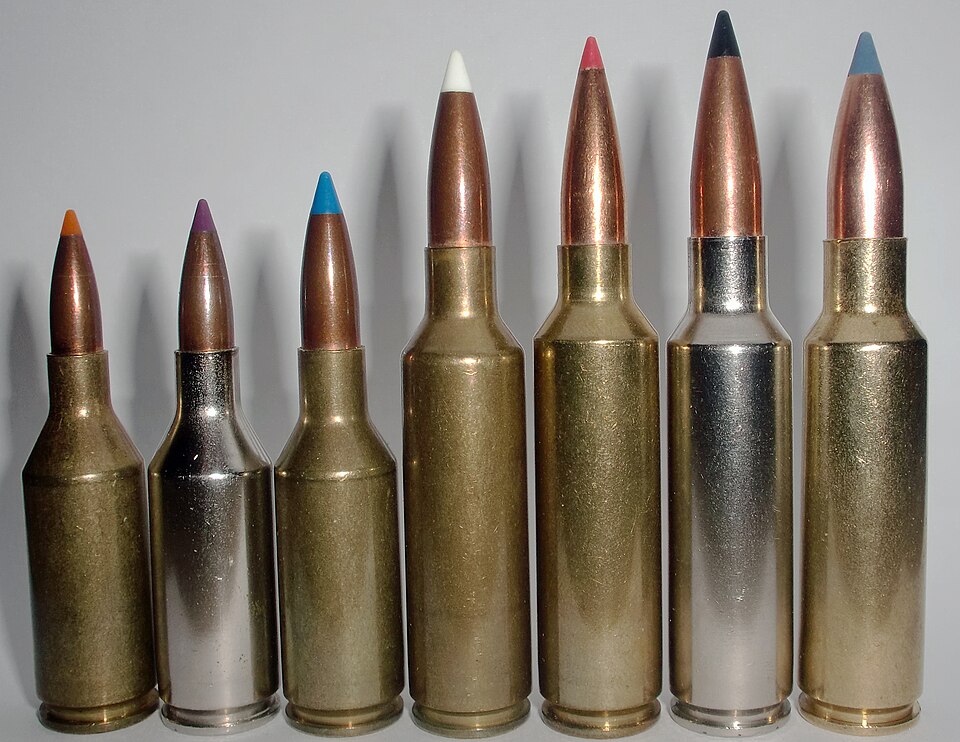
The .243 Winchester rarely gets the same modern hype as newer precision cartridges, but the wind numbers remain respectable. Average drift sits around 19.5 inches at 500 yards and 95 inches at 1,000 yards.
For a light-caliber round, that is solid performance. The cartridge benefits from decent speed and efficient 6mm bullets, and it has long served shooters who want a light-recoiling rifle that is still capable of real work in open country. It gives up some margin to the top performers, but it does not embarrass itself once the breeze shows up.
8. .270 Winchester
The .270 Winchester has survived every wave of cartridge fashion because it still carries well in the field. With the right bullet, average wind drift comes in at 18.7 inches at 500 yards and 91.4 inches at 1,000 yards. Its reputation was built long before laser rangefinders and ballistic apps, yet modern bullets have helped it age gracefully. Shooters who already trust a .270 do not need a lecture on trends to understand what it offers: useful velocity, manageable recoil, and enough wind resistance to remain practical far beyond typical hunting distances.
9. .308 Winchester
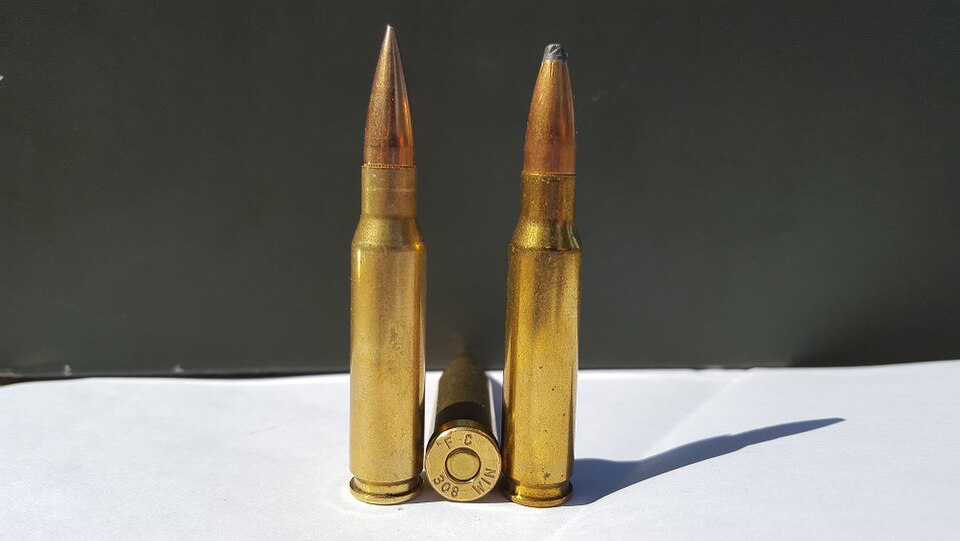
The .308 Winchester is not on this list because it wins the drift contest. It is here because shooters still trust it, know it, and keep proving what it can do when the rifle, bullet, and shooter are sorted out. Average drift runs about 21.3 inches at 500 yards and 100.5 inches at 1,000 yards, which trails the sleeker modern favorites.
Even so, the .308 remains a benchmark. It offers excellent accuracy, broad rifle support, and notably long barrel life. Comparative data also continues to show why many shooters migrate toward 6.5 Creedmoor for wind, but the .308 still earns confidence through consistency rather than raw aerodynamic advantage.
When shooters talk about a cartridge that “bucks wind,” they are usually describing a combination of time of flight, ballistic coefficient, and recoil management. Fast cartridges with efficient bullets generally rise to the top, but the most trusted option is often the one a shooter can read, correct, and fire well under field pressure. That is why this group ranges from the .28 Nosler to the 6mm ARC. Some cut drift with speed, others with bullet shape, and a few stay on the list because they remain predictable enough to trust when the mirage bends and the grass starts moving.


