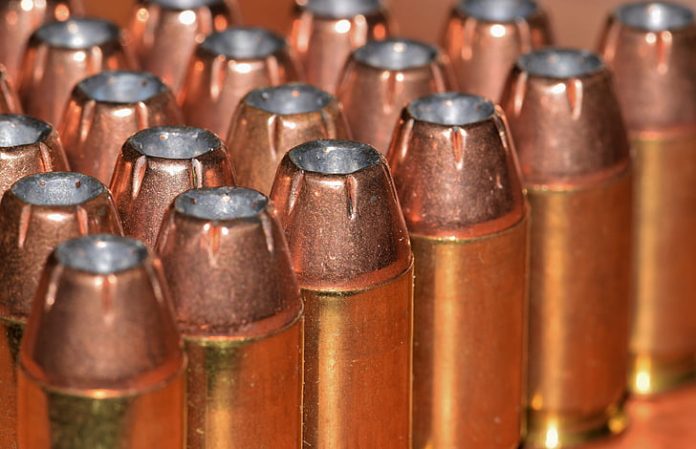
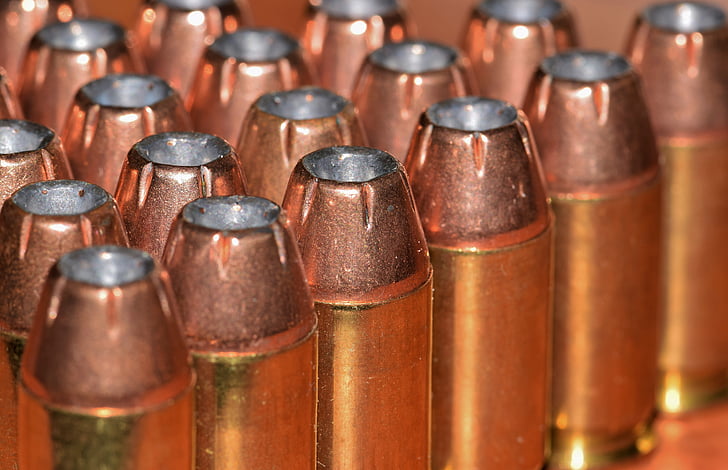
Handgun caliber debates tend to lean on energy figures, bullet diameter, and decades-old talk about “stopping power.” Modern testing pushed that language aside. What matters more is whether a round can penetrate deeply enough, hold together, expand when it should, and stay manageable in the handgun actually being carried.
That shift came from protocols built around 12 to 18 inches of penetration through gelatin and common barriers, not from caliber folklore. Retired FBI firearms veteran Bill Vanderpool summed up the larger lesson plainly: “It was more a matter of bullet construction than caliber.” Some cartridges still carry a larger-than-life reputation, but the engineering tradeoffs are hard to ignore once short barrels, heavy clothing, and repeatable test data enter the picture.
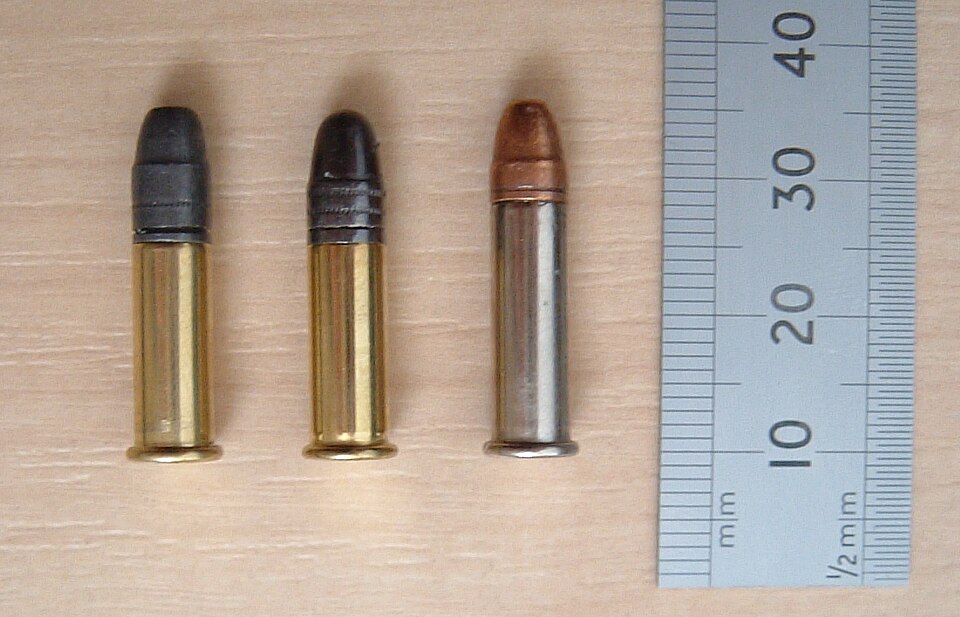
1. .22 LR
The .22 LR keeps its defensive reputation alive for familiar reasons: tiny pistols, almost no recoil, and easy carry. On paper, that combination looks practical. In a serious use case, the weak point is not just power. It is consistency. Rimfire priming remains less dependable than centerfire ignition, and subcompact pistols can add feeding issues to the equation.
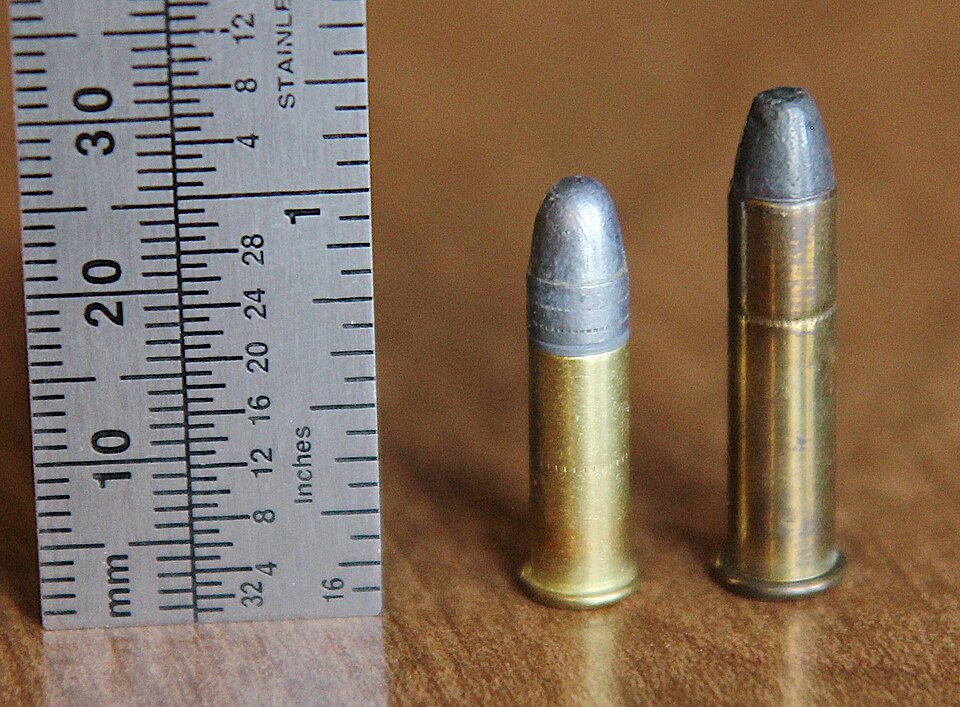
Rimfire ignition failures are more common than centerfire, which means a cartridge that already offers limited terminal margin also carries a mechanical penalty. Gel testing of pocket pistols showed that barrel length can help .22 LR substantially, but the smallest handguns give away velocity fast, and expansion is generally not the answer because penetration suffers with it. Low recoil is an advantage. Reliability still comes first.
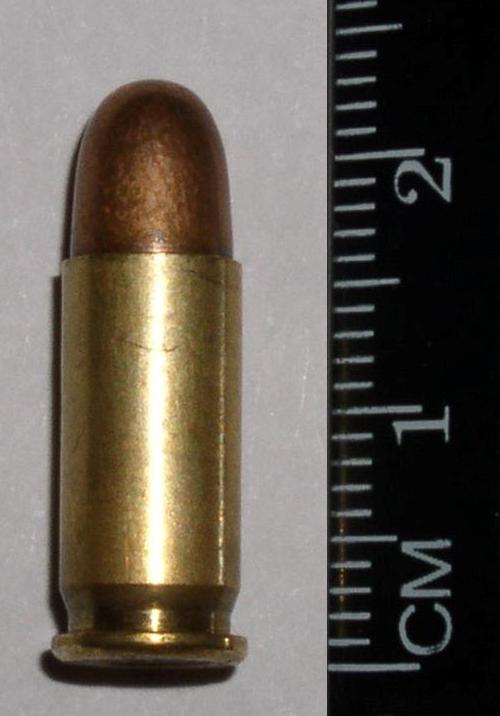
2. .25 ACP
The .25 ACP often gets treated as a smarter pocket choice because it is centerfire. That does solve one problem .22 LR has, but it does not solve the bigger one: the cartridge remains extremely limited in what it can do after impact. Testing on compact pistols showed just how thin the margin is.
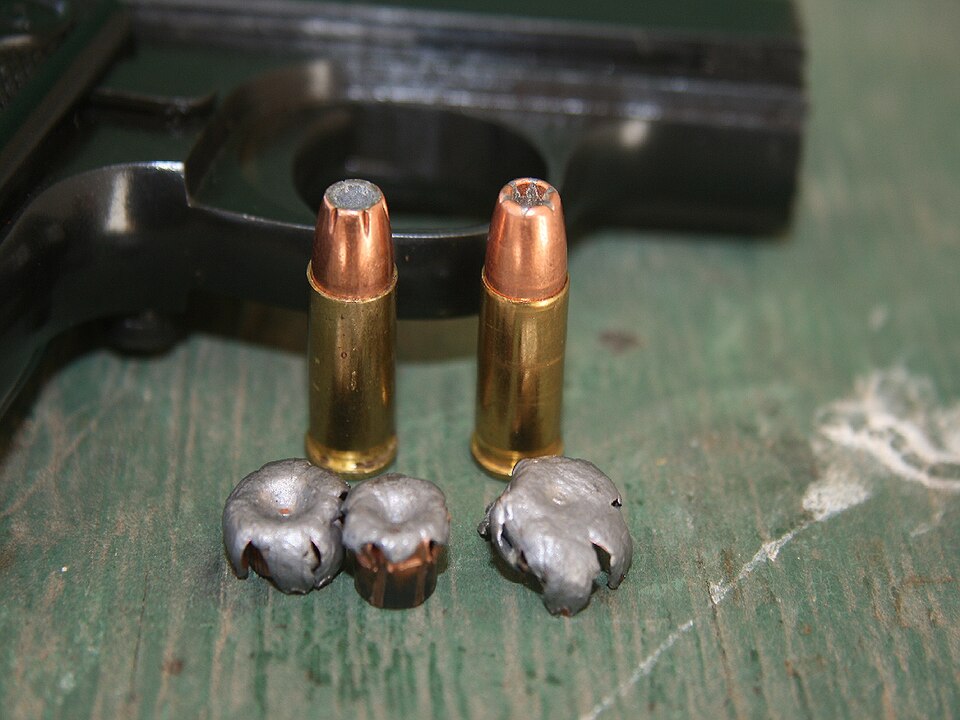
Only one tested .25 ACP load put all five rounds past 11 inches in heavy-clothing gel, and even that result still sat below the standard many defensive shooters use as a baseline. The cartridge’s long survival has more to do with tiny pocket guns than with strong ballistic performance. It looks more credible than .22 LR because of its centerfire case, but it still struggles to produce persuasive penetration or expansion from the guns most likely to chamber it.
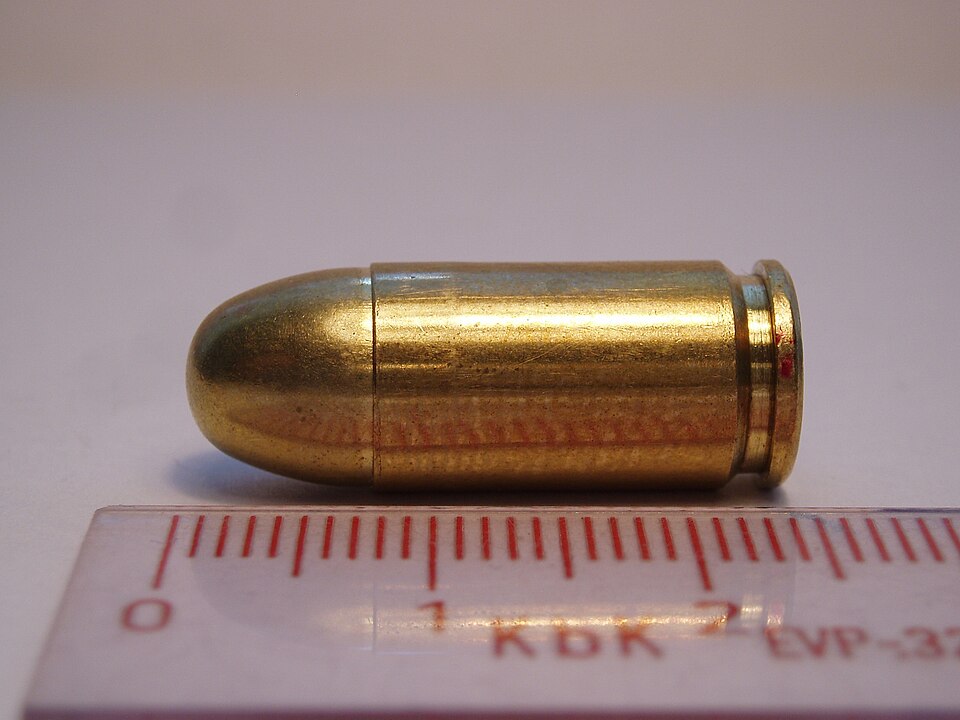
3. .380 ACP
.380 ACP may be the most common caliber on this list in current carry guns, which is exactly why its limitations get overlooked. The cartridge sits in many slim, easy-to-conceal pistols, and popularity can make it seem more settled than it is. Its core problem is balance. In repeated gel work, .380 ACP showed the weakest overall performance among the major service-caliber group in that testing.
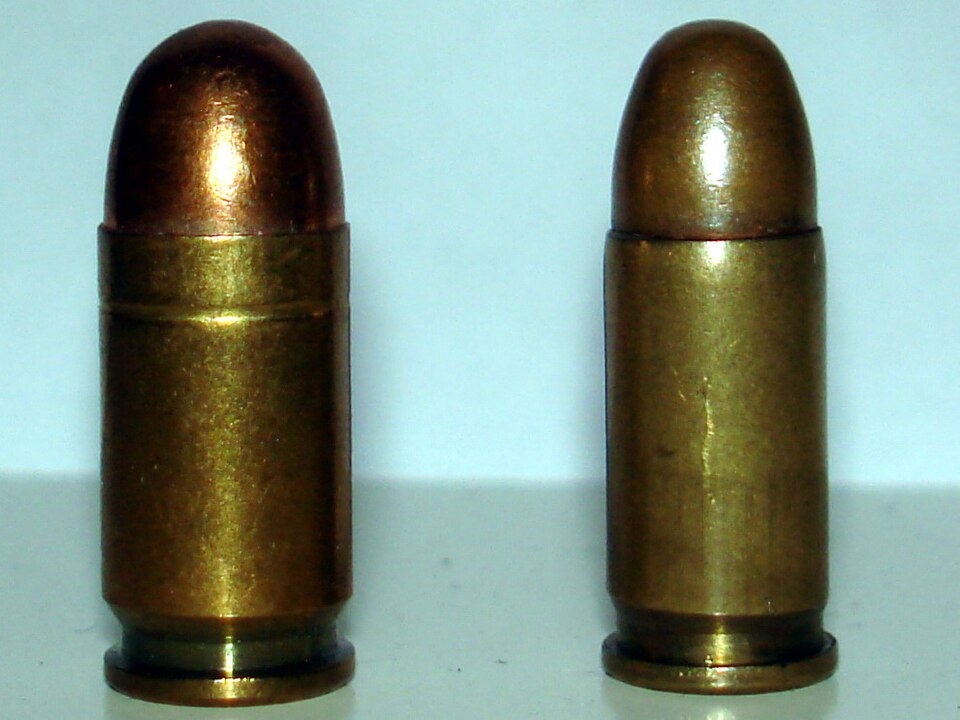
Loads frequently expanded and stopped short, or penetrated enough without opening much at all. That is a narrow engineering window, and short carry barrels do not make the job easier. Some loads perform acceptably, but the caliber offers much less room for error than 9mm. The concealment advantage is real. The ballistic cushion is not.
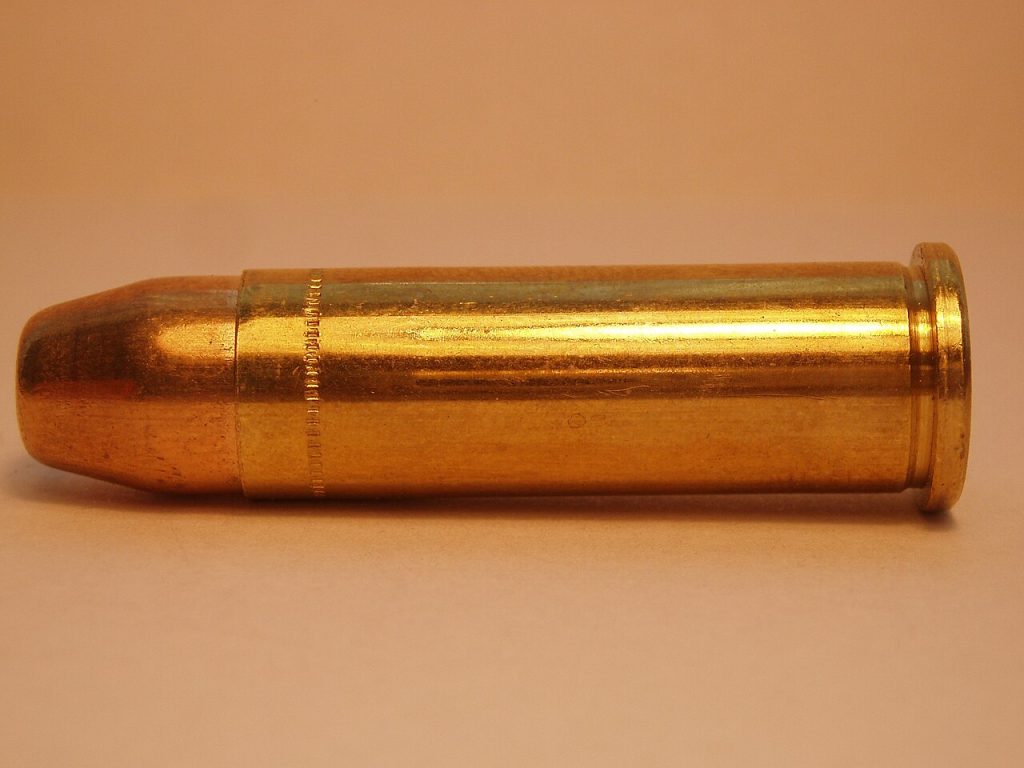
4. .38 Special From a Snubnose Revolver
The .38 Special benefits from legacy. A lightweight snub revolver still projects authority, and its simple manual of arms keeps it relevant. The trouble begins when traditional expectations meet a short barrel. Velocity loss changes everything. Hollow points designed around longer barrels do not always expand well once fired from a two-inch gun, and penetration can land near the bottom of the acceptable zone.
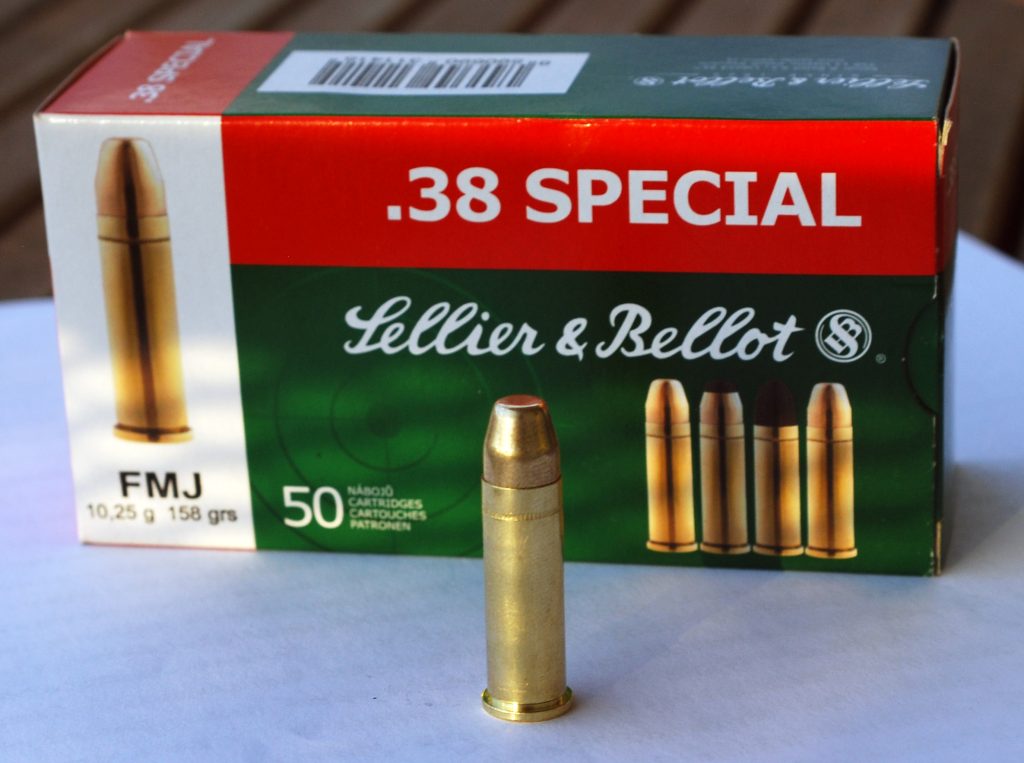
In one revolver test series, 12 of 18 tested .38 Special loads had at least one bullet fail to expand. Five loads failed to expand at all in the rounds fired. That does not make the caliber unusable, but it does make ammunition selection unusually important. A snubnose .38 can work far better with the right load than with the wrong one, which is not the same thing as broad, forgiving performance.
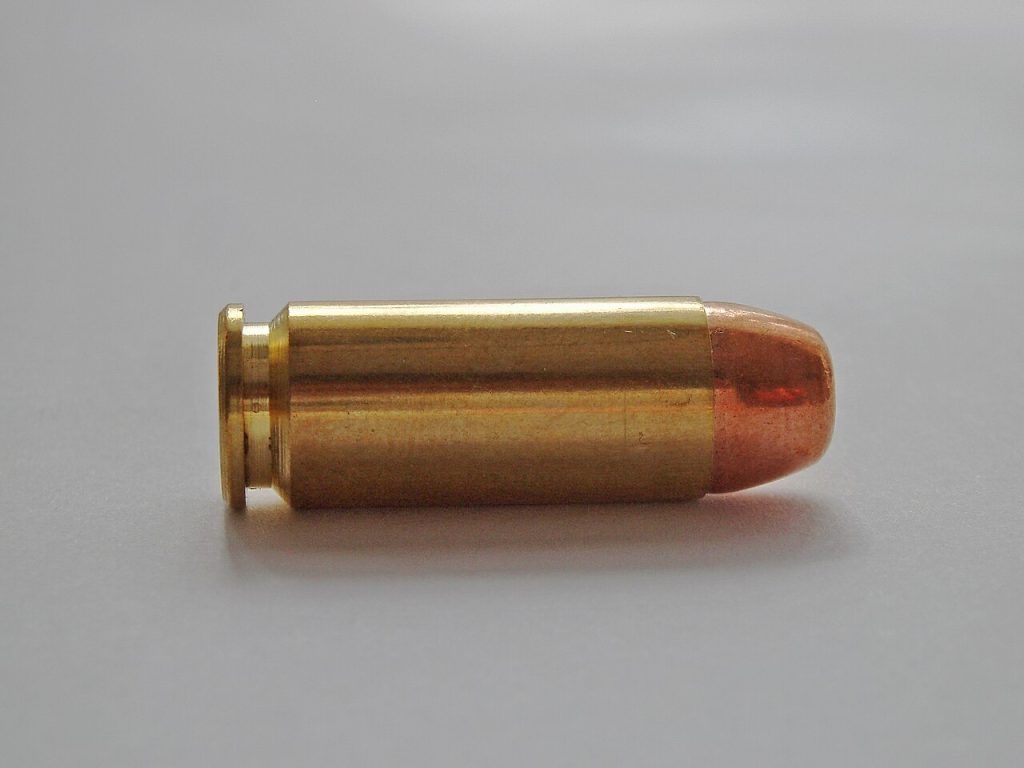
5. 10mm Auto
10mm has the opposite image problem from the pocket calibers. It rarely looks underpowered. It looks like the answer to every handgun problem, and that image can be just as misleading. The FBI’s long institutional move from 10mm to .40 S&W and eventually back to 9mm highlighted the real issue: more power on paper can come with recoil, pistol size, and training penalties that outweigh the gain. One FBI ammunition engineer explained 9mm’s design advantage with four words: “Because you allow us velocity.” That velocity window gave modern bullet designers room to build reliable expansion and penetration without the heavier handling costs attached to 10mm in service-size pistols. In personal-defense terms, 10mm is not weak.
It simply demands more from the shooter and does not automatically return a proportionate advantage in practical handgun performance. The pattern across all five calibers is straightforward. Defensive handguns are constrained tools, so the useful question is not which round sounds powerful, but which one stays reliable, penetrates consistently, and remains controllable under pressure. That is why the old caliber hierarchy keeps shrinking under test data. Once bullets are judged by repeatable performance instead of reputation, the flashy options often look less convincing than the balanced ones.


