Hunters spend plenty of time chasing new chamberings, but the field keeps rewarding a different kind of cartridge. The ones that last are usually the ones that balance recoil, bullet weight, rifle handling, and practical range well enough to make real-world shot placement easier. That is the thread running through these five rounds.
None depends on trend status, and none needs magnum blast to stay relevant. They work because the engineering is still sound, the bullet options remain useful, and their strengths show up where game is usually taken: inside sane hunting distances, from rifles people actually like to carry.
1. .338 Federal
The .338 Federal remains one of the cleaner examples of a simple idea paying off in the woods. By necking a .308 Winchester case up to .338 caliber, the cartridge keeps short-action handling while stepping into heavier bullet territory. That gives hunters a compact rifle with more frontal diameter and solid energy at the distances where elk, black bear, and moose hunters often do their work.
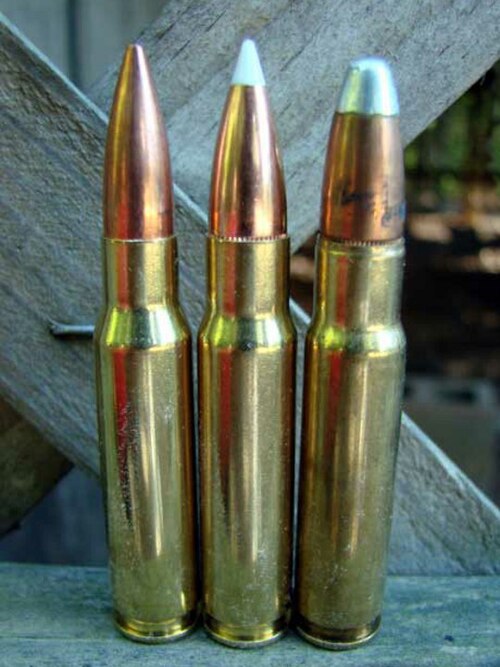
Factory loads commonly center on 185- to 210-grain bullets, and comparison data shows it can push a 200-grain bullet 2,700 fps from the muzzle. Downrange, it gives up some wind performance to sleeker .30-caliber loads, but that misses the point of the cartridge. Its appeal is not long-range efficiency. Its appeal is a bigger bullet in a light, handy rifle without stepping up to full magnum recoil.
2. 7mm-08 Remington
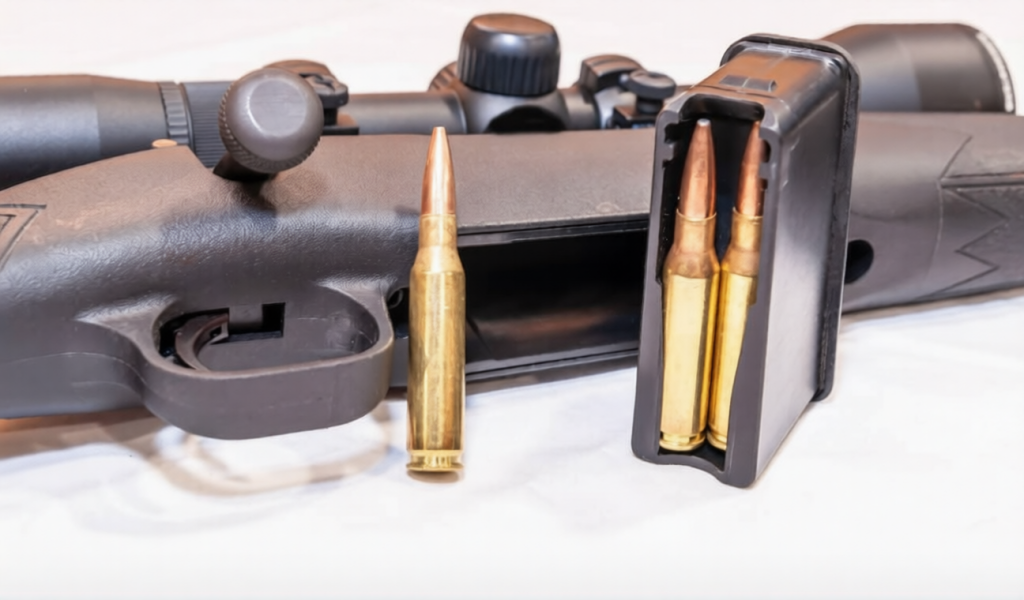
The 7mm-08 keeps surviving every new-wave cartridge cycle because it solves a common hunting problem better than many louder options. It offers mild recoil, useful reach, and a short-action footprint, all while launching bullets with enough sectional density to stay effective on deer, antelope, and larger game when loads are chosen carefully.

It is usually seen with 120-, 140-, and 150-grain hunting bullets, and it has built a long reputation as a cartridge that ordinary shooters handle well. That matters. American Hunter notes that in average-weight rifles it produces about 12 pounds of recoil energy, far below many magnums that promise more than most hunters need. Guns & Ammo also points out that it keeps roughly 1,500 foot-pounds at 300 yards and over 1,000 at 500, which explains why it continues to show up in mountain rifles and youth rifles that never feel undergunned.
3. .35 Whelen
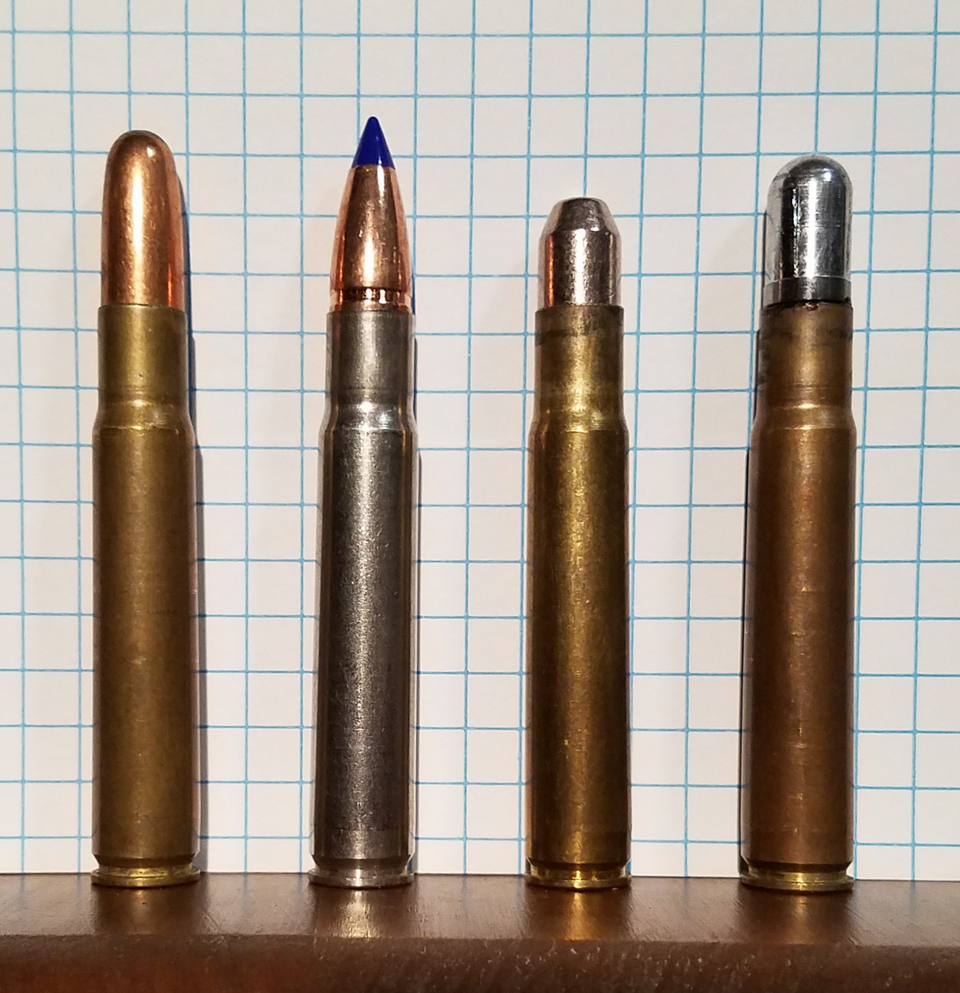
The .35 Whelen is an old answer to a question that still comes up in timber and on big-bodied game: how much performance can be pulled from a standard-length action before recoil and rifle bulk become part of the problem? Its .30-06 parent case necked up to .358 created a cartridge that hits hard without the machinery of a magnum-length setup. This is where bullet behavior matters more than paper numbers. As Petersen’s put it, your bullet is the only true connection between you and the game you hunt.
If it fails, you fail. The Whelen has long leaned into that reality with heavy bullets, moderate impact speeds, and a reputation for straight-line penetration. Guns & Ammo traces the cartridge to James V. Howe in 1922, and modern factory offerings still keep it relevant. A 200-grain load around 2,800 fps gives it real authority at close to medium range, while 225- and 250-grain bullets preserve the cartridge’s identity as a heavy-game specialist that does not need velocity theatrics to do its job.
4. .280 Remington
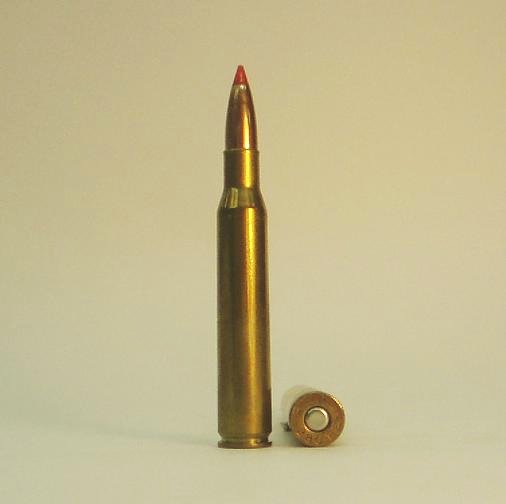
The .280 Remington has spent decades living in the shadow between the .270 Winchester and the .30-06, which is exactly why it remains underrated. It offers access to the strong 7mm bullet lineup without requiring magnum recoil, and that makes it one of the more balanced all-around hunting cartridges ever standardized. Its real strength is flexibility.
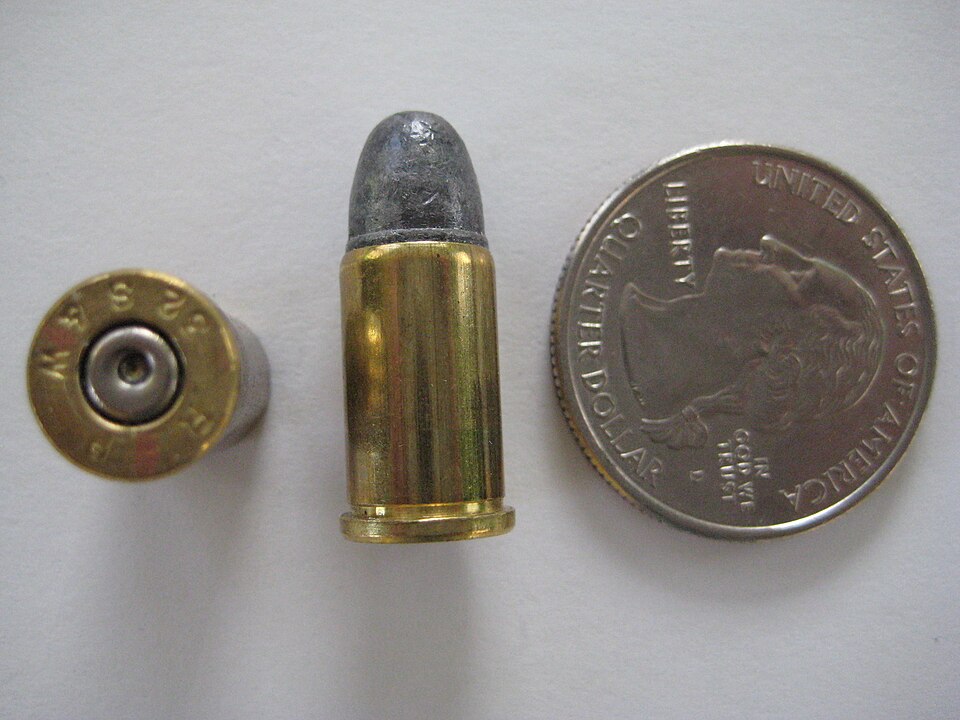
Lighter bullets make it suitable for deer and antelope work, while heavier 160- to 175-grain loads give hunters more sectional density for elk-sized game. That broader bullet range is what keeps it relevant even now, especially for hunters who care more about impact behavior than headstamp fashion. The improved version gets more headlines, but the standard .280 still delivers the same basic advantage: useful reach, sensible recoil, and heavier 7mm bullets that separate it from the .270 crowd.
5. .257 Roberts
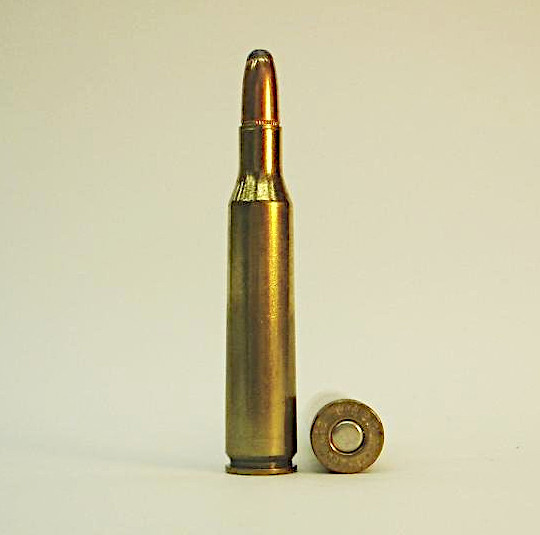
The .257 Roberts has always looked better in the field than in campfire conversation. Built from the 7×57 Mauser case and commercialized in the 1930s, it gives hunters a light-recoiling quarter-bore that stays easy to shoot while carrying enough velocity for deer and pronghorn hunting at honest ranges. Its reputation suffered partly because later cartridges crowded the market, but the round never stopped being efficient.
American Hunter notes that in +P form it can push 100-grain bullets at 3000 fps, and the cartridge remains notable for being the only rifle round with an official SAAMI +P designation. That matters less as trivia than as proof that its original factory image never fully captured its usable performance. With 100- to 117-grain bullets, modest recoil, and minimal meat damage compared with faster, harsher cartridges, the Roberts still fits hunters who value calm shooting over bragging rights.
All five cartridges share the same advantage: they make practical hunting easier instead of more dramatic. They favor controllable rifles, useful bullet weights, and impact speeds that let modern hunting bullets work as intended. That is why they still matter. When cartridge choice is treated as a shooting problem instead of a trend contest, these older rounds stop looking forgotten and start looking well sorted.


