Firearm design changes fast on the outside and much slower underneath. New coatings, optics cuts, rails, and polymers tend to grab attention, but the operating systems that stay relevant for decades usually survive for a different reason: they keep solving the same hard problems of control, feeding, lockup, and maintenance. Some mechanisms persist because they are forgiving. Others last because they scale well across training, repairs, and reconfiguration. Together, they show that serious-use longevity is rarely about nostalgia and far more about engineering decisions that still make sense.
1. The 1911’s straight-back trigger system
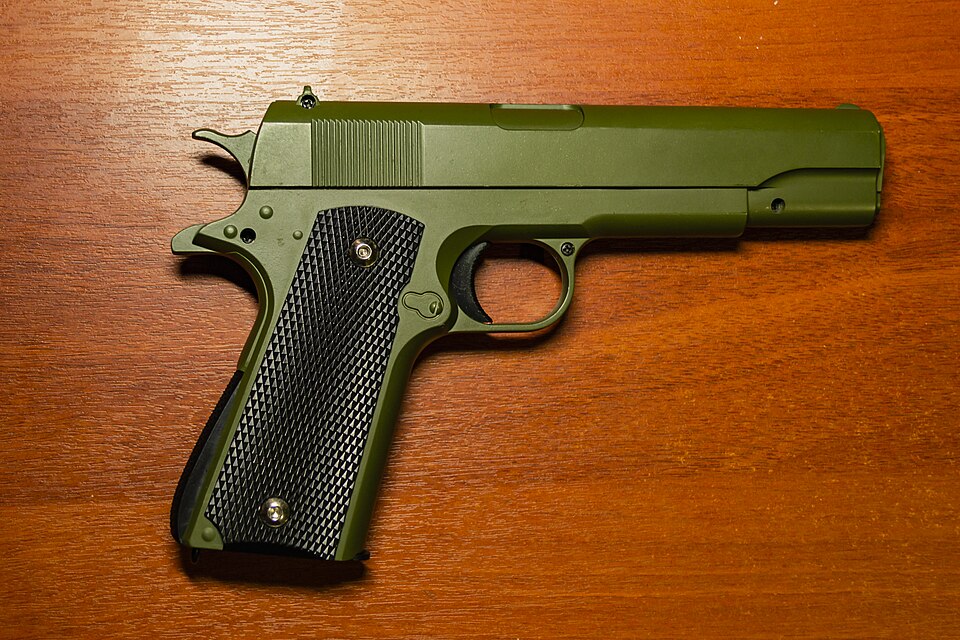
The 1911 remains one of the clearest examples of a shooting interface becoming a mechanical advantage. Its trigger does not pivot like many handgun designs. Instead, it moves straight to the rear, which helps reduce side pressure during the press and makes repeatable trigger control easier under speed. That simple geometry is backed by a single-action system that feels the same from shot to shot. The platform also built a long reputation for endurance, including the 6,000-round military trial with no failures that helped secure adoption.
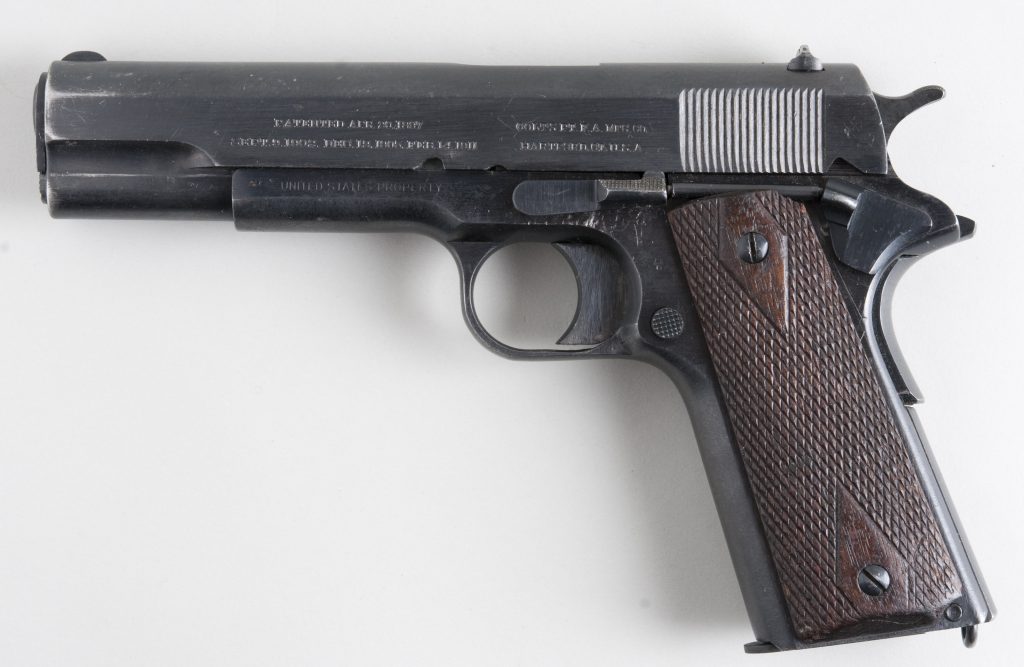
Even today, the design stays relevant because its trigger behavior, grip angle, and layered safeties create a highly consistent manual of operation. The 1911’s huge parts ecosystem also helped keep it alive long after military standardization moved on, allowing the mechanism to evolve into competition guns, carry pistols, and double-stack descendants without abandoning the original control logic.
2. Striker-fired pistols built around simple parts architecture
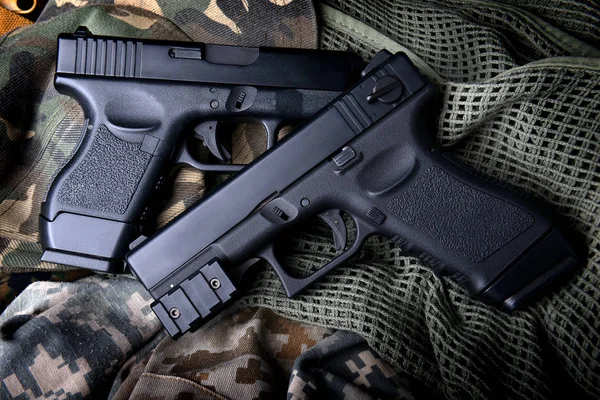
Modern service pistols did not become dominant by accident. Their staying power came from standardization, simplified internal layouts, and repeatable handling across full-size and compact models. The Glock pattern is the best-known case, often described as using only 34 component parts. The part count alone is not the whole story, but it points to why the mechanism spread so effectively. Fewer unique interfaces can simplify armorer work, training, and troubleshooting. For institutions, that matters as much as performance on the firing line. The striker-fired template also reduces transition issues between shots because trigger behavior remains broadly consistent, which helps explain why this mechanism displaced so many older service-pistol formats.
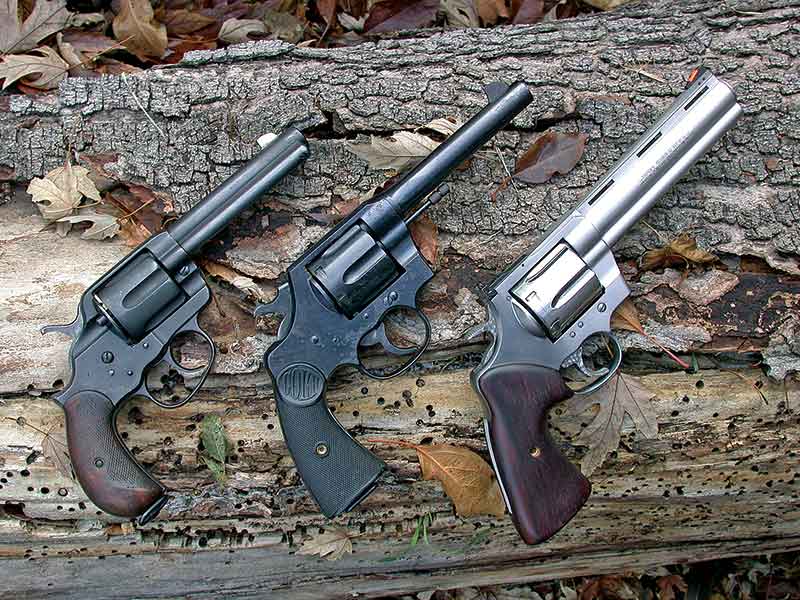
3. Double-action revolver timing and trigger discipline
Revolvers still matter because they expose mechanics in a brutally honest way. Every trigger press has to advance the cylinder, align a fresh chamber, and lock it before the hammer falls. When wear appears, timing issues often reveal themselves through late carry-up, imperfect lockup, or inconsistent feel. That makes the double-action revolver a kind of mechanical truth serum.
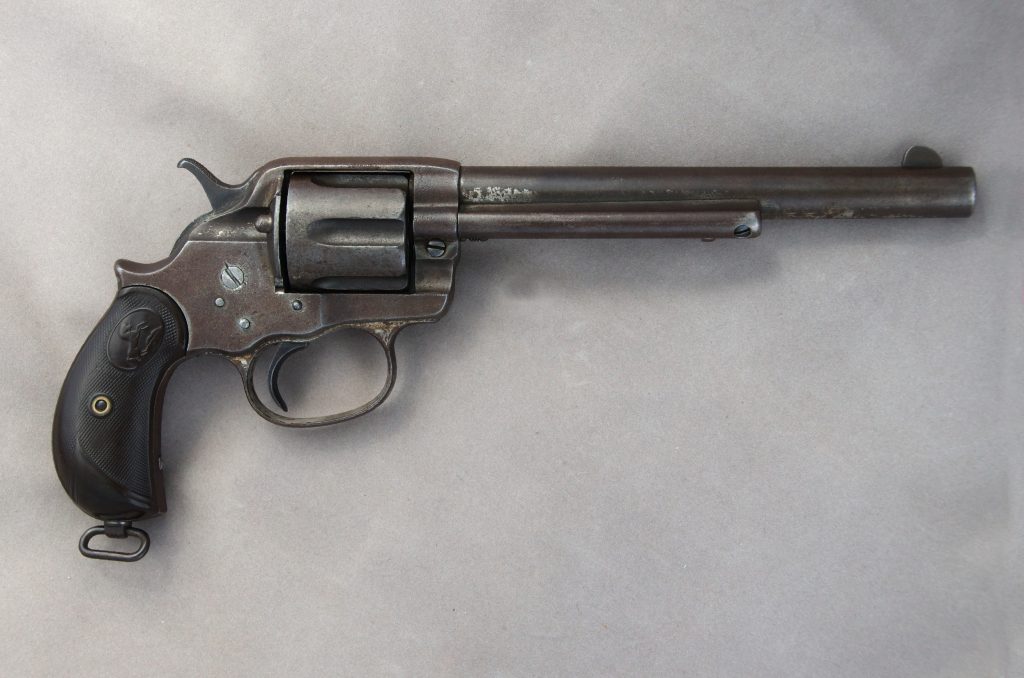
It is also an unusually effective training tool. A long, heavy double-action pull punishes poor trigger control and rewards smooth pressure straight to the rear. Instructors have long used revolvers to refine shooter input for exactly that reason, and the platform’s ability to be dry-fired repeatedly without cycling a slide adds to its training value. The revolver’s continued relevance is not based on capacity. It is based on how clearly the design teaches and displays the consequences of mechanical and human error.
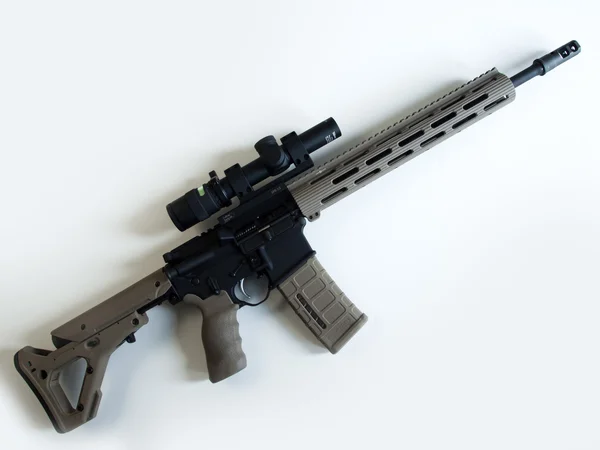
4. The AR-15’s split-receiver modular system
The AR-15 endures because it was built as an architecture, not just a rifle. Separating upper and lower receivers turned major configuration changes into modular swaps instead of full redesigns. That decision has enormous consequences for sustainment. Barrel length, caliber family, furniture, optics setup, and mission profile can all change while the core manual of arms remains familiar. The platform’s longevity comes from how easily it absorbs updates without discarding user training. In engineering terms, that is a powerful trait: the rifle can keep pace with changing needs while preserving continuity in maintenance and handling.

5. The AK’s tolerance-heavy reliability formula
The AK pattern survives because it approaches reliability from the opposite direction. Where some systems benefit from tighter standardization and cleaner assembly discipline, the AK became famous for continuing to function when dirt, heat, and rough handling start stacking together. Its controls are simple, field procedures are uncomplicated, and the action is built with a wide margin for abuse. That does not make it elegant, but elegance was never the point. The mechanism’s long life comes from a design philosophy that values motion, clearance, and durability over refinement. In practical terms, the AK proved that a firearm could remain globally relevant by being hard to stop rather than especially sophisticated.
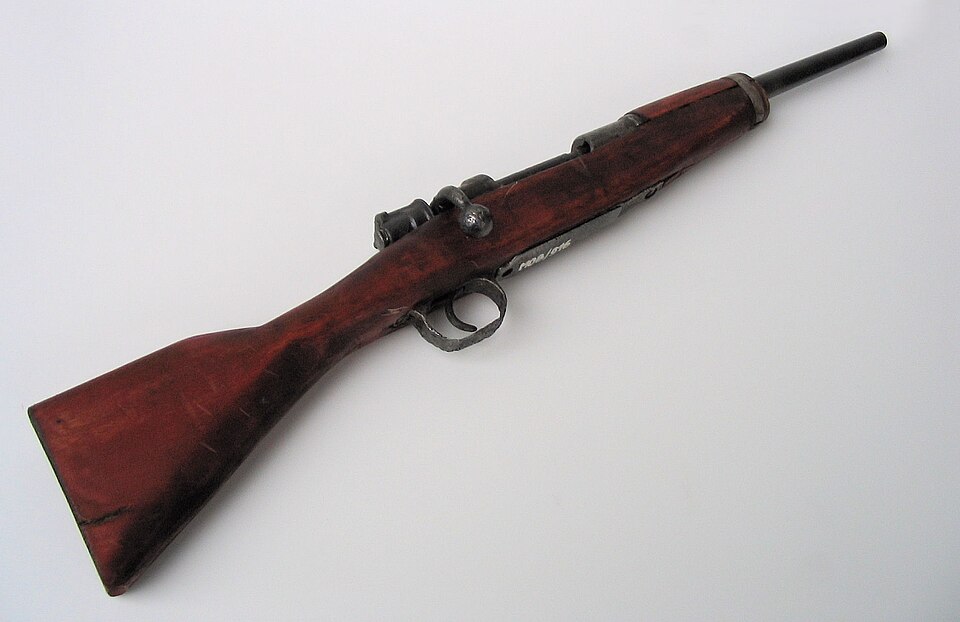
6. Mauser 98 controlled-round feed
The Mauser 98’s lasting influence comes down to control. Its large claw extractor takes hold of the cartridge as it leaves the magazine and maintains that grip through chambering and extraction, limiting the chances of a loose or misaligned round during hard bolt work. That feeding path became the reference standard for bolt rifles built for difficult conditions. Dual locking lugs, a fixed blade ejector, and a three-position safety reinforced the action’s reputation, but controlled-round feed is the core idea that made the design endure. It is easy to explain and difficult to break, which is often the hallmark of a mechanism that outlives trends.
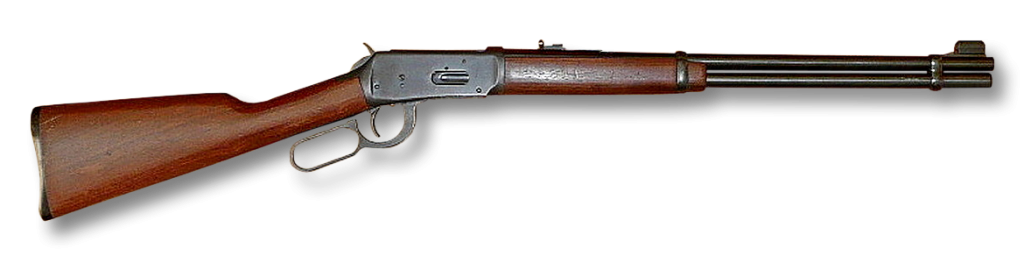
7. The Winchester 1894 lever action’s compact repeating package
The Winchester 1894 remains relevant because it solved a packaging problem with unusual efficiency. It gave shooters a compact rifle that handled quickly while still cycling serious rifle cartridges through a lever-driven repeating system. The design was closely tied to a turning point in ammunition history as the first commercial American repeating rifle built for smokeless powder. It also became a production landmark, eventually reaching over 7 million units sold. More important than the sales figure, however, is what the action kept offering: fast handling, slim carry dimensions, and mechanical adaptability.
Later top-eject limitations gave way to optic-friendlier variations and modernized furniture, proving that the lever action stayed alive by adjusting to user habits instead of freezing in its original era. The gun mechanisms that survive serious use tend to share one trait: they reduce the number of ways a shooter can lose control of the process. Sometimes that comes from a cleaner trigger path. Sometimes it comes from robust feeding, forgiving tolerances, or a modular layout that extends service life. What keeps them current is not age. It is the fact that the old engineering questions never really disappeared.


