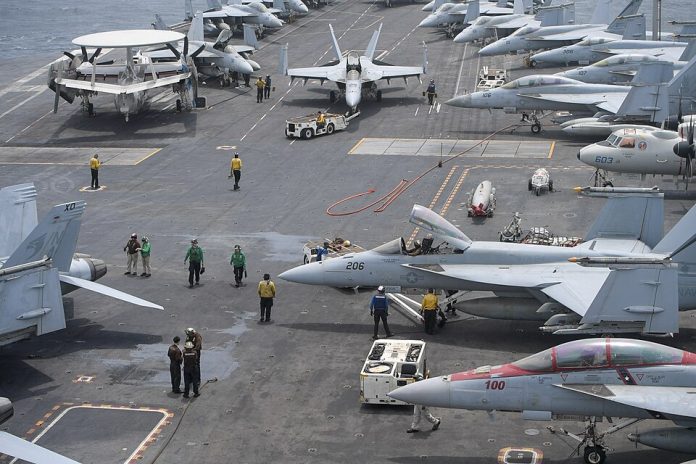
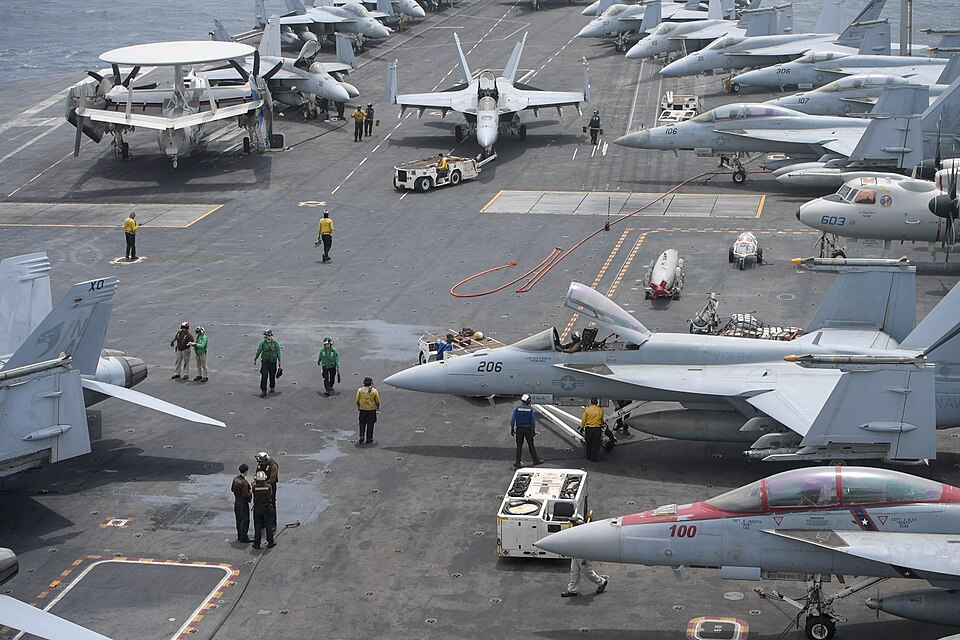
What keeps a 1990s-era carrier fighter central to naval aviation in 2026? The answer is less about nostalgia than about engineering choices that let one aircraft keep absorbing new missions, new sensors, and new software while the Navy waits for its next-generation replacement. The F/A-18E/F Super Hornet was supposed to be a bridge.
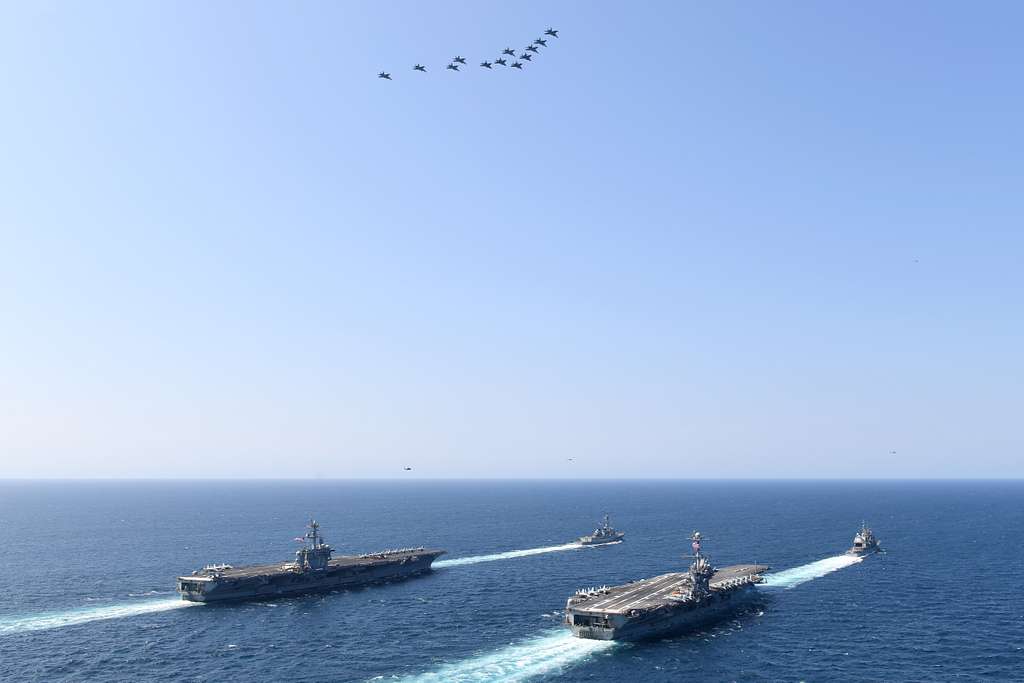
Instead, it became the structure carrying much of the carrier air wing. Even with stealthier aircraft in service and a future F/A-XX still under development, the Super Hornet remains the platform that turns deck space, maintenance effort, and pilot training into repeatable sorties at sea.
1. It still fills most of the carrier air wing
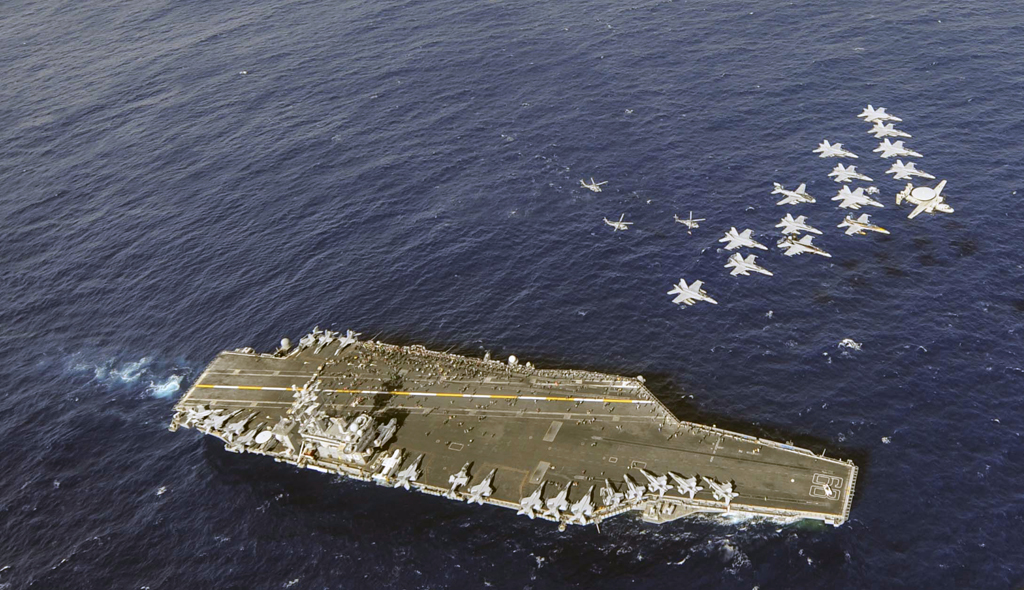
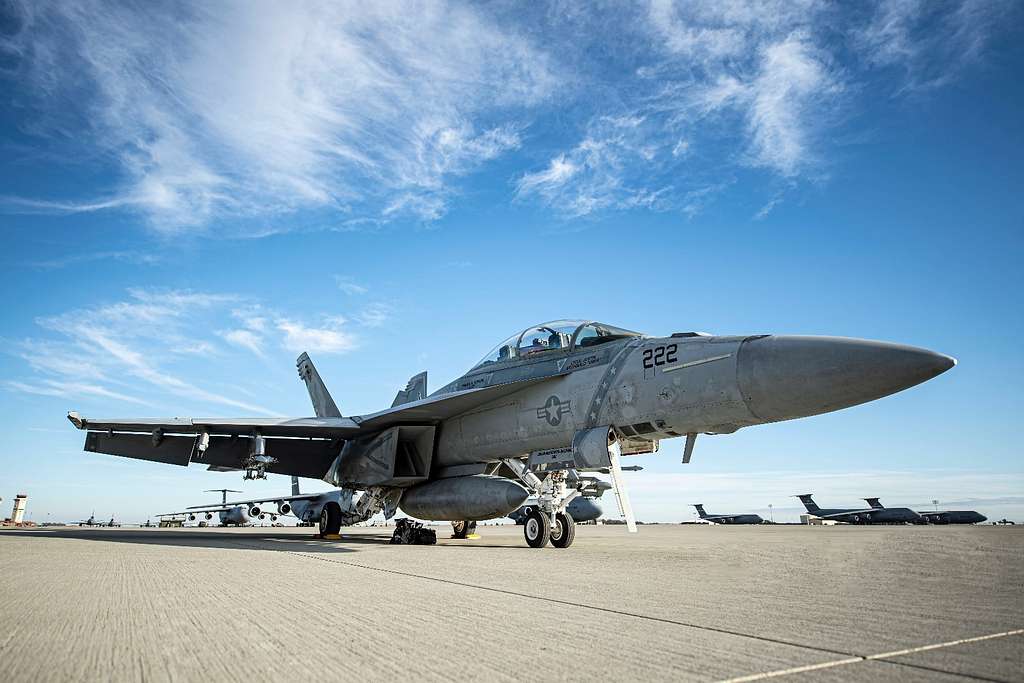
The Super Hornet remains the Navy’s volume fighter, not its niche aircraft. Reference reporting describes it as accounting for up to 70% of deployed strike fighter aircraft in carrier air wings, which explains why its future matters beyond the aircraft itself. A carrier air wing needs numbers, not only advanced features, and the Super Hornet is the airframe that still provides them.
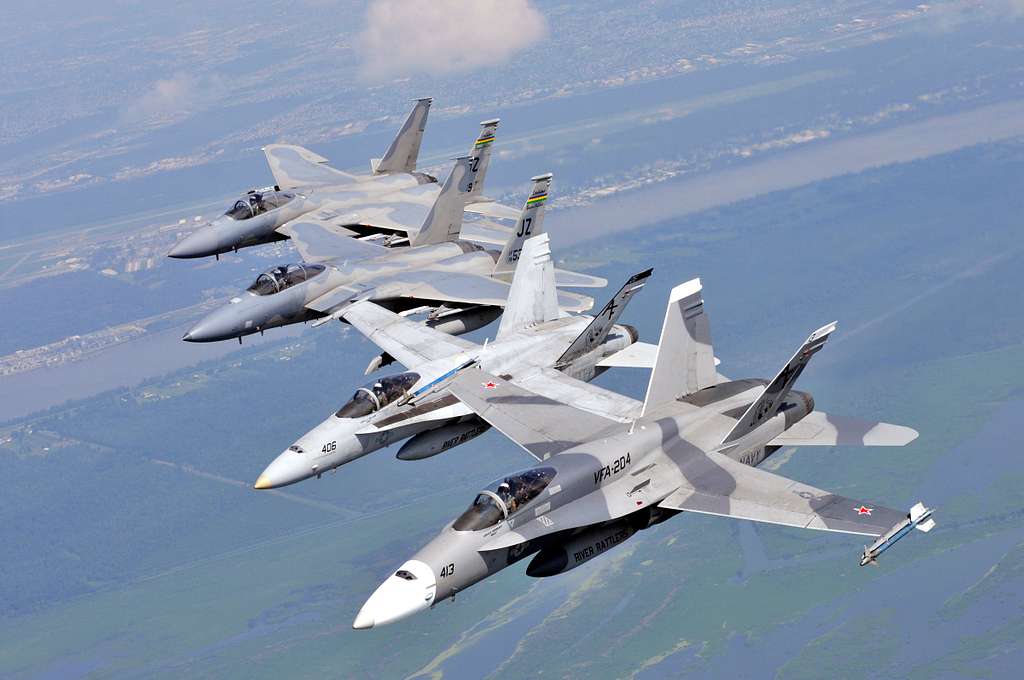
That role grew after the aircraft took over responsibilities once spread across several types. Fleet defense, strike, escort, reconnaissance support, and even aerial refueling tasks increasingly converged around the F/A-18 family, creating a logistics model the Navy has spent years refining.
2. Its life-extension work turned aging jets into longer-serving assets
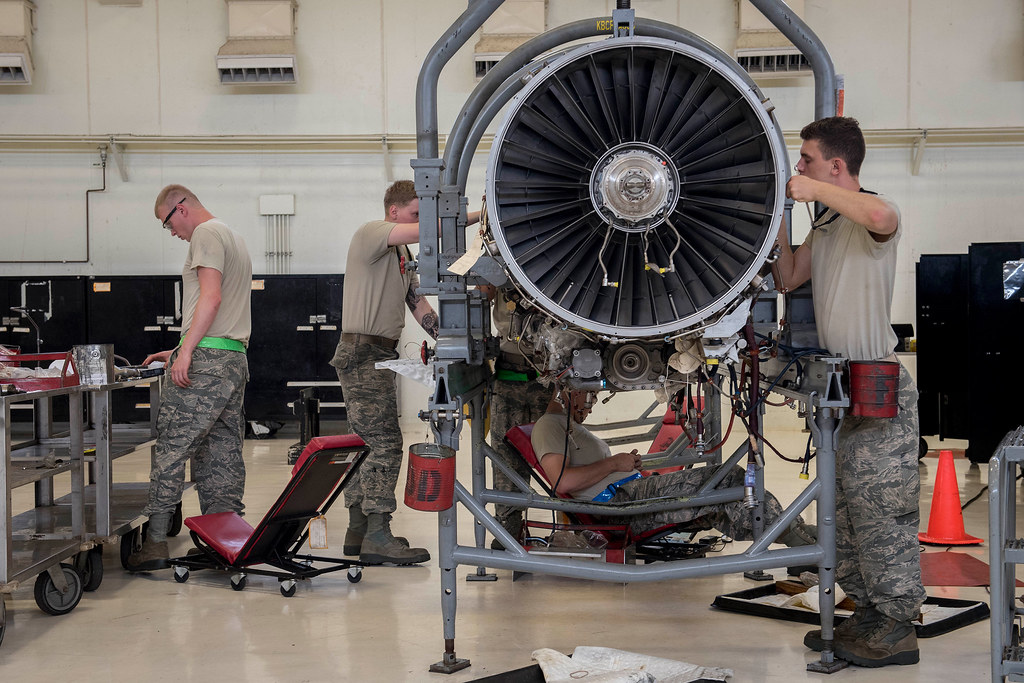
The strongest reason the aircraft keeps showing up in front-line planning is structural, not rhetorical. The Navy’s service-life efforts pushed many aircraft well beyond their original limits, with modernization programs extending airframe life from roughly 6,000 to 10,000 flight hours in the main article’s account, while other fleet descriptions place upgraded aircraft in the 9,000-plus-hour range.
That matters because carrier aviation cannot pause while waiting for a replacement program. Reworked center barrel sections, refreshed mission systems, and broader sustainment work gave the Navy time to preserve force size after the F-14 era and during the slower fielding of newer aircraft. It also preserved institutional familiarity: maintainers, pilots, and deck crews already know how to keep the type moving.
3. Block III upgrades changed the cockpit and the network role
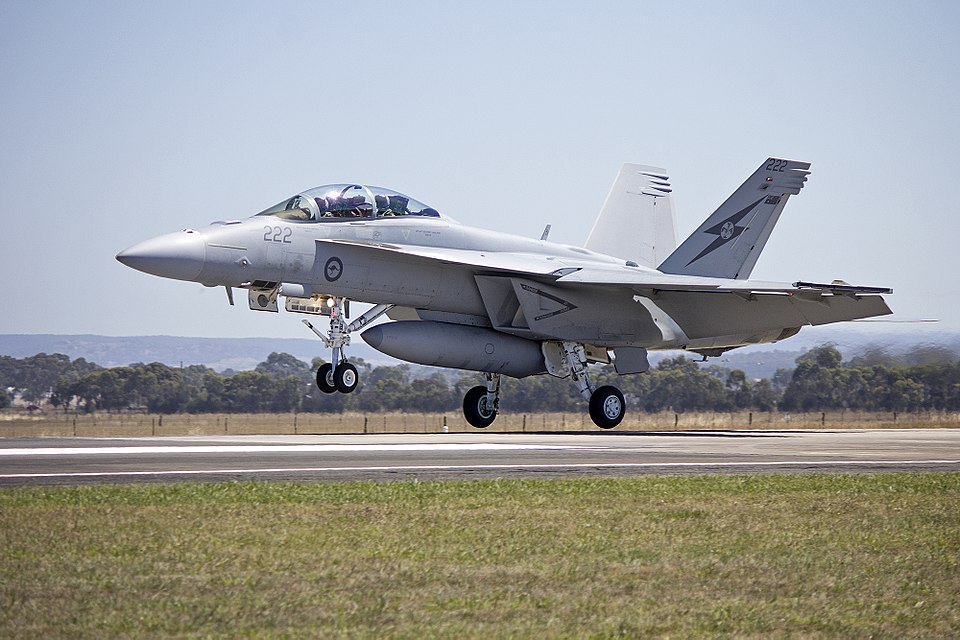
The latest Super Hornets are not simply older jets with extra flight hours. Boeing describes Block III improvements as adding networked capabilities, advanced avionics, and open-architecture growth potential, shifting the aircraft toward a more connected role inside the carrier air wing.
The redesigned digital cockpit is part of that shift. Larger displays and updated mission computing help pilots manage more information in less space, which is especially important in mixed air-to-air and strike missions. The aircraft’s software changes also include “Magic Carpet,” a carrier-approach aid intended to make demanding recoveries more precise and consistent.
4. New sensors help compensate for the limits of a non-stealth design
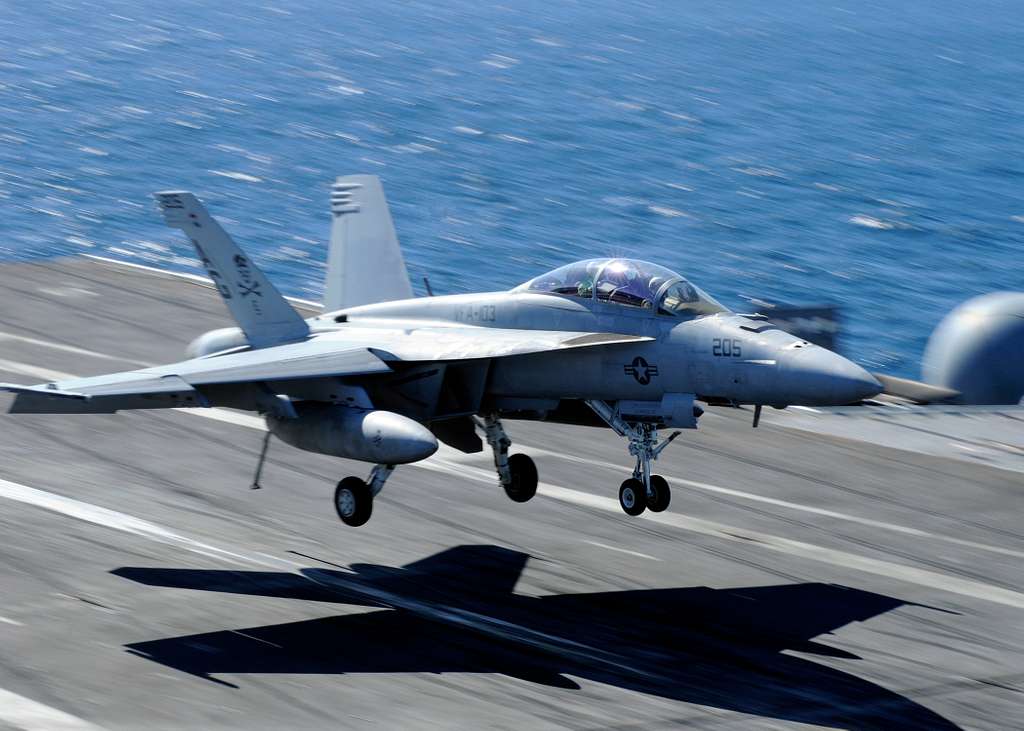
The Super Hornet is not a stealth aircraft, and no amount of careful wording changes that. Its relevance now depends on detecting threats earlier, sharing data faster, and working in environments where radar use may be constrained or heavily contested. That is why the infrared search-and-track effort has become so important. The Navy declared IRST Block II initial operational capability, giving the fleet a passive long-range airborne target detection tool.
According to the cited reporting, the system complements the AN/APG-79 radar in heavy electronic attack or radar-denied conditions. Another reference notes a Lockheed Martin contract to deliver additional IRST components through 2029, showing that the sensor is part of a continuing fleetwide investment rather than a one-off add-on.
5. The production line is ending, but the aircraft is not disappearing
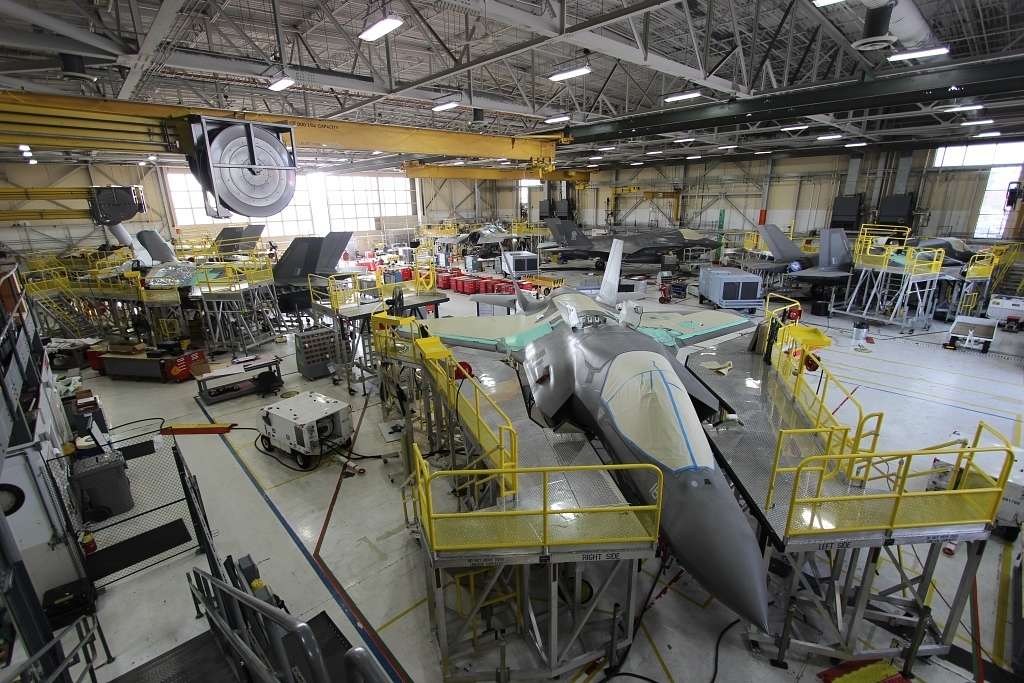
One of the clearest signs of the Super Hornet’s unusual position is that the Navy is winding down procurement while still planning around decades of use. In March 2024, the service awarded Boeing a contract for 17 aircraft, and reporting says the final deliveries now run into 2027 rather than ending earlier.
That final buy was tied not only to more jets but also to a technical data package meant to support post-production sustainment. Rear Adm. John Lemmon said, “The Super Hornet remains a predominant aircraft in the carrier air wing and will continue to provide significant combat capability into the 2040s.”
6. Its real replacement problem is range and survivability
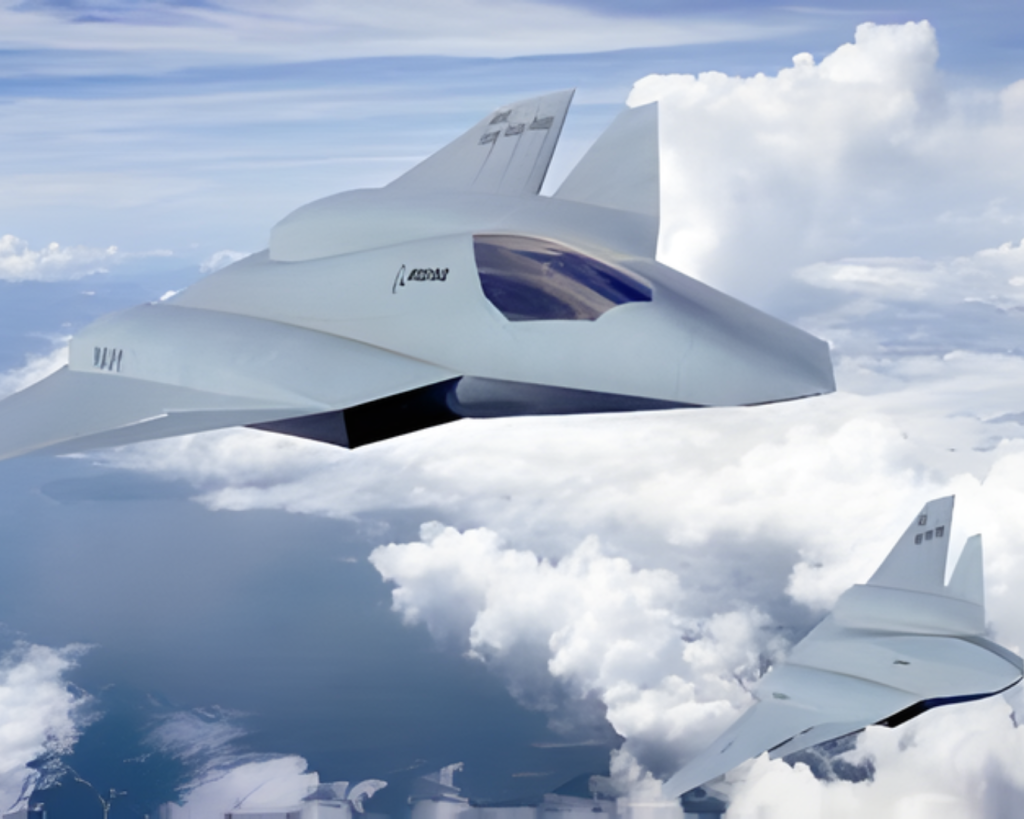
The coming transition is not only about age. It is about what future carrier aviation needs that the Super Hornet cannot fully provide: deeper reach, lower observability, and better access in heavily defended airspace. That is the gap the F/A-XX is meant to address. Reference material describes the Navy’s future requirement in terms of range, stealth, advanced sensors, and standoff capability for highly contested environments.
That framing explains the Super Hornet’s current paradox. The jet remains indispensable for mass, routine deck operations, and flexible mission loading, yet it also highlights the limits of extending a non-stealth design indefinitely. The aircraft can be modernized, networked, and structurally renewed, but its long-term role is increasingly that of a highly capable workhorse supporting a broader, more distributed air wing.
The Super Hornet’s story is no longer about whether it has survived retirement predictions. It is about why the Navy still needs a dependable, upgradeable aircraft in large numbers while the next generation remains unfinished. That makes the jet less a relic than a measure of how carrier aviation actually works: not by replacing every old platform at once, but by stretching proven designs until the successor is real, fielded, and available at scale.


