Big-game cartridges earn reputations that often outlive the conditions that created them. Some got famous through military surplus availability, some through velocity claims, and some because a handful of dramatic success stories turned into blanket confidence. That does not make these rounds ineffective. It means they are often credited with a margin for error they do not really provide once animal size, shot angle, recoil, distance, and bullet construction are weighed together.
1. .243 Winchester
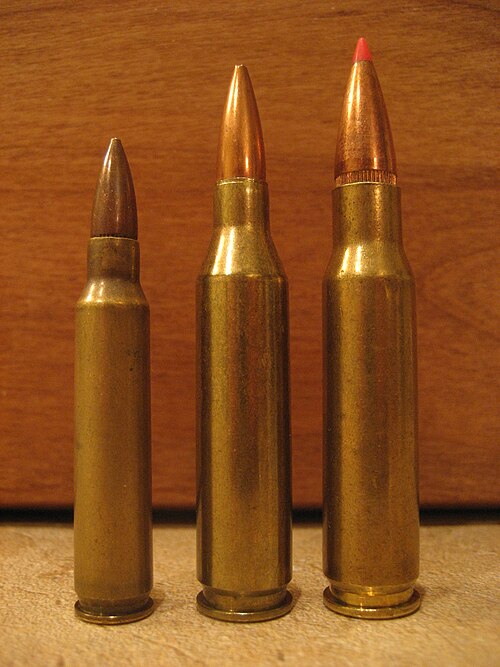
The .243 Winchester has a strong record on deer-sized game, which is exactly why some hunters stretch it too far. On large-bodied animals, especially elk, the issue is not whether it can work. The issue is how little room it leaves when the presentation is imperfect or recovery conditions are poor.
Experienced elk hunters cited in field discussions about the .243 on elk described a very narrow use case: calm shooting, open terrain, close range, sturdy bullets, and broadside vital shots. That is a much different claim than saying the cartridge is broadly well-suited to big game. The .243 can kill above its size, but its reputation often gets inflated by clean, selective examples rather than ordinary hunting realities.
2. .223 Remington
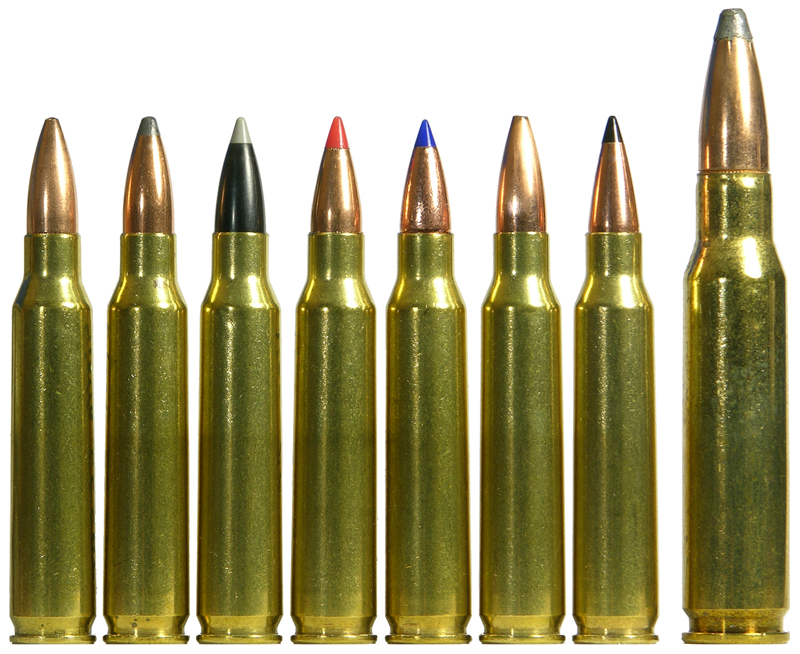
No modern cartridge creates a bigger gap between possibility and assumption. With the right bullets and disciplined shot placement, the .223 has produced impressive results on animals far larger than its traditional job description. That has fueled a wave of confidence around heavy-for-caliber loads like 77-grain match-style .223 hunting setups.
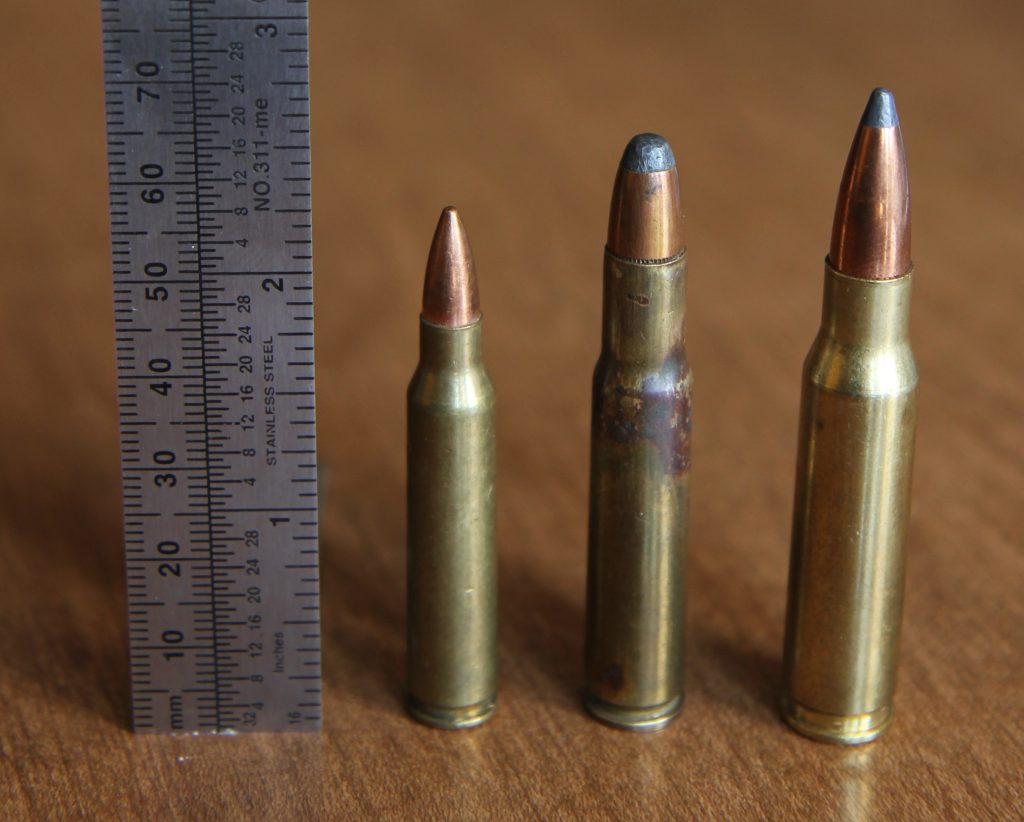
But big game is not won by internet examples alone. Even supporters of the .223 emphasize bullet selection, legal restrictions, distance limits, and exact shot placement. Skeptics in long-running hunter forums repeatedly point to wind drift, reduced margin on angled shots, and weaker blood trails when conditions go wrong. The .223 is better than older assumptions suggested, but it is still easy to overestimate because its success stories are so memorable.
3. .30-06 Springfield
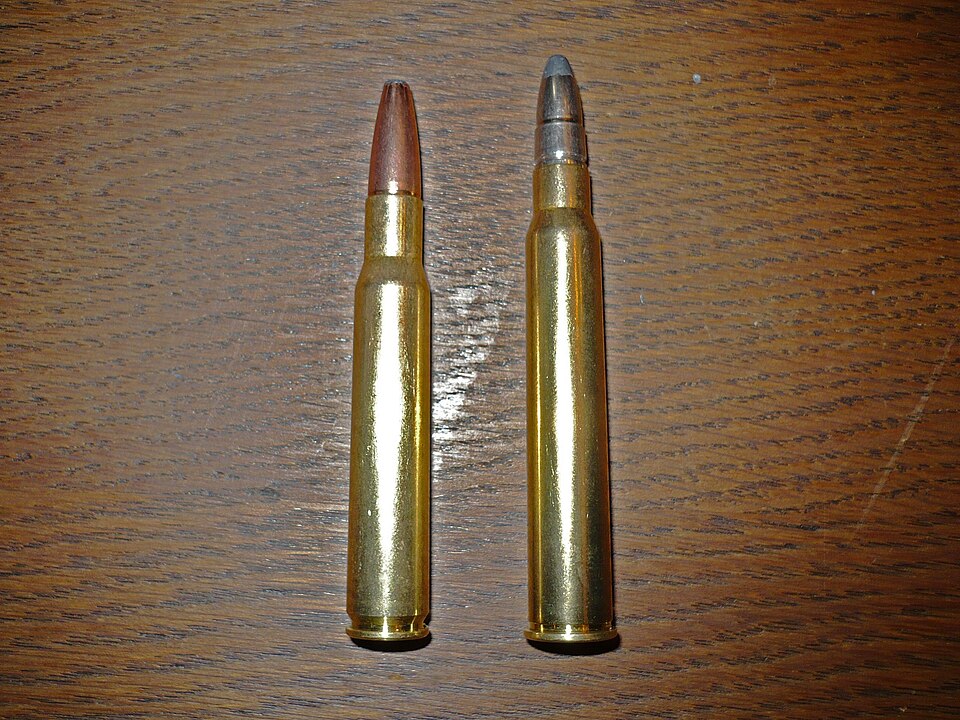
The .30-06 may be the most famous all-around hunting cartridge in North America, and that history can blur its actual role. On big game, it remains capable and flexible. The overestimation starts when hunters treat it as the obvious best answer rather than one answer among many. For deer, the argument against its inflated reputation is straightforward: it often brings more recoil than necessary without a dramatic practical advantage at normal distances.
In one comparison of common hunting rounds, .30-06 recoil around 20.3 ft.-lbs. sat well above several lighter-kicking cartridges that still maintain useful downrange energy for ordinary field shots. On larger game, the .30-06 is still legitimate, but hunters sometimes credit it with special authority when the real difference is familiarity, nostalgia, and broad ammo availability.
4. .300 Weatherby Magnum
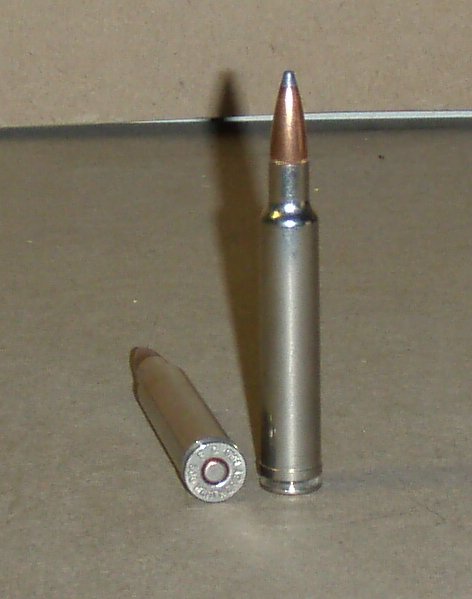
The .300 Weatherby Magnum built its image on speed, and speed still sells. In open country and with tough bullets, it unquestionably hits hard. The problem is that hunters often speak of it as though it occupies a class all its own, when practical field results overlap heavily with other .30-caliber magnums. Its reputation was forged in an era when raw velocity carried enormous prestige.
Today, the cartridge still delivers, but the added recoil, muzzle blast, and expense can outweigh the gain for many hunters. In direct criticism from an American Hunter column, the .300 Weatherby was described as so close in field effect to the .300 Winchester Magnum alternative that game would not notice the difference. That is the heart of the overestimation problem: dramatic paper performance does not always translate into meaningful separation on animals.
5. .270 Winchester Short Magnum
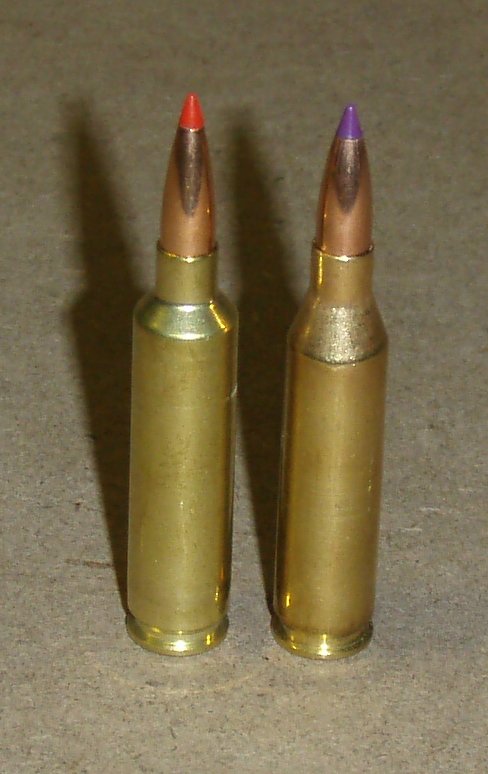
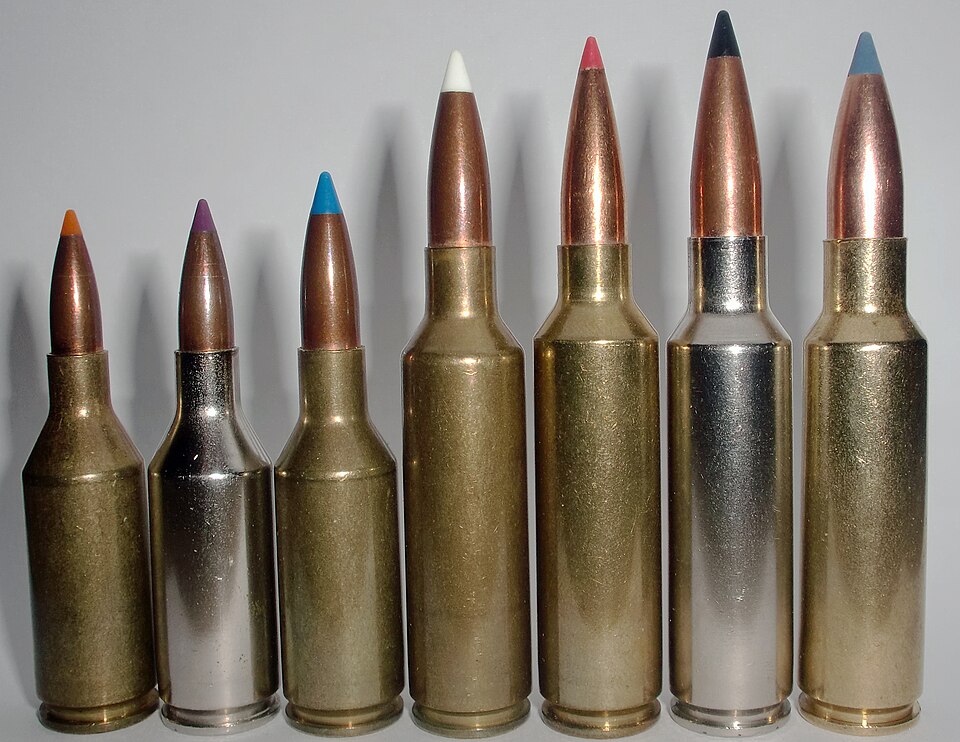
The .270 WSM arrived with all the appeal of modern magnum design: short action, high velocity, and flat trajectory. On paper, that sounds like an easy upgrade. In practice, its gains over the standard .270 Winchester are often treated as more transformative than they really are. The cartridge pushes the same bore diameter harder, but that usually means more recoil and more fuss for a return that many hunters will never cash in on big game.
It also runs into the basic limitations of .277 bullet selection at the heavy end. The result is a cartridge that can perform very well, yet still gets overrated because the promise of “faster in a shorter rifle” sounds more revolutionary than it tends to be in the field.
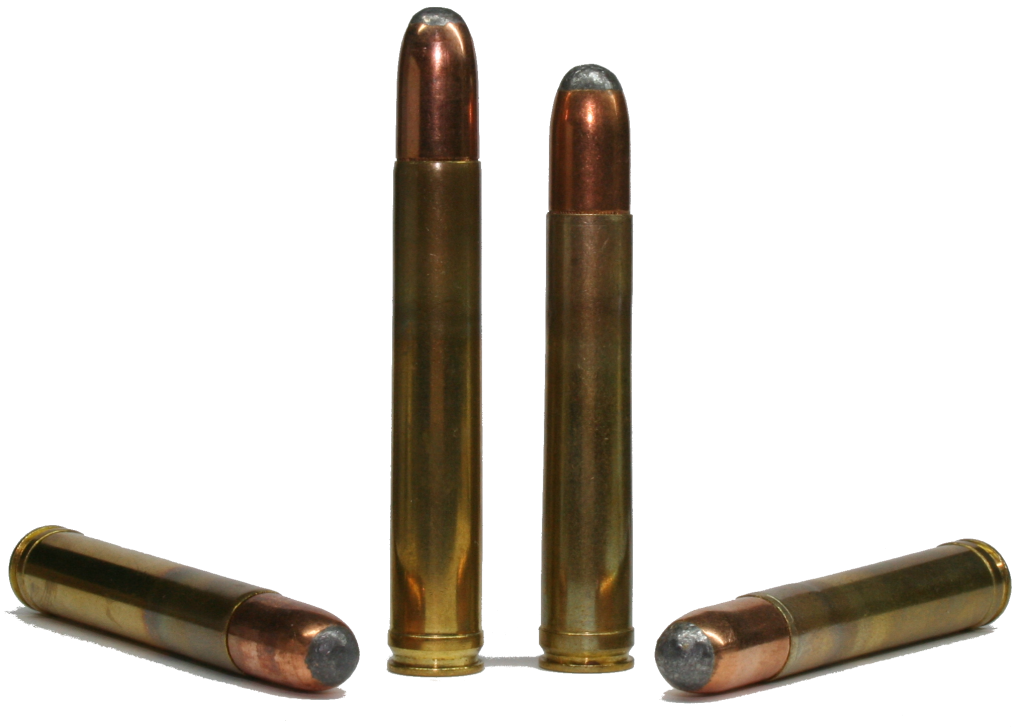
6. .458 Winchester Magnum
The .458 Winchester Magnum was designed around a serious idea: bring dangerous-game authority to a more common bolt-action platform. Its reputation, however, has long exceeded the ease with which it reaches that promise.
Critics have focused on reduced case capacity and the difficulty of matching its intended velocity without compressed loads. That matters because cartridges in this class are judged by dependable, repeatable heavy-bullet performance, not by theory. The .458 Winchester Magnum is not underpowered for all uses, but it has often been spoken of as if its original concept and its practical execution were identical. They were not.
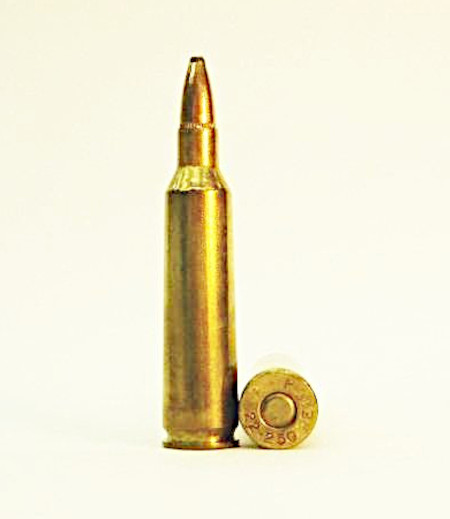
7. .22-250 Remington
The .22-250 is not a mainstream big-game round, but it is often dragged into the conversation whenever hunters discuss fast .22 centerfires doing more than expected. That reputation usually rests on velocity and flatness, both of which are real advantages on small targets. On big game, though, speed can distract from the more important questions of bullet weight, penetration, and shot angle tolerance. The cartridge has long been respected for accuracy and reach on varmints and predators, yet that success can encourage hunters to treat it as broadly adaptable. It is not. Its overestimation comes from assuming that flat trajectory compensates for the limited frontal area and bullet mass that bigger animals demand.
Most overrated big-game cartridges are not bad cartridges. They are cartridges that get separated from context. A round that works beautifully for deer from a steady rest in open country may be a poor choice for elk in timber, and a magnum that dominates a ballistic chart may offer little practical benefit if recoil reduces practice time. The common thread is not failure. It is misplaced confidence. Big-game performance depends less on legend than on matching cartridge, bullet, distance, and shooter skill to the animal in front of the rifle.


