Some hunting cartridges earn a reputation that grows faster than their real margin for error. That usually happens when a round is accurate, pleasant to shoot, or has enough success stories behind it to make its limitations look smaller than they are.
Big game performance is rarely about raw energy alone. Bullet construction, expansion window, penetration, shot angle, animal size, and the hunter’s ability to place a shot under field pressure matter more than a simple number on a ballistics chart. That is why certain calibers get overestimated: they can work, but only inside narrower boundaries than many hunters admit.
1. .223 Remington
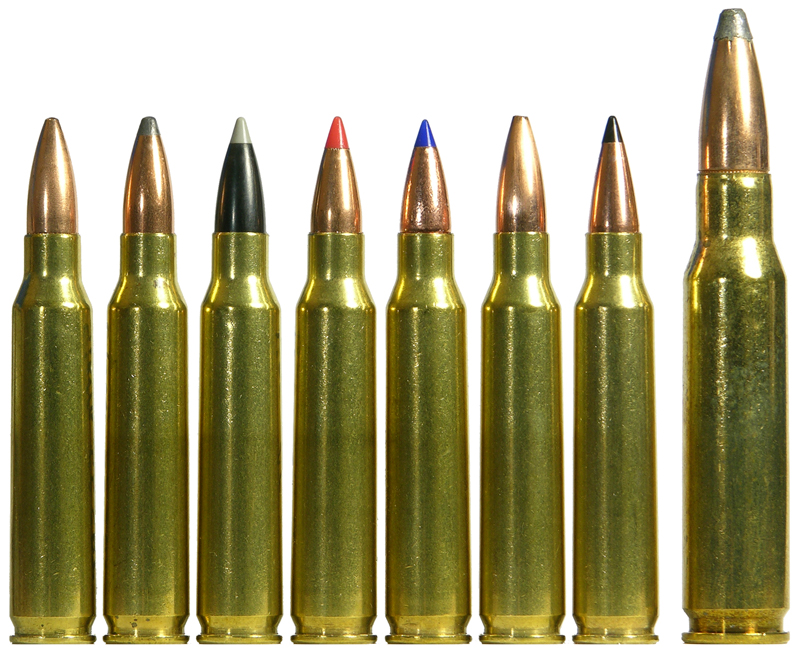
The .223 is the clearest example of a cartridge that can do the job without offering much reserve. Modern loads with tough bullets have changed what this round can accomplish, and some hunters have reported deep penetration with 70-grain TSX hunting loads and other heavy-for-caliber projectiles. That improvement is real. What gets overstated is how easily that success transfers to all big game situations. The cartridge is most dependable when the hunter keeps distance moderate, waits for broadside presentations, and uses bullets that expand reliably at impact speed. Even strong advocates of the .223 for deer describe it as suitable only within those limits, not as an all-angle answer for larger-bodied animals. Once the shot becomes quartering, steep, wind-affected, or longer than planned, the margin shrinks fast.
2. .243 Winchester
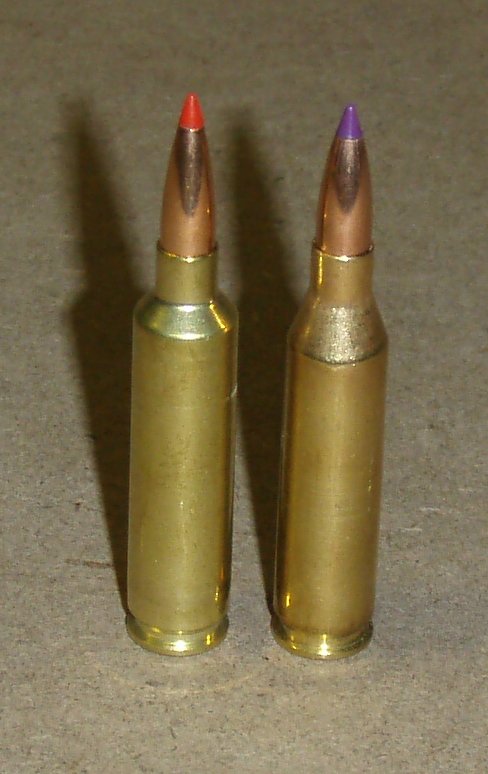
The .243 has filled freezers for decades, and it remains one of the easiest centerfires for new hunters to shoot well. That mild recoil is a real advantage. Its reputation on larger deer and mixed big game is where overconfidence shows up. Experienced hunters in load discussions repeatedly come back to the same warning: the .243 works best with sturdy bullets, disciplined shot selection, and restrained range. In one forum exchange, hunters noted that proper shot placement and not overextending the range are central to getting reliable results. That is not the language of a forgiving big-game round. It is the language of a cartridge that performs well until a hunter asks too much of it.
3. 6mm-class speed cartridges
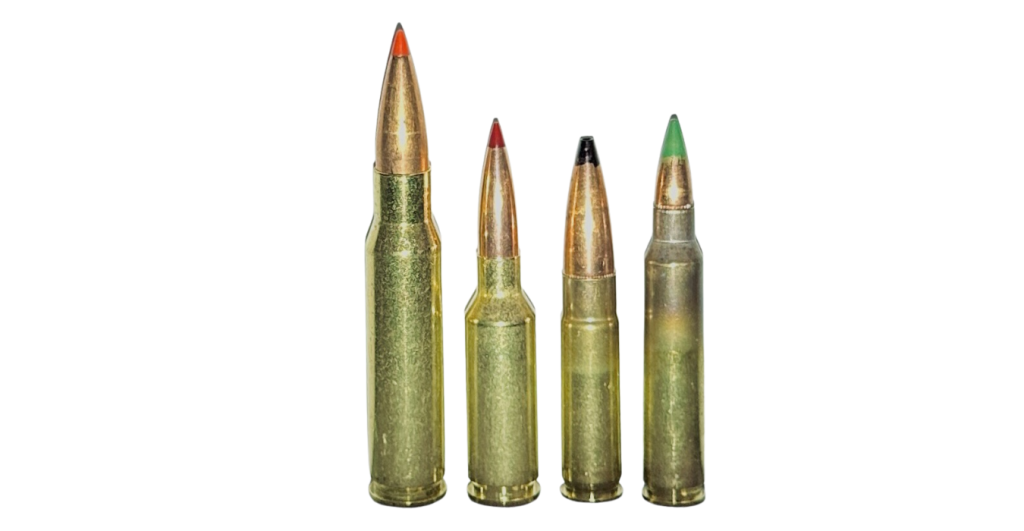
Fast 6mm rounds often get praised for flat trajectory, low recoil, and impressive numbers on paper. Those traits can make them look larger than they are in the field. The issue is that speed alone does not guarantee a wide wound channel or deep penetration on heavier game. Light-for-caliber bullets can be dramatic on deer-size animals and still become inconsistent when bone, quartering angles, or larger body mass enter the picture. The reference material repeatedly points back to a basic rule: velocity has to match bullet design. Push a fragile bullet too fast and penetration can suffer; drop velocity too much and expansion can become uncertain. That makes these cartridges efficient tools, but not broad-shouldered insurance policies.
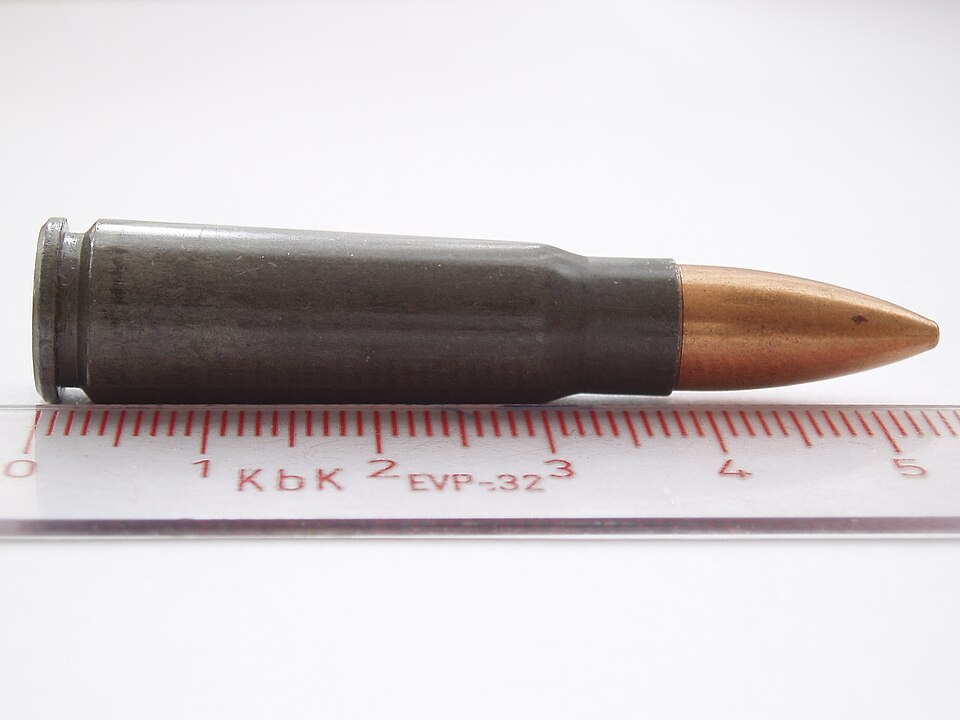
4. 7.62×39
The 7.62×39 is often treated like a compact substitute for more established deer rounds because it throws a .30-caliber bullet and can perform well at woods ranges. That comparison only goes so far. Real-world discussion around hunting loads for the cartridge shows how dependent it is on bullet choice and realistic distances. In one field example, a 160-grain hunting bullet at 2225 fps penetrated a deer lengthwise and stopped under the shoulder blade, proving that penetration was available. But the same discussion also highlighted the tradeoff: too much bullet for the velocity window can reduce upset, while lighter bullets may be needed for more dramatic terminal effect. That balancing act is exactly why the cartridge gets overestimated when hunters describe it as simple, universal medicine for big game.

5. .30-30 Winchester
The .30-30 has one of the strongest reputations in North American hunting, and it earned that honestly. It has dispatched untold numbers of deer. That history can lead hunters to inflate what it is today. Standard loads are not fast, the trajectory is not forgiving, and results depend heavily on keeping range and angle reasonable. Even admirers describe it as a moderate-range slayer rather than a hard-hitting all-rounder. The cartridge still works very well in its lane, but the lane is narrower than nostalgia sometimes suggests.
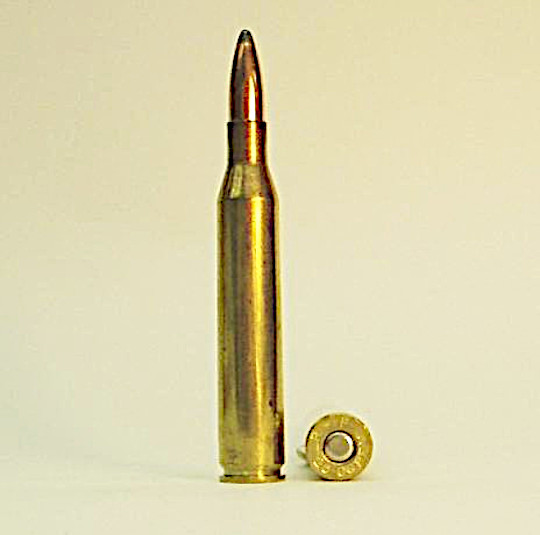
6. .25-06 Remington
The .25-06 often gets talked about as though flat trajectory solves every big-game problem. It is certainly fast, and with the right bullets it is highly effective on deer-size animals.
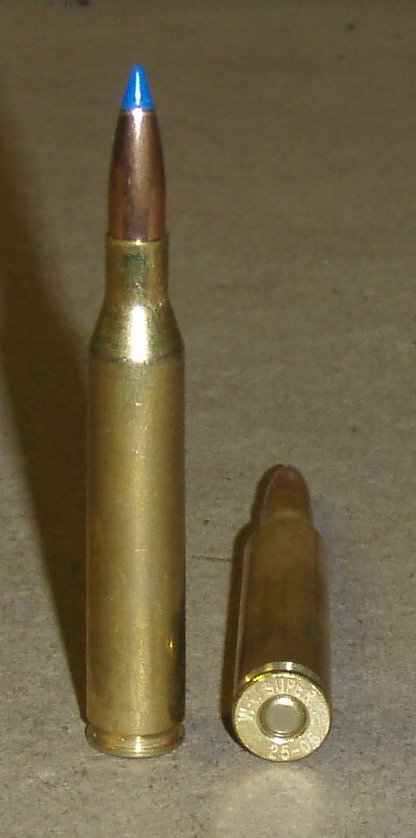
What gets overstated is its authority on heavier game simply because it shoots fast and looks sleek on paper. The cartridge depends on relatively light bullets for caliber, and that places more pressure on bullet construction and shot presentation when the target gets larger. It can be excellent for open-country deer hunting. That does not automatically make it a generous cartridge for all big game scenarios.
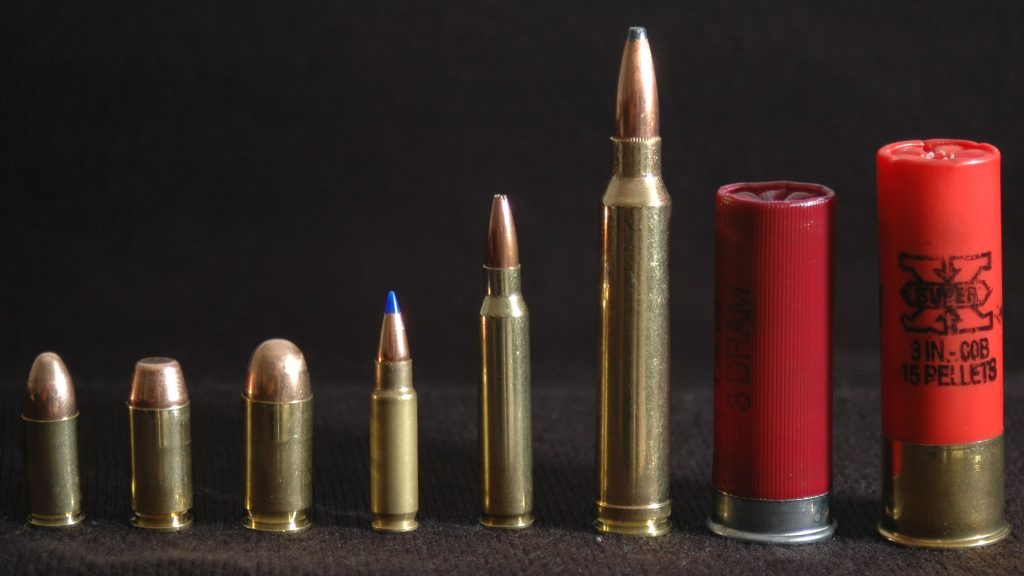
7. Magnum cartridges loaded with false confidence
Not every overestimated caliber is too small. Some are overestimated because hunters assume speed and recoil erase poor decisions. The forum material on “ethical minimums” cuts through that idea bluntly: energy alone is not a valid criteria. Large cartridges can still fail when bullets do not hold together, when impact velocity is mismatched to construction, or when shots are taken outside the hunter’s actual ability. A magnum does not turn a bad angle into a good one, and it does not excuse weak field marksmanship. In that sense, some of the most overestimated calibers are the biggest ones, because they encourage hunters to trust horsepower more than bullet behavior.
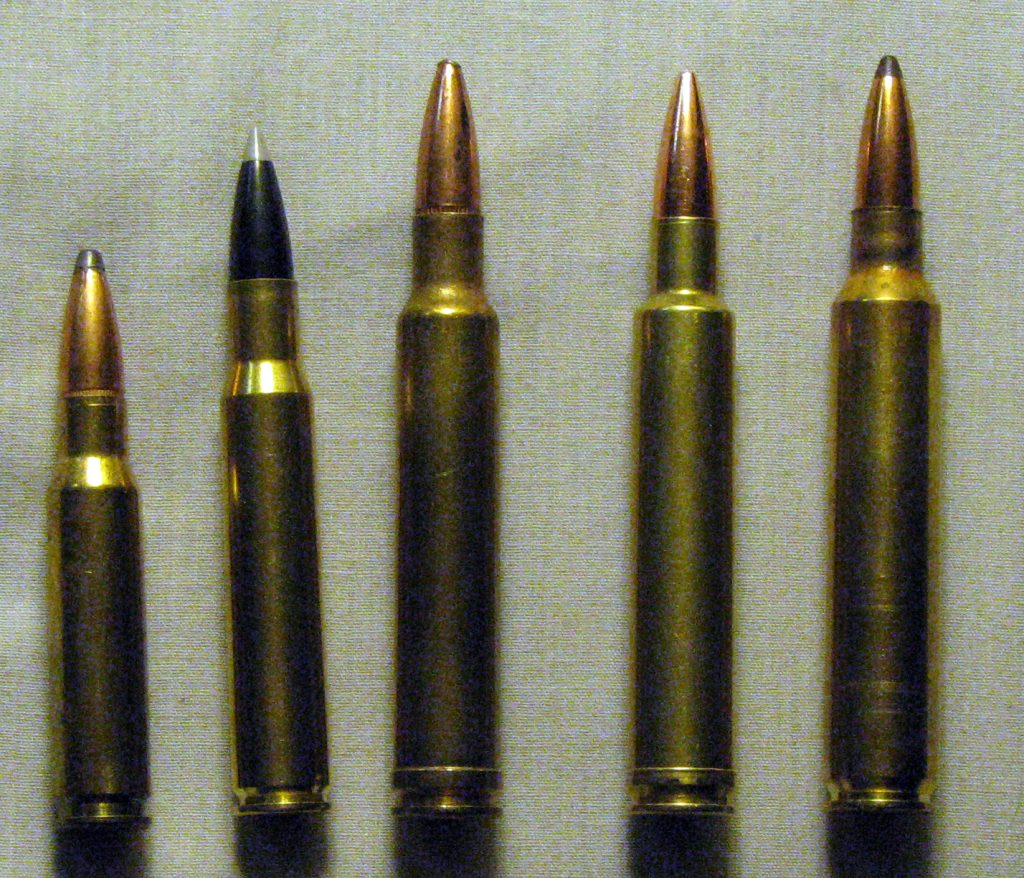
The common thread is not that these cartridges are ineffective. It is that many of them are highly conditional tools dressed up as universal answers. A round can be accurate, proven, and even deadly on big game while still being easy to overrate. Hunters who keep those limits in view usually focus less on published energy and more on bullet design, impact speed, distance, and shot angle. That approach does not make a cartridge look dramatic, but it does keep its reputation tied to what it can actually deliver in the field.


