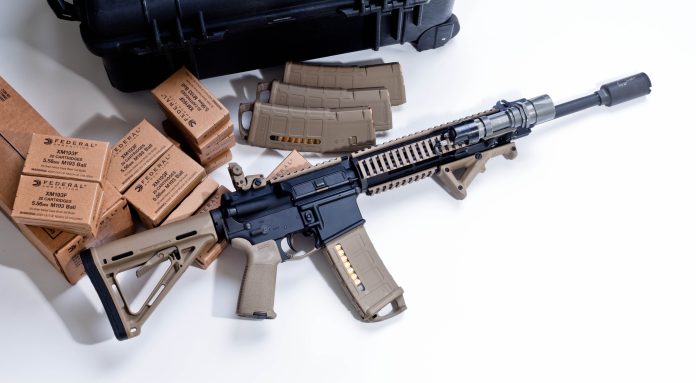
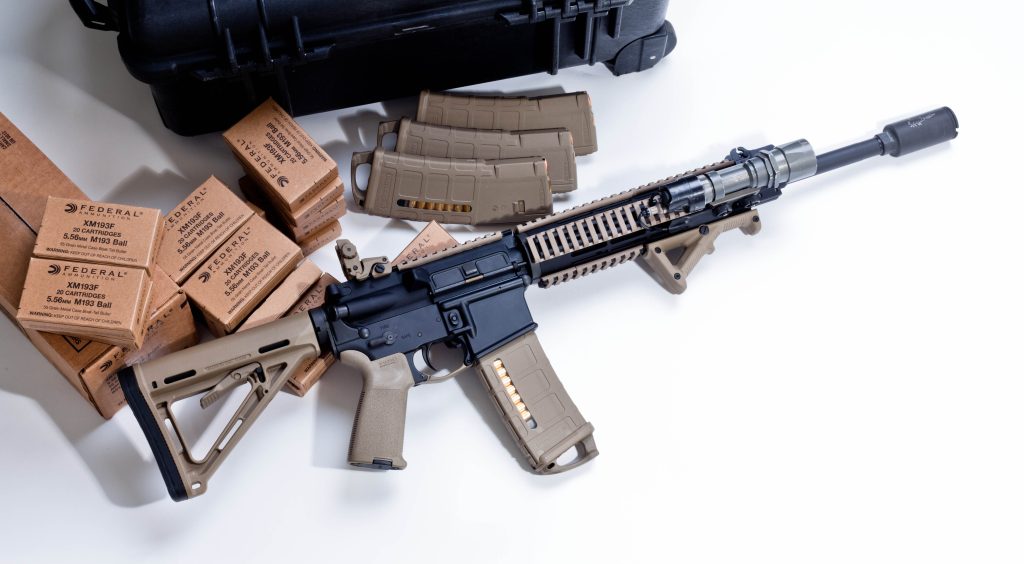
The AR-15 is one of the most recognizable rifle platforms in the United States, yet it is also one of the most misunderstood. Part of the confusion comes from the rifle’s long development history, and part comes from the way technical terms such as caliber, action type, and interchangeability get blurred together in everyday conversation.
That matters because the AR-15 is a platform, not a single fixed configuration. Its design, chambering, operating system, and internal components are often discussed as if they were all simple and universal. They are not.

1. “AR” stands for “assault rifle”
This is one of the most durable misconceptions surrounding the platform. In the original naming, AR referred to ArmaLite, the company that developed the rifle family. The early AR-15 was derived from the AR-10, and the designation reflected the manufacturer rather than a firing mode or battlefield category. That history is well documented in the ArmaLite AR-15’s development record. The confusion persists because later military rifles descended from the design, especially the M16, look similar enough that many owners and non-owners treat the names as interchangeable. They are related, but the initials themselves did not begin as a description of capability.

2. Every AR-15 is basically an M16
The visual resemblance between civilian AR-15 rifles and military M16 variants leads many people to flatten the distinction. Modern civilian AR-15 rifles are generally semi-automatic, while the M16 family was built around selective-fire capability. That difference is not cosmetic. It involves the lower receiver geometry and fire-control parts, including the presence of an auto sear interface on the military pattern. Some parts overlap, and some dimensions can look deceptively close. Even so, “almost the same” is not the same thing as identical. Reference material on lower receiver and fire-control differences shows why this myth survives: the platform shares a lineage, but the legal and mechanical distinctions remain central to how the rifles are built.
3. .223 Remington and 5.56 NATO are exactly the same
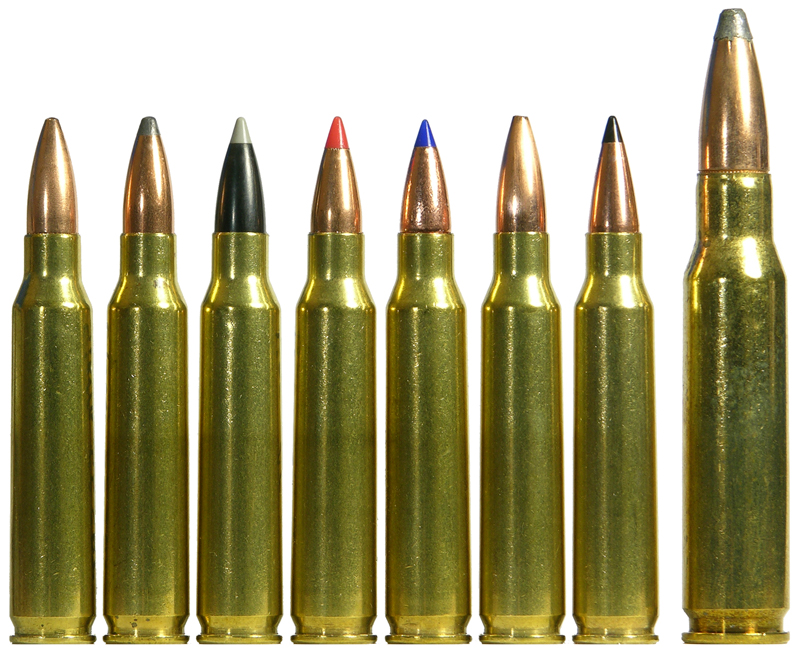
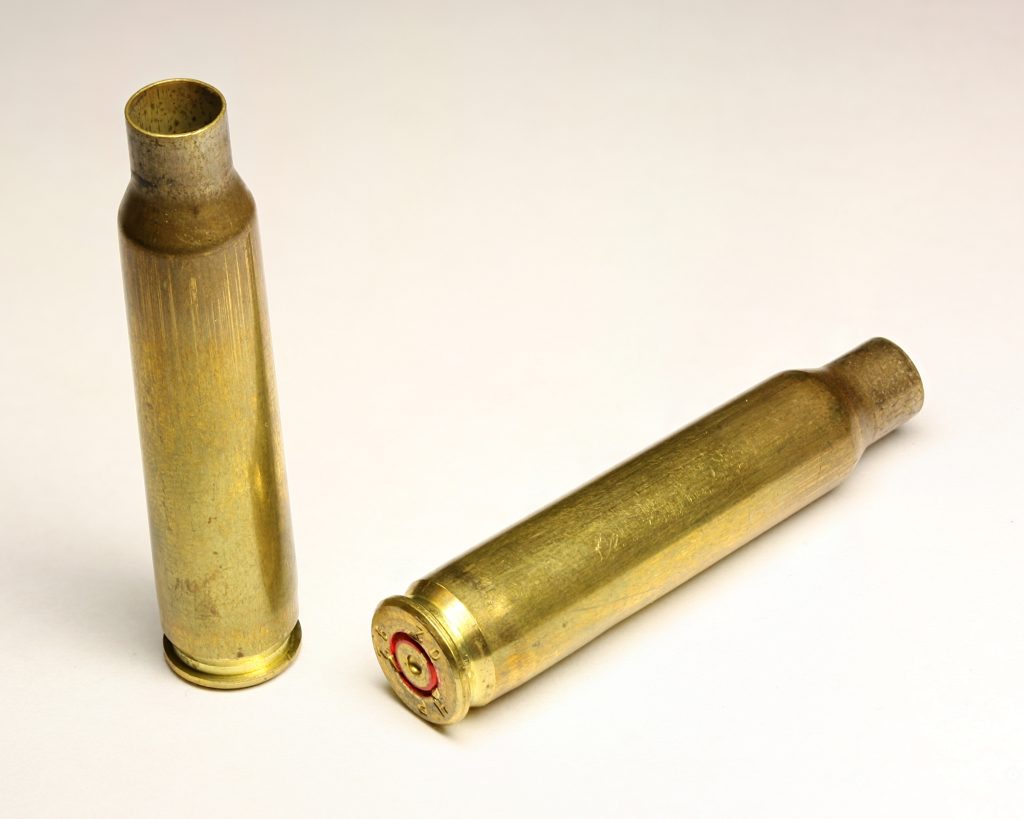
This myth causes more than bad range talk. It can create a real safety problem. The cartridges are extremely similar in appearance, but they are not identical in specification. A rifle chambered for 5.56 NATO can generally fire .223 Remington, while the reverse is not automatically safe because 5.56 NATO can operate at higher pressure. One widely cited comparison notes 5.56 NATO pressure around 61,000 psi versus lower SAAMI pressure for .223 Remington. Owners who assume every AR-15 digests both without question often overlook the most basic rule: read the chamber marking on the barrel or receiver and match ammunition to that chambering. Similar case dimensions do not erase pressure differences.

4. The AR-15 was designed only for civilian sport shooting
The civilian market made the platform famous, but that was not its full original context. The AR-15 emerged from a military search for a lighter rifle firing a smaller, high-velocity cartridge that allowed troops to carry more ammunition and manage recoil more effectively.The design was shaped around weight, controllability, and modular construction. Historical testing described teams armed with AR-15s as having greater carried ammunition capacity than similarly equipped troops using M14 rifles, and the platform’s straight-line recoil layout reduced muzzle rise. That engineering logic still explains why the rifle remains adaptable across many civilian uses today: it was built from the beginning around handling efficiency, not just appearance.
5. All AR-15s use “direct impingement” in the simple, conventional sense
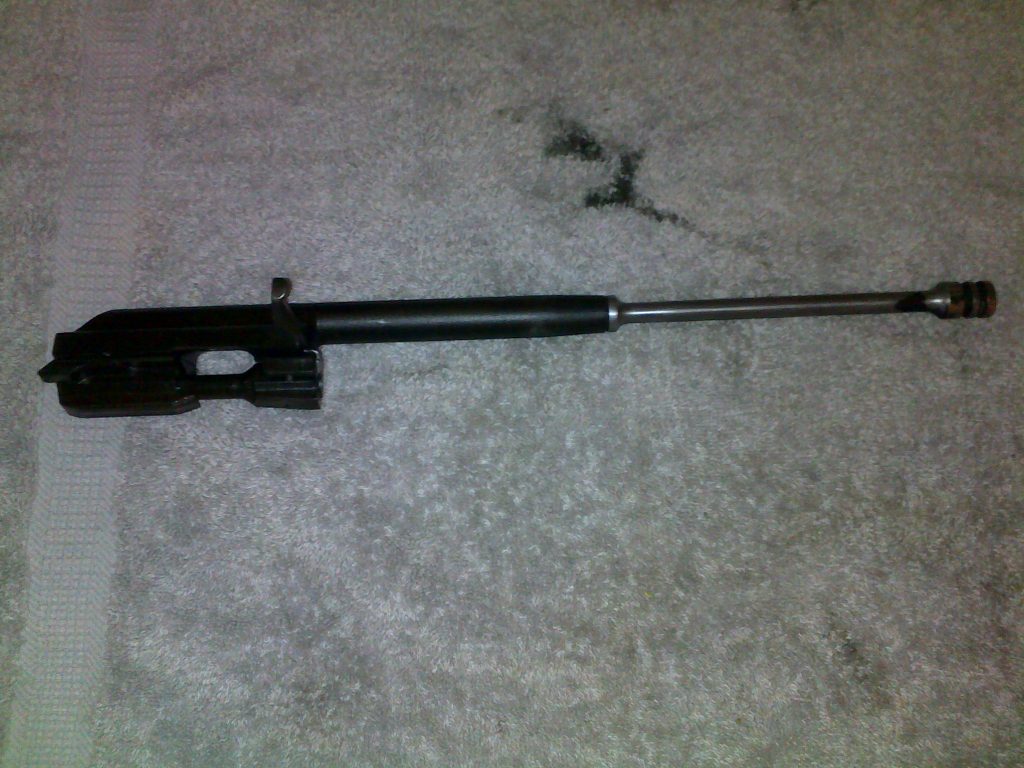
The phrase gets repeated so often that it has become shorthand for the entire operating system, but the mechanism is more specific than many owners realize. Eugene Stoner’s design routes gas through the system to drive the bolt carrier, and technical descriptions from the platform’s early history identify it as an expanding gas system rather than a conventional direct-impingement layout. That distinction matters because it helps explain why the rifle can be light, mechanically efficient, and balanced around a straight recoil path. The operating system is part of the platform’s engineering identity, not just a buzzword. Treating every AR-15 gas system as interchangeable or mechanically identical blurs an important part of why the rifle behaves the way it does.
6. Any AR-15 trigger upgrade automatically makes the rifle more accurate
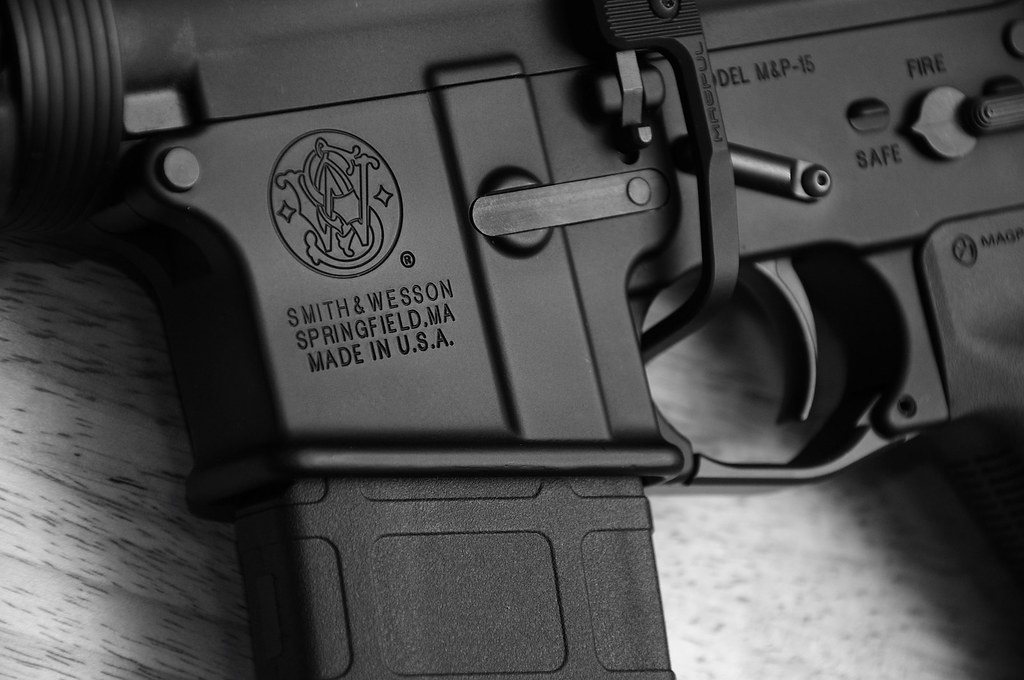
Triggers influence shootability, but they do not work miracles on their own. A cleaner break and more predictable pull can help a shooter press the shot with less disturbance, which is why single-stage, two-stage, and adjustable triggers are discussed so often in precision circles.
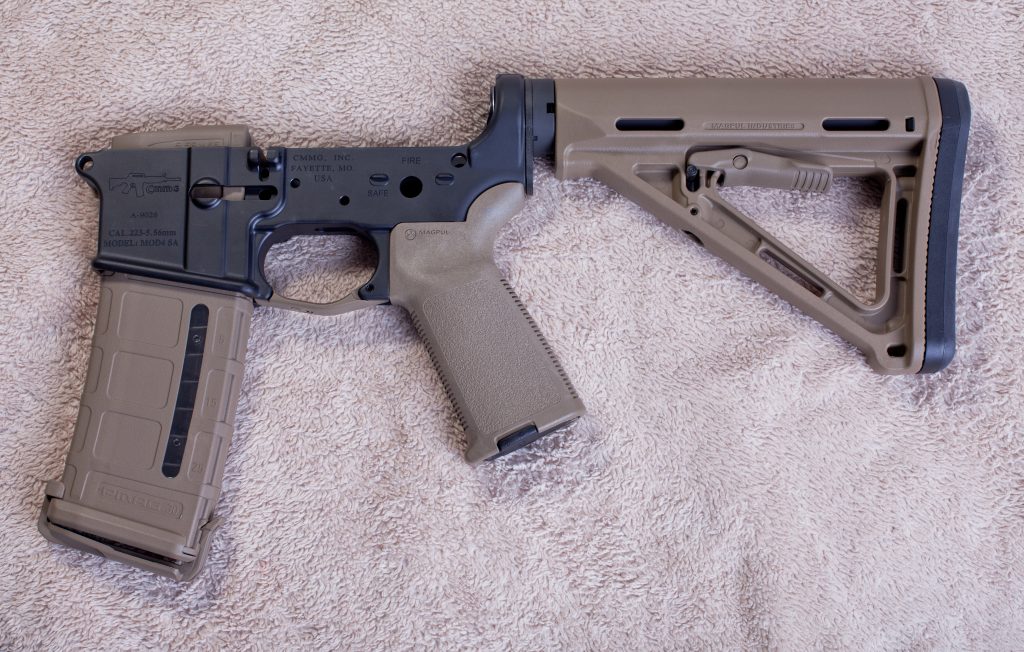
But the trigger is only one part of a larger system that includes barrel quality, ammunition consistency, optic setup, and shooter technique. A very light trigger can also introduce safety and control concerns if it is not matched to the rifle’s role or installed correctly. The trigger changes how the rifle feels and how consistently the shooter can operate it. That is not the same thing as guaranteeing tighter groups.
7. The AR-15 is locked into one role because of 5.56 performance
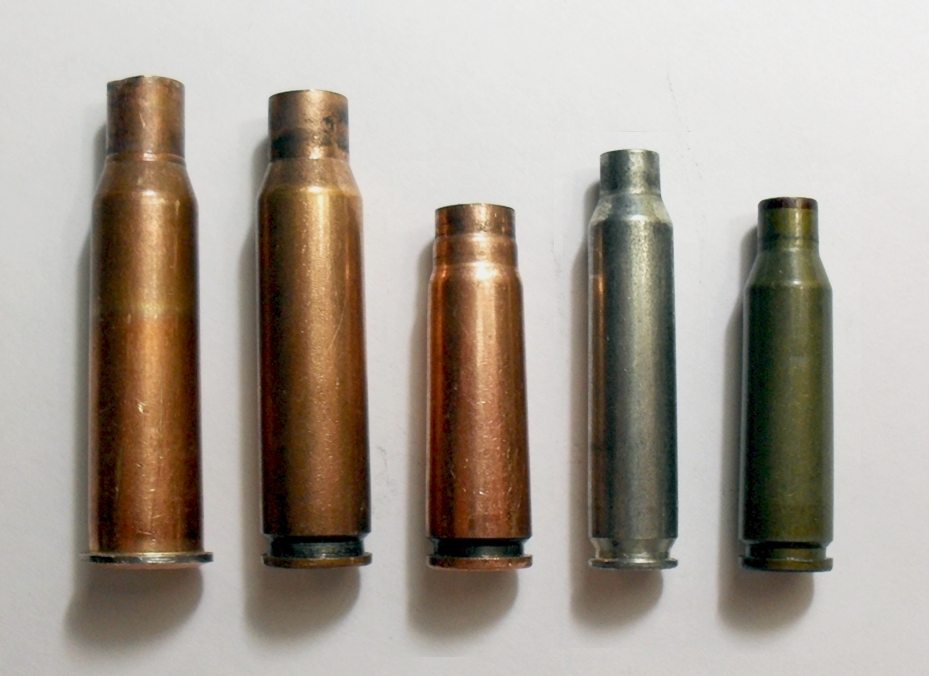
Many myths about the rifle start with the cartridge and then unfairly define the whole platform around it. The 5.56 NATO round offers low recoil, fast follow-up shots, and lighter carried ammunition, while larger rounds such as .308 Winchester and 7.62 NATO hold advantages in downrange energy, wind resistance, and longer effective range. One comparison shows substantially greater retained energy from .308 at 500 yards, but that does not make the AR-15 obsolete or one-dimensional. The point is not that 5.56 can do everything. It is that the rifle’s reputation is often distorted by expecting one cartridge to cover every job equally well. The platform became popular partly because it is light, modular, and easy to configure around specific needs. Cartridge limits are real, but they are not the same as platform limits.
Most AR-15 myths survive because they mix one true detail with a broad false conclusion. The rifle shares ancestry with military designs, but that does not erase differences in configuration. Its common chamberings look similar, but that does not make them interchangeable. Its modularity encourages customization, but that does not turn every swapped part into a performance breakthrough. For owners, the clearest path through the noise is technical literacy: chamber markings, operating system basics, receiver differences, and realistic cartridge expectations. The AR-15 is complicated enough to reward precision and common enough to attract oversimplification. That combination is exactly why the myths keep circulating.


