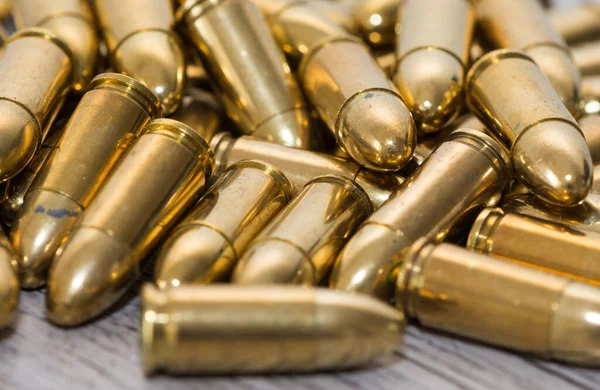
Handgun caliber debates often drift toward folklore. The more useful filter is narrower: whether a cartridge can drive deep enough, often enough, to reach vital structures when clothing, bone, and imperfect shot angles complicate the problem. That is why the FBI’s long-used 12-to-18-inch ballistic gelatin standard still matters. It is not a promise of instant incapacitation, but it remains a practical benchmark for judging whether a handgun round has enough penetration to do meaningful work under realistic conditions.
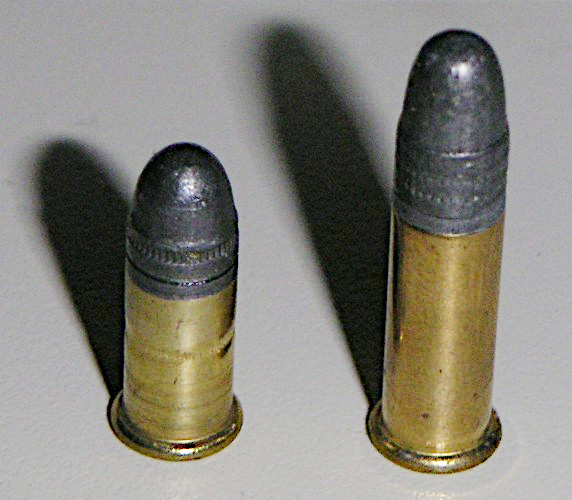
1. .22 Short
The .22 Short still carries historical appeal, but its defensive limits are hard to ignore. Designed in another era and better suited to quiet plinking or very small pests, it delivers too little velocity and too little bullet weight from handguns to inspire confidence as a serious defensive round. In practical terms, that means shallow penetration and almost no margin when heavy clothing or bone enter the picture. A cartridge can be easy to shoot and still be badly underpowered for modern defensive expectations. The .22 Short fits that description too well.
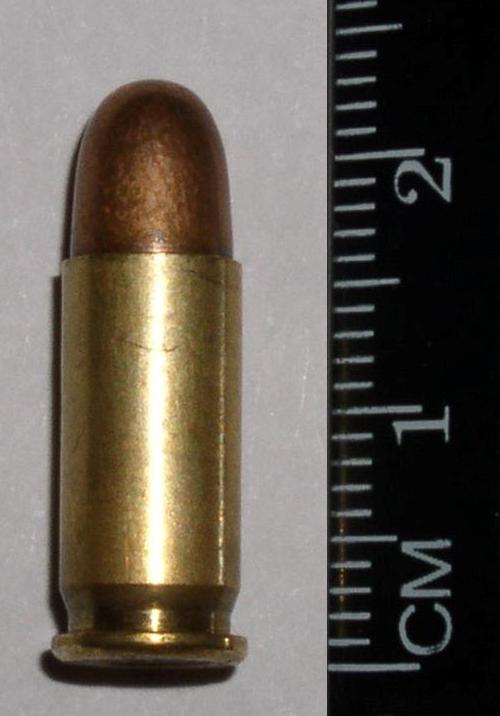
2. .25 ACP
The .25 ACP solved one old problem by using centerfire ignition instead of rimfire, giving tiny pocket pistols a reliability advantage over some small .22s. That improvement did not fix the bigger issue: weak terminal performance. Test results across pocket-gun loads have shown that many .25 ACP loads fail to reach 12 inches. Hollow points tend to give up even more penetration, and even full metal jacket loads offer only a narrow path to acceptable depth. For a cartridge already operating at the edge, that leaves little room for real-world complications.
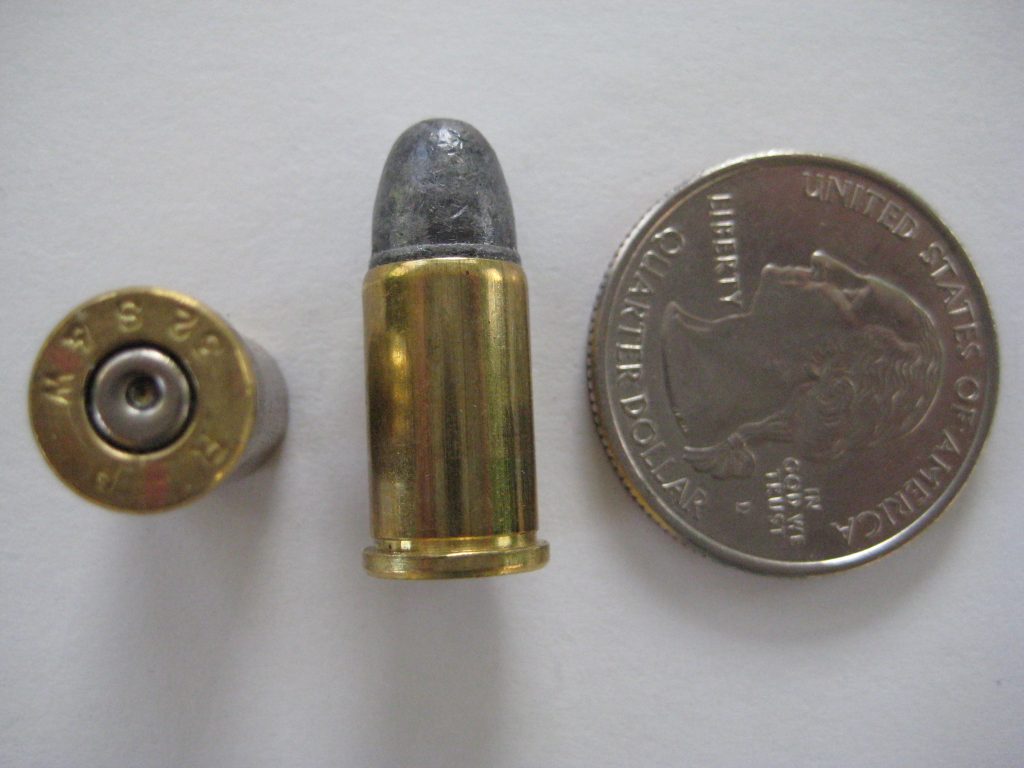
3. .32 S&W
The original .32 S&W belongs more to firearms history than to current defensive thinking. It earned a place in compact revolvers because it was mild, manageable, and easy to carry, but those same traits came with low velocity and limited energy. Compared with later .32 cartridges, it is plainly outclassed. It struggles to produce the depth and consistency expected of modern defensive ammunition, especially when fired from short-barreled revolvers. For collectors, that is part of its charm. For defensive use, it is the problem.
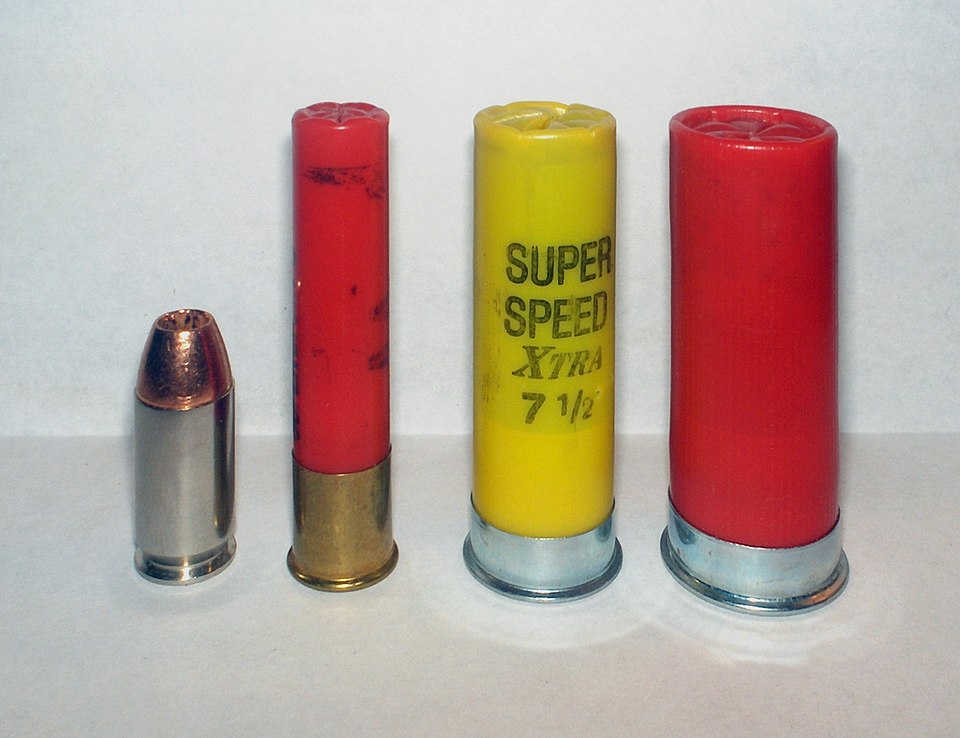
4. .410 Bore From a Handgun
The handgun chambered for .410 shells looks formidable, and that visual impression has helped the concept stick around. The trouble is that short-barreled handguns do not let .410 loads behave like full-length shotguns.
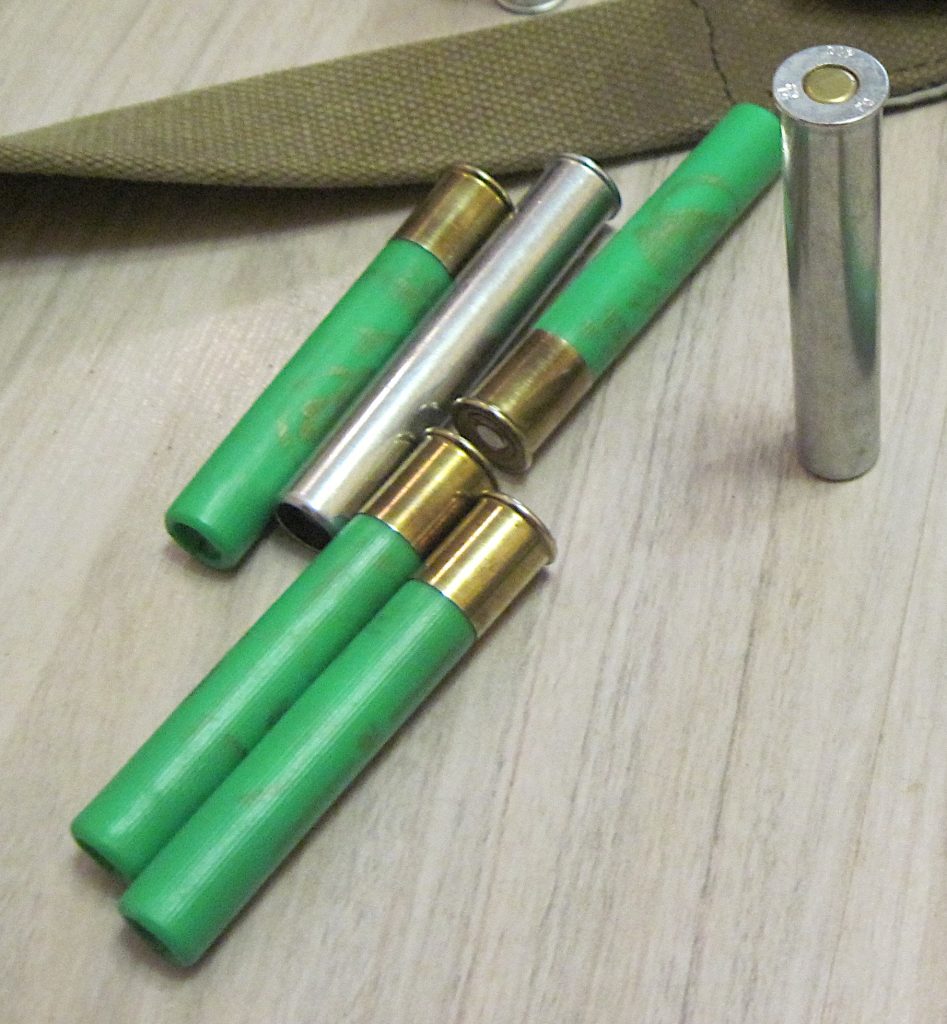
With buckshot, spread arrives faster than many shooters expect, and each pellet carries limited energy. Some loads can penetrate acceptably in bare gelatin, but clothing can cut into that performance, while birdshot remains far too shallow to count on. Slugs bring their own issues from short barrels, including inconsistent stability. The result is a platform that appears versatile but often trades dependable penetration for novelty.
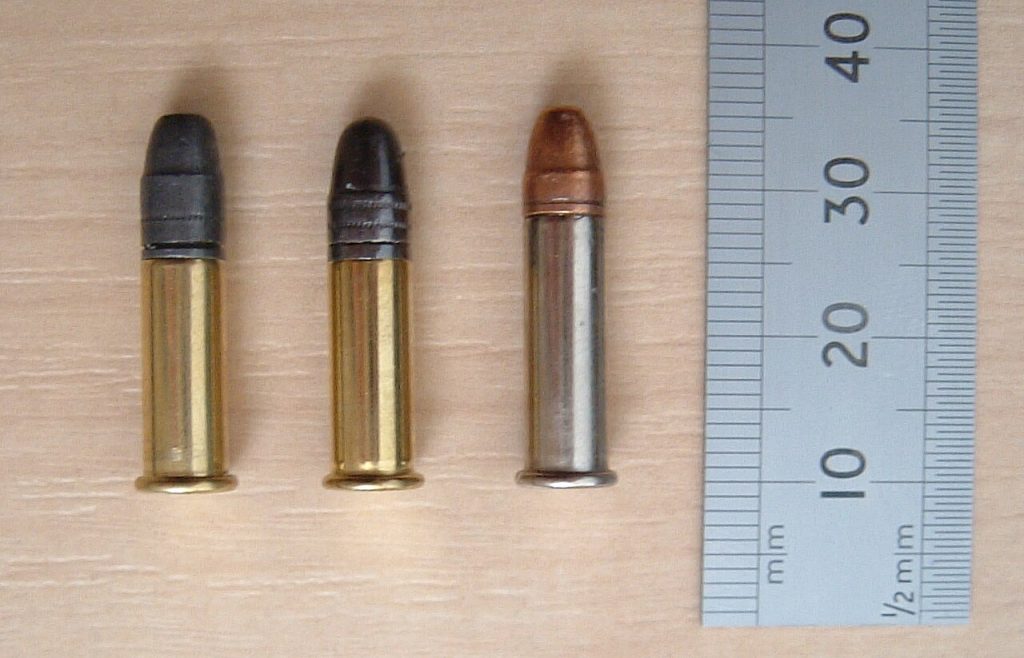
5. .22 LR
The .22 LR is one of the world’s most common cartridges for good reason. It is affordable, easy to practice with, and genuinely useful in rifles and trail guns. In handguns meant for defense, the picture changes. Very short barrels reduce velocity, and rimfire ignition still carries a reliability disadvantage over centerfire ammunition. Testing has repeatedly shown that .22 LR hollow points from very short barrels often struggle to balance expansion with enough depth. When a small cartridge already depends heavily on exact shot placement, inconsistent penetration becomes a serious liability.
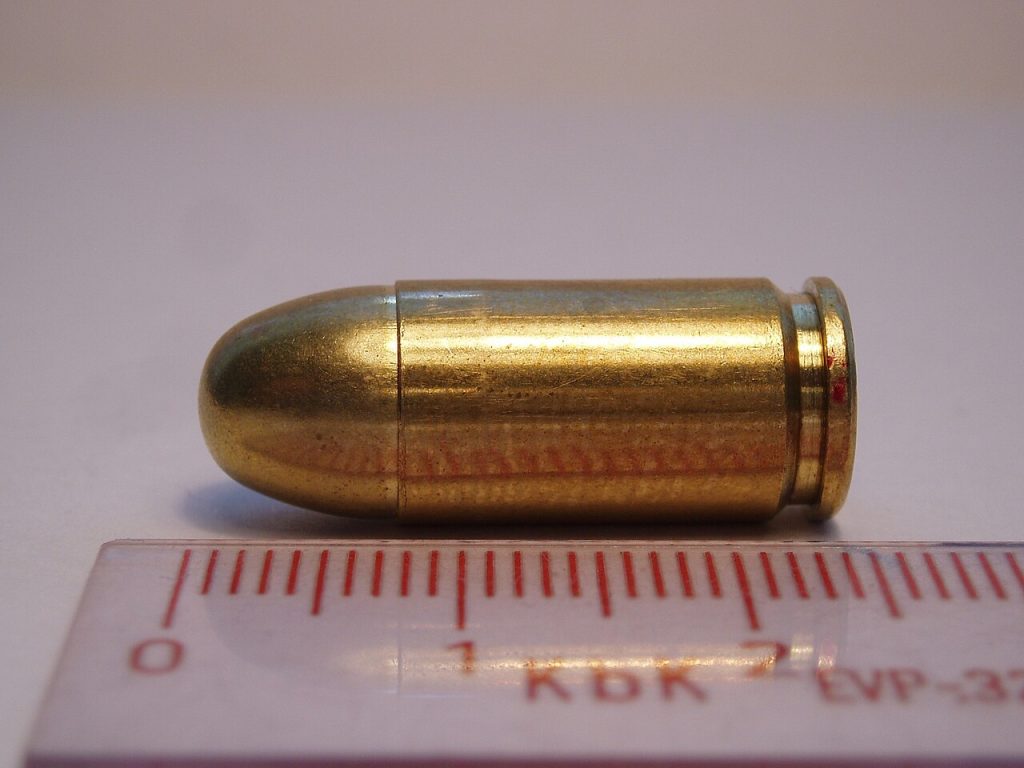
6. .380 ACP
The .380 ACP is often treated as the minimum acceptable carry caliber, and that reputation exists because it sits right on the line. Some loads penetrate enough but expand very little. Others expand well and stop short. That balancing act is what makes .380 so load-sensitive in compact pistols. Broad testing has shown that rapidly expanding .380 hollow points are especially prone to coming up short. It can work, but it often demands careful ammunition selection, and the cartridge offers less forgiveness than larger service calibers.
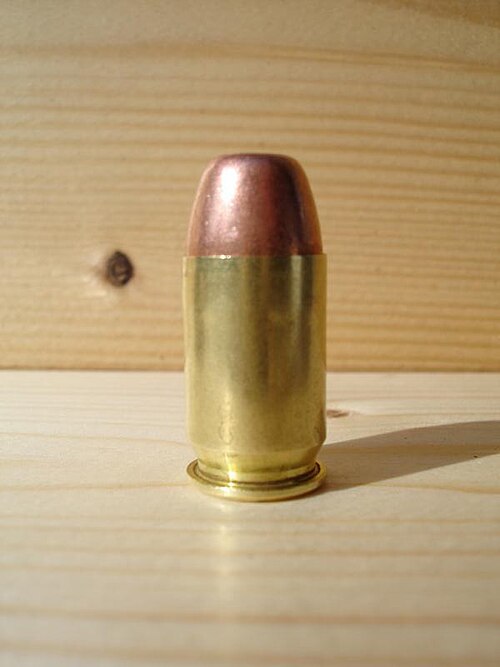
7. .45 GAP
The .45 GAP is different from the others on this list. Its problem is not that it is too weak. Its problem is that it never offered a meaningful payoff for the tradeoffs it introduced. Built to approximate .45 ACP performance in a shorter case, it arrived as a technical workaround rather than a broad ballistic improvement. The recoil and on-target performance did not create a clear advantage over .45 ACP, while firearm choice and ammunition support remained limited. In defensive handgun terms, that makes it hard to justify when better-supported options do the same job with fewer constraints.
The larger takeaway is simple. Handguns do not deliver dramatic “stopping power” in the cinematic sense, and shot placement and adequate penetration matter more than caliber mythology. A cartridge that cannot reliably reach vital structures leaves the shooter with less margin when everything goes wrong. That is why older, smaller, or niche handgun rounds keep falling out of serious defensive conversations. Some remain enjoyable range cartridges. Some still have collector appeal. But when the standard is reliable penetration from a concealable handgun, these seven rounds show how quickly nostalgia and marketing can run ahead of performance.


