Polymer sidearms dominate modern military and law-enforcement inventories, but several older metal-framed handguns still hold unusual staying power. Their appeal is not nostalgia alone. It is a mix of durability, controllability, repairability, and long service records in roles where sidearms are carried as insurance, authority symbols, or last-ditch tools.
That helps explain why certain all-steel and alloy-frame pistols keep surfacing in elite inventories, training pipelines, and specialist circles long after newer designs became standard. Some stayed because they were exceptionally reliable. Others endured because their handling, balance, or mechanical layout remained hard to replace.
1. SIG Sauer P226
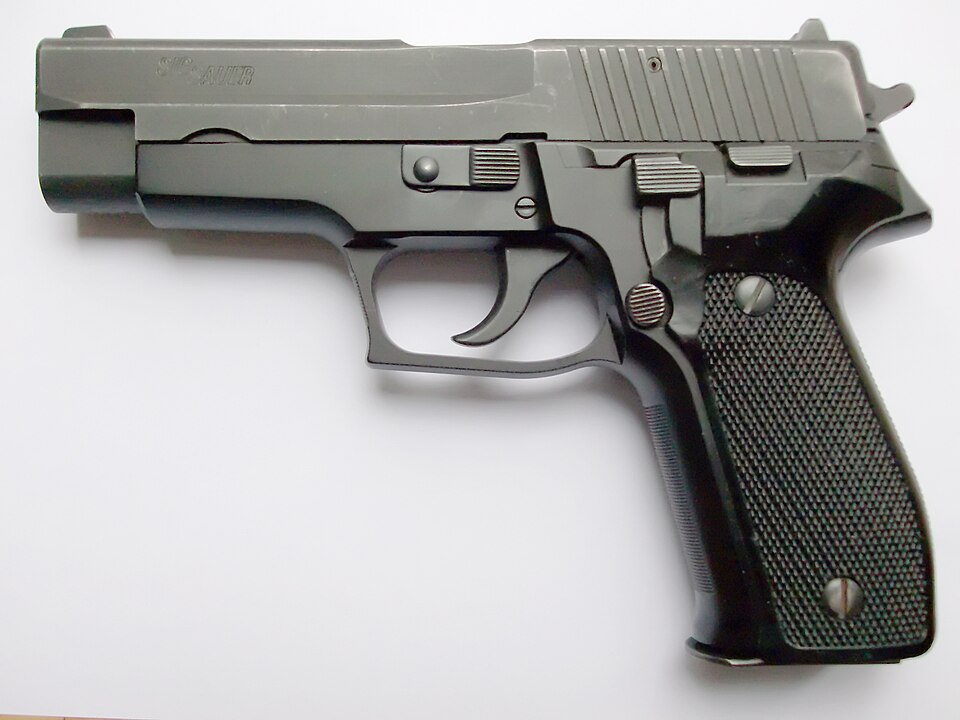
The P226 earned its reputation by surviving the era when military pistol trials became a stress test for both engineering and procurement. It emerged from the U.S. XM9 competition as a technical finalist, and even after losing the larger contract, it built a second career with specialized units that valued its accuracy, corrosion resistance, and predictable double-action/single-action trigger system.
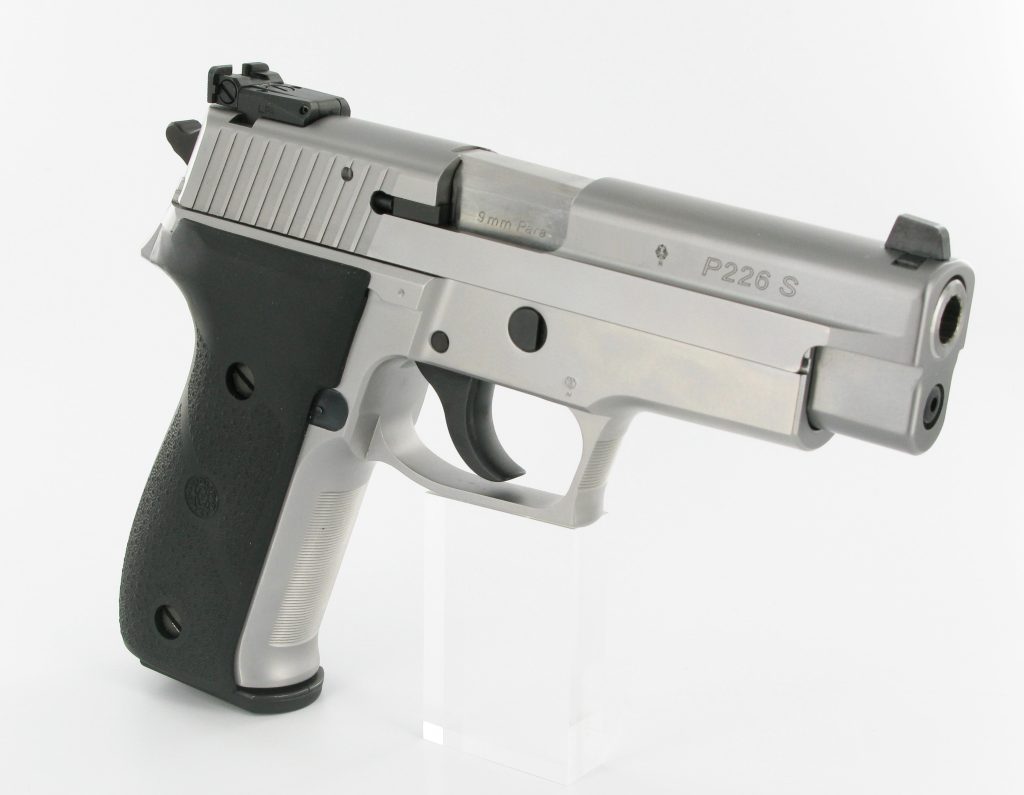
Its special-operations image is tied most closely to the SEAL teams, where the pistol entered service in 1989 and later evolved into purpose-built variants. The later Mk 25 added a standard M1913 Picatinny rail and SIGLITE night sights, reflecting how the platform adapted to lights and modern low-light use without abandoning its core layout. Stainless slide construction and anti-corrosion finishes also made sense for maritime environments. Even as striker-fired pistols gained ground, the P226 remained a benchmark for what a full-size alloy service pistol could do when reliability and shootability mattered more than weight savings.
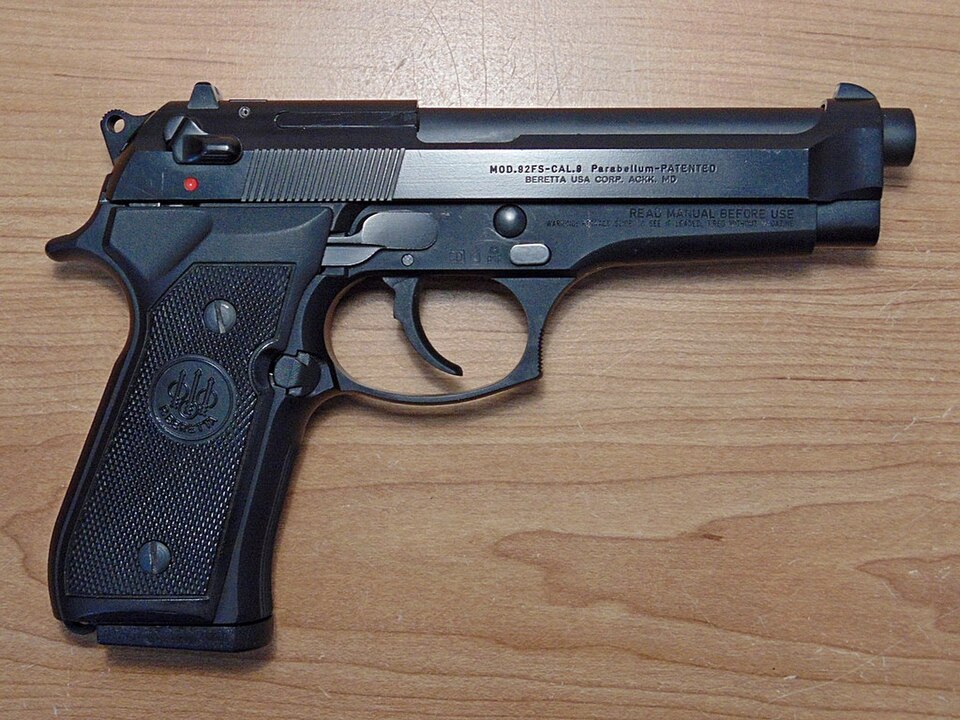
2. Beretta 92FS / M9
The Beretta 92 became one of the defining service pistols of the late 20th century because it married high capacity, soft recoil, and a very distinctive operating system. Its open-slide design and locking block gave it a reputation for smooth cycling, while the large grip and long sight radius made it easier for many users to shoot accurately. The M9’s legacy is more complicated than its silhouette suggests. During early U.S. service, slide failures damaged the pistol’s image, but later analysis tied much of that controversy to overpressure ammunition far outside the NATO specification.
Beretta’s 92FS-era fix added the enlarged hammer pin and matching slide cut that physically prevented the rear of the slide from leaving the frame. That update mattered because it turned a damaged reputation into a long-running service life. The M9A1 then pushed the design forward with a rail, stronger locking block, and improved magazines better suited to sand and dust, showing that an alloy-frame 1980s pistol could still be modernized for 21st-century field use.
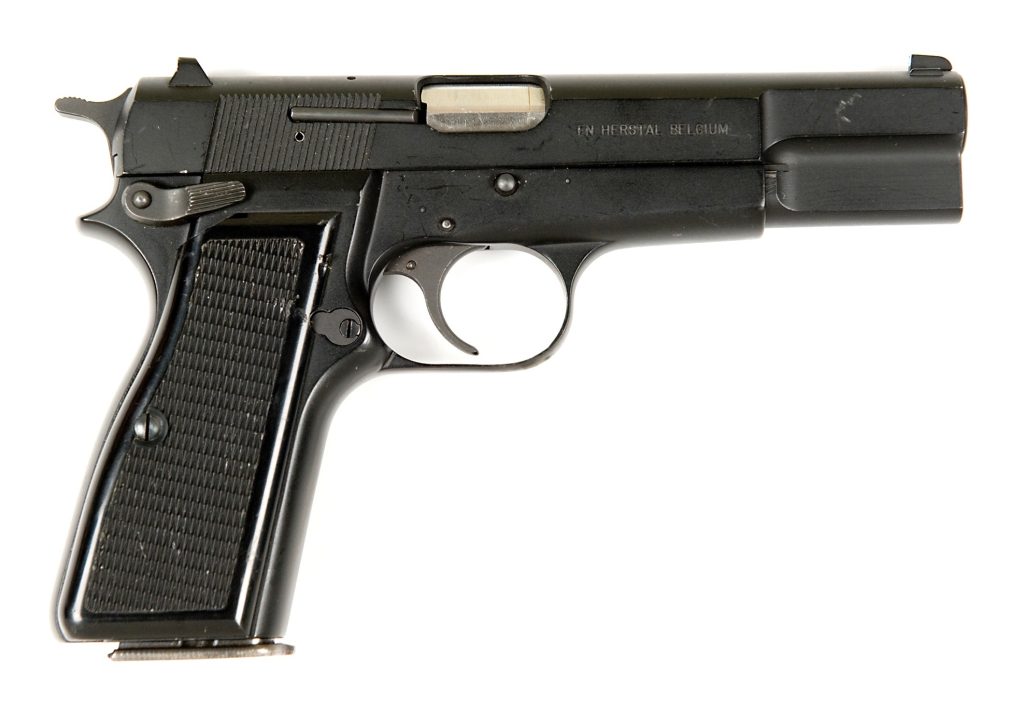
3. Browning Hi-Power
The Hi-Power is not always included in modern elite-handgun conversations, but its global footprint is too large to ignore. It was one of the first truly influential high-capacity service pistols, and its 13-round magazine changed what militaries expected from a sidearm long before “wonder nine” became a familiar term. Its history is unusually broad. The pistol served on both sides of World War II, appeared with covert operators, and remained in armories across NATO and far beyond for decades.

One widely cited summary notes that more than 90 nations have used it, which helps explain why it lingered in specialist use even after newer pistols took over. The reasons were straightforward: slim ergonomics, easy field stripping, durable steel construction, and universal 9mm logistics. For undercover or foreign-internal-security work, that last point was especially important. A sidearm that was common almost everywhere had quiet practical value.
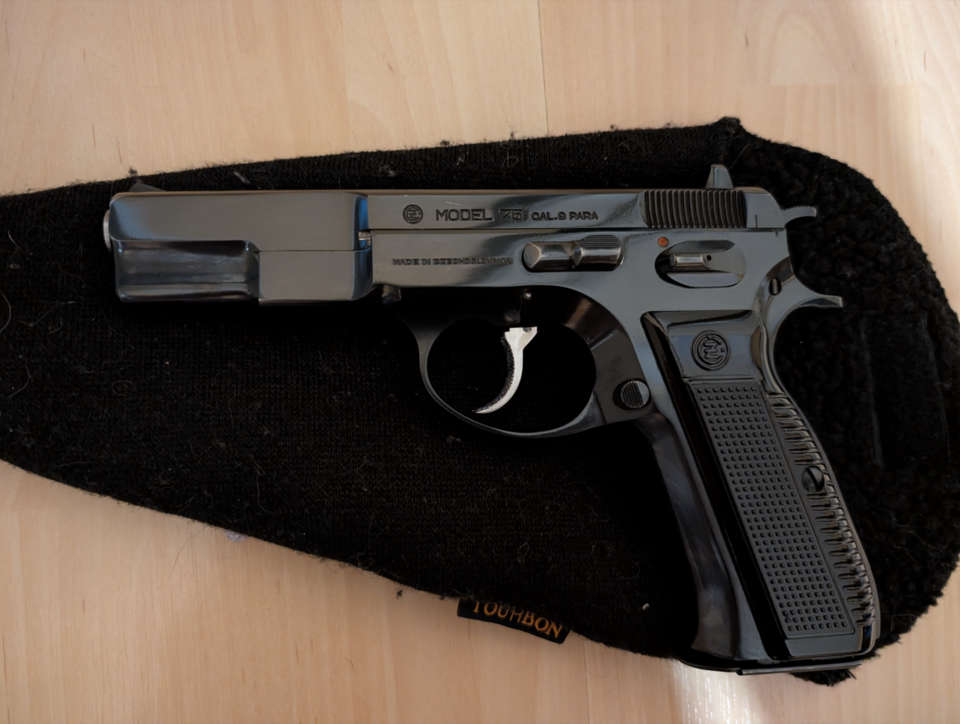
4. CZ 75
The CZ 75 became influential not through one dominant procurement win, but through how completely its design spread. Introduced in 1975 with an all-steel frame, internal slide rails, and a highly regarded grip shape, it delivered a combination of balance and shootability that many later pistols tried to emulate. Its internal rails gave the slide a low profile and contributed to the pistol’s stable feel in recoil.
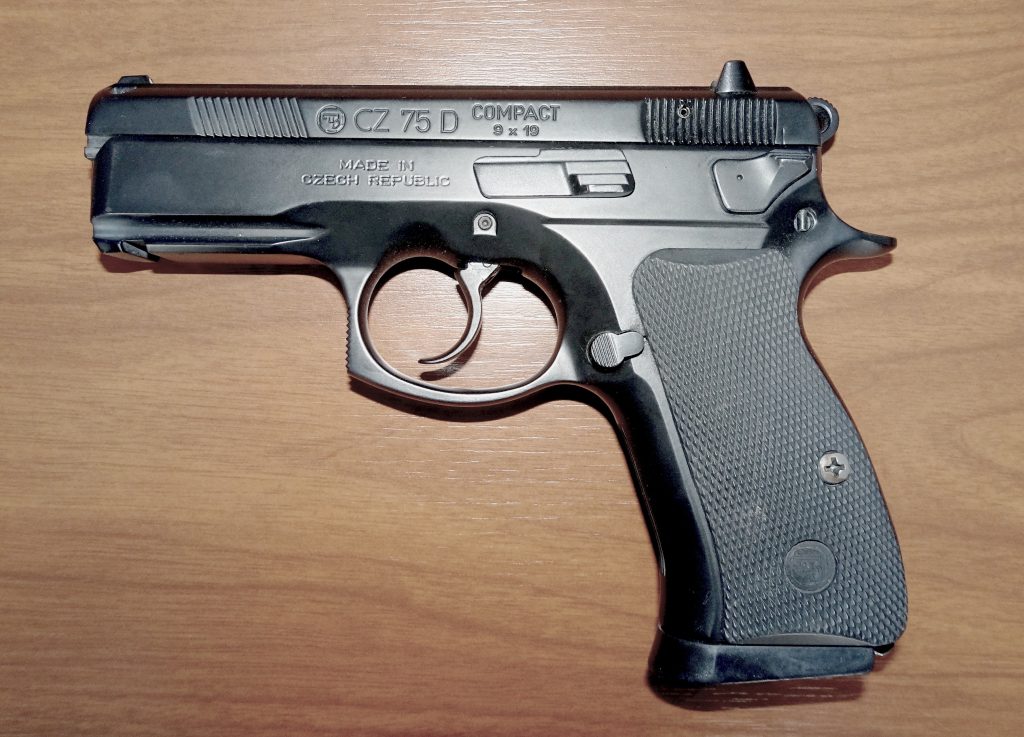
The DA/SA operating system and Browning-style linkless lockup kept it familiar enough for service use, while the ergonomics made it feel unusually refined for a combat sidearm. Cold War export constraints also produced an unusual side effect: the design was copied widely, helping the CZ pattern influence military and police handguns well beyond its original home. Later tactical versions such as the SP-01 added rails and higher-capacity magazines, proving the platform could evolve without losing the steel-frame handling that made it famous.
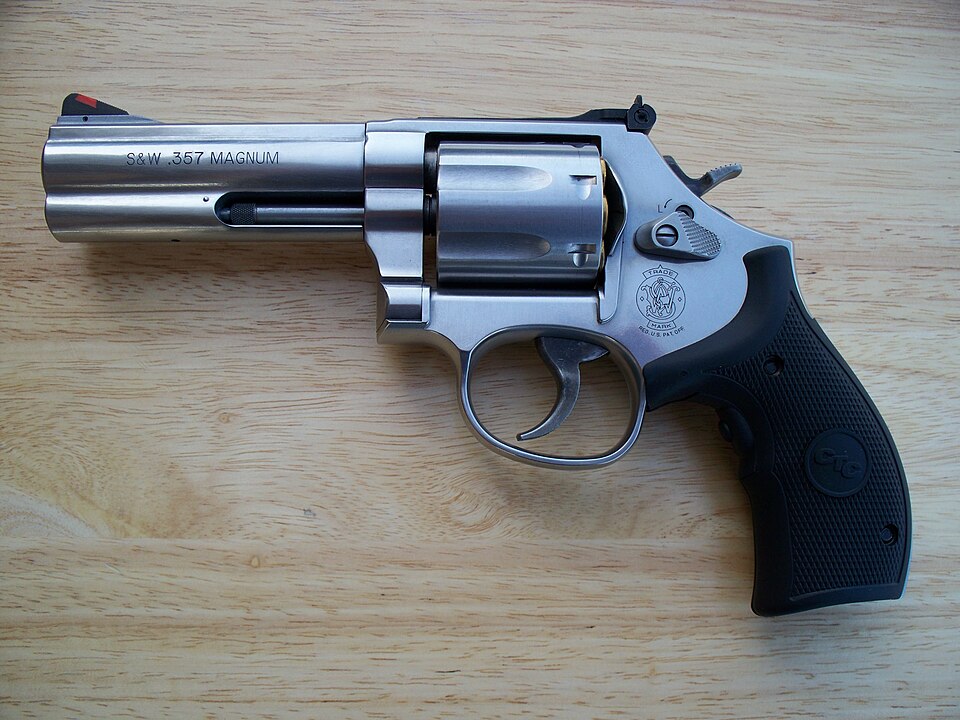
5. Smith & Wesson Model 686
The Model 686 stands apart from the rest of this group because it is a revolver, and that alone says something about why it endures. When users keep a heavy stainless .357 Magnum revolver in serious rotation long after the semi-auto era took over, they are valuing absolute mechanical clarity and long-term toughness over capacity. Built on Smith & Wesson’s L-frame, the 686 was engineered to handle sustained .357 Magnum use better than lighter predecessors. Its stainless construction, adjustable sights, and strong lockwork gave it unusual longevity. In military history, revolvers never disappeared as quickly as popular memory suggests; one reference notes that 30% of pistols in military inventory were .38 revolvers in 1982.
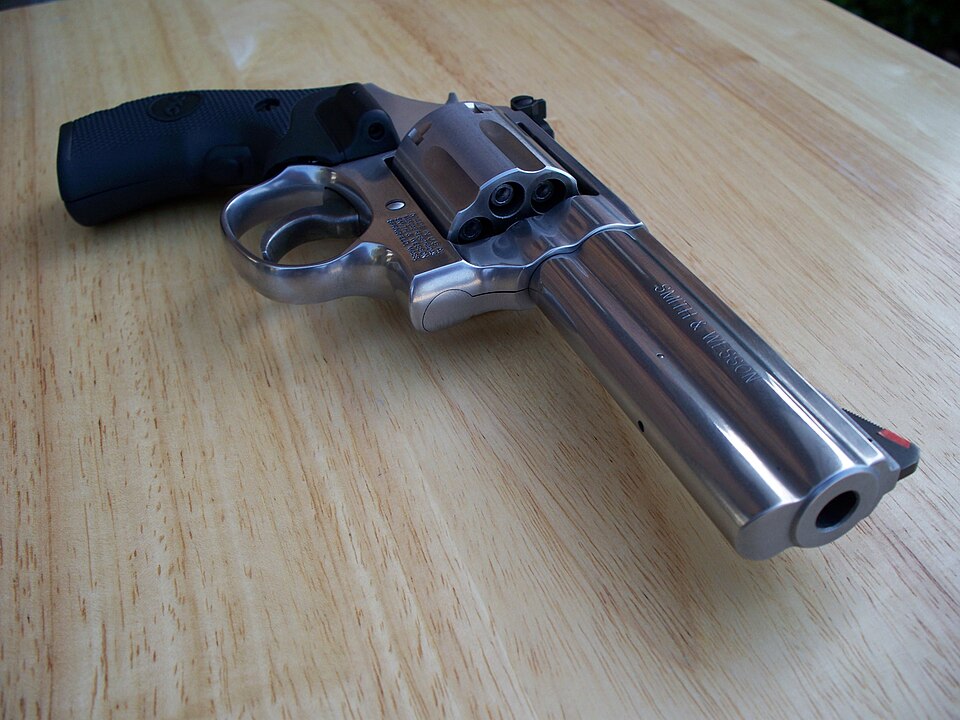
The 686 belongs to that broader tradition of sidearms chosen for simplicity, reliability, and controllable full-power ammunition. It does not fit the modern tactical template, but it remains one of the clearest examples of metal-frame endurance done right. These pistols lasted for different reasons, but the pattern is consistent. Elite users kept returning to platforms that balanced reliability, shootability, and mechanical trust, even as lighter materials and simpler trigger systems changed the market. That is the real story behind iconic metal handguns. They were not carried because they were old. They stayed relevant because, for specific missions and users, their engineering kept solving the same hard problem: delivering a sidearm that still worked when every shortcut had already failed.


