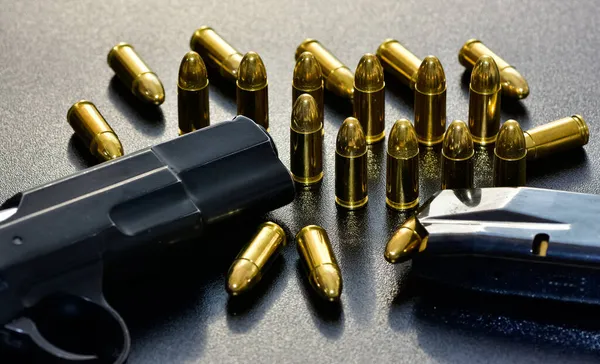
Defensive handgun caliber debates usually get trapped in two bad habits: chasing raw power or trusting a reputation that was built for a different job. What matters more is whether a round gives a shooter enough penetration, reliable ignition, and controllability in the kind of compact handguns people actually carry.
That is where some familiar calibers start to look less convincing. Gel testing, short-barrel performance, and long-running trainer consensus all point to the same issue: some cartridges ask for compromises that are hard to justify when a defensive pistol is supposed to solve problems, not add them.
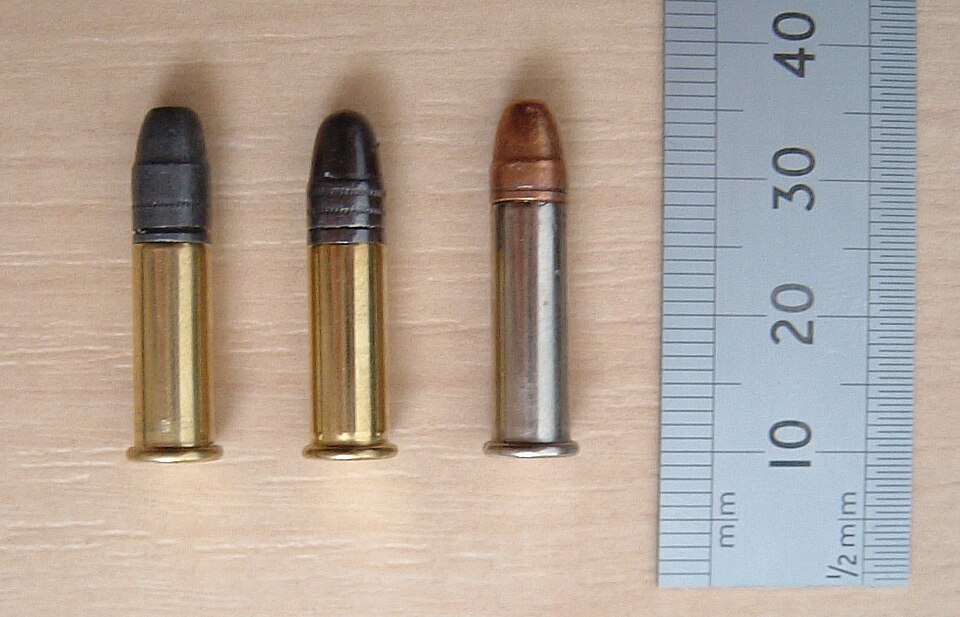
1. .22 Long Rifle
The .22 LR remains one of the easiest handgun rounds to shoot, and that keeps it in the self-defense conversation. The problem is not recoil. It is reliability and terminal consistency. Rimfire ignition is inherently less dependable than centerfire ignition, which is a serious handicap in a role where a single misfire matters more than low recoil ever will. Performance in short barrels also leaves little room for error. In pocket-pistol gel testing, .22 LR loads showed meaningful changes with barrel length, and expansion was not the priority because penetration was already hard to guarantee. Some shooters can make a .22 work, especially when physical limitations rule out larger centerfire pistols, but it remains a compromise-heavy choice.
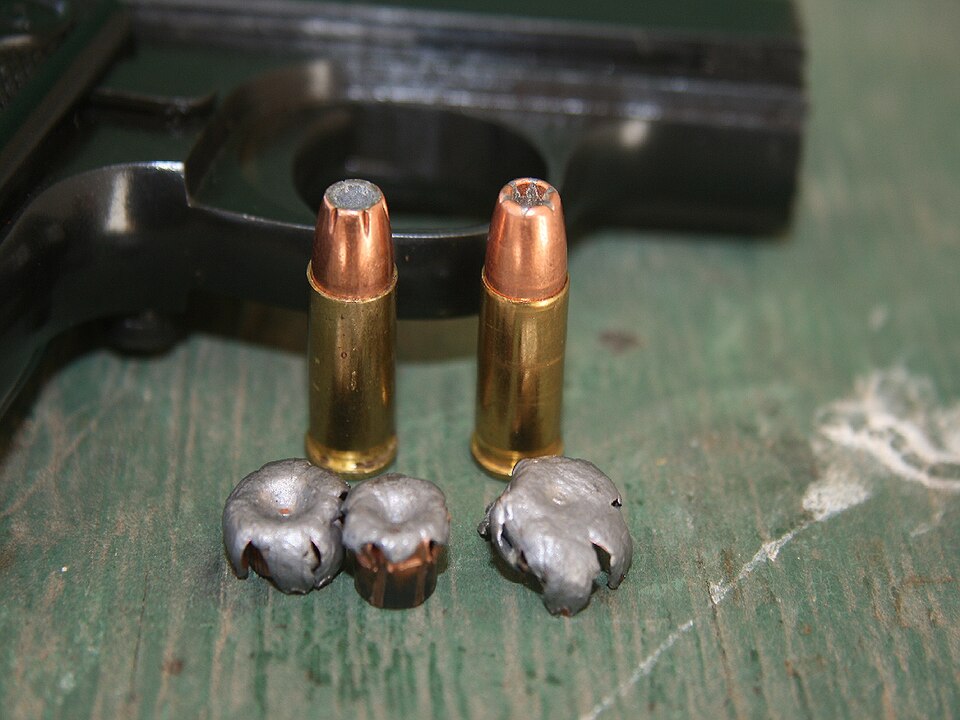
2. .25 ACP
.25 ACP was once marketed as the centerfire answer to the .22, but modern data leaves it in an awkward spot. It usually launches very light bullets at modest velocity, and the expected payoff from centerfire reliability is undercut by weak ballistic performance. In Lucky Gunner’s pocket-caliber tests, .25 ACP loads struggled for penetration, and only one load consistently pushed all five rounds beyond 11 inches. That leaves too little margin against heavy clothing, angled shots, or intermediate anatomy. It is not obsolete because it is old. It is obsolete because modern compact pistols in stronger calibers have made its tradeoffs harder to defend.
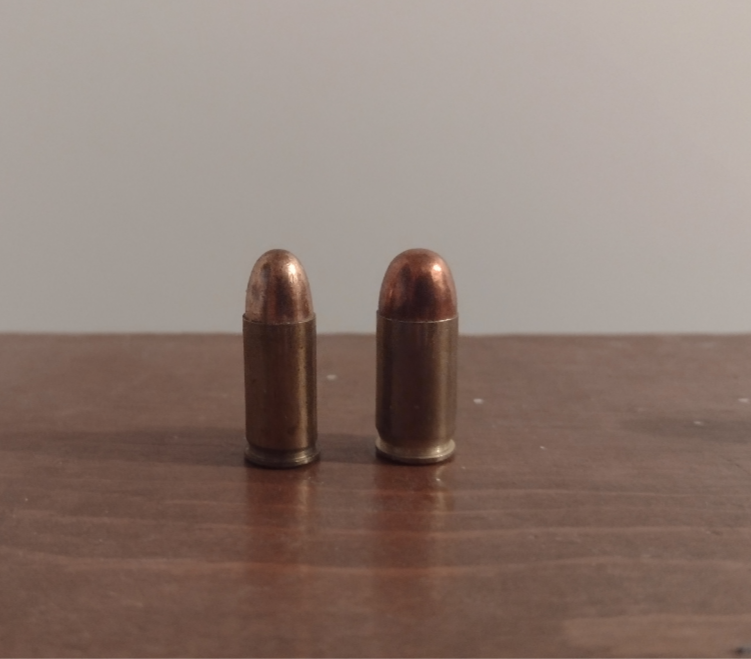
3. .32 ACP
.32 ACP still has a following because it tends to shoot softly in very slim pistols. The problem is that hollow points in this caliber often fail to produce the one thing they are supposed to add without sacrificing something important in return. The testing on small pistols showed a revealing pattern: FMJ often outperformed JHP loads simply because the hollow points had trouble penetrating deeply enough. That creates an uncomfortable reality. A defensive round that needs non-expanding bullets just to maintain adequate depth is already operating with limited margin. Compared with more modern carry options, .32 ACP gives away too much for the little recoil advantage it offers.
4. .410 Shotshell From Handguns
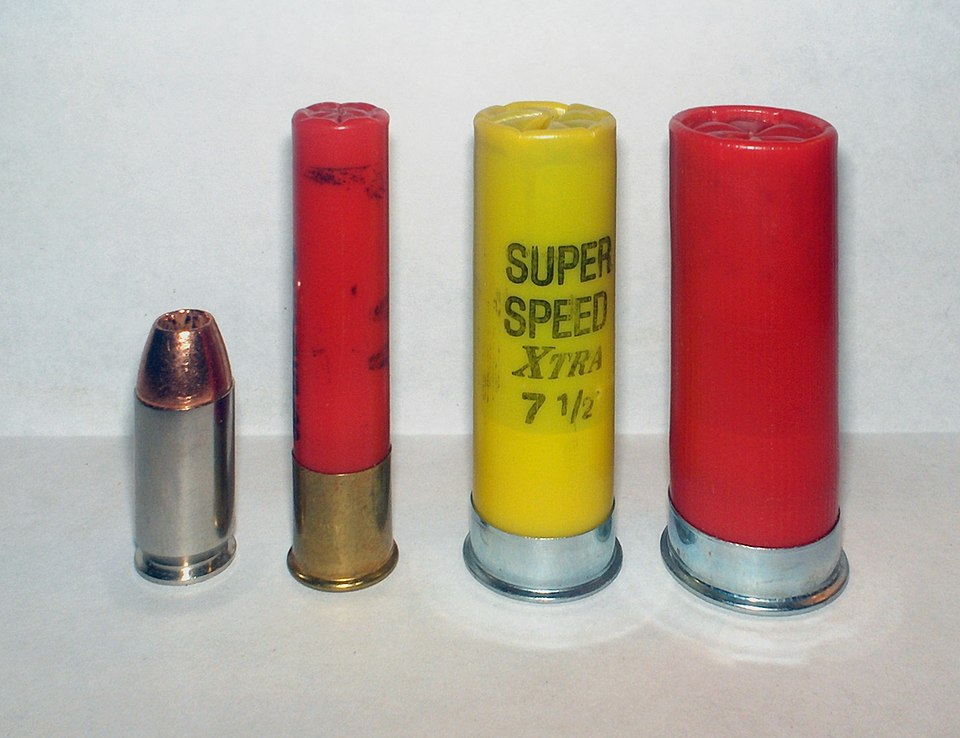
The appeal is obvious: a revolver that promises shotgun-style effect in a compact format. The actual results are much less dramatic. Short handgun barrels strip velocity from .410 shells, and birdshot loads are especially poor fits for defensive use because they spread quickly and penetrate shallowly. Even slug performance from handgun-length barrels has shown weak results. Short-barrel gelatin work cited in the source material showed some .410 slug loads stopping well short of the FBI’s commonly referenced 12-inch minimum. That leaves the .410 revolver as a niche tool rather than a serious replacement for a conventional handgun caliber.
5. Weak .380 ACP Loads
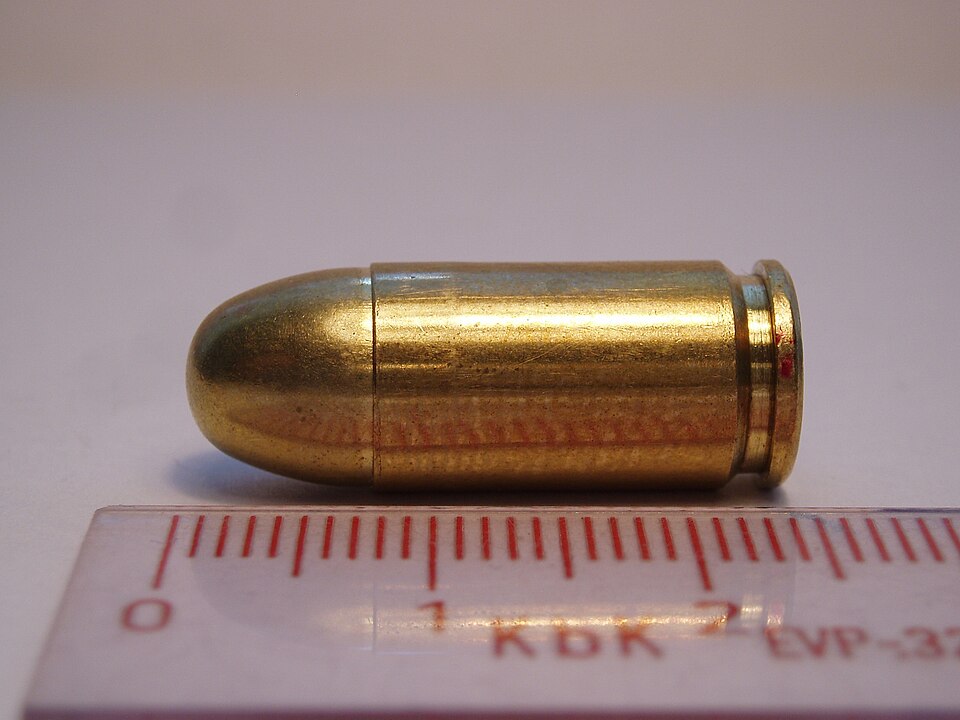
.380 ACP does not belong on this list as a whole. Bad .380 ammunition does. The caliber can work, but it is one of the clearest examples of how load selection matters more than the number stamped on the barrel. In heavy-clothing gelatin testing, many .380 ACP loads showed either poor expansion or subpar penetration. That is the core problem with underperforming .380 carry ammo: it often forces a choice between making a larger hole and reaching deep enough. Some loads do thread that needle, but weak generic loads turn the caliber into a gamble.
6. 10mm Auto for Routine Concealed Carry
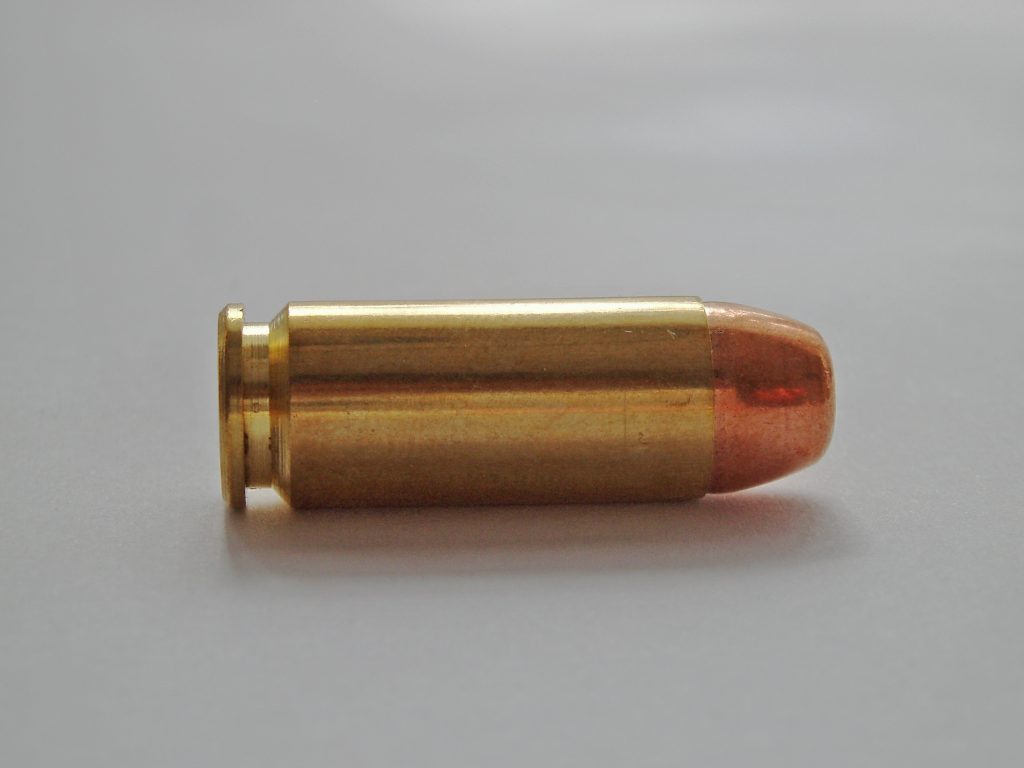
10mm Auto is not ineffective. It is often too much cartridge for the job people actually expect a carry gun to do. High energy is easy to admire on paper, yet the extra recoil and blast can slow split times and make fast, accurate follow-up shots harder from compact pistols. This matters because handgun stopping power has never produced neat consensus. As one ballistics-focused review put it, “The truth: Handgun stopping power is impossible to predict.” In practical carry terms, that shifts attention back to controllability. A caliber that adds recoil without improving hit probability in fast defensive strings can become a liability rather than an advantage.
7. .38 Special in Ultra-Short Snub Noses
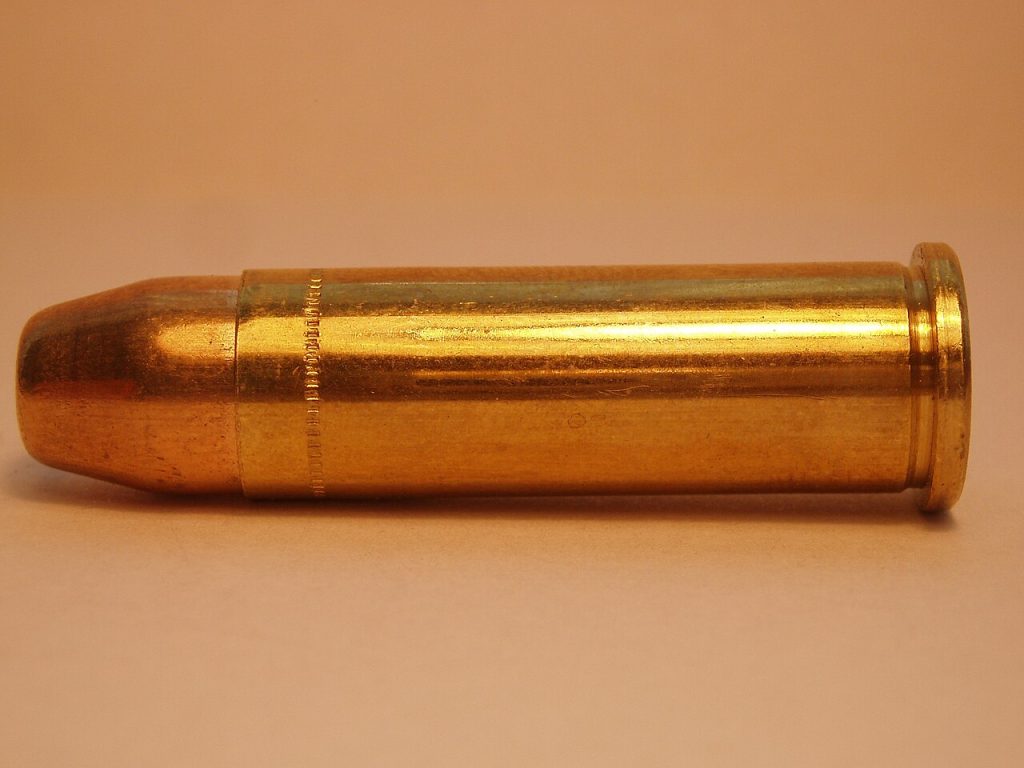
.38 Special has a long and respectable defensive track record, but very short barrels can strip away the velocity many modern hollow points need. Snub-nose revolvers remain popular because they are simple and compact, yet their barrel length forces ammunition to work harder. That challenge is measurable. Snub-nose velocity loss can materially change expansion and penetration, especially with loads built around longer test barrels. The caliber is still viable, but only with ammunition chosen specifically for short barrels. Generic .38 loads can leave too much performance on the table.
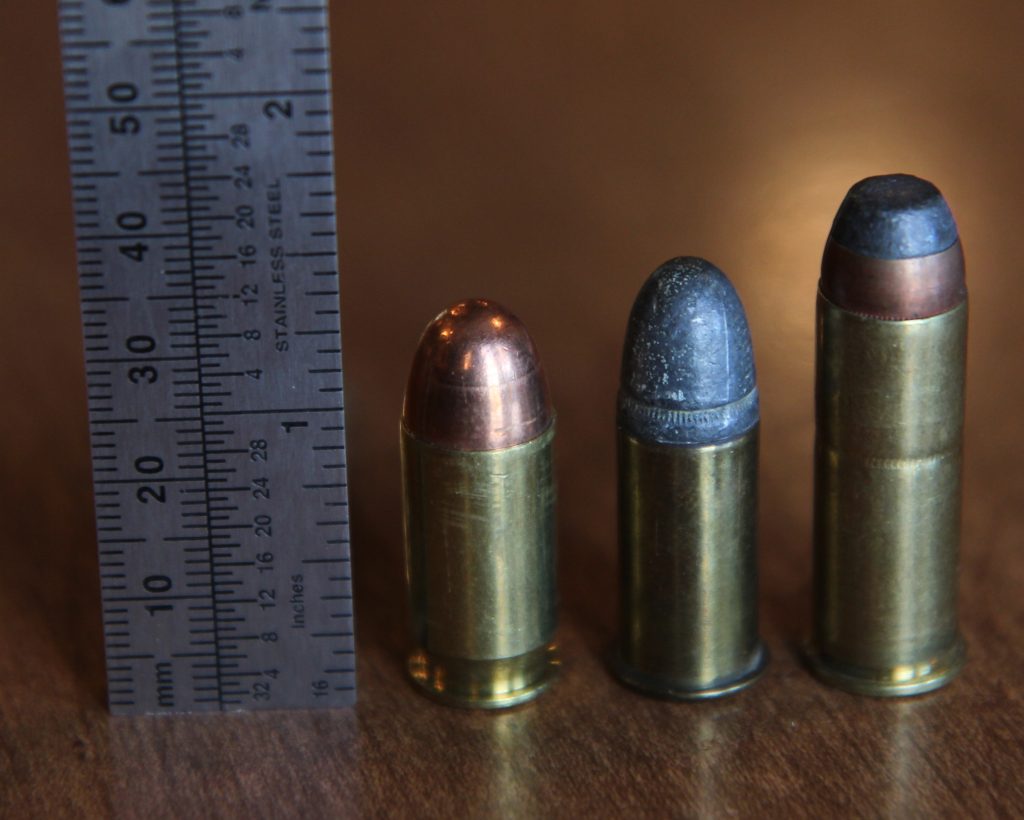
8. .44 Magnum for Urban Defense
.44 Magnum solves a problem most defensive carriers do not have. It delivers deep penetration and major energy, but it does so with heavy recoil, large revolvers, slower recovery between shots, and a much higher penalty for misses or pass-throughs in confined environments. This is a classic example of power outrunning purpose. A round built for hunting or animal defense can be badly mismatched to indoor or urban personal defense. The issue is not whether .44 Magnum is potent. It is whether its power can be used quickly, repeatedly, and with appropriate control in a carry context. Usually, the answer is no.
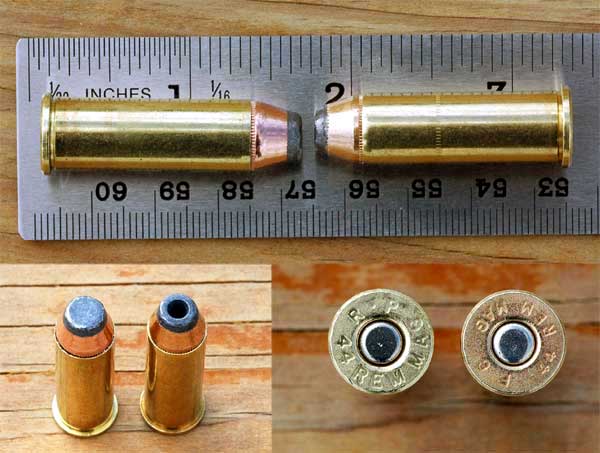
The common thread across all eight calibers is not that they are harmless or useless. It is that each one introduces a technical penalty that becomes hard to ignore when the role is defensive carry: unreliable ignition, shallow penetration, weak load performance, excessive recoil, or barrel-length sensitivity. That is why caliber selection is less about mythology than margins. A carry round does not need to be famous, extreme, or fashionable. It needs to fire every time, penetrate deeply enough, and stay controllable in the handgun actually riding on a belt or in a holster.


