Firearm history is full of designs that looked brilliant in a catalog, on a trade-show floor, or in an engineer’s notebook. The trouble started when mechanical ambition met ordinary shooters, ordinary ammunition, and ordinary maintenance. Some failures came from rushed production. Others were dragged down by strange controls, fragile reputations, or a market that had already moved on. Together, they show a recurring pattern: a firearm can be innovative, famous, or heavily promoted and still fail the simplest test of all consistent performance.
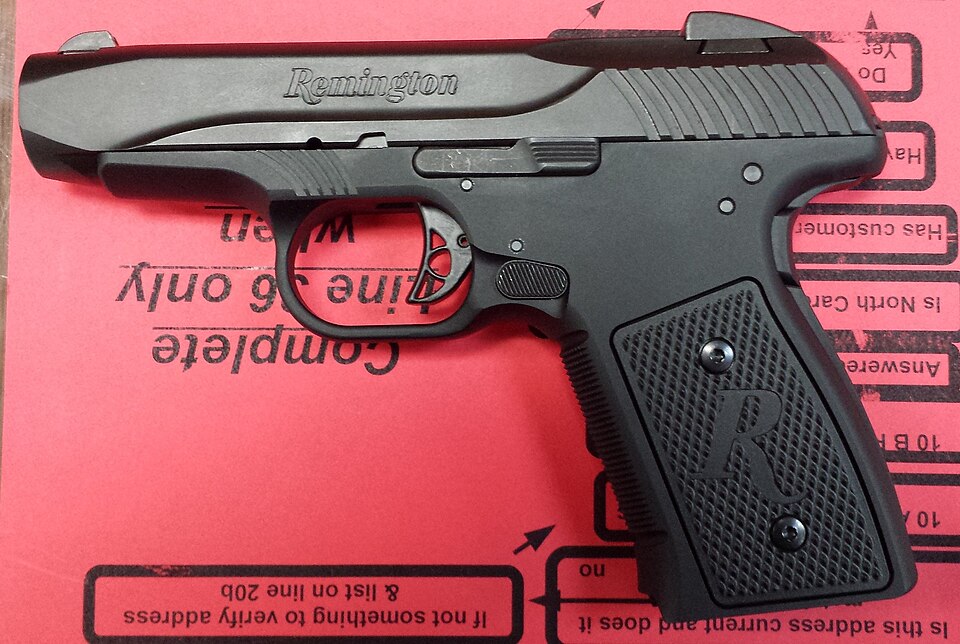
1. Remington R51
The R51 tried to revive John Pedersen’s old hesitation-lock concept in a modern concealed-carry 9 mm. Its appeal was obvious: a fixed barrel, low bore axis, slim profile, and ergonomics rooted in a respected early-20th-century design. Remington aimed to turn that unusual mechanism into a practical everyday pistol. Instead, the first run became a case study in how a clever operating system can be sunk by execution. The company later acknowledged issues with internal tolerances and the magazines, and the launch was followed by a full recall. A revised version appeared in 2016, but the original damage had already been done. In the carry-gun market, early reliability problems are hard to outlive.
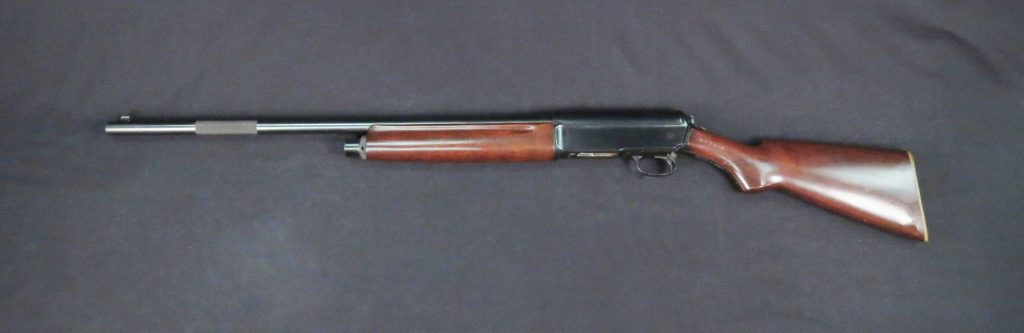
2. Winchester Model 1911 SL
Winchester’s self-loading shotgun arrived under unusual pressure. To avoid Browning patent conflicts, it used a charging method that required the shooter to pull back on a knurled section of barrel rather than a conventional handle. That odd workaround became the gun’s defining liability. The shotgun’s “Widowmaker” reputation did not come from a dramatic factory defect so much as a dangerous manual of arms. Poor unloading habits and awkward handling created an enduring warning label in gun lore. Even apart from the nickname, its long-recoil setup and wear-prone recoil components made it less inviting than its rivals. The result was a shotgun remembered less for performance than for what not to do.
3. Colt All American 2000
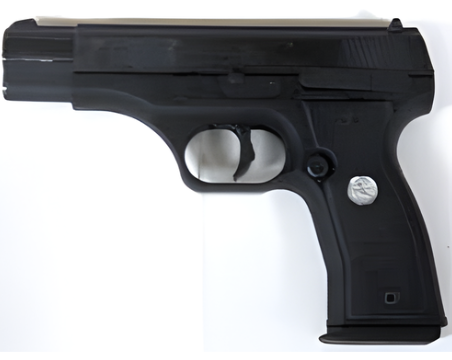
Few handgun misses are as instructive as the All American 2000. The project began with a collaboration involving Eugene Stoner and Reed Knight, and the early concept looked promising: rotating barrel, high capacity, polymer frame, and a roller-assisted trigger system at a time when American service pistols were changing fast. Production changes wrecked that promise. Colt stretched the design for the duty market, adopted a two-piece slide, and pushed trigger weight far beyond the original intent. Reports of inaccuracy and poor handling were made worse by the front sight being attached to a removable slide section. By the time it disappeared, the pistol had become shorthand for what happens when a prototype is over-edited after the designers step away. Coverage of the platform has repeatedly pointed to its two-piece slide design and drastically heavier production trigger as central mistakes.
4. Glock 44
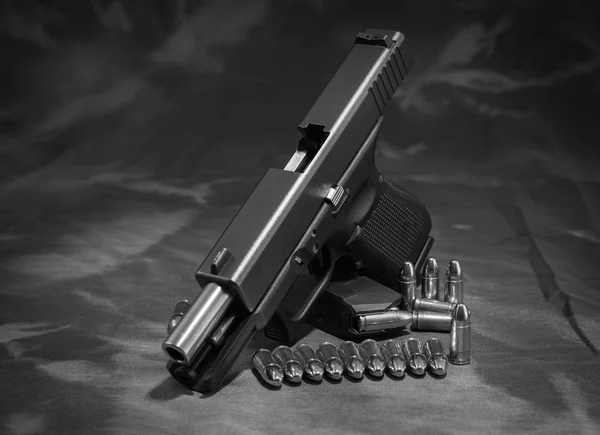
Glock’s rimfire pistol had a simple mission: provide a low-recoil trainer that felt like the company’s centerfire guns. That was enough to generate huge expectations before the first magazine was loaded. The problem was that .22 LR ammunition is less consistent than centerfire ammo, and the G44 proved less forgiving than many buyers expected. Early complaints centered on failures to feed, light strikes, and cycling inconsistency. Later examples improved, but the pistol never fully escaped the idea that a Glock-branded trainer should have arrived with fewer caveats.
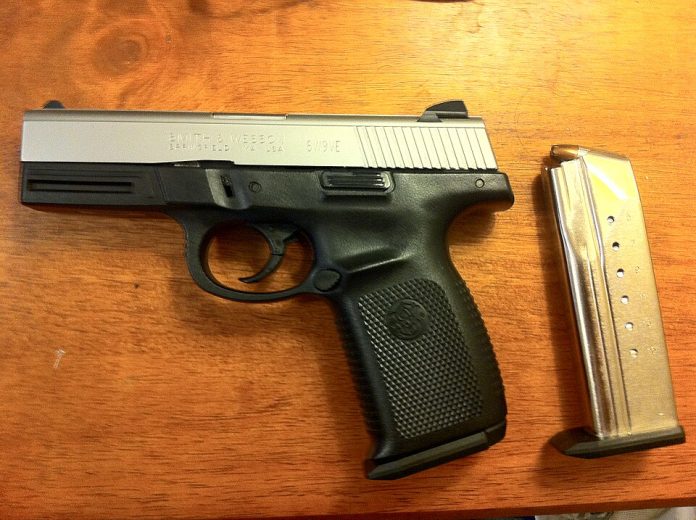
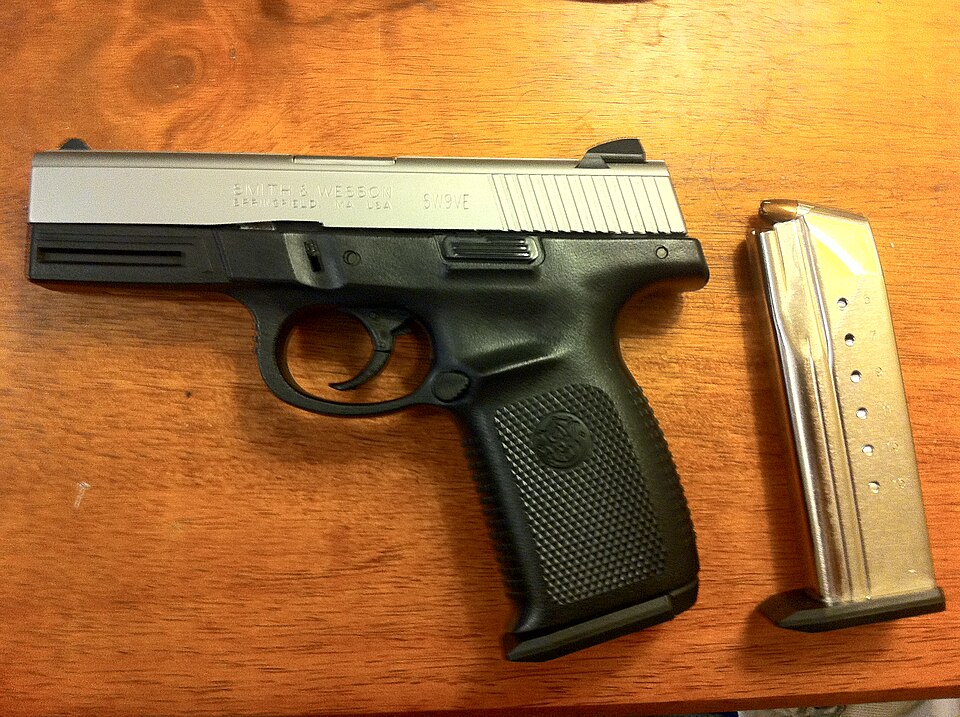
5. Smith & Wesson Sigma
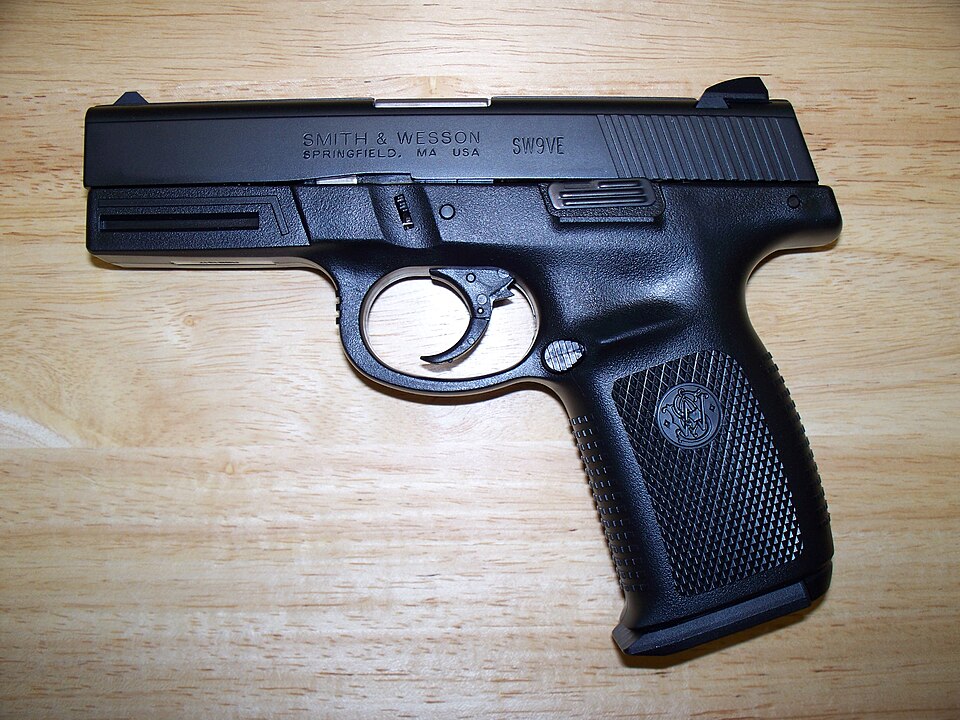
The Sigma was Smith & Wesson’s attempt to answer the rise of polymer striker-fired pistols with a simpler, budget-oriented sidearm. It had the right broad concept for its era, but too much of the gun felt derivative and too little of it felt refined. The heavy trigger became the feature shooters remembered most, and not in a good way. Legal trouble over its similarity to Glock’s design only deepened the perception that the pistol was chasing a trend rather than advancing it. The company eventually moved on to the far better received M&P line, leaving the Sigma as a transition piece that taught expensive lessons.
6. Armatix iP1
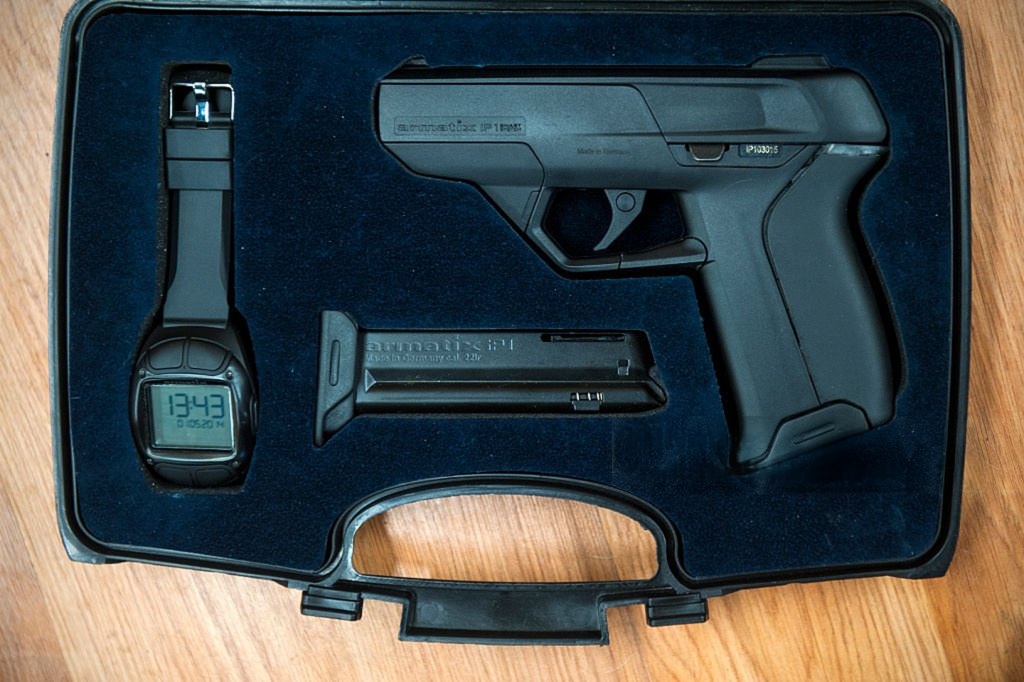
The iP1 tried to turn the handgun into an electronically managed device, using RFID pairing with a companion watch before it could fire. Its pitch centered on controlled access, but defensive handguns live or die by immediacy and simplicity. That mismatch defined the gun. Added steps, electronic dependence, and public demonstrations of remote disruption turned the concept into a warning about overengineering. Like Remington’s EtronX rifle experiment, it belonged to a category of firearms that asked shooters to accept more complexity for too little practical gain.
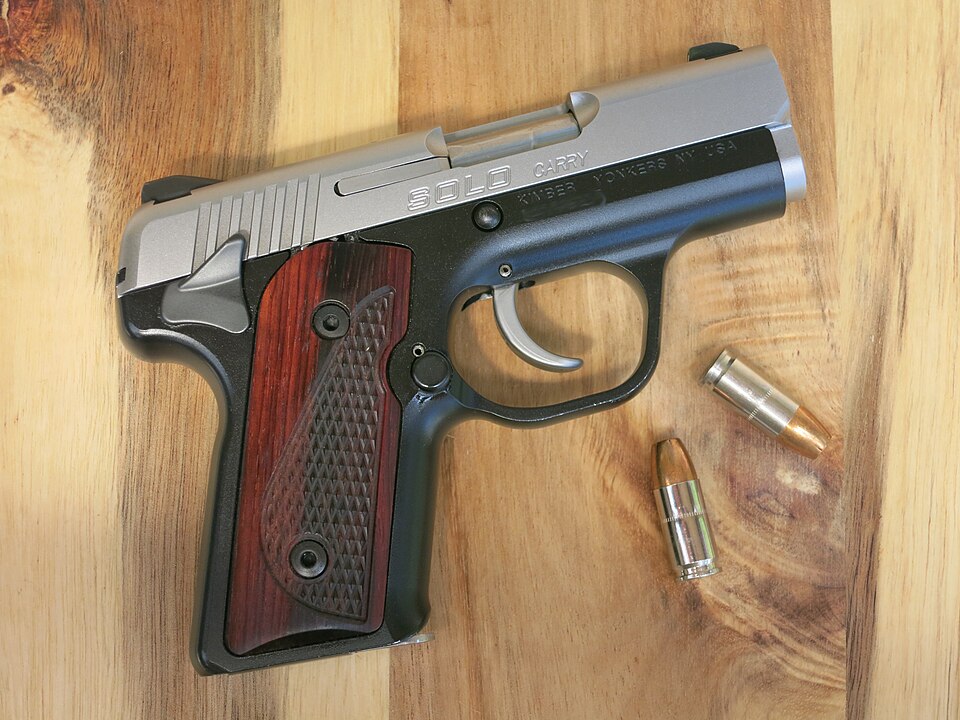
7. Kimber Solo Carry
The Solo Carry looked like a premium answer to the micro-9 mm craze. It was compact, sharply styled, and backed by a brand associated with upscale fit and finish. Its flaw was brutal in a defensive pistol: ammunition sensitivity. The gun developed a reputation for preferring heavier, hotter loads and for becoming unreliable with lighter or cheaper ammunition. A carry gun that demands narrow feeding habits loses trust quickly, and the Solo’s sleek presentation could not compensate for that basic problem.
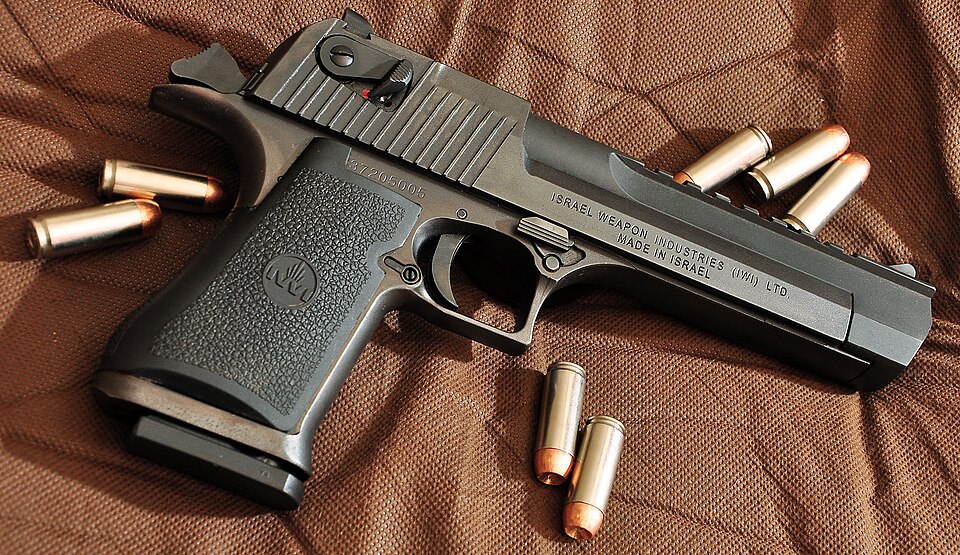
8. Desert Eagle .50 AE
The Desert Eagle is one of the most recognizable handguns ever made, but fame and utility are not the same thing. Its gas operation, enormous size, and dependence on suitable loads made it a spectacular specialty pistol rather than a broadly useful sidearm.= That distinction matters. In movies and games, the gun became larger than life; on the range, it remained heavy, bulky, and temperamentally tied to ammunition selection and maintenance. It survived as an icon, not as a model of practical handgun design.
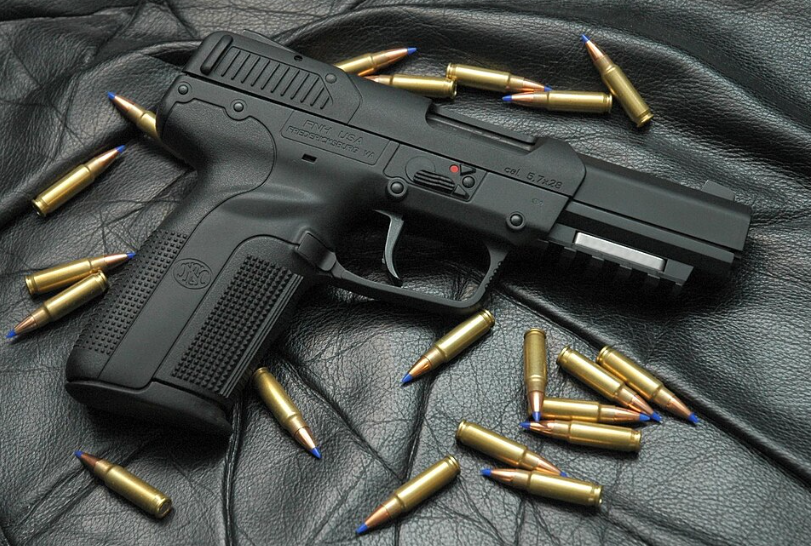
9. FN Five-seveN
The Five-seveN arrived wrapped in the aura of military capability. High capacity, low recoil, and the mystique of the 5.7×28 mm cartridge gave it an immediate edge in public imagination. For civilian buyers, the experience was more constrained. The restricted armor-piercing loads that drove much of the pistol’s mystique were not part of ordinary ownership, leaving a lightweight, soft-shooting handgun whose reputation often exceeded its real-world role. It was not a bad design. It was a design trapped by its own marketing halo.
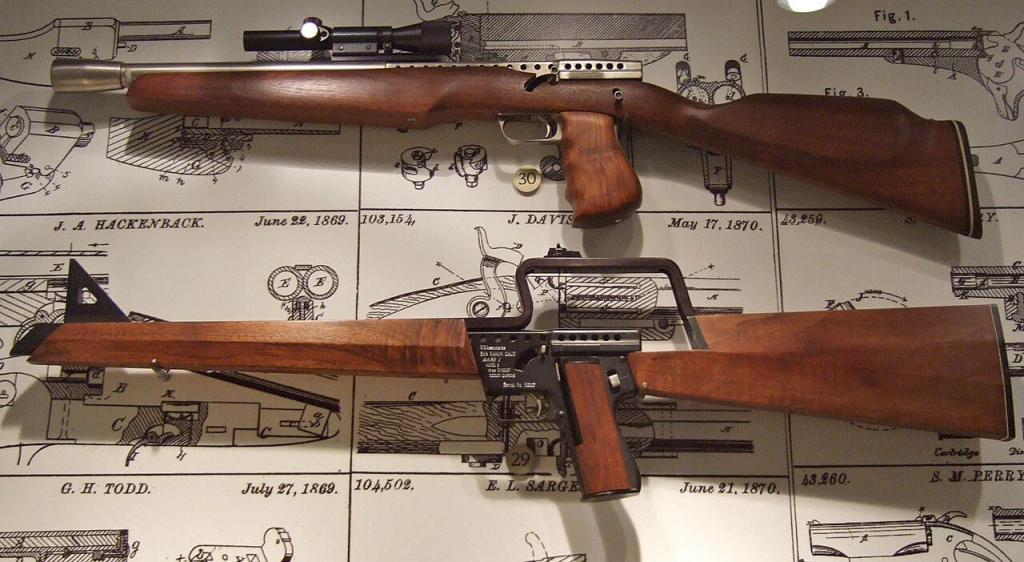
10. MBA Gyrojet
The Gyrojet remains one of the strangest dead ends in small-arms history. Instead of firing conventional bullets, it launched tiny rockets that accelerated after leaving the barrel. That gave the system a futuristic identity no standard pistol could match. It also baked in the reasons it failed. Rocket projectiles were slow at short range, inconsistent in performance, and notably poor in accuracy. Contemporary descriptions of the system emphasized that it did not reach top velocity until fuel burnout, which badly undercut close-range effectiveness.
Another historical review noted the platform’s poor accuracy and weak acceptance in both civilian and military use. It endures today as a collector’s curiosity because the engineering was so unusual, not because the concept worked. The pattern across these firearms is consistent. Mechanical originality can attract attention, but it cannot substitute for reliability, manageable controls, and a clear purpose. That is why so many failed guns remain fascinating. They were not always bad ideas at the sketch stage. Many simply arrived with the wrong compromises, the wrong execution, or the wrong expectations attached to them.


