
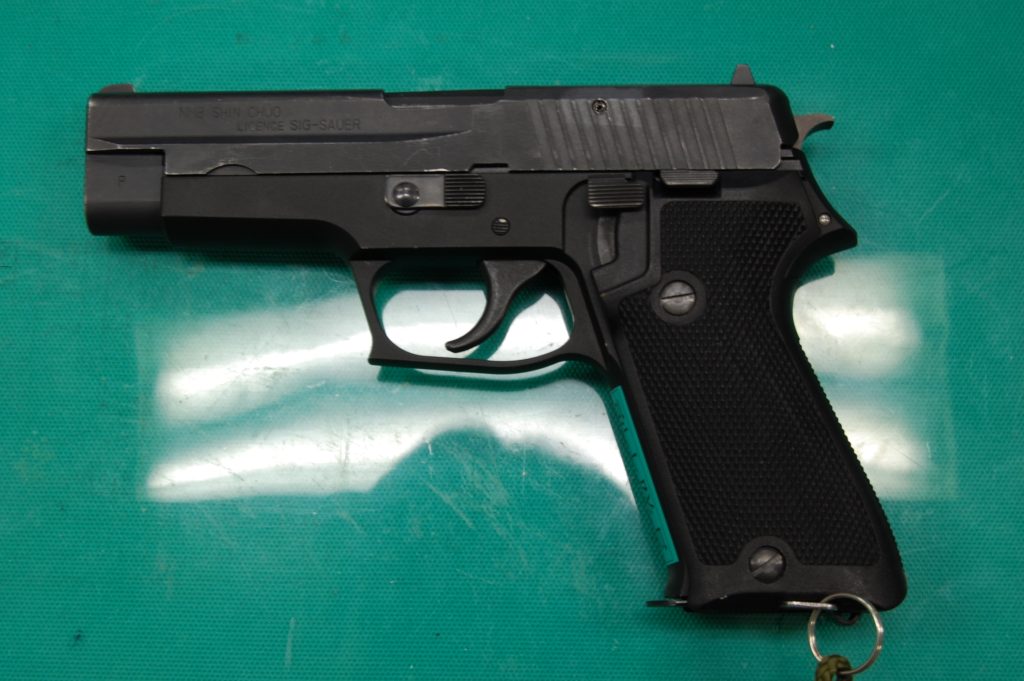
Glock rarely makes abrupt, public-looking changes to the shape of its lineup. That is part of why the company’s retirement of a large block of commercial pistol variants stands out: it is not just model churn, but a reset in how the brand appears to want its catalog, engineering priorities, and compliance posture to look going forward.
For long-time owners, dealers, holster makers, and agency buyers, the real story is less about any single discontinued pistol and more about what the move reveals. A platform known for incremental evolution is now using portfolio reduction to clear space for newer baseline models, optics-ready emphasis, and design updates tied to a more restrictive legal environment.
1. The catalog had become too wide to keep treating every SKU equally
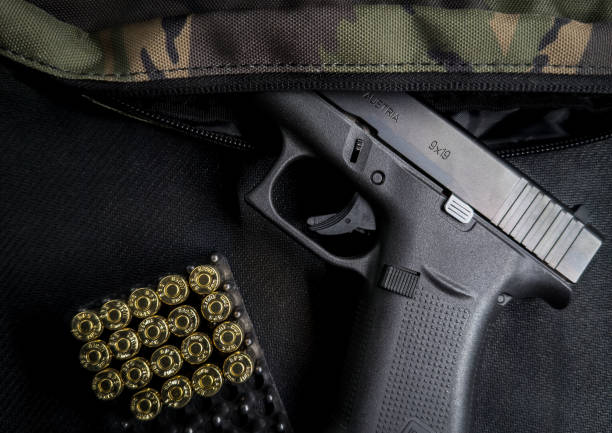
Glock’s commercial range had grown across generations, slide lengths, chamberings, MOS variants, and niche carry or duty configurations. That breadth gave buyers options, but it also created manufacturing drag. Retiring lower-volume and overlapping models lets the company concentrate production on a smaller group of high-demand pistols instead of spreading resources across dozens of slower-moving variants. The practical effect is straightforward: fewer legacy choices, more standardization, and faster alignment around what the company sees as its core commercial offerings.
2. Optics-ready handguns are no longer a side lane
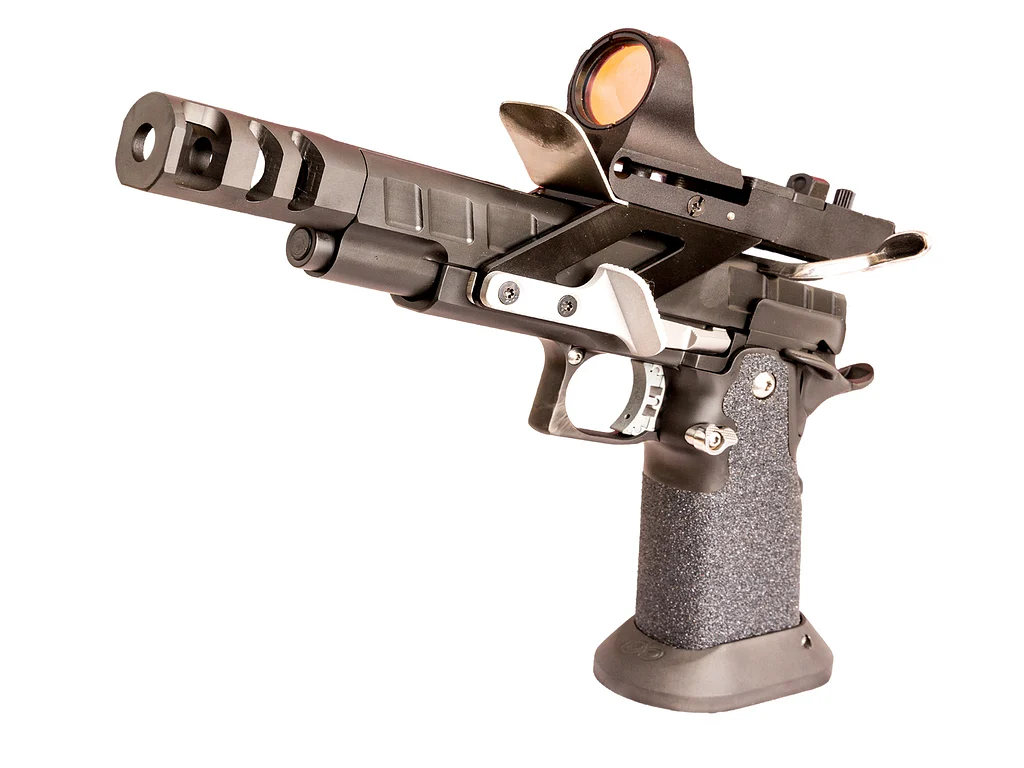
One of the clearest signals in the lineup shift is Glock’s continued move toward optic-compatible pistols. MOS models had already pushed red-dot accommodation into the mainstream Glock ecosystem, but this broader cleanup suggests that future relevance will be judged more heavily by compatibility with modern sighting systems than by preserving every older frame-and-slide combination. That fits the larger direction of the handgun market. Duty use, competition, and defensive carry have all normalized slide-mounted optics, and Glock’s own Gen 5 refinements were already built around gradual modernization rather than dramatic reinvention.
3. Gen 5 showed the company’s real design philosophy years ago
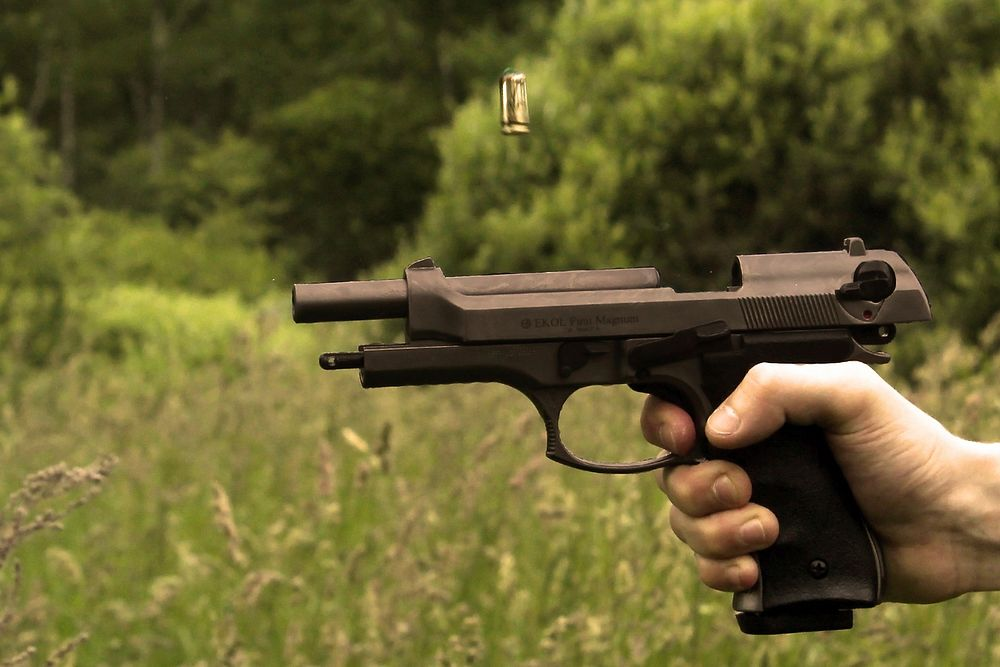
Anyone looking for the logic behind this transition can trace it back to Gen 5. Glock did not use that generation to rebuild the pistol from scratch. It removed finger grooves, added an ambidextrous slide stop, revised internal geometry, adopted the Marksman Barrel, and improved durability with the nDLC finish. Those were not cosmetic moves. They showed a manufacturer refining around broad user compatibility, longevity, and manufacturable simplicity. In that sense, the current cuts are consistent with Glock’s established pattern: preserve the operating system, trim what no longer fits, and push the platform toward a cleaner baseline.
4. The “V” series looks like a reset button, not just a relabel
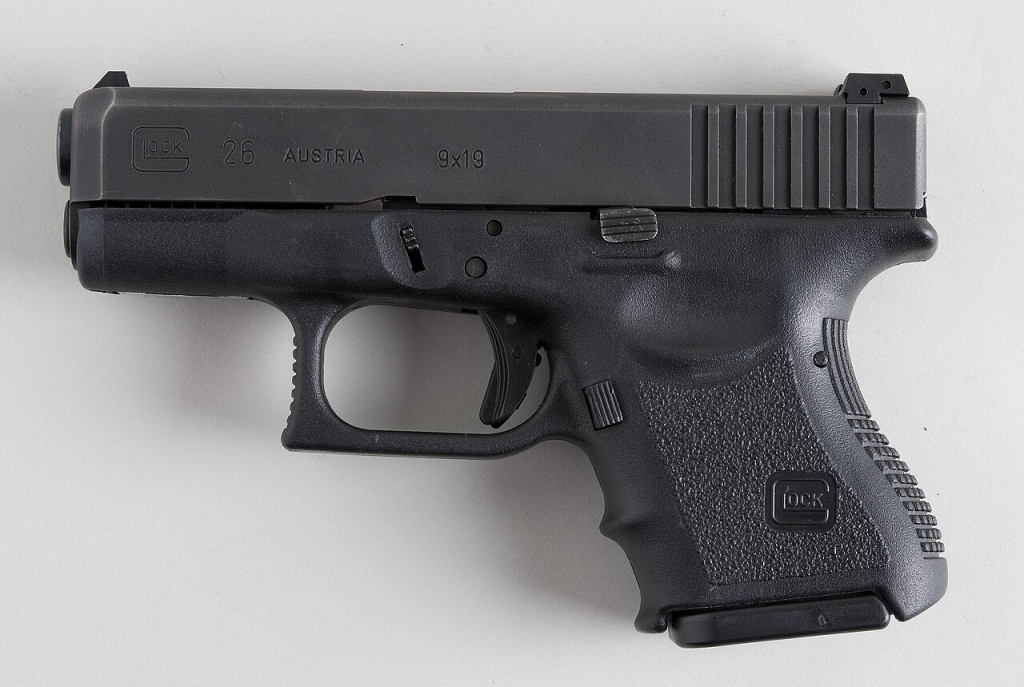
Glock has confirmed a new V-series family as the replacement track for much of the outgoing commercial lineup. Trade reporting identified incoming models such as the G17 V, G19 V, G45 V, and G26 V, with additional distributor exclusives also listed. That matters because the company is not merely deleting old stock numbers; it is rebuilding its starting lineup around a fresh designation. That kind of relaunch usually points to more than inventory housekeeping. It suggests a new baseline for parts, production logic, and future feature rollouts.
5. Anti-conversion pressure is now part of handgun design reality
The most consequential subtext is illegal auto-sear conversion. Lawsuits and state-level legislation have pushed the convertibility issue from public controversy into product strategy. California enacted AB 1127, described as a ban on dealer sales of pistols considered easily convertible to fully automatic fire, and multiple lawsuits have focused on that same design vulnerability.
That pressure has fueled widespread reporting that V-series pistols may include internal changes intended to make illegal conversion harder. Glock has been careful in its public wording, but the broader industry takeaway is already clear: conversion resistance has become an engineering requirement, not just a legal talking point.
6. Law-enforcement support remains central to Glock’s position
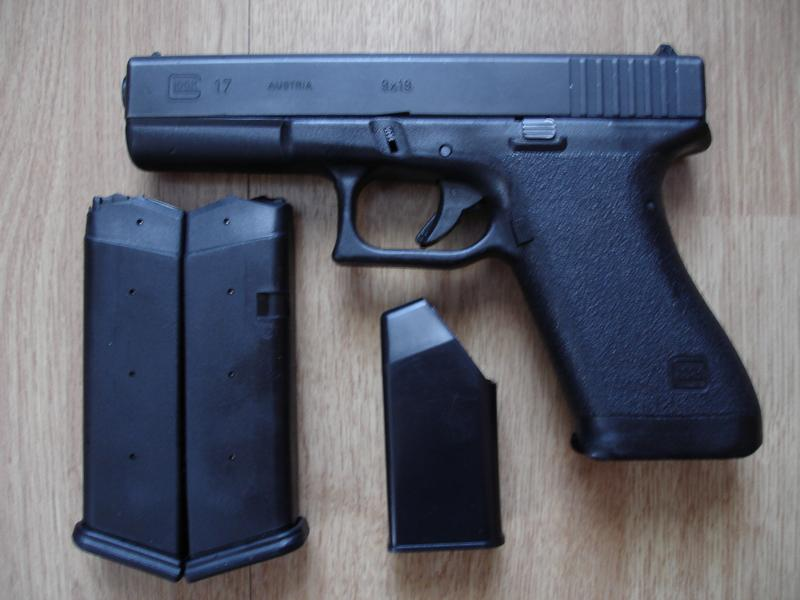
Commercial changes do not erase Glock’s institutional footprint. The company has long held a powerful law-enforcement position, with one industry release stating Glock was the preferred pistol for 65% of law enforcement agencies at the time of publication. That helps explain why support and continuity matter so much in this transition. Reports around the lineup change have consistently indicated ongoing parts and service support for discontinued pistols. For agencies and private owners alike, that softens the impact of model retirement even as the front end of the catalog changes dramatically.

7. The aftermarket will feel this long after factory shelves change
When a manufacturer cuts this many variants, the ripple reaches far beyond the factory. Holster makers, sight companies, slide shops, trigger firms, and armorers all depend on stable dimensions and predictable interchangeability. A fresh V-series baseline may simplify some future support, but the transition period can create short-term confusion over compatibility and long-term scarcity for certain discontinued models. That is especially true for less common chamberings and niche formats. Some legacy pistols will become parts-hunting projects. Others may become collector pieces simply because no direct equivalent feels quite the same.
8. This is a manufacturing decision with industry-wide implications
Glock’s move is best understood as a case study in modern handgun production. The company is reducing SKU complexity, orienting the lineup around current user expectations, protecting institutional relationships, and adapting to a legal climate that increasingly reaches into the design details of the gun itself. None of that looks like a routine discontinuation wave.
It looks like the next phase of the striker-fired service pistol business. Fewer variants, stronger baseline standardization, more optics support, and more attention to design features that can survive both heavy use and heavy scrutiny. For a brand built on incremental change, that is a notable shift. The pistols may still look familiar in the holster, but the logic behind how they are selected, engineered, and kept in the catalog is changing in plain view.


