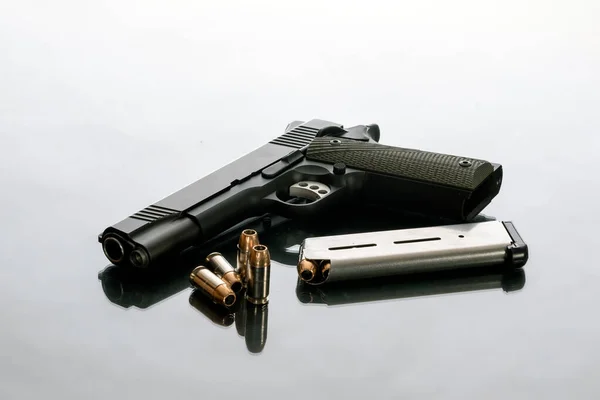
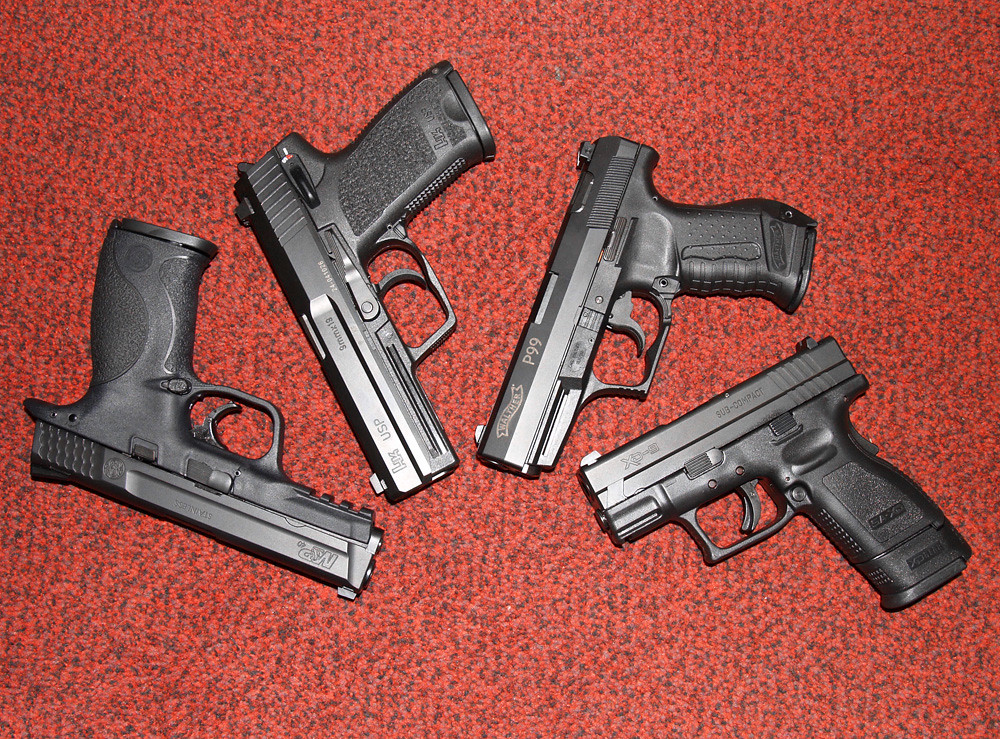
The 1911 and the modern polymer pistol solve the same problem in very different ways. One leans on steel, a single-action trigger, and a control layout that has survived for more than a century. The other reflects the handgun industry’s long shift toward lighter frames, simpler upkeep, and higher onboard capacity. That contrast is why the argument never really goes away. It is not just old versus new. It is a choice between two engineering priorities, and each shows up immediately in carry comfort, recoil behavior, maintenance demands, and training habits.
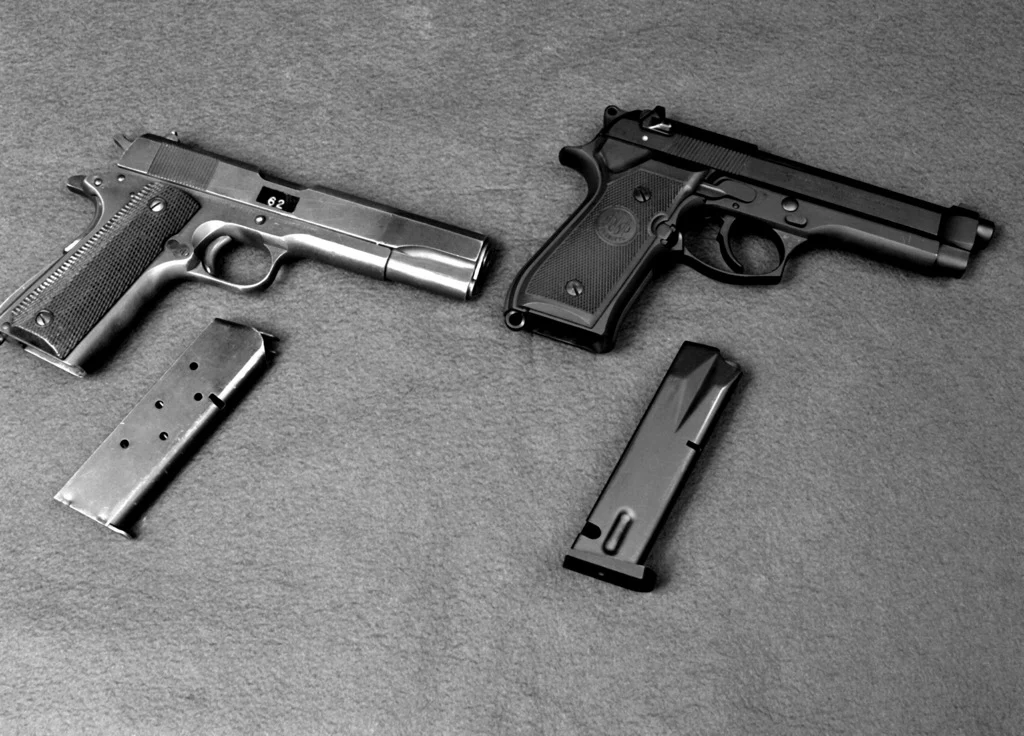
1. Weight Changes Everything on the Belt
A full-size steel 1911 often lands around the mid-40-ounce range unloaded, while many comparable polymer service pistols come in far lighter. That difference matters long before a shot is fired. Daily carry comfort, belt support, concealment fatigue, and how likely a handgun is to stay on the body for an entire day all shift with ounces. Weight is not just a penalty, though. Heavy metal-framed pistols keep more mass low in the gun, which can help the sights settle faster under recoil. That is one reason some specialist users continued choosing metal pistols even after polymer became dominant.
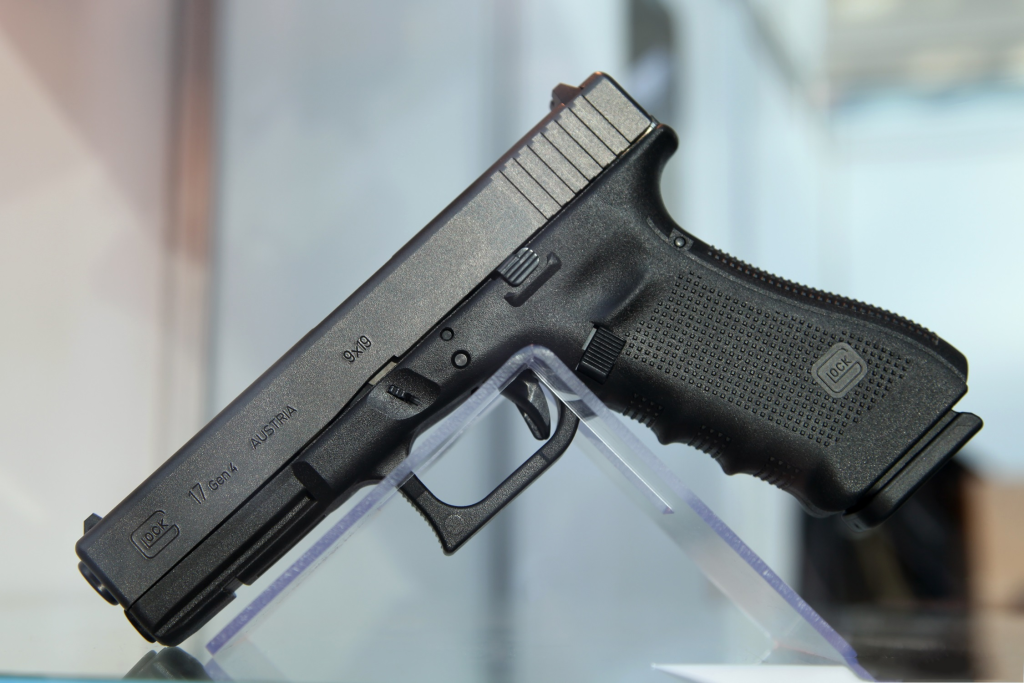
2. The Trigger Feel Is Still a Real Divide
The 1911’s short, crisp single-action trigger remains the standard many shooters use as a benchmark. Its break and reset are part of why the platform still holds such a strong reputation for precise shooting. Polymer striker-fired pistols have narrowed the gap, but they usually offer consistency rather than refinement. For defensive use, that predictable press has obvious value. For shooters focused on maximum trigger quality, the 1911 still occupies its own lane.
3. Capacity Favors Polymer by a Wide Margin
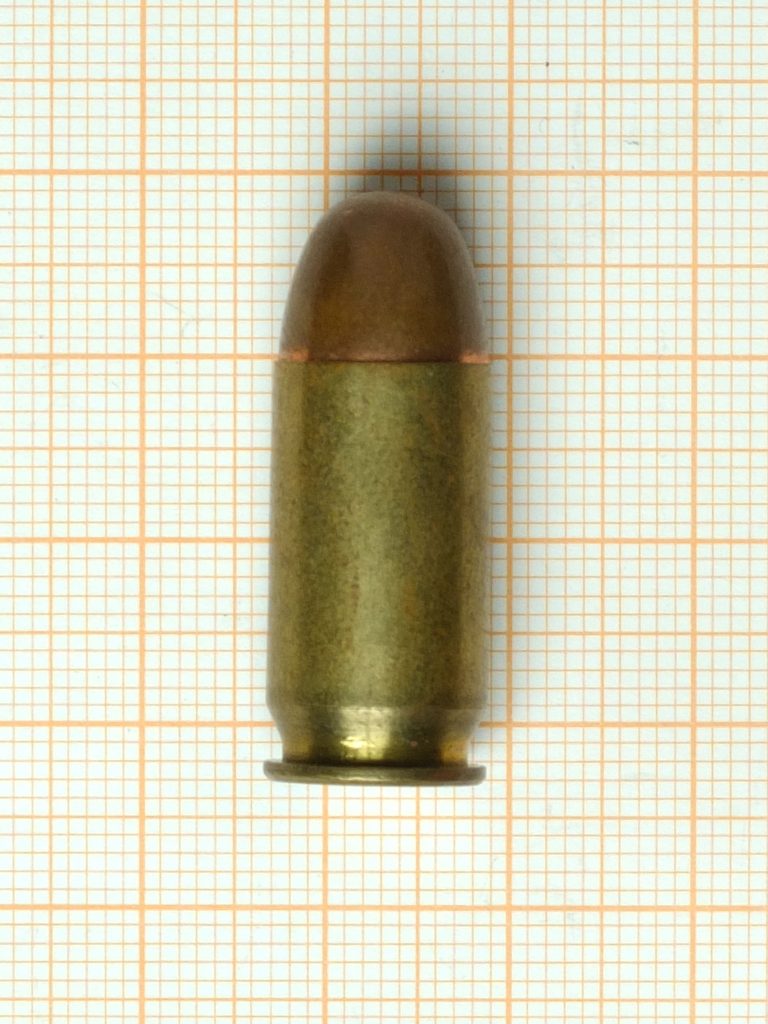
This is one of the least sentimental categories. A traditional single-stack .45 ACP 1911 commonly carries 7 or 8 rounds, while many full-size polymer pistols hold 15 to 18 rounds in standard magazines. That gap affects reload frequency, spare magazine planning, and how a pistol fits modern training courses. Even reference material that remains favorable to the 1911 tends to acknowledge that low capacity is its clearest weakness.
4. Reliability Depends on Different Kinds of Tolerance
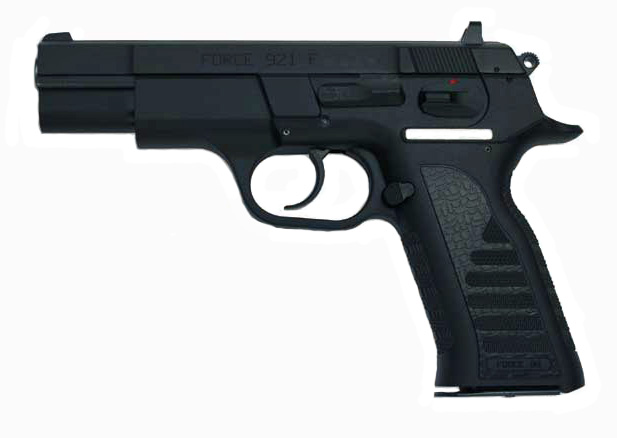
Polymer pistols built for broad service use are usually more forgiving of neglect, inconsistent maintenance, and varied ammunition. That is part of why they became so dominant. Their frames resist corrosion, and their design philosophy generally favors simple, repeatable function. The 1911 can be highly reliable, but it usually asks more from the owner. Magazine quality, lubrication, ammunition shape, and overall build quality matter more than many new shooters expect. Even enthusiasts who trust the platform often note that a random 1911 is less predictable than a random striker-fired pistol. Full-size guns also tend to be the safest bet, since shrinking the design can complicate timing and function.
5. Maintenance Demands Are Not the Same
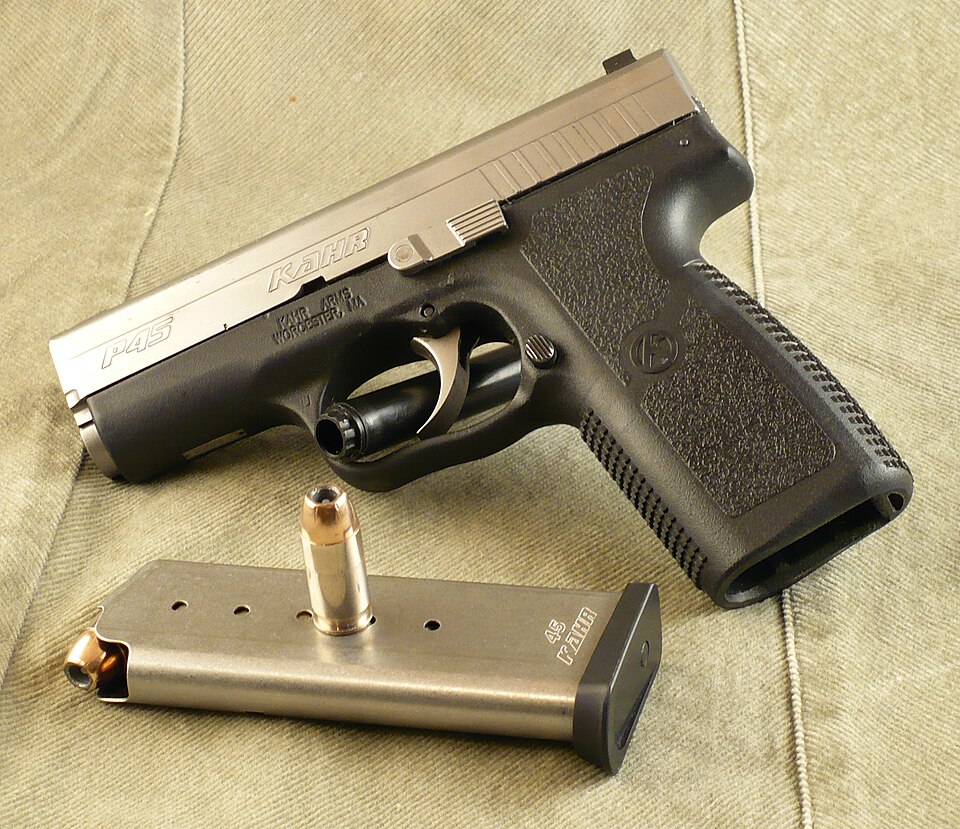
A polymer frame does not rust, and that changes the ownership experience. Cleaning still matters, but the platform’s reputation comes from lower day-to-day fuss and strong resistance to humidity, sweat, and hard use. The 1911 is more like a machine that rewards attention. It benefits from regular lubrication, close inspection, and parts quality that stays consistent across magazines and ammo. That does not make it fragile. It makes it less indifferent to neglect.
6. Recoil Control Often Favors Steel
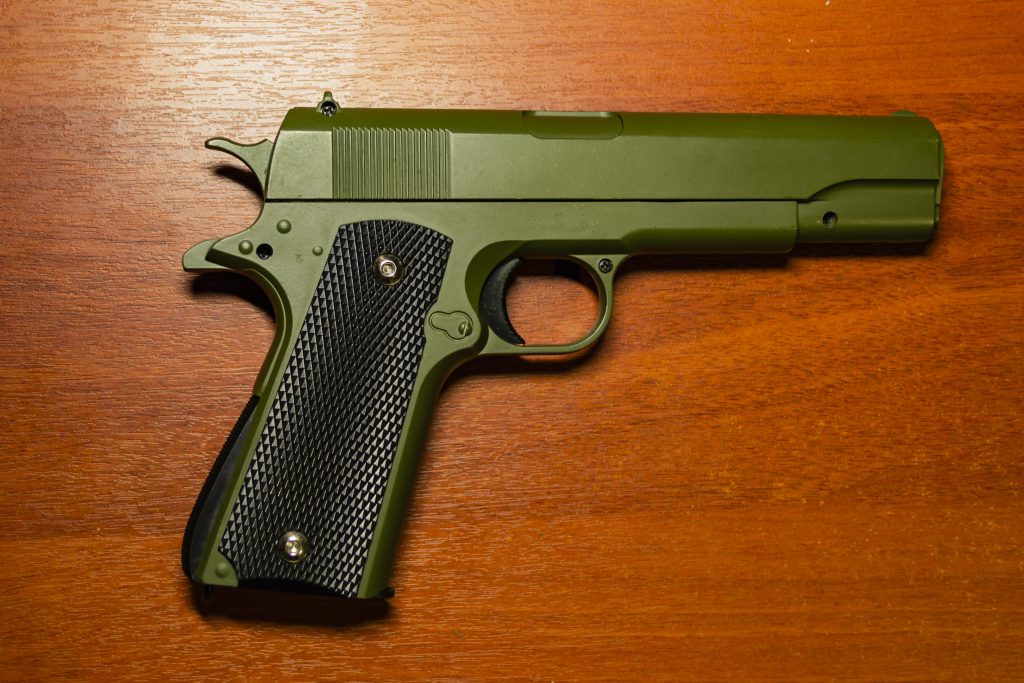
Light guns are easier to carry. Heavy guns are often easier to shoot fast. The 1911’s steel frame, straight-back trigger, and low bore feel can make recoil seem flatter and more controlled, especially in .45 ACP. In testing of full-size 1911s, several models were repeatedly praised for how well they tracked during drills, and some premium examples combined excellent triggers with notably flat shooting characteristics. Polymer pistols can still be very controllable, but compact models often feel sharper, and that difference becomes obvious during long range sessions.
7. Concealment Is About More Than Width
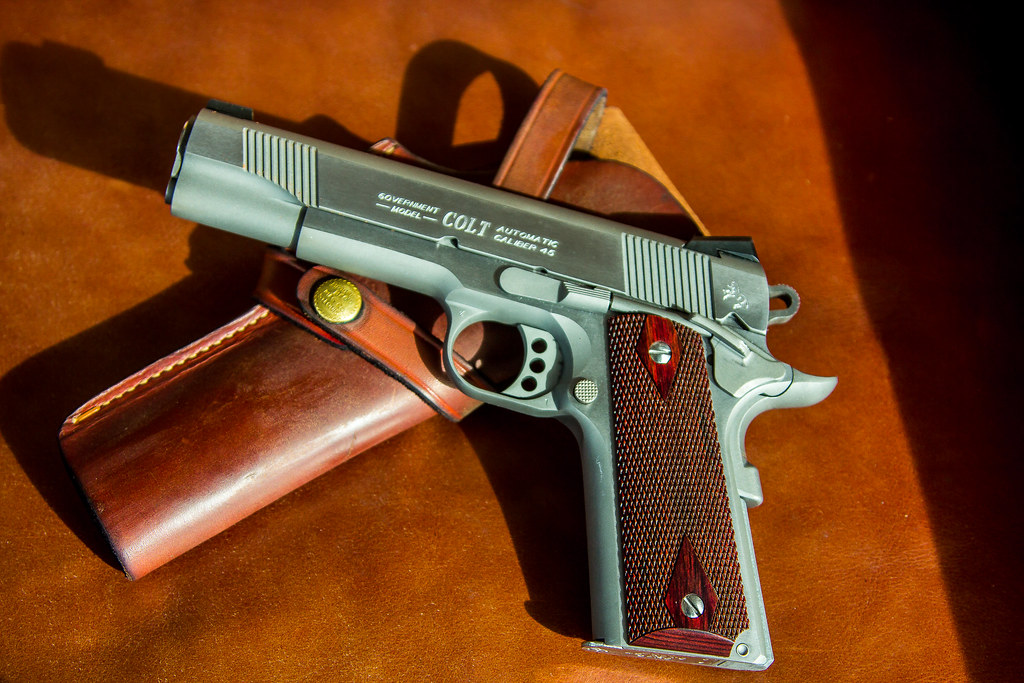
The 1911 has one major advantage on paper: it is thin. A single-stack profile hides better than many double-stack pistols when viewed straight on. But overall concealment is not just slide width. Length, height, beavertail shape, and total weight all influence printing and comfort. Reference guidance on first carry guns notes that the 1911’s beavertail can catch garments and print under lighter clothing, while compact striker-fired pistols usually offer a simpler outline and wider choice of sizes for concealed carry.
8. Upgrades and Service Life Follow Different Paths
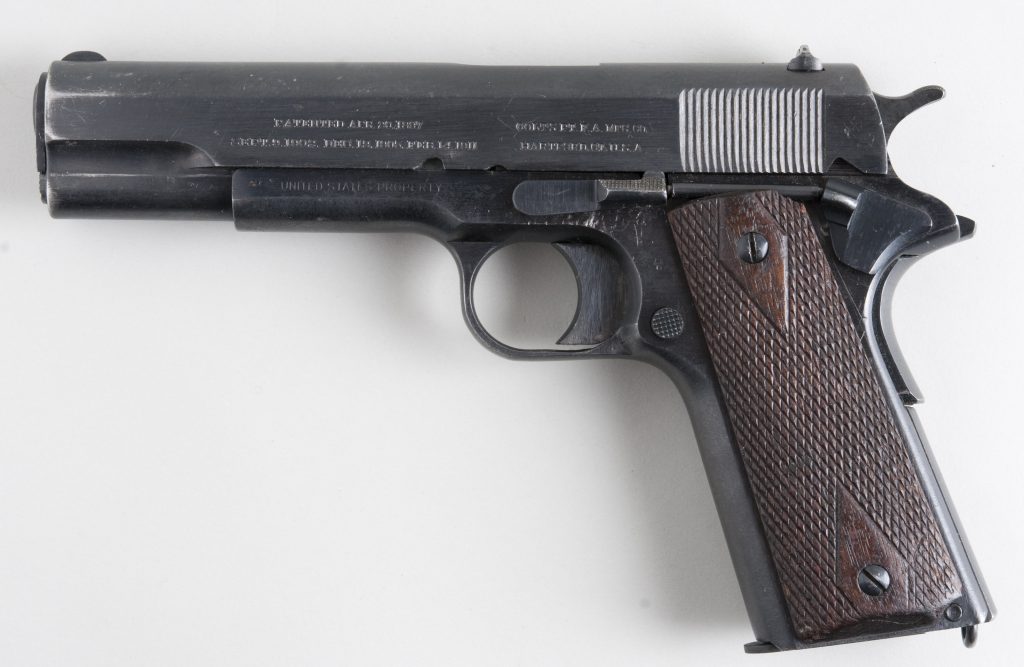
The 1911 has one of the deepest customization cultures in firearms. Triggers, safeties, grip panels, sights, magwells, finishes, and fitted parts all support the platform’s long-standing appeal to shooters who want a pistol shaped to exact preferences. Its metal construction also supports long service cycles. Steel-framed pistols can be refinished, re-fit, and tuned in ways that fit traditional gunsmithing practice. Polymer pistols are highly modular in a different way: rails, optics cuts, backstraps, and drop-in accessories make them easier to configure quickly, even if they inspire less romance.
9. Safety Systems Demand Different Training Habits
The 1911’s thumb safety and grip safety are part of its identity. They also add a procedural layer that must be practiced until it is automatic. Drawing, disengaging the safety, firing, and re-engaging it when appropriate are not optional skills with the platform. Polymer striker-fired pistols usually simplify that sequence with internal safeties and trigger-based systems. That reduces mechanical steps under stress, but it also puts more emphasis on disciplined trigger management and a quality holster. The simpler manual of arms is one reason many instructors steer newer carriers toward striker-fired designs.
Neither design invalidates the other. The real split is between a pistol that rewards involvement and one that minimizes demands. The 1911 still offers an elite trigger, strong recoil control, and a mechanical character many shooters never stop appreciating. Polymer pistols answer with lighter carry, easier upkeep, and far more ammunition on board. For anyone choosing between them, the better question is not which platform won the market. It is which trade-offs fit the job.


