
Ammunition rules at American shooting ranges no longer read like casual house preferences. In 2026, many of them reflect the same kind of hard limits found in engineered facilities: what the trap can absorb, what the air system can handle, and what the operator can defend to insurers and inspectors.
That is why a box that ran without issue last year can suddenly fail a counter check today. The pattern looks random from lane to lane, but the underlying reasons are far more consistent.
1. Bringing magnetic rifle ammo to an indoor lane
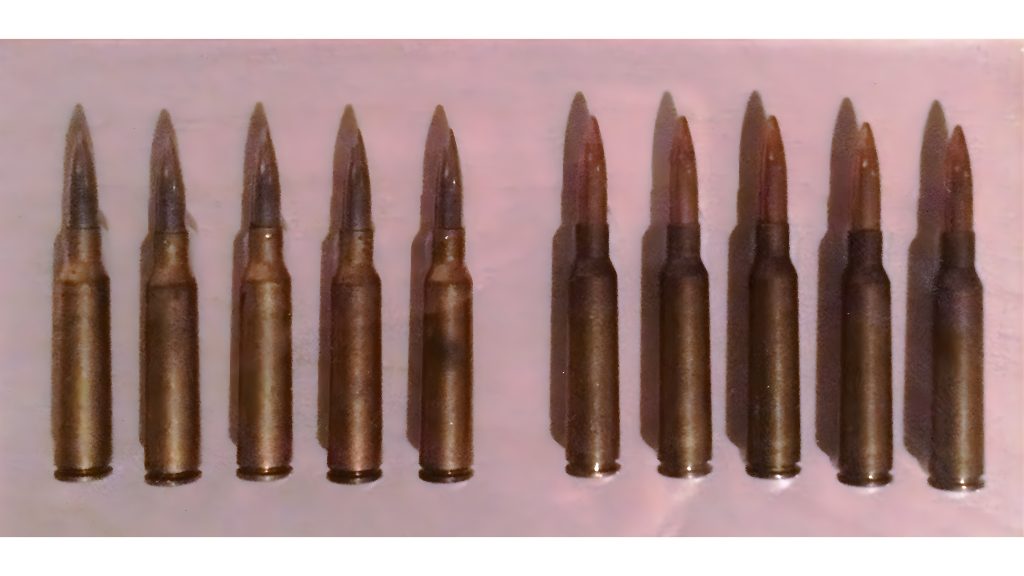
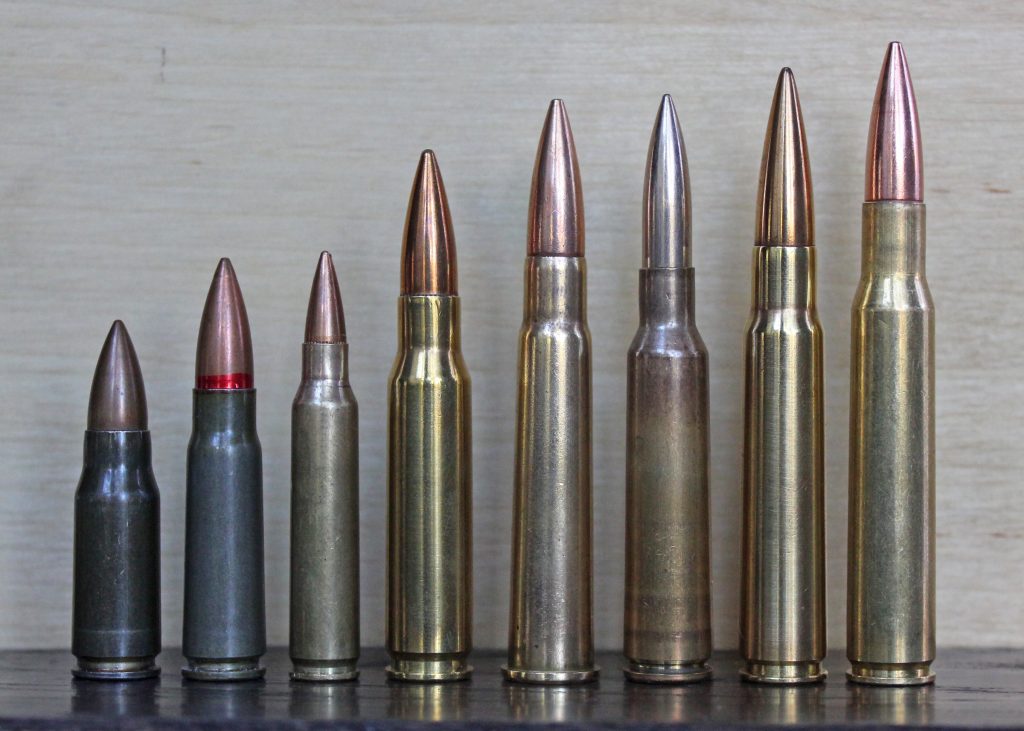
Many indoor ranges now treat magnetic ammunition as an automatic stop sign. The concern is not just one cartridge designation, but the broader category of steel-core, bi-metal, or otherwise steel-bearing projectiles that can wear bullet traps faster, create harder fragments, and increase spark risk on steel impact surfaces.
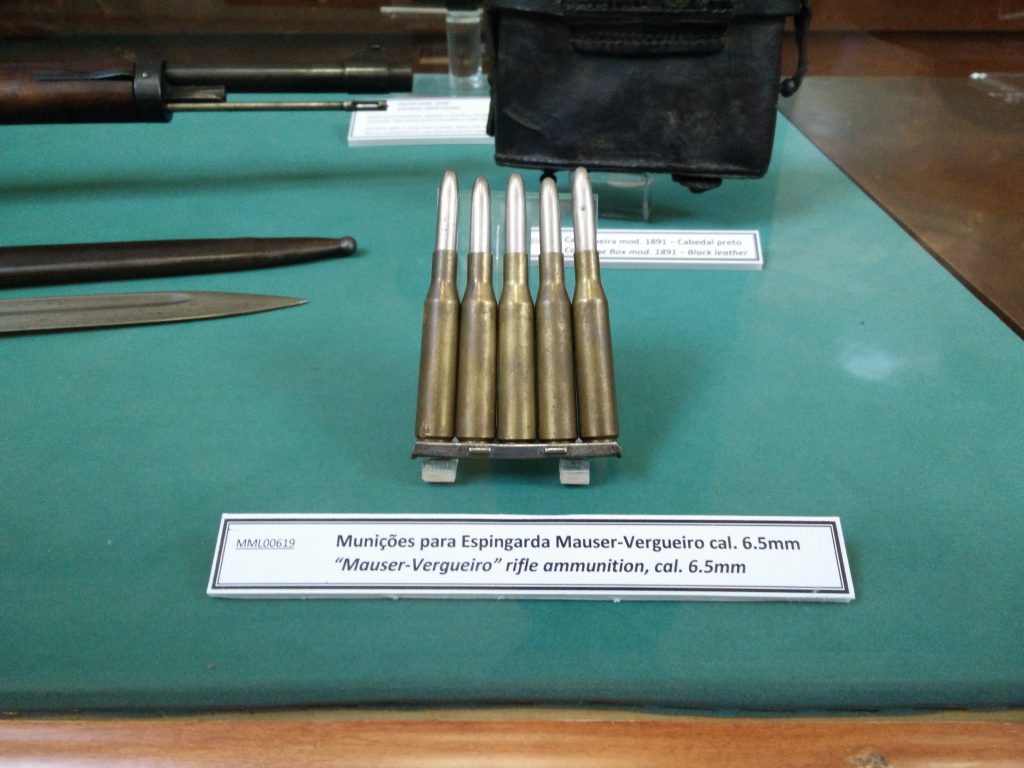
The quick screening tool is often a magnet test. If the projectile attracts a magnet, staff may reject it even if the shooter assumed the problem was only steel cases. That has placed extra attention on loads such as M855 (SS109), which many ranges prohibit because its penetrator and impact behavior fall outside what standard indoor trap systems are built to manage.
2. Assuming steel case and steel core mean the same thing
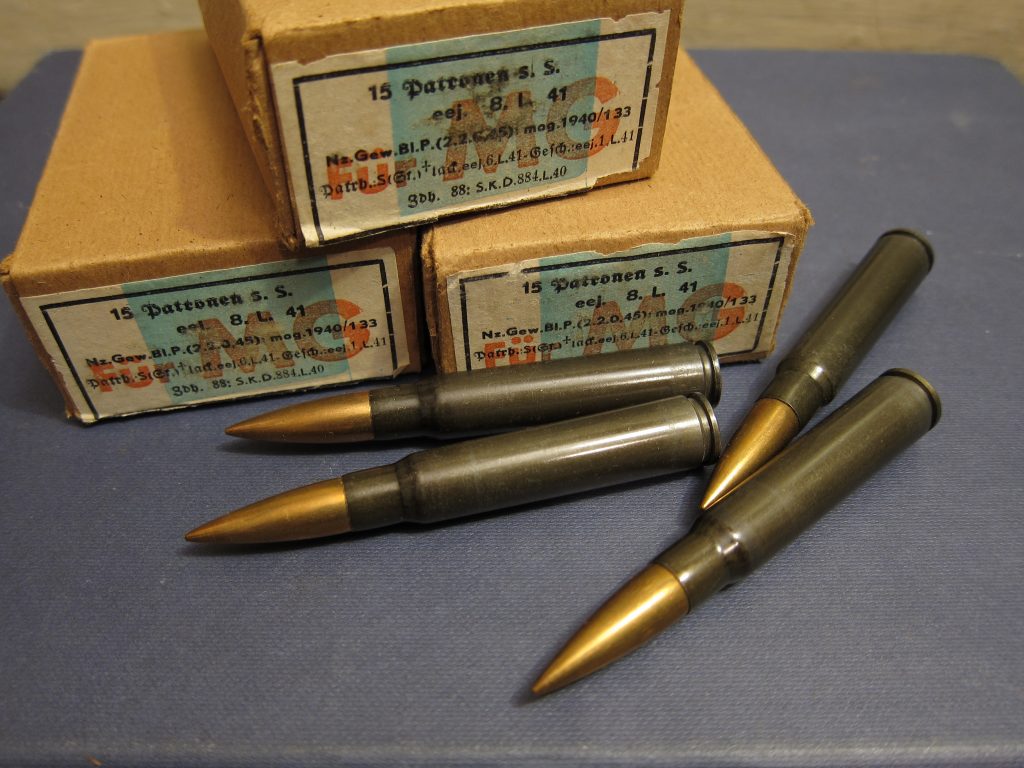
This remains one of the biggest range-counter arguments, and it usually starts with a misunderstanding. A steel case is not the same thing as a steel-core projectile, but many facilities still ban both because staff need a simple rule that can be enforced quickly in a busy lobby. Operationally, that blunt approach makes sense.
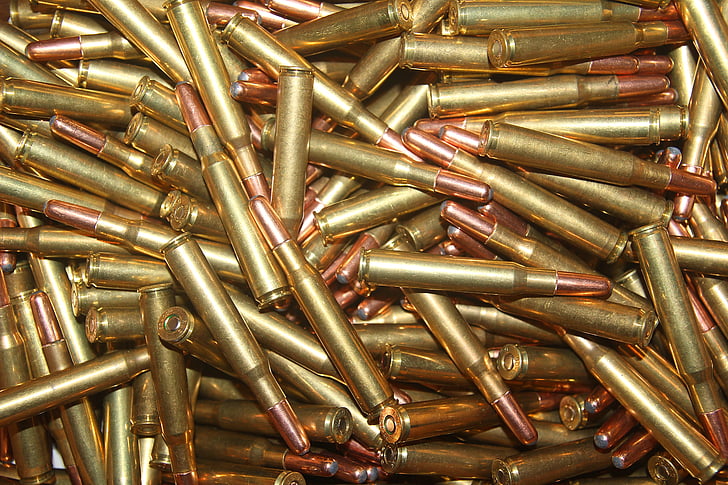
Brass-cased ammunition is easier to sort, easier to recycle, and less likely to trigger a debate over whether the jacket or core contains steel. The broader shift has been driven by equipment wear, cleanup burdens, and fire prevention, especially at indoor ranges where residue and fragmented material stay inside the building. In practice, a “no steel ammo” sign often means the range is trying to avoid a complicated inspection process rather than make a technical statement about every cartridge design.
3. Showing up with loads that exceed lane power limits
Not every bay is built for magnum handgun rounds, full-power rifles, or especially fast handloads. Some facilities now post caliber caps, velocity ceilings, or outright muzzle-energy limits because lane construction varies more than many shooters expect.
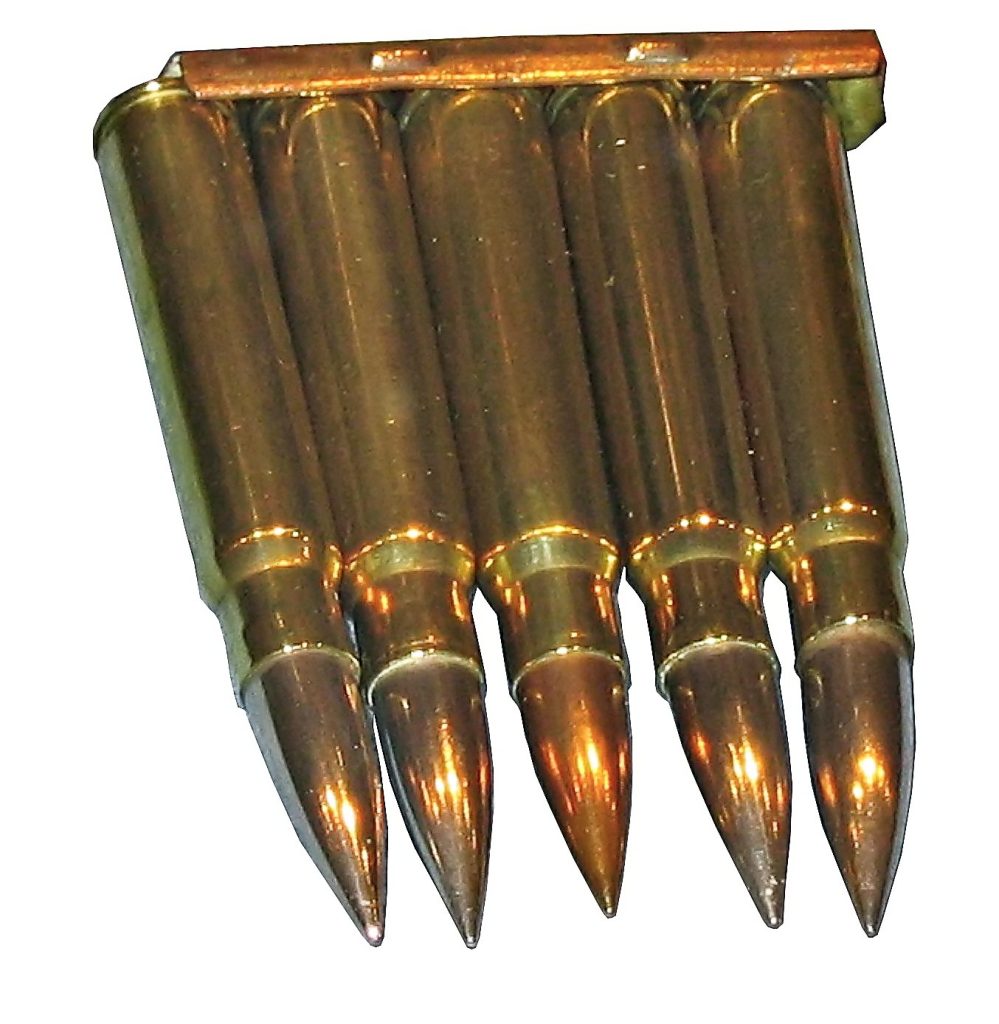
This matters because backstops, baffles, and sidewalls are rated systems, not vague safety margins. Some indoor rifle traps are built to handle common rifle rounds up to 7.62 and 3,000 fps, while heavier or faster loads may be restricted to reinforced lanes or refused entirely. Range staff enforcing a power limit are usually enforcing the building’s safe operating envelope, not making a judgment about the shooter.

4. Treating lead control like a housekeeping detail
Lead management has moved from background concern to core range policy. Indoor facilities have to think about what ends up in the air, on surfaces, and inside the trap, especially when employees spend full shifts in that environment.

A federal standard sets 50 µg/m3 for airborne lead averaged over an 8-hour shift, and that has pushed ventilation, HEPA cleaning, and ammo selection into the same conversation. A public-health review also identified 2,673 persons likely exposed through non-work target shooting with elevated blood lead levels during the study period. That helps explain why some ranges prefer cleaner bullet constructions, plated projectiles, or stricter rules on what can be fired indoors.
5. Arriving with loose rounds, reloads, or novelty shells
One of the fastest ways to slow down check-in is showing up with unlabeled ammunition in bags, mixed magazines, or handloads at a facility that has moved to factory-only policies. More ranges now want original boxes, visible labeling, and quick verification because staff are expected to identify prohibited ammo without disassembling a shooter’s entire setup. The same logic explains hard bans on tracer, incendiary, and novelty loads. Frangible ammunition has gained acceptance in some training environments because it is designed to break apart on impact with hard surfaces, reducing ricochet concerns, while dragon’s breath and similar spectacle shells remain easy rejects because they add obvious fire risk without fitting the design purpose of a commercial lane.
The practical lesson is not glamorous. Shooters who avoid wasted trips in 2026 are usually the ones who read the posted ammo policy, check their rounds with a magnet before leaving home, keep cartridges in original packaging, and treat the range’s intake procedure like part of the shooting process. At modern ranges, ammo is no longer just what feeds the gun. It is part of what the building is engineered to survive.


