Precision rifle shooters tend to settle on cartridges for the same reason machinists settle on tools: repeatable performance matters more than novelty. The rounds that endure are usually the ones that balance accuracy, manageable recoil, efficient case design, and broad rifle support. That is why the most trusted precision cartridges are not all built for the same job. Some dominate short-action bolt rifles, some make sense in gas guns, and some remain relevant simply because they are easy to tune and hard to outgrow.
1. 6mm ARC
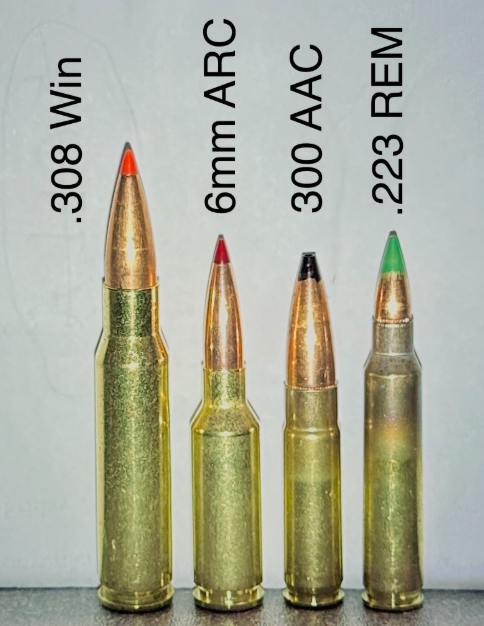
The 6mm ARC was built around a very specific idea: stretching AR-15 precision farther without moving to a larger rifle. In that role, it has earned real respect. The cartridge was designed to launch 6mm bullets with strong ballistic coefficients while still fitting standard AR-15 magazine dimensions, and 103- to 108-grain bullets at about 2,750 fps from a 22-inch barrel gave it immediate credibility. Its appeal is not just downrange flight. Recoil stays light enough to help shooters spot impacts and misses, which is a major advantage in practical field matches. That combination of useful velocity, mild behavior, and high-BC bullet selection makes it one of the more serious precision options ever adapted to the small-frame AR platform.
2. 6.5 Creedmoor
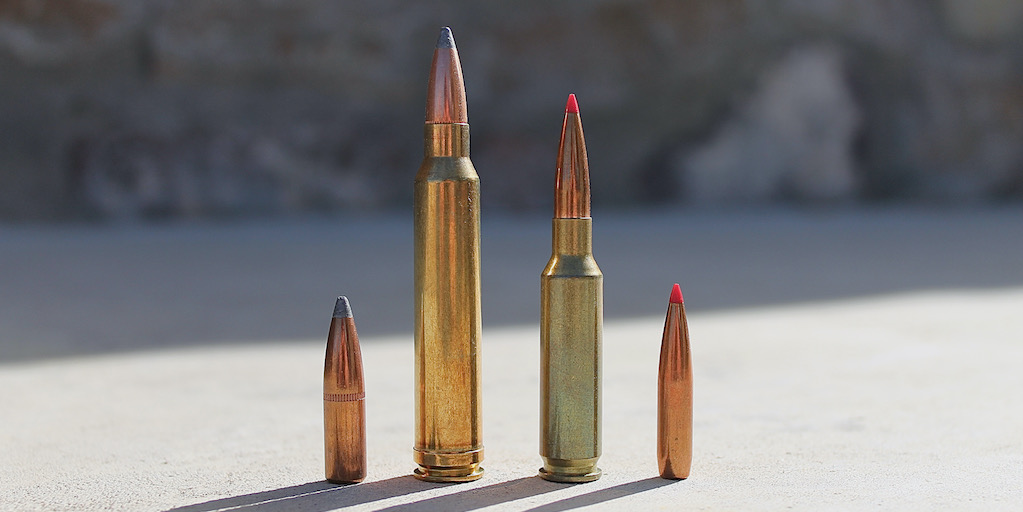
The 6.5 Creedmoor became a standard because it was purpose-built for long-range shooting from the start. Its short-action length, efficient case shape, and compatibility with long, sleek bullets gave it a straightforward mission. The cartridge was developed to prioritize ballistic efficiency and shootability rather than raw speed. That design still explains its staying power. A commonly cited benchmark load is the 140-grain A-MAX with a G1 BC of .585, a figure that helped define the cartridge’s reputation. Compared with older .30-caliber short-action standards, the Creedmoor generally offers less drop, less wind drift, and lighter recoil, which is exactly the mix many precision shooters want.
3. .308 Winchester
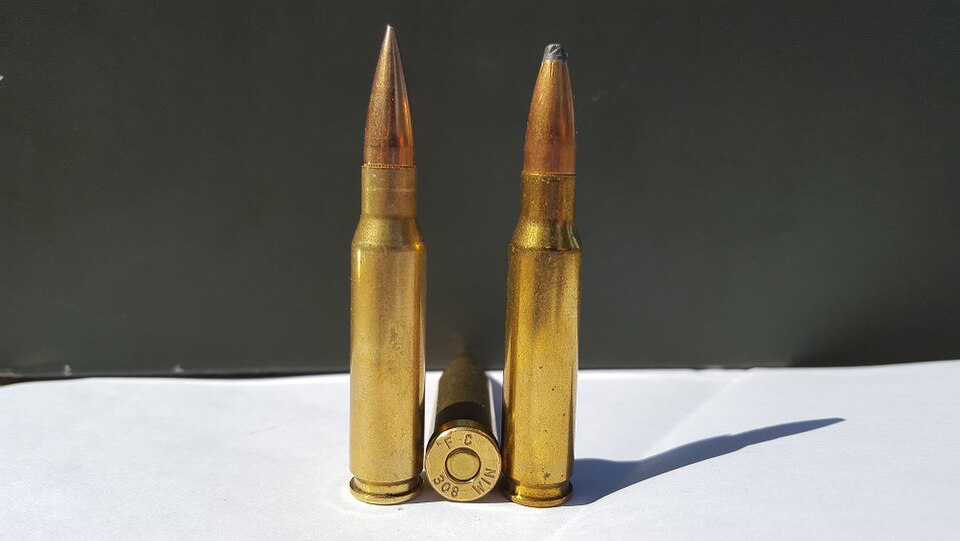
The .308 Winchester remains one of the most trusted precision cartridges because it is predictable, available, and easy to shoot well in a broad range of rifles. It no longer owns the ballistic high ground at long distance, but that has not changed its standing on firing lines where consistency still matters more than fashion. Its accuracy reputation is not folklore. Outdoor Life noted that many recently tested .308 rifles could produce best 3-shot groups at a half-inch or better with the loads they preferred. The cartridge also benefits from an enormous spread of bullet weights and match loadings, plus a deep history in disciplines where reading wind and building stable positions are as important as flat trajectory.
4. .260 Remington
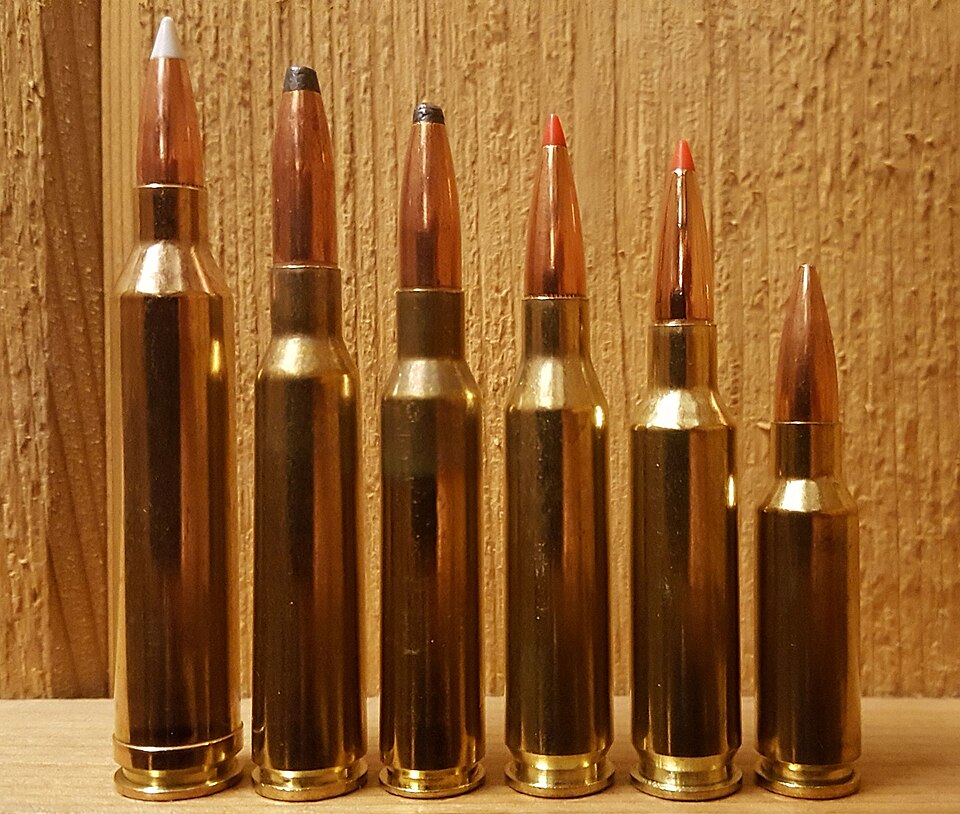
The .260 Remington still belongs in any serious accuracy conversation because its core formula works. It pushes the same efficient 6.5mm bullets that made the Creedmoor famous, and its downrange ballistics are close enough that performance on steel often looks more alike than different. What limits its visibility is not precision potential but momentum. Even reference material favorable to the 6.5 Creedmoor has long acknowledged that the ballistics are nearly identical, while factory support and brass availability pushed shooters in another direction. Even so, in a rifle that likes it, the .260 Remington remains a highly credible precision round.
5. .223 Remington
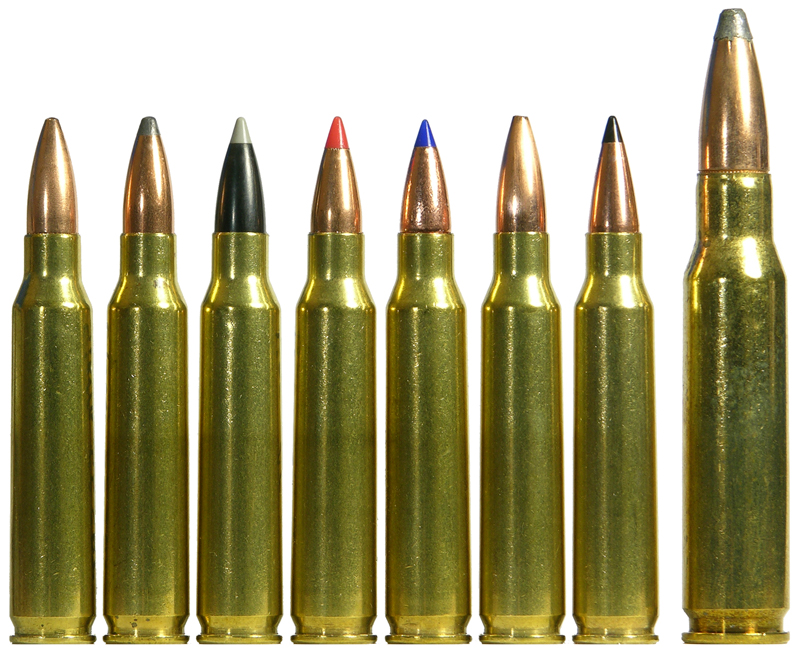
The .223 Remington is often underestimated in precision work because people confuse power limitations with accuracy limitations. It does not hit with the authority of larger rounds at long range, but in a well-built rifle it can be remarkably precise, especially where recoil control and fast shot correction matter. Its mild manners are a major part of the story. Shooters can stay in the optic, watch trace more easily, and run long strings without fatigue. Heavier match bullets have extended its usefulness substantially, and while it gives up wind performance to larger cartridges, it still teaches disciplined fundamentals better than almost anything else.
6. 6mm Creedmoor
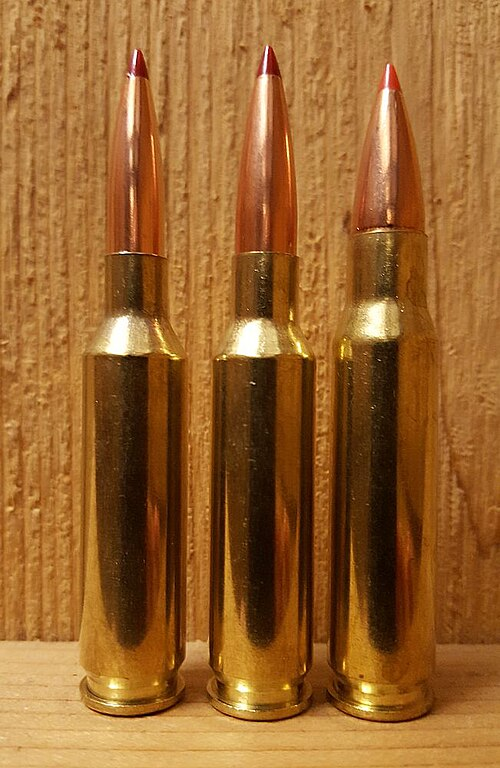
The 6mm Creedmoor became a fixture in precision competition because it drives high-BC 6mm bullets fast enough to cut wind while keeping recoil modest. That matters in matches where a shooter may need to spot misses instantly and make corrections under time pressure. It occupies a sweet spot between pure speed and controllability. The cartridge can deliver flatter trajectories than many older match rounds, yet it does not punish the shooter like larger magnum options. Barrel life is not its strongest suit, but pure on-target performance has kept it relevant wherever practical precision is taken seriously.
7. 6 Dasher
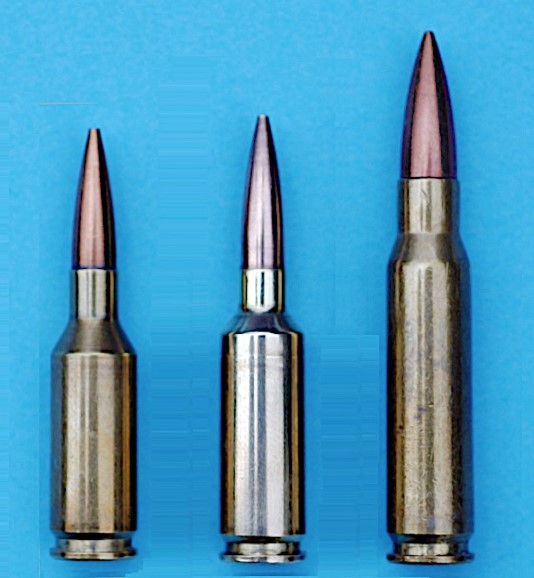
The 6 Dasher has long enjoyed a near-mythic reputation among handloaders and bench-oriented precision shooters. It is known for extreme consistency, low recoil, and a habit of producing tiny groups when paired with tuned rifles and careful ammunition. It is not the most universal cartridge on this list, but trust in precision circles is often earned through results, not convenience. The Dasher’s case design and efficient use of 6mm bullets have made it a recurring favorite in matches where small vertical spreads and repeatable muzzle velocities decide placings.
8. 6.5×47 Lapua
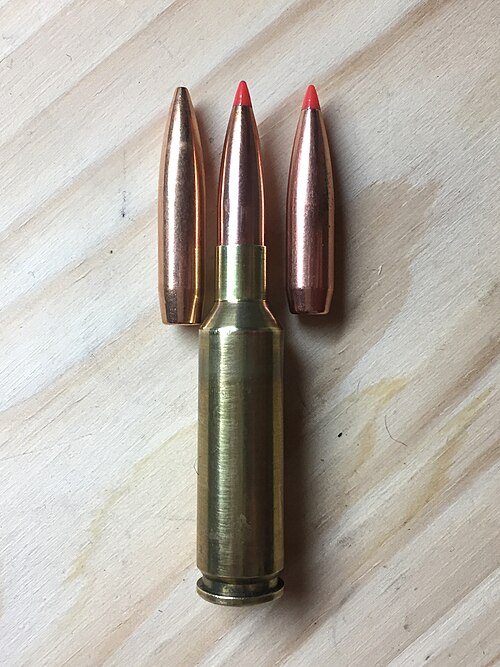
The 6.5×47 Lapua has always appealed to shooters who value brass quality, careful engineering, and consistency over hype. It was designed with precision shooting in mind, and its reputation reflects that origin. Although it never reached the mass popularity of the Creedmoor, it built a loyal following among reloaders who appreciated its efficient case, excellent brass, and predictable tuning window. In a precision bolt rifle, it remains a refined option that has lost none of its technical merit.
9. .300 Winchester Magnum
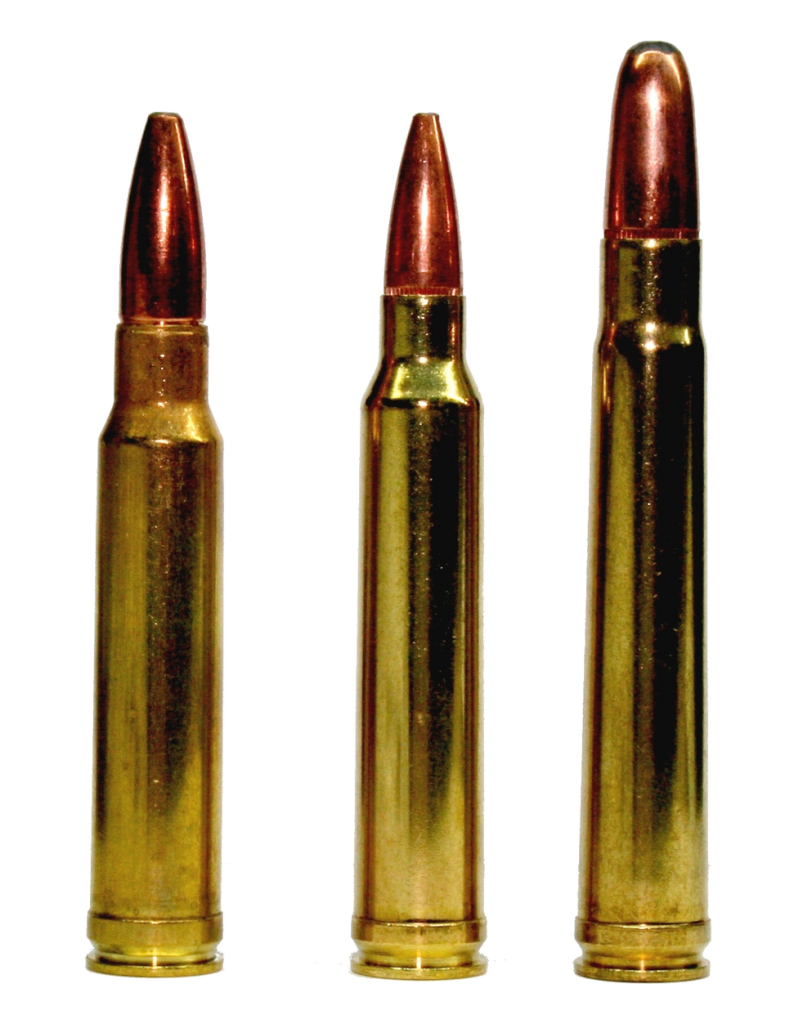
Not every precision problem is solved with low recoil. The .300 Winchester Magnum remains trusted when shooters need reach, energy retention, and resistance to wind deflection beyond the comfort zone of smaller cartridges. It asks more of the shooter and the rifle. Recoil is sharper, rifles tend to be heavier, and consistency demands more attention. But for applications where distance stretches and environmental conditions get punishing, the cartridge continues to hold a place as a serious precision tool rather than a relic from the pre-Creedmoor era.
The common thread across these cartridges is not trend value. It is the ability to deliver repeatable, predictable results in rifles that shooters can learn, tune, and trust. Some of these rounds shine because they are easy to live with, others because they stay stable in wind, and a few because they have decades of proof behind them. Precision rarely belongs to one cartridge alone, but these nine have earned their place through sustained performance rather than passing enthusiasm.


